
Are you ready to uncover one of nature’s best-kept secrets? Dogwood tree species are often overlooked, but they hold a treasure trove of edible berries that can add a burst of nutrition and flavor to your diet. Not only do these berries offer a unique taste experience, but they also boast an impressive list of nutritional benefits, making them a fascinating subject for anyone interested in foraging or cultivating their own food.
As we delve into the world of dogwood tree species, you’ll learn about the different types that produce edible berries and how to safely cultivate them. You’ll discover the potential health advantages of incorporating these berries into your diet, from supporting immune function to providing a rich source of antioxidants. Whether you’re a seasoned forager or just starting out, this article will guide you through everything you need to know about dogwood tree berries, from cultivation to consumption.
What are Dogwood Trees?
Dogwood trees are a type of flowering tree that produce showy white, pink, or red blooms in spring, but they’re also known for something else entirely. Let’s take a closer look at what makes them so special.
Overview of Dogwood Species
Dogwood trees are known for their stunning berries, but did you know that there are several species of dogwoods to choose from? With over 50 different varieties, it can be overwhelming to decide which one is right for your garden. Let’s take a closer look at the main types of dogwood trees and their common characteristics.
The Cornelian cherry dogwood (Cornus mas) is one of the most popular species, known for its bright yellow flowers in early spring and attractive red berries in fall. Another popular variety is the Flowering dogwood (Cornus florida), which produces showy white or pink bracts that surround small yellow flowers. The Kousa dogwood (Cornus kousa) is another favorite among gardeners, with its stunning white or pink flowers and large, red berries.
When choosing a dogwood tree for your garden, consider the size, growth habit, and climate hardiness of each species. For example, the Cornelian cherry dogwood is relatively small, growing up to 10 feet tall, while the Flowering dogwood can grow much larger, up to 25 feet. Be sure to research the specific needs of each tree to ensure you provide the best conditions for it to thrive and produce an abundance of berries.
Identifying Dogwood Trees in Your Yard
Identifying dogwood trees in your yard can be a fun and rewarding experience, especially when you’re on the lookout for those delicious berries. To get started, take a closer look at the tree’s physical characteristics. Dogwoods typically have small, white or pink flowers that bloom in late spring, followed by clusters of red, purple, or blue berries in summer. The leaves are often oval-shaped and pointed, with a smooth edge.
To identify dogwood trees, also consider their growth habits. They tend to be deciduous, meaning they shed their leaves in fall, and can grow anywhere from 10 to 40 feet tall. Dogwoods often have a broad, rounded crown and a straight trunk. Some species may have a more compact or weeping habit.
Take note of the bark on your dogwood tree – it’s usually grayish-brown with horizontal lenticels (breathing pores) that give it a distinctive appearance. If you’re still unsure about the identity of your tree, consult with a local nursery or gardening expert for guidance. With practice and observation, you’ll become more familiar with the unique characteristics of dogwood trees in your yard.
Importance of Dogwood Trees in Ecosystems
Dogwood trees are a vital component of many ecosystems, and their importance extends far beyond providing delicious berries for humans to enjoy. As a crucial food source for local wildlife, dogwood trees play a significant role in supporting the surrounding ecosystem. The berries produced by these trees serve as a vital source of nutrition for various birds, such as robins, blue jays, and cedar waxwings, which rely on them as a primary food source during certain times of the year.
In fact, studies have shown that dogwood trees can provide up to 75% of the berry crop in some areas, making them a critical component of the local wildlife’s diet. By supporting these birds, dogwood trees indirectly contribute to the maintenance of a healthy ecosystem. Moreover, the trees’ berries also attract pollinators like bees and butterflies, further enhancing their role in the ecosystem.
By incorporating dogwood trees into your garden or landscape, you can create a haven for local wildlife while enjoying the beauty and bounty they provide.
The Berry-Bearing Dogwood Tree Species
When it comes to dogwood trees, some species are particularly famous for their luscious berry production, and we’re excited to highlight a few of these standout varieties. Let’s explore them together!
Cornelian Cherry Dogwood (Cornus mas)
Cornelian Cherry Dogwood (Cornus mas) is one of the most unique and fascinating species within the dogwood family. Native to Europe and Asia, this deciduous tree has a rich history and cultural significance. In terms of growth habits, Cornelian Cherry Dogwood is known for its spreading canopy and tolerance for various soil conditions. It can thrive in full sun to partial shade, making it an excellent choice for landscaping projects.
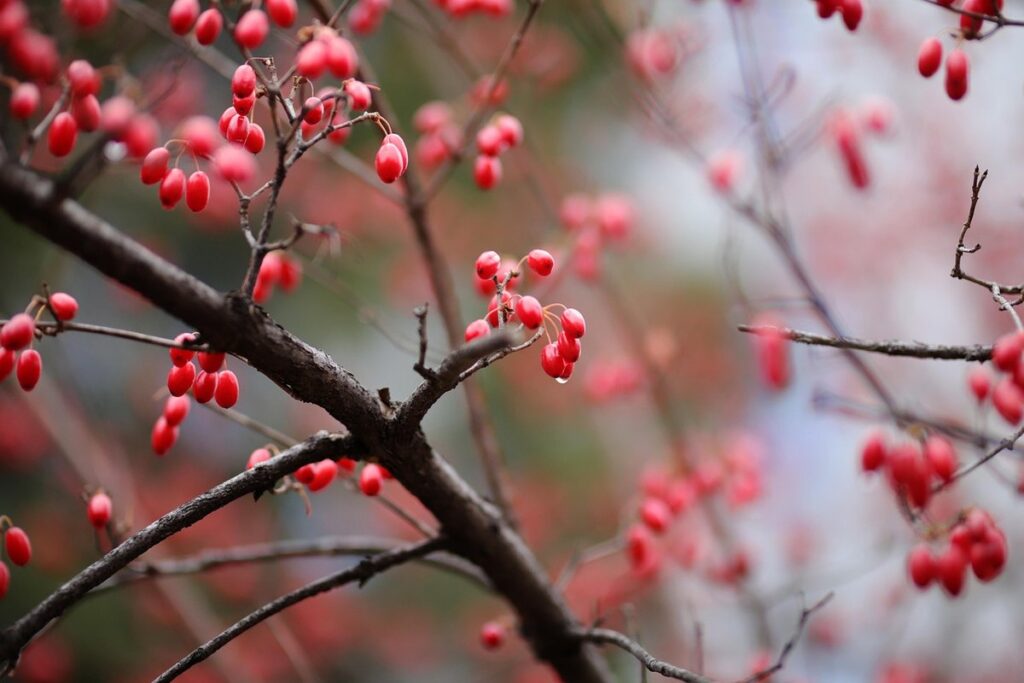
One of the standout features of Cornelian Cherry Dogwood is its stunning berry production. In late spring, small clusters of red or yellow fruit appear along the branches, providing a vibrant pop of color against the tree’s green foliage. These edible berries are not only visually appealing but also offer several practical uses in cooking and herbal remedies.
When growing Cornelian Cherry Dogwood, it’s essential to plant multiple trees to ensure proper pollination and berry production. Regular maintenance tasks, such as pruning and watering, can help promote healthy growth and maximize the tree’s potential for fruiting. By incorporating this species into your garden or landscape design, you’ll not only enjoy its beautiful berries but also contribute to a thriving ecosystem that supports local wildlife.
Pagoda Dogwood (Cornus alternifolia)
If you’re looking for a dogwood tree with an extra touch of elegance, look no further than the Pagoda Dogwood (Cornus alternifolia). This stunning tree boasts pagoda-like flowers that resemble traditional Asian architecture, hence its name. In late spring, these delicate white blooms cover the branches in a beautiful display of beauty and fragrance.
But what really sets the Pagoda Dogwood apart is its edible berries. While they may not be as large or showy as some other dogwood varieties, they’re still highly prized for their sweet-tart flavor and firm texture. In fact, many gardeners cultivate the Pagoda Dogwood specifically for its fruit, which can be eaten raw or used in jams and preserves.
If you’re interested in growing your own Pagoda Dogwood, make sure to provide it with moist, fertile soil and partial shade. This will help ensure that your tree thrives and produces an abundance of delicious berries come autumn. With proper care, the Pagoda Dogwood can live for decades, providing a lifetime supply of tasty fruit and ornamental beauty.
Other Berry-Bearing Dogwood Species
While Cornelian cherry dogwood is often the star of the show when it comes to berry-bearing dogwoods, there are several other species that deserve attention for their unique features and growth habits. For instance, the Kousa dogwood (Cornus kousa) produces small, red or yellow berries in late summer, which are a favorite among birds and other wildlife.
Another notable species is the Flowering Dogwood (Cornus florida), which produces showy white or pink flowers in spring but also produces blue-black berries in fall. These berries are an important food source for many bird species, including woodpeckers, warblers, and blue jays.
The Pagoda dogwood (Cornus alternifolia) is a smaller tree with a more delicate appearance, but it still produces white or pink flowers in spring followed by blue-black berries in fall. Its unique branching habit makes it an attractive addition to any landscape.
When choosing a berry-bearing dogwood species for your garden or yard, consider factors like mature size, growth rate, and hardiness zone. This will help ensure that the tree thrives in its environment and provides the desired benefits for years to come.
Edible Berries on Dogwood Trees: Safety and Preparation
If you’re eager to try dogwood berries, it’s essential to know which ones are safe for consumption and how to properly prepare them. Let’s dive into the safety considerations.
Safe Identification of Edible Berries
When it comes to foraging for edible berries on dogwood trees, safe identification is crucial. Not all dogwood tree berries are edible, and some may even be toxic if ingested. To avoid confusion, let’s start by looking at the most common edible berry-bearing dogwood species: Cornelian cherry (Cornus mas) and flowering dogwood (Cornus florida). These two species produce red or yellow berries that are both edible and nutritious.
However, there are lookalike plants to be aware of. The poisonous berries of the bittersweet nightshade (Solanum dulcamara) plant closely resemble those of the Cornelian cherry. The bittersweet nightshade’s shiny black berries have a slightly sticky texture and contain solanine, which can cause nausea, vomiting, and diarrhea if ingested. To avoid this, look for the small white flowers that bloom in late spring on the Cornelian cherry tree before the berries appear.
To ensure safe identification of edible dogwood berries, observe their color, size, and shape carefully. Edible berries will be firm to the touch, have a slight sweetness, and not be sticky or shiny. Also, remember to consult with an expert forager or botanist if you’re unsure about any specific berry’s edibility.
Preparing and Using Dogwood Berries in Recipes
When it comes to cooking and baking with dogwood berries, the possibilities are endless. These tart, slightly sweet fruits can add a unique flavor dimension to a variety of dishes. To use dogwood berries in recipes, start by washing them thoroughly to remove any dirt or debris. Next, crush or chop the berries to release their juice and make them easier to incorporate into your recipe.
One delicious way to enjoy dogwood berries is in a homemade jam or preserves. Simply combine crushed dogwood berries with sugar and pectin (optional) in a saucepan, bring to a boil, and let simmer for 10-15 minutes or until the mixture has thickened. This sweet and tangy spread is perfect on toast, muffins, or as a filling for cakes.
For those looking to preserve dogwood berries for later use, consider freezing or dehydrating them. Frozen dogwood berries are great in smoothies, while dried berries can be used in teas, soups, or as a topping for oatmeal or yogurt. With a little creativity and experimentation, you’ll discover the versatility of dogwood berries and enjoy them all year round!
Potential Allergies and Reactions to Dogwood Berries
While dogwood berries are edible and offer various health benefits, it’s essential to consider potential allergies and interactions with medications before consumption. Some individuals might experience adverse reactions due to cross-reactivity with other plants or allergic sensitivities.
For instance, people with birch pollen allergy may react to dogwood berries, as they belong to the same plant family (Rosaceae). Similarly, those taking certain medications like blood thinners should exercise caution, as consuming large quantities of dogwood berries might interact with these drugs.
It’s also worth noting that cooking or processing dogwood berries can reduce their allergenic potential. However, individuals with a history of allergic reactions to similar plants or foods should consult a healthcare professional before ingesting dogwood berries. To minimize risks, start with small amounts and monitor your body for any adverse responses. If you experience discomfort, pain, or difficulty breathing after consuming dogwood berries, seek medical attention immediately.
Cultivating and Caring for Berry-Bearing Dogwood Trees
To grow a thriving dogwood tree that produces delicious berries, you’ll need to provide it with the right conditions and care. Let’s explore how to cultivate and care for these lovely trees.
Choosing the Right Site Conditions
When planting berry-bearing dogwood trees, choosing the right site conditions is crucial for their health and productivity. Dogwoods prefer well-drained soil that’s rich in organic matter, so avoid low-lying areas where water tends to collect. Test your soil pH level; most dogwoods thrive in slightly acidic to neutral soil (pH 6.0-7.0).
Sunlight also plays a significant role in determining the health of your dogwood tree. Most berry-bearing varieties require full sun to partial shade, with at least six hours of direct sunlight per day. However, some species like Cornelian cherry dogwood can tolerate more shaded conditions.
To ensure optimal growth and fruit production, consider the following factors when selecting a planting site:
• Soil quality: Avoid areas prone to waterlogging or where soil may be too sandy or heavy clay.
• Sunlight exposure: Observe the sun pattern in your yard to determine if the area receives sufficient sunlight for the specific dogwood variety you’re planting.
• Wind protection: Young trees can benefit from a windbreak, which will also help prevent damage to fruiting branches.
Planting and Maintenance Techniques
When planting and caring for dogwood trees that bear berries, it’s essential to follow some specific techniques to ensure a healthy and productive tree. First, choose a location with well-drained soil and full sun to partial shade. Dig a hole twice as wide and just as deep as the root ball, adding organic matter like compost or manure to improve soil fertility.
Pruning is crucial for promoting fruiting and maintaining the tree’s overall health. Prune your dogwood in late winter or early spring, removing any dead, diseased, or damaged branches. Cut back overgrown shoots by one-third to encourage new growth. Fertilize annually with a balanced, slow-release fertilizer, following the manufacturer’s instructions.
Regular pest management is also vital. Inspect your tree regularly for signs of pests like aphids, scale insects, and borers. Use integrated pest management techniques, such as introducing beneficial insects or practicing good garden hygiene, to minimize chemical use. Water your dogwood regularly, especially during its first year after planting, but avoid overwatering which can lead to root rot.
Proper care will not only enhance the health of your tree but also maximize berry production.
Encouraging Berry Production in Dogwood Trees
To encourage healthy growth and abundant berry production in your dogwood tree, it’s essential to provide optimal growing conditions. First, ensure that your dogwood tree receives full sun to partial shade, depending on the specific variety. Most berry-bearing dogwoods thrive in well-draining soil with a slightly acidic pH between 5.5 and 6.5.
Water your dogwood regularly, but avoid overwatering, which can lead to root rot and reduced berry production. Mulching around the base of the tree helps retain moisture and suppress weeds. Fertilize your dogwood annually with a balanced, slow-release fertilizer. Prune your tree in late winter or early spring, removing any dead, diseased, or damaged branches.
Additionally, provide adequate support for your dogwood tree if it’s prone to wind damage or top-heavy berry clusters. Thin out fruiting branches to about 12-18 inches apart to promote air circulation and sunlight penetration. By following these tips, you’ll be well on your way to encouraging healthy growth and abundant berry production in your dogwood tree.
The Benefits of Berries from Dogwood Trees: Nutrition and Health
Berries from dogwood trees are packed with nutrients, offering a wealth of health benefits that make them an excellent addition to your diet. Let’s explore their nutritional value and potential health perks!
Nutritional Value of Dogwood Berries
Dogwood berries are not only visually stunning but also packed with an impressive array of nutrients that can have a significant impact on our health. As one of the richest sources of antioxidants among all tree fruits, dogwood berries contain a high concentration of vitamins C and E, potassium, magnesium, and fiber.
In terms of vitamins, dogwood berries are particularly rich in vitamin C, which plays a crucial role in immune function, wound healing, and iron absorption. Vitamin E, on the other hand, acts as a powerful antioxidant that helps protect cells from damage caused by free radicals. The high levels of potassium found in dogwood berries also make them an excellent source of electrolytes, essential for maintaining fluid balance and blood pressure.
One cup of raw dogwood berries contains approximately 2.5 milligrams of vitamin E, 3.4 milligrams of vitamin C, 70 milligrams of potassium, and 1.7 grams of dietary fiber. This impressive nutritional profile makes dogwood berries an excellent addition to your diet, particularly for those looking to boost their antioxidant intake or support heart health.
Potential Health Benefits of Consuming Dogwood Berries
Consuming dogwood berries has been linked to several potential health benefits, making them an interesting addition to a healthy diet. One of the most notable advantages is their anti-inflammatory properties. These compounds can help mitigate inflammation, which is associated with various chronic diseases such as heart disease and diabetes. Consuming foods rich in antioxidants and anti-inflammatory agents like dogwood berries may also reduce oxidative stress.
Some research suggests that dogwood berries contain anthocyanins, flavonoids, and other polyphenolic compounds responsible for their potential health benefits. These compounds have been shown to possess antioxidant properties and help protect the body from cell damage caused by free radicals. Studies on animal models have demonstrated the efficacy of dogwood berry extracts in reducing oxidative stress and inflammation.
While human studies are limited, incorporating berries from dogwood trees into your diet might be a great way to explore new sources of anti-inflammatory compounds. However, it’s essential to note that more research is needed to fully understand their effects on human health. If you decide to forage for dogwood berries or try them in a supplement form, ensure proper identification and follow safe consumption guidelines.
Contraindications and Precautions for Using Dogwood Berries
While dogwood berries are nutritious and offer various health benefits, there are certain situations where consuming them might be contraindicated or require caution. If you have a history of kidney stones, it’s best to limit or avoid eating dogwood berries altogether, as they contain sorbitol, which can increase the risk of stone formation.
Pregnant or breastfeeding women should also approach consumption with care. While there is limited research on the safety of dogwood berries during these periods, it’s essential to err on the side of caution and consult a healthcare professional before making them a part of your diet.
Additionally, individuals taking certain medications, such as lithium, may need to be cautious when consuming dogwood berries. The berries contain glycosides that can interact with lithium, potentially leading to adverse effects.
If you’re considering incorporating dogwood berries into your diet, it’s crucial to talk to a healthcare professional or registered dietitian first, especially if you have any underlying health conditions or are taking medications. With proper guidance and caution, the potential benefits of dogwood berries can be enjoyed while minimizing risks.
Frequently Asked Questions
Can I grow dogwood trees in containers if I don’t have a large yard?
Yes, you can grow dogwood trees in containers, but make sure to choose a species that thrives in container conditions and provide regular care, including fertilization and pruning. Keep in mind that container-grown dogwoods may require more frequent watering and fertilization than those planted directly in the ground.
How long does it take for dogwood trees to produce berries after planting?
The time it takes for dogwood trees to produce berries can vary depending on factors like climate, soil quality, and tree variety. Generally, you can expect dogwood trees to start producing berries within 2-5 years after planting, but some species may take longer.
Can I use dogwood berries in sweet dishes like jams and preserves?
Yes, dogwood berries are perfect for making jams, preserves, and other sweet treats. They have a unique flavor profile that pairs well with spices and sugars. However, be sure to follow proper food safety guidelines when preparing and preserving dogwood berries.
What’s the best way to encourage berry production in my existing dogwood tree?
To encourage berry production in your dogwood tree, ensure it receives full sun, adequate water, and regular fertilization. Prune your tree annually to maintain its shape and promote healthy growth. Also, consider providing support for heavy branches that may break under the weight of berries.
Can I consume dogwood berries raw or should they be cooked before eating?
While some people enjoy consuming dogwood berries raw, it’s recommended to cook them first to release their natural sugars and make them more palatable. Cooking also helps reduce any potential bitterness or astringency associated with dogwood berries.