
Are you tired of wondering which chicken breeds are the most prolific layers? Or maybe you’re a seasoned backyard farmer looking to maximize your flock’s egg production? Either way, choosing the right chickens for your coop can make all the difference. The truth is, not all egg-laying hens are created equal – some breeds truly outshine the rest when it comes to delivering those delicious eggs. In this article, we’ll dive into the top egg-laying chicken breeds, sharing expert tips on breeding and flock management that will help you create a thriving backyard coop. From determining which breeds are best suited for your climate to learning how to boost egg production, we’ve got everything you need to get started – or take your existing flock to new heights!
Choosing the Right Breed for Your Backyard Flock
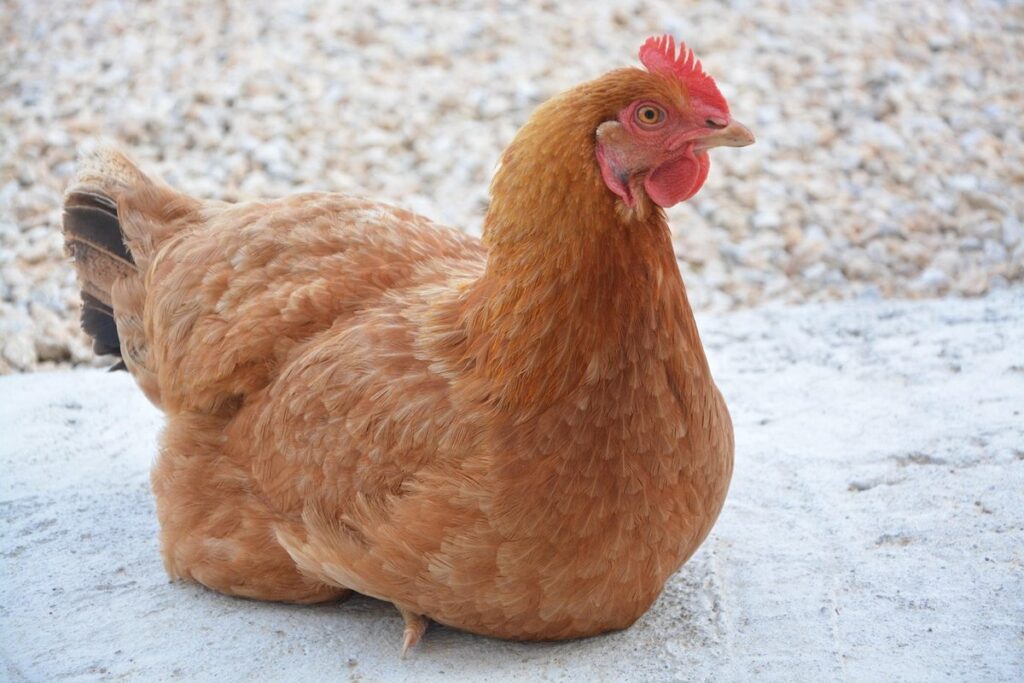
When it comes to building your backyard flock, choosing a breed that’s perfect for your needs is crucial. This section will help you determine which egg-laying breed is right for you and your farm.
Factors to Consider Before Selecting a Breed
When selecting a breed for your backyard flock, there are several key factors to consider before making a decision. First and foremost, think about your climate. Different breeds are suited to various temperatures and humidity levels, so it’s essential to choose a breed that can thrive in your local environment. For example, if you live in a hot and humid region, look for breeds that have a high tolerance for heat, such as the Leghorn or the Rhode Island Red.
Next, consider the space you have available for your flock. Some breeds require more room to roam than others, so it’s crucial to choose a breed that fits within your yard size. If you have limited space, consider smaller breeds like the Bantam or the Silkie. These birds are compact and don’t require as much room to move around.
Finally, think about your personal preferences when it comes to egg production, noise level, and temperament. Some breeds are more docile and quiet than others, while some produce larger eggs. Take the time to research different breeds and their characteristics to find the best fit for you and your family.
Popular Egg-Laying Breeds for Small Spaces
When it comes to choosing egg-laying breeds for small spaces, there are several popular options that thrive in compact areas. For urban backyard flocks, consider the Easter Egger, a cross between an Ameraucana and another breed, which lays an average of 200 large blue eggs per year. Another great option is the Bantam Leghorn, weighing in at just 1.5 pounds, but producing a respectable 280 brown eggs annually.
For smaller spaces, such as patios or balconies, the Silkie is a good choice due to its calm nature and compact size. However, egg production may be lower, averaging around 100-120 eggs per year. The Belgian Bearded d’Anvers is another option for small areas, producing approximately 200 white eggs annually.
When selecting breeds for your backyard flock, consider factors like noise level, temperament, and feather maintenance when choosing the perfect fit for your small space. Ensure you provide adequate space for feeding, watering, and roosting to keep your birds happy and healthy.
Characteristics of Top Egg-Laying Breeds
When it comes to choosing the right breed for your backyard flock, understanding the characteristics of top egg-laying breeds is essential. Let’s take a closer look at the top 5-7 breeds that consistently deliver high-quality eggs.
Rhode Island Reds are one of the most popular breeds among backyard chicken keepers, laying an average of 200-220 large brown eggs per year. They’re known for their friendly and docile nature, making them perfect for families with children. However, they do require regular grooming to prevent matting of their feathers.
Leghorns, on the other hand, are lightweight birds that lay an impressive 280-300 white eggs per year. They’re easy to care for and can thrive in smaller spaces, but may be more prone to flying away if not properly contained.
Barred Rocks are another popular breed, laying around 200-220 brown eggs per year. They’re known for their friendly and energetic personalities, making them a great choice for families who want to interact with their chickens regularly.
Understanding Egg Production Rates and Patterns
When it comes to choosing the perfect chicken breed for your egg-laying needs, understanding their production rates and patterns is crucial. Let’s dive into how to interpret these numbers and find a flock that fits your goals.
Factors Affecting Egg Production
When it comes to egg production, there are several factors that can affect a chicken’s ability to lay eggs. One of the most significant factors is age. Most chickens will start laying eggs at around 18-24 weeks old, but this can vary depending on breed and genetics. For example, some heritage breeds may not reach full production until they’re over two years old.
Nutrition also plays a crucial role in egg production. Chickens need access to a balanced diet that includes protein-rich foods like mealworms or crickets. A lack of essential nutrients can lead to reduced egg production or even egg yolks with weak shells. It’s also essential to provide fresh water at all times, as dehydration can significantly impact egg laying.
Health is another critical factor in egg production. Chickens are prone to diseases and parasites that can reduce their ability to lay eggs. Regular vaccinations and parasite control measures can help prevent these issues. Providing a clean living environment with adequate space to move around is also essential for maintaining good health and promoting egg production.
Average Daily Egg Production by Breed
When it comes to choosing the right breed for your backyard flock, understanding average daily egg production is crucial. Not all breeds are created equal when it comes to laying eggs, and some can produce significantly more than others.
On average, a healthy chicken will lay around 280-300 eggs per year, but this number can vary greatly depending on factors such as nutrition, health, and breed. To give you an idea of what to expect from different breeds, here’s a rough breakdown of the average daily egg production:
* Leghorn: 280-300 eggs per year (around 1 egg per day)
* Rhode Island Red: 200-220 eggs per year (around 0.5-0.6 eggs per day)
* Barred Plymouth Rock: 200-220 eggs per year (around 0.5-0.6 eggs per day)
* Australorp: 180-200 eggs per year (around 0.4-0.5 eggs per day)
* Orpington: 160-180 eggs per year (around 0.3-0.4 eggs per day)
Keep in mind that these numbers are averages, and individual performance may vary depending on many factors. It’s essential to research the specific breed you’re interested in and consider factors such as nutrition, health, and management practices to get the best results.
How to Maximize Egg Production in Your Flock
To maximize egg production in your flock, it’s essential to focus on providing a balanced and nutritious diet. A layer-specific feed should be available at all times, supplemented with fresh fruits and vegetables daily. Consider also adding oyster shells or crushed eggshells to their diet as a source of calcium.
Adequate space is another crucial factor in boosting egg production. Ensure each bird has enough room to move around comfortably, with about 3-4 square feet per bird inside the coop and 8-10 square feet outside in the run. Proper ventilation and adequate lighting will also contribute to a healthy environment.
Managing stress levels within your flock is vital for maintaining high egg production rates. Limit noise levels, provide dust baths and shallow water pools for relaxation, and maintain a clean living space to prevent diseases. Monitor temperature fluctuations and ensure access to fresh air and sunlight during the day. Regular health checks and vaccinations will also minimize health risks associated with stress.
Some breeds are naturally more tolerant of confinement and management practices than others. Research your specific breed’s needs and adjust accordingly.
Health Considerations for Egg-Laying Chickens
When it comes to raising egg-laying chickens, their health is crucial to a steady supply of fresh eggs. In this section, we’ll discuss key factors that impact their well-being and egg production.
Common Health Issues Affecting Egg-Laying Breeds
When it comes to egg-laying breeds, there are several common health issues that can impact their ability to lay eggs. Respiratory problems are one of the most prevalent issues affecting chickens, particularly those living in crowded or poorly ventilated conditions. Bacterial and viral infections such as pneumonia, bronchitis, and air sac mites can cause significant discomfort and reduce egg production.
Internal parasites like coccidiosis and intestinal worms can also have a devastating impact on a chicken’s health and egg-laying abilities. These pests can be contracted through contaminated feed or water, or by coming into contact with infected droppings. Regular deworming and parasite control measures are essential to prevent infestations.
Other common issues include reproductive problems such as prolapsed vent and egg binding, which can cause significant pain and distress for the bird. To mitigate these risks, it’s crucial to provide a clean, well-ventilated coop with adequate space for your chickens to move around. Regular health checks, vaccinations, and proper nutrition can also help to prevent common health issues affecting egg-laying breeds.
Best Practices for Maintaining a Healthy Flock
Maintaining a healthy flock is crucial for egg-laying chickens to thrive. A robust immune system and preventative measures can help minimize the risk of illnesses. Start by consulting with a veterinarian who specializes in poultry to determine the best vaccination schedule for your flock.
Vaccinations should be administered according to the manufacturer’s instructions, typically within the first few weeks after hatching. Some common vaccinations include Marek’s disease, Newcastle disease, and infectious bronchitis.
To control parasites, ensure your coop is well-ventilated and clean. Remove soiled bedding regularly and maintain a dry environment to prevent moisture buildup. Treat mites, lice, and fleas promptly with the recommended medication.
Disease prevention requires attention to biosecurity measures such as isolating new birds before introducing them to the flock, practicing good hygiene when handling feed and supplies, and disposing of waste properly. Monitor your chickens regularly for signs of illness like lethargy, discharge, or changes in appetite, and consult a veterinarian if you notice any unusual behavior.
Keep accurate records of vaccinations, treatments, and health issues to track the overall health of your flock.
Understanding the Role of Genetics in Egg Production
When it comes to egg-laying chickens, genetics play a significant role in determining their potential. Breeders have been selectively breeding chickens for centuries to improve their egg production, and the results are impressive. For instance, some heritage breeds like the Leghorn can lay up to 300 eggs per year, while commercial layers can produce over 320 eggs annually.
But how do breeders manage to achieve such remarkable numbers? It all comes down to genetics. By selecting for desirable traits, breeders can identify and amplify the genetic factors that contribute to high egg production. This might involve crossing two breeds with strong egg-laying characteristics or introducing new genes from other breeds to boost fertility and hatchability.
As a chicken keeper, you don’t need to be an expert in genetics to reap the benefits of improved egg production. However, understanding the role of genetics can help you make informed decisions when choosing your flock. Look for breeds that have been specifically bred for their high egg-laying potential, such as Australorps or Rhode Island Reds.
Raising Healthy Chicks from Day One
To raise happy and healthy laying hens, it all starts from day one: proper care and nutrition are crucial for their development and future egg-laying success. We’ll share our expert tips on getting it right.
Tips for Raising Healthy Baby Chicks
When bringing home those adorable baby chicks, it’s essential to create an environment that fosters their growth and development. A well-set-up brooder is crucial for this purpose. Ensure the brooder is large enough to accommodate the number of chicks you have, with at least 1-2 square feet per chick. Provide a clean and dry space with adequate ventilation to prevent ammonia buildup from droppings.
Nutrition plays a vital role in developing strong immune systems in young chicks. Start them on a high-quality starter feed specifically formulated for broilers or layers, depending on your long-term goals. Make sure the feed is fresh and free of mold, as this can lead to health issues down the line.
Monitor the chicks’ health closely during their first few weeks, looking out for signs of disease such as labored breathing, lethargy, or loss of appetite. Keep an eye out for any changes in behavior, such as increased vocalization or erratic movement. If you notice anything unusual, consult with a veterinarian experienced in poultry care to ensure prompt treatment and prevent the spread of disease.
How to Introduce New Chickens to Your Flock
When introducing new chickens to your existing flock, it’s essential to do so in a way that minimizes stress and prevents disease transmission. A sudden introduction can lead to chaos and potentially harm your birds.
To integrate new chickens smoothly, start by preparing a quarantine area where the newcomers can stay for at least 30 days before joining the main flock. This will allow you to monitor their health and behavior, ensuring they’re free from diseases that could spread to other birds.
Before releasing them into the main coop, let the new birds get accustomed to the existing chickens’ sounds and smells through a secure barrier, such as chicken wire or netting. You can also exchange nesting boxes, feeding troughs, or toys between coops to facilitate scent exchange.
Once you’re confident the new birds are healthy and relaxed, it’s time for face-to-face introductions. Follow these steps: start by keeping the birds separated but within visual range; then, under close supervision, let them meet in a neutral area with some space to retreat if needed. Reward calm behavior with treats.
Breeding for Success: Tips for Serious Backyard Breeders
As a serious backyard breeder, you’re likely eager to optimize your flock’s egg-laying abilities and create healthier, more productive birds. This section shares valuable tips on selecting the best breeds for success.
Understanding the Basics of Chicken Genetics
When it comes to breeding chickens for success, understanding the basics of chicken genetics is crucial. Genetics play a significant role in determining an individual bird’s characteristics, such as egg-laying ability, feather type, and growth rate. To grasp this concept, let’s dive into the fundamental principles of inheritance patterns and dominance/recessiveness.
Inheritance patterns refer to how traits are passed down from one generation to the next. There are two main types: simple and complex. Simple traits follow a straightforward pattern, where each parent contributes either a dominant or recessive allele (a variant of a gene). For example, the production of white eggs is controlled by a single gene with two alleles – W and w. If an individual has the WW genotype, they will produce white eggs.
The concept of dominance/recessiveness is also vital to understand. Dominant traits mask recessive ones when both are present together. To illustrate this, consider the Bearded Silkie breed. This chicken has a dominant gene for its unique appearance, which masks any potential recessive genes from other breeds.
To put these principles into practice, backyard breeders can start by creating breeding pairs with desirable characteristics and monitoring their offspring’s traits. By understanding inheritance patterns and dominance/recessiveness, you’ll be better equipped to predict the outcome of your breeding program and make informed decisions about which birds to pair together.
Selective Breeding Strategies for Improving Egg Production
As you work towards improving egg production in your backyard flock, experienced breeders use selective breeding strategies to select for desirable traits. This involves careful selection of breeding stock that exhibits the characteristics you want to pass on to future generations.
To start, identify the key traits you’re looking for: high egg production, strong fertility, and overall health. Then, examine the birds in your flock, taking note of which individuals are producing well and consistently laying eggs. Next, use a system such as “pedigree breeding” where you keep track of family relationships among your flock members to pinpoint potential breeders.
Consider factors like growth rate, egg size, and temperament when making selection decisions. You can also use techniques like “linebreeding,” which involves breeding birds from the same bloodline to enhance desirable traits without introducing new genetic variations that might be detrimental.
When selecting breeding stock, prioritize genetic diversity by choosing individuals with a mix of desirable traits. This will help ensure the health and robustness of your flock for generations to come.
Conclusion: Building a Thriving Backyard Flock
Now that you’ve chosen your perfect laying hens, let’s talk about how to build a thriving backyard flock that will keep you in eggs for years to come. With these tips, you’ll be well on your way to egg-cellence!
Recap of Key Takeaways
As you’ve made it to the end of our journey on choosing the best chicken breeds for laying eggs, let’s recap the key takeaways from this article. We’ve covered a range of crucial factors to consider when selecting the right breed for your backyard flock.
First and foremost, determining your climate and available space will significantly impact which breed is suitable for you. For instance, heat-tolerant breeds like Leghorns or Australorps are ideal for warmer climates, whereas cold-hardy breeds such as Barred Rocks or Wyandottes thrive in colder temperatures.
Additionally, it’s essential to consider the egg-laying capacity and frequency of your chosen breed. If you’re looking for an abundance of eggs on a regular basis, breeds like Leghorns, Rhode Island Reds, or Golden Comets are top-notch choices. Conversely, if you don’t mind fewer but larger eggs, breeds such as Orpingtons or Sussex might be more suitable.
To maintain a healthy flock, remember to provide adequate nutrition, clean living conditions, and access to fresh water. Be sure to also prioritize flock dynamics by introducing multiple birds at once to prevent territorial behavior. Finally, make sure to regularly inspect your hens’ health and productivity, adjusting care accordingly as needed.
Lastly, don’t underestimate the significance of genetic diversity within your flock. Including multiple breeds can lead to a more robust immune system and better disease resistance. While this might initially seem overwhelming, it’s actually simpler than you think – just plan ahead by selecting compatible breeds that will complement each other in terms of temperament and space requirements.
By applying these key takeaways, you’ll be well on your way to establishing a thriving backyard flock that meets all your egg-laying needs while providing endless joy and entertainment for the whole family.
Frequently Asked Questions
Can I mix and match breeds to create a flock with diverse egg-laying abilities?
When creating a backyard flock, you can experiment with mixing different breeds to optimize egg production. However, it’s essential to consider compatibility, temperament, and climate tolerance when selecting breeds for your coop. Research individual breed requirements and needs before introducing new chickens to ensure harmonious coexistence.
How often should I collect eggs to prevent breakage and maintain a clean coop?
Regular egg collection is crucial to maintaining a healthy and efficient flock. Aim to collect eggs at least twice daily, taking care not to disturb the hens in their nesting boxes. Remove broken or dirty eggs immediately to avoid attracting pests and promote cleanliness within your coop.
What’s the ideal ratio of hens to roosters for maximizing egg production?
Aim for a minimum of 5-7 hens per 1 rooster, as this allows for efficient mating while minimizing aggression among males. Keep in mind that excessive rooster presence can lead to stress and decreased egg production.
How do I handle egg-laying breeds with different laying cycles or patterns?
Breeds like Leghorns and Australorps tend to have consistent laying cycles, whereas others, such as Orpingtons, may experience slower but longer-lasting production. Adapt your management strategies according to breed characteristics, monitoring individual hens’ performance and adjusting feeding schedules, lighting, or other factors as needed.
Can I expect a noticeable increase in egg production if I switch from a low-producing breed to one known for its high output?
Yes, switching breeds can significantly impact overall flock productivity. However, it’s essential to consider factors like age, nutrition, health, and climate when evaluating changes in egg production. Gradually introduce new breeds or adjust existing management practices to optimize results.