
If you’re like many backyard chicken keepers, you’ve likely experienced the stress of predators threatening your flock. From foxes to coyotes, there are plenty of critters that see chickens as an easy meal. But did you know that with the right guard animals, you can create a safer and more secure environment for your birds? In this expert guide, we’ll explore the top guard animals for chickens that can help protect your flock from predators. We’ll cover how to choose the best guard animal for your farm or backyard, as well as provide tips on caring for them so they remain healthy and effective. Whether you’re a seasoned chicken keeper or just starting out, this article will give you the knowledge you need to create a safe haven for your chickens.
Choosing the Right Breed
When it comes to choosing a guard animal for your chickens, you’ll want to select a breed that fits your lifestyle and provides the best protection. Let’s explore some popular options.
Considerations for Temperament
When choosing a breed as a guard animal for your chickens, it’s essential to consider their temperament. You’ll want to select an animal that is naturally protective and alert, yet also even-tempered enough not to become aggressive towards people or other pets.
Some breeds are more high-strung and energetic than others, which can be beneficial for active chicken keepers who need a breed that will stay on the move. However, if you’re looking for a more laid-back guard animal, you may want to consider breeds with lower energy levels. Aggression is also a key factor – while some breeds are naturally defensive of their territory, others can become overly aggressive when provoked.
When evaluating a breed’s temperament, look for characteristics like alertness, responsiveness, and natural guarding instincts. Ask yourself whether the breed is more likely to chase off predators or stand its ground. A good guard animal will be watchful but not overly aggressive, striking a balance between protection and docility. By choosing a breed with the right temperament, you can ensure your flock is safe and secure.
Popular Guard Animal Breeds
When it comes to choosing a guard animal for your chickens, several breeds stand out for their exceptional guarding abilities. Some of the most popular guard animal breeds include Great Danes, Kangal Dogs, and Maremmas.
Great Danes are known for their gentle giant nature, but don’t let their size fool you – they’re fiercely protective of their flock. With proper training, they can be an excellent choice as a guard animal, alerting you to potential threats with a loud bark.
Kangal Dogs, hailing from Turkey, have been bred specifically for guarding livestock and are naturally suspicious of strangers. Their strong instincts make them an ideal breed for farms or homesteads with large chicken flocks.
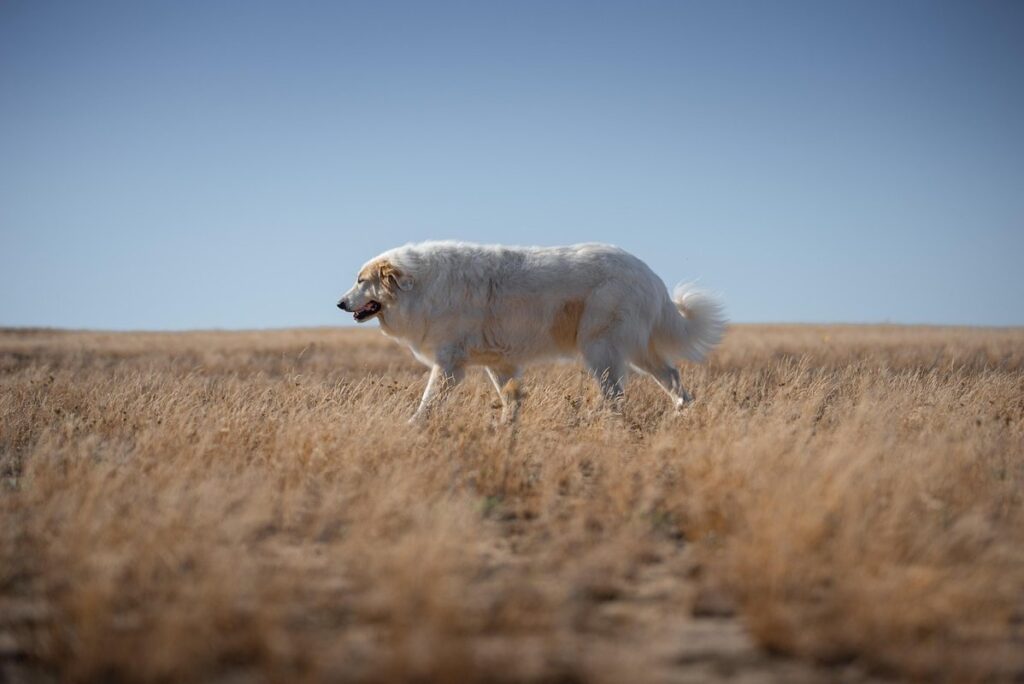
Maremmas, originating in Italy, are highly intelligent and trainable dogs that excel at protecting their territory. They’re also known for their loyalty to their human family members and can form close bonds with the flock they’re guarding.
Breed-Specific Requirements
When selecting a breed to guard your chickens, it’s essential to consider their specific requirements. Each breed has unique housing needs that must be met to ensure they thrive and perform optimally.
For example, some breeds like the Maremma Italian Sheepdog require large, secure enclosures with enough space to roam and exercise. On the other hand, smaller breeds such as the Miniature Donkey may suffice with a smaller, well-fenced area.
Diet is another crucial aspect to consider. Some guard animals are grazers and will do well on a diet of high-quality hay and grass, while others require more substantial feeding.
Health needs also vary between breeds. Regular vaccinations and parasite control measures may be necessary for some breeds, but not all. It’s essential to research the specific health requirements for your chosen breed to ensure their well-being.
To meet these demands, it’s vital to create a suitable environment that caters to each breed’s unique needs. This includes providing adequate shelter, water, and a nutritious diet. By doing so, you’ll be able to keep your chickens safe while also ensuring the health and happiness of your guard animal.
Understanding Guard Animal Functionality
Guard animals play a vital role in protecting your flock, but understanding their behavior and instincts is crucial to their effectiveness. Let’s break down how guard animals function to keep your chickens safe.
Roles and Responsibilities
When it comes to choosing the right guard animal for your flock, understanding their roles and responsibilities is crucial. The primary function of a guard animal is to detect potential threats, alerting you and other animals in the vicinity to take action.
Upon detecting danger, the guard animal’s first role is to sound an alarm – literally or figuratively. Whether it’s barking loudly, hissing, or making other high-pitched sounds, their job is to raise awareness of a predator’s presence. This alert system allows you time to intervene and prevent potential harm to your chickens.
Once alerted, the guard animal’s next responsibility is defense. Depending on its breed, size, and temperament, it may take on an active role in chasing off predators or stand firm to deter them from approaching further. A well-bred guard animal will instinctively know when to engage and when to retreat – keeping your flock safe while minimizing potential risks.
In many cases, a guard animal’s effectiveness lies not only in its physical prowess but also in its ability to alert you of impending danger. By paying attention to their behavior and cues, you can take prompt action to protect your flock.
Communication and Socialization
When it comes to using guard animals effectively on your property, communication and socialization are crucial aspects to consider. Effective communication between guard animals and other animals is vital to prevent conflicts and ensure a harmonious living environment.
To establish effective communication, introduce the guard animal to the rest of the flock gradually and under controlled circumstances. Start by keeping them in separate enclosures with a barrier that allows visual contact but prevents direct interaction. This will enable them to become familiar with each other’s presence and sounds without feeling threatened or territorial.
Socialization is also essential from an early age, particularly when it comes to interacting with chickens. Introduce guard animals to baby chicks as soon as possible, allowing them to bond and develop a sense of trust. By doing so, you’ll minimize the likelihood of aggression and create a more harmonious relationship between your chickens and guard animals.
It’s also essential to recognize body language cues in both guard animals and chickens, such as postures, vocalizations, or changes in appetite, which can indicate stress or tension. Be prepared to intervene if necessary by separating them temporarily until they calm down. With patience and proper introduction, you can create a stable and peaceful coexistence between your guard animals and chickens.
Training and Ongoing Care
Training and ongoing care are crucial aspects of integrating guard animals into your chicken-keeping routine. A well-trained and cared-for guard animal can provide top-notch protection for your flock, but neglecting their needs can lead to decreased effectiveness and even aggression towards the very birds they’re meant to protect.
Regular exercise is essential for any guard animal, whether it’s a dog, donkey, or other species. Provide at least 30 minutes of physical activity daily, such as walks, runs, or playtime in a securely fenced area. This not only keeps them physically fit but also mentally stimulated. For example, you can train your guard animal to participate in agility courses or scent games.
In addition to exercise, mental stimulation is vital for guard animals. Engage their natural instincts by providing adequate space to roam and explore. Rotate toys and activities regularly to prevent boredom. You can also incorporate obedience training to strengthen the bond between you and your guard animal, ensuring they respond promptly to commands in emergency situations.
Creating a Safe Environment
When creating a safe environment for your flock, choosing the right guard animal is crucial. This section will explore the essential steps to integrate a guard animal into your backyard chicken setup seamlessly.
Enclosure Design and Layout
When designing an enclosure that houses both chickens and guard animals, it’s essential to consider their specific needs and safety requirements. The layout should prioritize the well-being of both species while ensuring they can interact effectively.
Firstly, ensure the enclosure has sufficient space for both chickens and guard animals to move around comfortably. A good rule of thumb is to provide at least 2-3 square feet per chicken and a similar amount of space per guard animal. This will prevent overcrowding and stress among the birds.
When planning the layout, consider separating areas for rest, feeding, and exercise to prevent competition and reduce stress levels. For example, you can create a separate “chicken run” area where chickens can roam freely, while the guard animals have their own designated space.
Additionally, incorporate adequate shelter and hiding spots within the enclosure to provide both species with a sense of security. You may also want to install a secure entrance and exit system that allows you to manage access to the enclosure while preventing escape attempts.
Predator Deterrents and Barriers
When it comes to protecting your flock from predators, deterrents and barriers can be a crucial part of your defense strategy. A well-designed fencing system and physical barriers can help prevent predators like foxes, coyotes, and raccoons from getting close to your chickens.
One popular option for fencing is electric netting, which is effective against small to medium-sized predators. This type of fencing is lightweight, easy to set up, and can be moved around as needed. For larger predators, a sturdy wooden or metal fence with openings no smaller than 3 feet wide by 6 feet tall can provide adequate protection.
Physical barriers like hot pepper sprays, predator-deterrent granules, and motion-activated sprinklers can also be used to scare off predators. These deterrents are non-toxic and environmentally friendly, making them a great option for backyard chicken keepers. By combining these deterrents with a good guard animal, you’ll have a multi-layered defense system that will help keep your flock safe from predators.
Health and Hygiene Practices
When introducing guard animals to your chicken flock, it’s essential to consider their health and hygiene practices. This includes not only the chickens but also the guard animals themselves. Vaccinations are crucial for both species to prevent diseases such as Newcastle disease, Marek’s disease, and fowl pox.
Regular parasite control is also vital, especially in areas with high tick or lice populations. Use diatomaceous earth or permethrin sprays on your chickens’ coops and guard animals’ living areas to keep parasites under control. Additionally, ensure that both species have access to clean water at all times.
Proper waste management is another key aspect of maintaining a healthy environment for both the guard animals and chickens. This includes regular cleaning of their enclosures, proper disposal of animal waste, and maintaining a clean feeding area. Consider implementing a composting system to reduce waste and create nutrient-rich fertilizer for your garden.
Introducing Guard Animals to Your Flock
When introducing guard animals to your flock, it’s essential to consider their temperament and compatibility with your chickens. Choosing the right guard animal is crucial for a harmonious farm environment.
Initial Introduction and Monitoring
When introducing a new guard animal to your flock, it’s essential to do so slowly and under close supervision. This allows you to monitor their behavior and interactions with the chickens, ensuring a smooth transition.
Begin by keeping the guard animal separated from the flock at first, allowing them to get used to each other’s scents and sounds without any immediate contact. As they become more comfortable with each other’s presence, start introducing short periods of visual supervision, where you let them see each other but still keep them apart.
Once you feel confident that both animals are calm and relaxed around each other, it’s time for the first face-to-face encounter. Start by having the guard animal in a secure enclosure while allowing the chickens to explore freely. If everything goes smoothly, gradually increase their interaction time under close supervision.
Remember, every situation is unique, so be prepared to adjust your approach as needed. Pay attention to body language and behavior, intervening promptly if you notice any signs of aggression or stress. With patience and careful monitoring, a harmonious relationship between the guard animal and flock can develop over time.
Gradual Integration and Training
When introducing guard animals to an existing flock, it’s essential to do so gradually to ensure a smooth transition and minimize stress on both the animals. A sudden introduction can lead to conflicts, injuries, or even the rejection of one or more animals by the flock.
To integrate guard animals successfully, start by keeping them in a separate enclosure near the flock’s living area. This will allow them to become familiar with each other’s scents and sounds without the risk of immediate confrontation. Once they appear comfortable with each other’s presence, it’s time for supervised introductions.
Begin with visual introductions, where both groups are kept in the same room but separated by a barrier. Gradually increase their face-to-face interactions over several days or weeks, monitoring their behavior and body language closely. If you notice any signs of aggression, such as raised hackles or growling, intervene promptly to prevent escalation.
During the integration process, provide each animal with its own food, water, and shelter to avoid competition for resources. Be patient and flexible; every flock is unique, and some may require more time than others to adjust to new guard animals. With careful planning and execution, your flock will thrive under the watchful eyes of their new protectors.
Managing Guard Animal-Related Risks
Now that you’ve chosen the perfect guard animal for your flock, let’s talk about how to manage the potential risks they bring, from safety considerations to disease transmission prevention.
Understanding Liability and Insurance Options
When using guard animals on your property to protect your chickens, it’s essential to consider liability and insurance options. This is because guard animals can pose a risk not only to predators but also to humans, including neighbors, visitors, and even family members.
In the event of an attack or injury caused by a guard animal, you may be held liable for damages. To mitigate this risk, it’s crucial to have adequate insurance coverage. Consider purchasing liability insurance that specifically covers animal-related incidents. This type of insurance can help protect your assets in case someone is injured or killed by one of your guard animals.
Before bringing a guard animal onto your property, research the specific breed and its temperament to ensure it’s suitable for protecting chickens while minimizing the risk of injury to humans. You may also want to consult with a lawyer or insurance expert to discuss the best liability and insurance options for your situation.
Best Practices for Record Keeping
When it comes to managing guard animal-related risks, accurate record keeping is crucial for monitoring the health, behavior, and performance of both your guard animals and chickens. This not only helps you identify potential issues early on but also enables you to make informed decisions about feeding, vaccinations, and veterinary care.
A key aspect of record keeping is tracking the vaccination history of both your guard animals and chickens. Make sure to keep a separate log for each animal, including dates, types of vaccinations administered, and any adverse reactions that may have occurred. Additionally, monitor your guard animals’ weight, appetite, and overall behavior on a regular basis. This can help you identify potential health issues before they become serious.
It’s also essential to document any incidents involving predators or attacks on your flock. Take note of the date, time, and location of each incident, as well as any measures taken to prevent future occurrences. By maintaining accurate and detailed records, you’ll be better equipped to anticipate and respond to potential threats, ensuring a safe and healthy environment for both your guard animals and chickens.
For example, consider implementing a simple spreadsheet or digital note-taking system where you can track daily observations, vaccination schedules, and incident reports in one place. This will save you time and effort in the long run while also providing valuable insights into your operation.
Frequently Asked Questions
What if my guard animal is injured or falls ill?
If your guard animal becomes injured or ill, it’s essential to provide immediate veterinary care to ensure their health and effectiveness as a protector for your chickens. Regular check-ups with a veterinarian can also help prevent health issues and identify potential problems early on.
Can I train a different breed of dog to be a guard animal instead of one specifically bred for the job?
While any dog can potentially become a guard animal, breeds that are naturally protective and alert tend to perform better in this role. However, with proper training, socialization, and care, you can still teach other breeds to defend your flock. Research the specific needs of your chosen breed and seek professional guidance from a trainer or behaviorist.
How do I introduce multiple guard animals to each other?
When introducing multiple guard animals to each other, it’s crucial to do so gradually and under controlled circumstances. Start by keeping them separated and allowing them to become familiar with each other’s scents and sounds before slowly introducing them to the same enclosure. Monitor their behavior closely during this process, and be prepared for potential conflicts.
What if I live in an area with extreme weather conditions or harsh terrain?
Guard animals can adapt to various environments, but it’s essential to consider factors like climate, terrain, and access to resources when selecting a breed. Research breeds that are well-suited to your local conditions, provide adequate shelter and care for your guard animal, and ensure they have access to clean water and nutritious food.
Can I use multiple types of guard animals together?
Using multiple types of guard animals can create an effective and layered defense system for your flock. For example, combining a dog with a donkey or goose can provide both territorial protection and early warning systems against predators. However, ensure that you understand the individual needs and temperaments of each animal before introducing them to the same environment.