
Are you tired of worrying about predators sneaking into your chicken coop? As any backyard farmer knows, safeguarding our feathered friends is crucial to maintaining a healthy and thriving flock. But with so many breeds to choose from, selecting the right livestock guardian dog (LGD) for chickens can be overwhelming. That’s why we’re here to help! In this article, we’ll explore the top breeds of LGDs that are perfect for chicken protection, including their temperament, training requirements, and essential health considerations. We’ll also cover the key factors to consider when introducing an LGD to your farm or homestead. From Great Pyrenees to Akbash dogs, discover how these incredible animals can become a valuable addition to your poultry-keeping routine.
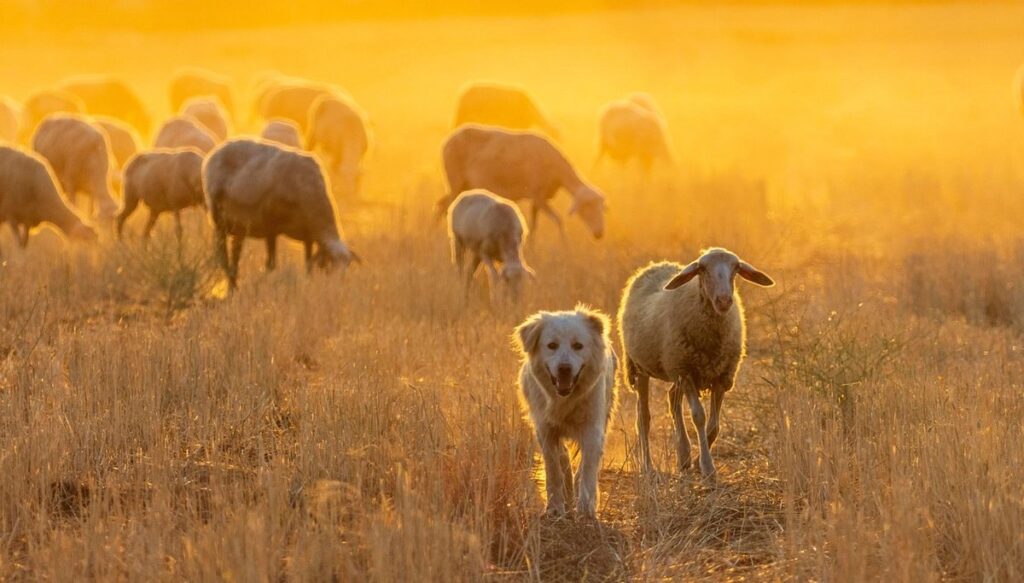
Choosing the Right Breed
When it comes to selecting a loyal guardian for your flock, choosing the right breed is crucial. Let’s explore some key factors to consider when making this important decision.
Evaluating Temperament and Instinct
When evaluating potential livestock guardian dog breeds to protect your chicken flock, temperament and instinct are crucial characteristics to consider. Courage is a fundamental trait for an LGD, as they must be willing to confront predators that threaten their charges. Loyalty is also essential, as these dogs must form strong bonds with the animals in their care.
A protective instinct is another key characteristic of an effective LGD. They should be naturally inclined to defend and guard against potential threats, without being overly aggressive towards people or other non-threatening animals. For example, the Maremma sheepdog is known for its impressive size and fearless demeanor, making it a popular choice for protecting chicken flocks.
When selecting an LGD breed, look for characteristics such as a strong prey drive and high energy levels, which indicate that they will be motivated to defend their territory against predators. Additionally, consider breeds with a natural guarding instinct, such as the Akbash dog or Kangal Dog, which have been bred specifically for centuries to protect livestock from wolves and other threats.
Ultimately, it’s essential to choose an LGD breed that is well-suited to your specific needs and circumstances, taking into account factors like climate, terrain, and the size of your flock.
Considering Size and Energy Level
When choosing an LGD breed to protect your chickens, it’s essential to consider its size and energy level. A dog that’s too small might not be able to deter predators, while a high-energy dog may become overly aggressive or exhausting to manage.
A large farm with extensive pastureland requires a robust LGD breed with a strong work ethic, such as the Great Pyrenees or Maremma. These breeds can cover vast distances and maintain vigilance for hours on end. In contrast, smaller farms with limited space might be better suited to shorter-legged breeds like the Akbash or Kangal Dog, which are more agile in confined areas.
Consider your farm’s terrain and climate when selecting an LGD breed. For example, if you live in a rugged, mountainous region, a sturdy breed like the Karakachan will thrive in these conditions. Conversely, a flat, hot landscape might be better suited to a lower-maintenance breed like the Spanish Mastiff.
Ultimately, it’s crucial to match your farm’s needs with the right LGD breed’s size and energy level to ensure effective protection for your chickens.
Popular Breeds for Chicken Protection
If you’re new to raising livestock guardian dogs, choosing a breed that’s specifically suited for chicken protection is crucial. We’ll explore some of the most popular breeds that excel in this role.
Great Pyrenees: A Classic Choice
The Great Pyrenees is one of the most recognizable and respected breeds when it comes to guarding livestock. Originating from the Pyrenees Mountains between France and Spain, this majestic breed has been tasked with protecting sheep for centuries. Their calm and gentle nature makes them an ideal choice for farmers who want a dog that can safeguard their flock without being overly aggressive.
One of the key strengths of the Great Pyrenees is its strong instinct to defend against predators. With a keen sense of smell and hearing, they can detect potential threats from afar, allowing them to respond quickly and effectively. Their size – typically weighing between 85-115 pounds – also makes them an intimidating presence to any would-be intruders.
However, the Great Pyrenees does require proper training and socialization to ensure they don’t become too independent or territorial. With consistent care and handling, they can form strong bonds with their human family and effectively protect their flock from threats such as coyotes, foxes, and wild dogs. In fact, many farmers swear by the Great Pyrenees’ ability to ward off even the most persistent predators.
Akbash Dog: A Guardian with Purpose
The Akbash Dog is an ancient breed hailing from Turkey and Iran, bred specifically to protect livestock from predators. As a result, they possess strong instincts as natural guardians, with a keen sense of smell and exceptional vigilance.
These LGDs thrive on the job, often demonstrating unwavering dedication to their flock’s safety. In many cases, Akbash dogs have been known to defend against threats such as wolves, bears, and even thieves attempting to steal valuable livestock.
What sets Akbash dogs apart from other breeds is their adaptability to various environments and climates. Their robust build allows them to thrive in extreme temperatures, making them suitable for both hot and cold regions.
If you’re considering an Akbash dog for your flock’s protection, remember that early socialization is key. Introduce the dog to your chickens gradually, allowing it to learn their unique scents and establish a strong bond with its new charges.
Other Breeds Worth Considering
While our top picks are certainly exceptional, there are other breeds that excel as livestock guardian dogs for chickens too. Let’s take a look at some of these alternatives.
Maremma Sheepdog: A Gentle Guardian
The Maremma Sheepdog is an ancient breed originating from Italy and has been protecting sheep for centuries. Known for its striking appearance and gentle demeanor, this dog is a valuable addition to any farm or homestead with chicken coops. Their temperament makes them excellent livestock guardian dogs, as they are naturally alert and watchful, always ready to defend against potential threats.
Maremmas have an impressive history of safeguarding flocks from predators such as coyotes, wolves, and bears. They possess a strong prey drive but are not aggressive towards humans or other animals unless provoked. This unique trait allows them to effectively chase off predators while keeping the flock calm and secure.
Their protective instincts make Maremmas excellent guardians for chickens, particularly those that are vulnerable to predator attacks. By introducing this breed into your farm, you can ensure a safe environment for your birds to thrive. With proper training and socialization, Maremmas will bond with their flock members and become dedicated sentinels, alerting owners of potential threats in time to take action.
If you’re considering adding a livestock guardian dog to your flock, the Maremma Sheepdog is definitely worth considering.
Anatolian Shepherd Dog: A Dedicated Protector
The Anatolian Shepherd Dog is an ancient breed that has been guarding livestock for centuries. Its loyalty and protective instincts make it a dedicated protector of chickens and other farm animals. One of its key characteristics is its independent nature, which allows it to think on its own and respond quickly to potential threats.
Anatolians are naturally suspicious of strangers, making them excellent watchdogs. They are also highly intelligent and trainable, but can be stubborn at times. This breed requires early socialization and consistent training from an experienced owner. With proper care, they thrive in open spaces and can live for up to 12-15 years.
As a guardian breed, Anatolians excel at detecting and responding to predators such as coyotes, bears, and wild dogs. They are not aggressive by nature but will fiercely defend their flock when necessary. If you’re considering an Anatolian Shepherd Dog as your livestock guardian, be prepared for a long-term commitment and plenty of exercise – they require regular activity to stay happy and healthy.
In areas with large open spaces, an Anatolian can roam freely alongside your chickens, providing 24/7 protection without the need for fencing or enclosures. However, in smaller areas, it’s essential to provide adequate shelter and space for them to move around. With its unique blend of loyalty and independence, the Anatolian Shepherd Dog is a top choice for those seeking a dedicated livestock guardian.
Training and Socialization Essentials
Now that you have your ideal LGD breed, it’s time to focus on training and socialization to ensure a smooth relationship between them and your flock. Effective training sets the foundation for a harmonious household.
Basic Obedience and Socialization
When it comes to preparing a livestock guardian dog (LGD) for protecting chickens, basic obedience training and socialization are crucial components. A well-trained LGD is more effective at fending off predators and ensuring the safety of your flock.
Basic obedience training involves teaching your LGD to respond to fundamental commands such as “sit,” “stay,” and “come.” Positive reinforcement techniques like reward-based training and clicker training can be particularly effective in encouraging good behavior. For example, you can use treats or praise to reinforce desired actions, rather than relying on punishment or correction.
Socialization is also vital for an LGD’s success. Socializing your dog involves exposing them to various environments, people, and situations to help them become confident and calm in new surroundings. This could include introducing them to other animals, children, and even loud noises like thunderstorms. By socializing your LGD early on, you’ll be better equipped to handle any unexpected events that may arise when protecting your chickens.
When socializing your LGD, remember to keep the process gradual and controlled, allowing your dog to become comfortable with each new experience at their own pace.
Acclimating to Chickens and Farm Life
When introducing an LGD to your farm, it’s essential to acclimate them to the presence of chickens and farm life. Start by allowing the dog to explore their new surroundings without any pressure or expectations. Begin with a secure area, such as a fenced paddock, where they can become familiar with the sights and sounds of the farm.
Next, introduce the dog to the chickens in a controlled manner. This might involve starting with visual introductions, such as allowing them to sniff each other through a fence or gate. Gradually increase their interaction time under close supervision. Be patient, as LGDs may take time to adjust to the new flock dynamics.
Introducing dogs to new environments can be challenging. To mitigate this, consider bringing your dog to the farm before introducing chickens. Allow them to explore and get accustomed to the layout, sounds, and smells of the property. This will help reduce stress and make their transition smoother.
Health Considerations and Care
When introducing a new LGD to your flock, it’s essential to consider their specific health needs and how they’ll interact with your chickens, including vaccinations and parasite control.
Common Health Issues in LGDs
As you consider bringing an LGD into your flock’s protection, it’s essential to be aware of the common health issues that can affect these breeds. Unfortunately, many LGDs are prone to certain conditions due to their size and lineage.
Hip dysplasia is a significant concern for large breed dogs like Great Pyrenees and Maremmas. This genetic condition causes the hip joint to malform, leading to arthritis, mobility issues, and chronic pain. Regular exercise and maintaining a healthy weight can help alleviate symptoms, but surgery may be necessary in severe cases.
Eye problems are another common issue in LGDs, particularly cataracts and progressive retinal atrophy. Genetics play a significant role, so it’s crucial to work with reputable breeders who prioritize eye health. Regular veterinary check-ups and monitoring for signs of vision loss can help manage these conditions. By being proactive and taking steps to prevent or mitigate these issues, you can ensure your LGD stays healthy and continues to safeguard your flock effectively.
Nutrition and Exercise Needs
When it comes to ensuring the optimal health and performance of your livestock guardian dog (LGD) breeds, their nutrition plays a crucial role. LGD breeds require a specific diet that meets their unique needs as working animals. A good quality protein source is essential for maintaining muscle mass and overall health. Dogs like the Great Pyrenees and Maremma Sheepdog thrive on a diet rich in lean meats such as chicken, beef, or fish.
It’s also important to consider the energy needs of your LGD. As active working dogs, they require a balanced amount of calories to maintain their strength and endurance. A general rule of thumb is to feed them 2-3% of their body weight daily, depending on age and activity level. For example, if you have an adult Great Pyrenees weighing around 100 pounds, you would need to feed them about 2000-3000 calories per day.
A well-balanced diet also includes essential vitamins and minerals such as omega-3 fatty acids for skin and coat health, vitamin D for bone growth, and calcium for strong teeth and bones. Be sure to consult with a veterinarian or canine nutritionist to determine the best diet plan for your LGD breed, as their nutritional needs may vary depending on factors like age, size, and climate.
Conclusion: Choosing the Best Breed for Your Flock
Now that you’ve learned about the top breeds and characteristics of livestock guardian dogs, it’s time to apply this knowledge to your specific needs. Let’s explore how to choose the best breed for your flock.
Summarizing Key Points
As we conclude our comprehensive guide to the best livestock guardian dogs for chickens, it’s essential to recap the key takeaways and emphasize the importance of selecting the right breed for your flock. Choosing an effective livestock guardian dog requires careful consideration of several factors, including breed selection and proper care.
Throughout this article, we’ve discussed various breeds that excel as livestock guardian dogs, such as the Great Pyrenees, Akbash, and Komondor. Each of these breeds has its unique characteristics, strengths, and weaknesses, which must be carefully evaluated to determine the best fit for your specific needs. For instance, if you live in a hot climate, the Akbash may be an ideal choice due to its heat tolerance and ability to thrive in warm conditions.
Another crucial aspect of selecting a livestock guardian dog is understanding their role in protecting your flock. These dogs are not simply watchdogs; they are working animals that require regular exercise, training, and socialization to perform effectively. Proper care and management are essential to ensuring these dogs remain vigilant and responsive to potential threats.
To recap, when choosing a livestock guardian dog for your chicken flock, remember to consider the following:
* Breed characteristics: Research the breed’s strengths, weaknesses, and adaptability to your specific climate and environment.
* Care and management: Provide regular exercise, training, and socialization to ensure your livestock guardian dog remains effective in its role.
* Compatibility with your flock: Introduce new dogs gradually and under close supervision to prevent stress and conflict.
By following these guidelines and carefully evaluating your needs, you can select the best breed of livestock guardian dog for your chicken flock. Remember that selecting an effective livestock guardian dog is a long-term investment in the health and well-being of your flock, and it’s worth taking the time to get it right.
Frequently Asked Questions
Can I introduce an LGD to my existing flock without prior training or socialization?
No, introducing a livestock guardian dog (LGD) to your existing flock requires careful planning and preparation. Acclimating the LGD to chickens and farm life, as well as basic obedience and socialization, are essential before bringing them together. This process helps prevent stress and potential conflicts between animals.
How do I know if my LGD is truly protecting my flock from predators?
Monitor your LGD’s behavior closely, especially during peak predator hours (dawn, dusk, and nighttime). Observe their reaction to potential threats like coyotes, foxes, or hawks. A true guardian will demonstrate alertness, courage, and a strong protective instinct when faced with danger.
Can I keep multiple breeds of LGDs together on my farm?
Yes, many farmers successfully keep multiple breeds of LGDs together, as long as they are properly introduced and socialized. However, it’s essential to choose breeds that complement each other in terms of temperament and energy level to avoid conflicts and ensure a harmonious guardian team.
How often should I exercise and provide mental stimulation for my LGD?
Regular exercise is crucial for maintaining your LGD’s physical and mental well-being. Aim for at least 1-2 hours of daily activity, including walks, runs, or playtime. Mental stimulation is also vital; engage your LGD in activities like obedience training, scent work, or interactive games to keep their mind sharp.
What health checks should I perform regularly on my LGD?
Regular health checks are essential for maintaining your LGD’s overall health and detecting potential issues early. Schedule annual check-ups with a veterinarian experienced in livestock guardian dogs. Monitor your dog’s weight, coat condition, eye and ear health, and report any changes or concerns promptly.