
As the temperatures drop and the days get shorter, many backyard chicken enthusiasts worry about their flock’s ability to keep producing eggs. But don’t stress! With the right breeds and care tips, your winter egg-laying chickens can stay healthy and productive even in the coldest months. In this article, we’ll explore the best winter egg-laying chicken breeds that excel in harsh weather conditions, including nutritional requirements and special considerations for keeping them thriving during the winter season.
We’ll also share expert advice on how to keep your flock happy and healthy, from providing adequate shelter and insulation to feeding a balanced diet tailored to their needs. By the end of this article, you’ll be equipped with everything you need to ensure your hens continue laying eggs throughout the winter months, even when the weather is at its worst.
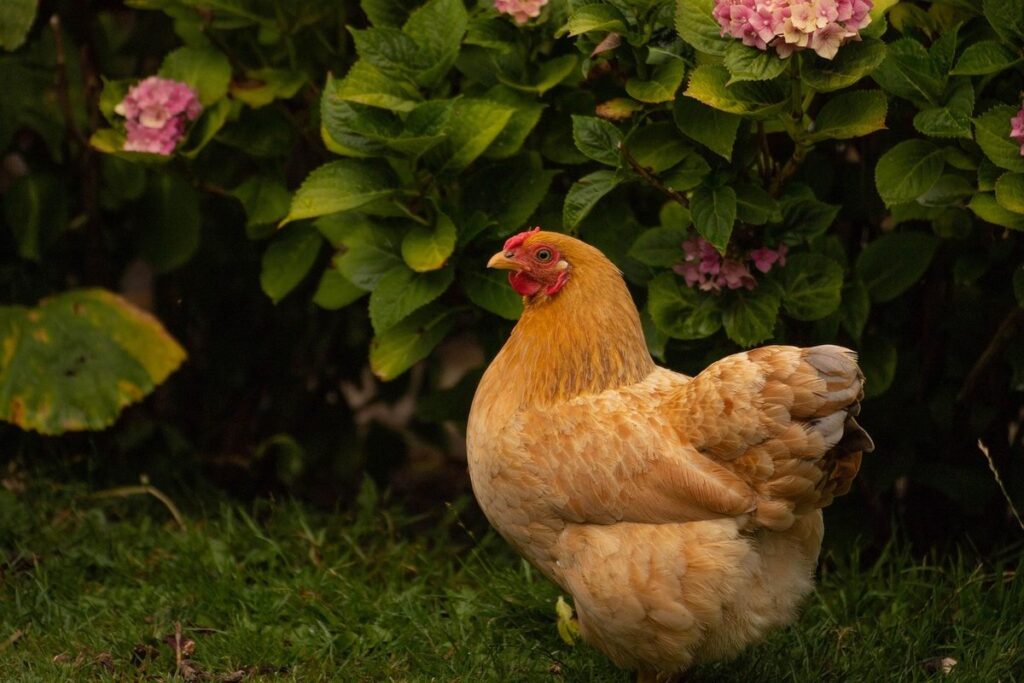
Choosing the Right Breed
When it comes to choosing a cold-hardy breed, consider factors like climate tolerance and egg production rates. Which breeds will thrive in your winter backyard flock?
1. Temperature Tolerance
When it comes to choosing breeds that can withstand cold climates and thrive during winter months, temperature tolerance is a crucial factor. Look for breeds that have originated from regions with harsh winters, such as Russia, Scandinavia, or Canada. These birds are naturally adapted to cope with low temperatures and can continue laying eggs at a rate of around 280-300 per year.
One example of a hardy breed is the Orpington, which is known for its gentle nature and ability to tolerate cold conditions. Another popular choice is the Wyandotte, originating from North America and boasting impressive winter egg-laying abilities.
When selecting breeds, examine their ancestry and characteristics to gauge their tolerance levels. Pay attention to breeds with dense plumage, such as the Brahma or Sussex, which provide extra insulation against freezing temperatures.
By choosing breeds that are naturally adapted to cold climates, you’ll be well-equipped to maintain a thriving flock throughout the winter months. Remember to also consider other factors, like nutrition and shelter, to ensure your birds’ health and productivity.
2. Cold-Hardy Breeds
When it comes to choosing winter egg-laying chickens, their ability to withstand harsh temperatures is a top priority. If you live in an area with cold winters, you’ll want breeds that can thrive in sub-zero conditions while still delivering those fresh eggs. Here are some of the best cold-hardy breeds for your consideration.
* Rhode Island Reds: One of the most popular winter egg-layers, Rhode Island Reds are known for their friendly disposition and robust health. They produce an average of 200-220 brown eggs per year and can tolerate temperatures as low as -20°F (-29°C).
* Barred Plymouth Rocks: Another cold-hardy breed, Barred Plymouth Rocks are energetic and easy to manage. They lay around 200-220 brown eggs annually and have been known to produce well in temperatures down to -15°F (-26°C).
* Australorps: These Australian birds are renowned for their heat tolerance but also do exceptionally well in cold climates. Australorps produce a moderate 180-200 white eggs per year and can handle temperatures as low as -10°F (-23°C).
When selecting from these breeds, consider factors such as your climate, available space, and personal preferences to ensure you choose the best fit for your winter egg-laying needs.
Nutritional Requirements for Winter Egg-Layers
To ensure your winter egg-laying chickens stay healthy and productive, you’ll need to consider their nutritional requirements during the colder months. A balanced diet is crucial for optimal egg production in this season.
1. High-Quality Layer Feed
Providing high-quality layer feed is crucial to support egg production during the winter months. As temperatures drop and daylight hours decrease, chickens require more energy to maintain their bodily functions, making nutrient-rich feed essential for optimal health.
A well-balanced layer feed should contain a mix of protein, calcium, phosphorus, and other vital nutrients that promote eggshell development and overall health. Aim for a feed with at least 16% protein content to support muscle maintenance and egg production. Calcium is another critical component, as it strengthens the eggshell. Ensure the feed contains adequate calcium levels (around 3-4%) to prevent weakened eggshells.
Consider supplementing your layer feed with calcium-rich foods like crushed oyster shells or dark leafy greens. These additions can help bridge any nutritional gaps in commercial feeds and promote stronger eggshells. When selecting a layer feed, read the ingredient list carefully to ensure it’s free from fillers and artificial additives that can compromise nutritional value.
By providing high-quality layer feed, you’ll support your chickens’ overall health and maintain their winter egg-laying performance.
2. Supplementing with Calcium and Vitamin D3
As winter sets in, egg-layers require extra care to maintain strong eggshell formation. This is where calcium and vitamin D3 supplementation come into play. When the days are shorter, and sunlight is scarce, it’s challenging for birds to synthesize enough vitamin D3 naturally. Without adequate amounts of this essential nutrient, your flock may experience weakened eggshells, decreased fertility rates, and even molting issues.
In particular, calcium is a critical component in building strong eggshell walls. A deficiency can lead to cracked or broken eggs, not to mention the financial loss associated with having to replace them. Consider supplementing their feed with crushed oyster shells or limestone, both of which are rich in calcium carbonate. A suggested ratio is 1-2 tablespoons per pound of layer feed.
Another crucial nutrient, vitamin D3, plays a vital role in calcium absorption and utilization. If your flock isn’t getting enough from sunlight exposure (and they’re not), add a supplement to their diet as directed by the manufacturer’s instructions. Be mindful that both under-supplementation and over-supplementation can have negative effects on flocks.
Winter Care and Management Tips
As you transition into the colder months, it’s essential to know how to care for your winter egg-laying chickens to ensure they stay healthy and happy. Let’s dive into some valuable tips on winter care and management.
1. Shelter and Coop Preparation
When it comes to ensuring the health and well-being of your winter egg-laying chickens, their coop is one of the most critical factors. The harsh winter weather can be unforgiving, so you’ll want to take steps to create a sheltered space that protects them from the elements.
Start by inspecting the coop for any gaps or cracks in the walls, floor, and roof. Seal these openings with insulation materials like straw or foam board to prevent cold air and moisture from seeping in. Consider adding an overhang or awning to shield the coop entrance from snow and rain.
Next, prioritize ventilation within the coop. Proper airflow helps regulate temperature and humidity levels, which can otherwise become a breeding ground for disease. Install windows that can be opened for cross-ventilation, and ensure they’re placed high enough above the roosting bars so chickens can’t roost against them.
Proper insulation is also essential to maintain a cozy environment. Add bedding like straw or wood shavings to absorb moisture, and line walls with thermal insulation materials to retain heat.
2. Monitoring Health and Hygiene
As winter sets in, it’s essential to maintain your flock’s health and hygiene to ensure they continue laying eggs at their best. Regular checks for disease symptoms are crucial during this time when chickens are more susceptible to illnesses.
Keep a keen eye out for changes in behavior, such as lethargy, loss of appetite, or difficulty breathing. Also, monitor for visible signs like labored walking, runny eyes, or matted feathers. If you notice any unusual behaviors or symptoms, consult a veterinarian experienced in poultry care immediately.
Maintain the cleanliness of living areas by regularly cleaning and disinfecting feeding and watering stations, as well as nesting boxes. Remove soiled bedding material and replace it with dry, fresh material like straw or wood shavings. Ensure adequate ventilation to prevent ammonia buildup from droppings.
By staying vigilant and proactive in monitoring your flock’s health and hygiene, you’ll help prevent disease outbreaks and keep your hens happy and healthy throughout the winter season.
Maximizing Egg Production in Winter
As winter sets in, maintaining a high egg-laying rate can be challenging; let’s explore some effective strategies to ensure your flock continues producing at its best. We’ll cover the key factors affecting winter egg production and provide tips to boost it.
1. Light-Enhancing Strategies
Increasing daylight hours during winter can be challenging, but there are effective strategies to supplement natural light and boost egg production. One method is to use high-intensity LED grow lights specifically designed for poultry. These lights mimic the sun’s spectrum and can be programmed to simulate a 14-hour day, even in areas with limited natural sunlight.
You can place these lights above or below your chicken run, depending on their design. Ensure they’re at least 12 inches above the birds’ roosting bars to prevent overheating. For smaller flocks, individual nesting box lights are also available and can be placed directly above each box.
Another approach is to use natural light-enhancing techniques, such as keeping your chicken coop‘s windows unobstructed and ensuring adequate ventilation. You can also consider installing skylights or larger windows in the coop’s design. This not only boosts egg production but also improves overall health and well-being for your hens.
Keep in mind that some breeds are more resilient to winter conditions than others, so it’s essential to choose hardy birds like Leghorns, Rhode Island Reds, or Barred Rocks.
2. Maintaining Flock Stress Levels
Winter can be a challenging time for chickens, and elevated stress levels can negatively impact their egg production. To maintain optimal flock health and ensure continued egg-laying success, it’s essential to provide them with stimulating activities that promote mental and physical well-being.
Engage your flock through exercise by creating a winter-friendly run or enclosed area where they can roam freely. You can also try incorporating enrichment toys filled with treats like sunflower seeds or oats. Rotating these toys regularly will keep your chickens intrigued and prevent boredom. Provide scratching posts, climbing structures, or even a small sandbox to allow them to express their natural foraging behavior.
For an added stress-reducing measure, consider implementing a “free-range” period during the winter months when possible. This can be done under close supervision, allowing your flock to graze on fresh grass and experience some sunlight. Even short sessions of 30 minutes to an hour can have a significant impact on reducing stress levels in your chickens.
By incorporating these simple yet effective strategies into your flock management routine, you’ll help maintain their overall well-being and ensure continued egg production throughout the winter months.
Troubleshooting Common Winter Issues
As winter weather sets in, you may encounter some unexpected challenges with your flock’s egg production. This section addresses common issues and provides practical solutions to keep your hens happy and laying eggs through the cold months.
1. Managing Respiratory Problems
As you monitor your flock’s health during the winter months, be on the lookout for signs of respiratory issues. Common problems like bronchitis and pneumonia can affect chickens, especially if they’re exposed to cold temperatures, drafts, or moisture.
To prevent respiratory issues, ensure your coop is well-ventilated but draft-free. Regularly clean the coop by removing any damp bedding and replacing it with dry materials. A temperature range between 40°F and 50°F (4°C and 10°C) is ideal for most chicken breeds.
If you notice symptoms such as coughing, sneezing, or labored breathing in your flock, take immediate action. Treat affected birds with antibiotics under the guidance of a veterinarian, if necessary. Keep an eye on environmental factors like dust levels, ammonia fumes from bedding, and proximity to pollution sources. For example, reducing dust by using wood shavings instead of pine pellets can help minimize respiratory problems.
Maintain a healthy flock through regular check-ups, vaccinations (if required), and good husbandry practices. Consider implementing a winter care plan that includes monitoring temperature fluctuations, humidity levels, and air quality within the coop. By being proactive, you can prevent or mitigate respiratory issues in your flock, ensuring they stay happy and productive throughout the winter season.
2. Addressing Egg Production Decline
If you’ve noticed a decline in egg production from your flock during winter, it’s essential to address this issue promptly. One of the primary causes of reduced egg production is decreased daylight hours, which can disrupt the chicken’s natural breeding cycle. As daylight exposure is crucial for regulating melatonin and testosterone levels, ensuring your chickens receive adequate light during this period will significantly impact their reproductive health.
To restore fertility in your winter flock, consider implementing a few simple strategies. Firstly, ensure they have access to a well-lit coop or enclosure with artificial lighting that mimics natural daylight. A 12-14 hour photoperiod is recommended for optimal egg production. You can also provide additional light sources such as LED bulbs or grow lights in the coop.
By making these adjustments, you should see an improvement in your flock’s fertility levels. Additionally, maintaining a balanced diet and providing adequate calcium supplements will further support their reproductive health and overall well-being.
Conclusion: Successful Winter Egg-Laying
Now that you’ve chosen the perfect winter egg-laying chickens for your flock, it’s time to put their egg-laying abilities to the test. To ensure successful winter egg-laying, make sure to provide your girls with a well-balanced diet rich in calcium and protein. This will help them maintain strong bones and produce high-quality eggs throughout the colder months.
Also, consider investing in a good quality chicken coop or run that can protect your birds from harsh winds and extreme temperatures. A secure and dry space is essential for keeping your hens happy and healthy during winter. With proper care and attention to their needs, you should be rewarded with a steady supply of fresh eggs all year round.
Frequently Asked Questions
Can I mix cold-hardy breeds with temperamental ones, or should I stick to a single breed?
It’s generally recommended to choose breeds that are well-suited to your climate and winter conditions. Mixing cold-hardy breeds with temperamental ones may lead to flock management issues and potentially compromise overall health and productivity.
However, if you have an existing flock of temperamental birds, it might be possible to integrate a few cold-hardy breeds into the group, provided you introduce them gradually and under close supervision. Monitor their behavior and adjust your management strategies accordingly.
How often should I check on my flock during extreme winter weather?
Regular checks are crucial to ensure your hens’ health and well-being during harsh winter conditions. Aim to visit your coop at least twice a day, paying attention to factors such as ventilation, feeding, and water supply. Keep an eye out for signs of distress or disease, and make adjustments to their living environment or diet if needed.
Additionally, consider investing in automated monitoring systems that can alert you to any potential issues, providing extra peace of mind during the coldest months.
Can I reduce my flock’s light requirements during winter, or will it affect egg production?
While reducing light exposure might save energy and resources, it’s essential to maintain a suitable lighting regime for your hens’ productivity. The optimal light period for most breeds is around 14 hours per day, even in the winter months.
However, you can experiment with gradually adjusting their daily light schedule to simulate longer days or use specialized lights that mimic natural daylight. This can help stimulate egg production and improve overall health during periods of low sunlight.
Are there any specific supplements I should provide my hens during winter to ensure they stay healthy?
Providing your flock with a balanced diet is crucial, but specific supplements may be necessary to compensate for the reduced availability of certain nutrients in winter. Calcium and vitamin D3 are particularly important for maintaining strong bones and eggshell health.
Consider adding these supplements to their regular feed or offering them through grits or oyster shells to ensure they’re getting enough calcium-rich foods.
What should I do if my flock’s egg production declines significantly during the winter months?
A decline in egg production can be a normal response to harsh weather conditions, but it may also indicate underlying health issues. Monitor your hens’ behavior and adjust their diet or living environment accordingly.
Consider consulting with a veterinarian or poultry expert for personalized advice on addressing specific challenges within your flock. They can help you identify potential causes and develop targeted strategies to maintain productivity and overall well-being during the winter season.