
Imagine being able to grow healthier crops while reducing your carbon footprint at the same time. It sounds like a dream, but it’s actually a reality thanks to biochar made from chicken manure. This innovative approach to sustainable farming has been gaining attention in recent years, and for good reason. By incorporating biochar into your soil, you can significantly improve its structure and fertility, leading to higher crop yields and better quality produce.
But that’s not all – the process of creating biochar also helps mitigate climate change by reducing greenhouse gas emissions. And as an added bonus, it increases nutrient availability in the soil, making fertilizers a thing of the past. In this article, we’ll dive deeper into the benefits of using biochar with chicken manure and explore how you can start incorporating it into your own farming practices.
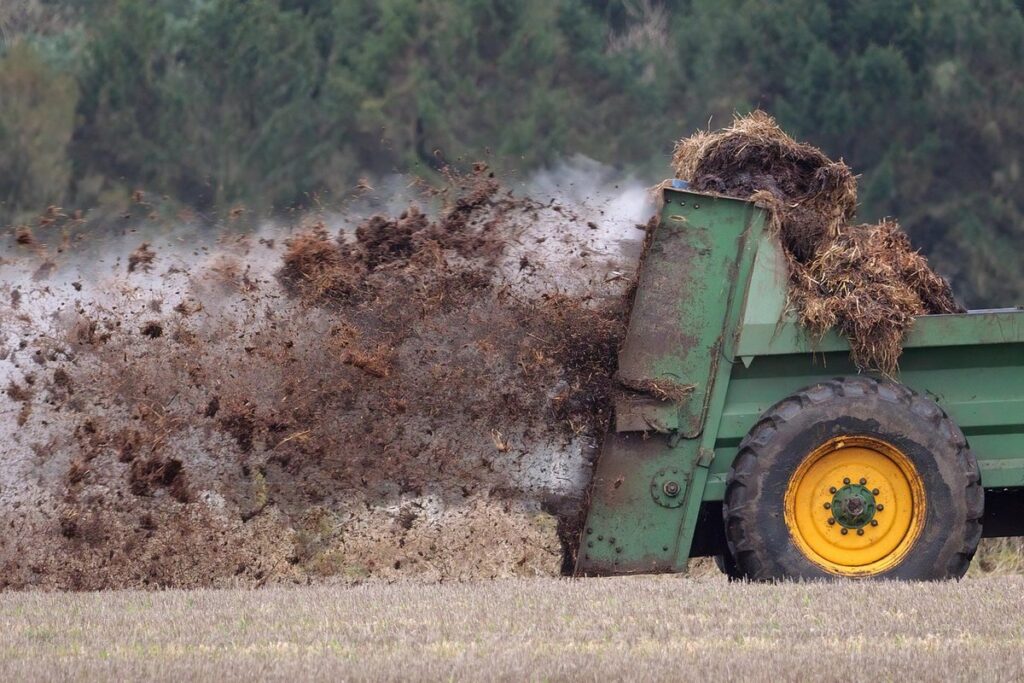
Benefits of Using Biochar with Chicken Manure
Using biochar with chicken manure has numerous benefits, from improving soil fertility to sequestering carbon and reducing greenhouse gas emissions effectively. This section highlights these advantages in detail.
Improving Soil Structure and Water Holding Capacity
One of the most significant benefits of using biochar with chicken manure is its ability to improve soil structure and water holding capacity. This is particularly important for crops that require more water, such as corn and soybeans. When biochar is added to the soil, it acts like a sponge, increasing the soil’s ability to retain moisture and reducing the need for frequent watering.
As a result of this increased water retention, soil aeration also improves. Biochar’s porous structure allows air to penetrate deeper into the soil, promoting healthy root growth and microbial activity. This can lead to a reduction in soil compaction, making it easier for plants to absorb nutrients and water.
To maximize these benefits, it’s essential to mix biochar with chicken manure at the right ratio. A common starting point is a 10:1 or 20:1 ratio of biochar to chicken manure. This blend should be incorporated into the soil before planting, allowing the biochar to work its magic over time. With proper application and maintenance, your crops will thank you with increased yields and improved resilience to droughts.
Enhancing Nutrient Availability and Microbial Activity
Chicken manure is an excellent source of essential nutrients that can significantly enhance soil fertility. Rich in nitrogen (N), phosphorus (P), and potassium (K), it provides a natural boost to plant growth, improving yields and overall crop health. When used as part of a biochar-based composting system, chicken manure’s nutrient-rich properties are maximized.
Not only does the addition of chicken manure provide nutrients for plants, but it also has the potential to stimulate microbial activity in the soil. Microbes play a crucial role in decomposing organic matter and recycling nutrients within the ecosystem. By incorporating chicken manure into your biochar-based system, you create an ideal environment for microbes to thrive.
A key consideration when working with chicken manure is ensuring it is properly processed before application. This can be achieved through composting or anaerobic digestion, which breaks down pathogens and weed seeds while retaining the nutrient-rich properties of the manure.
Reducing Soil Erosion and Increasing Crop Yields
When you combine biochar with chicken manure, not only do you create a nutrient-rich fertilizer, but it also helps mitigate soil erosion and improve crop yields. Soil erosion is a significant issue worldwide, with millions of tons of topsoil lost each year due to improper farming practices.
By incorporating biochar into your chicken manure fertilizer, the resulting mixture improves soil structure and increases water retention capacity. This enables plants to absorb more nutrients and grow stronger roots, making them less susceptible to wind and water erosion. Studies have shown that soils treated with biochar and chicken manure can retain up to 60% more water than untreated soils.
With improved soil fertility and increased water retention, farmers can enjoy higher crop yields without the need for synthetic fertilizers or irrigation systems. To implement this method, consider adding 1-2 tons of biochar per acre to your chicken manure fertilizer blend. Monitor soil moisture levels regularly to optimize application rates, ensuring maximum benefits for both the environment and your crops.
By adopting this approach, you can reduce soil erosion while improving crop yields, contributing to a more sustainable agricultural future. Regularly monitoring soil health will also allow you to identify potential issues early on, making it easier to adjust your methods as needed.
Production Methods for Biochar from Chicken Manure
To produce high-quality biochar from chicken manure, you need to understand various methods that can be used to process and convert waste into a valuable soil amendment. Let’s explore some effective production methods in detail.
Pyrolysis: A High-Temperature Method
Pyrolysis is a high-temperature method that involves heating chicken manure to extremely high temperatures (around 500°C) in the absence of oxygen. This process breaks down the organic matter into its basic components, resulting in a gas, liquid bio-oil, and solid biochar. The quality of biochar produced through pyrolysis is highly dependent on factors such as temperature, heating rate, and residence time.
When done correctly, pyrolysis can be an efficient method for producing high-quality biochar with desirable properties like porosity and surface area. However, achieving optimal conditions requires precise control over the process parameters. For instance, a slower heating rate can produce more reactive biochar, but may also result in lower yields. Conversely, faster heating rates can improve yield but compromise on biochar quality.
To ensure high-quality biochar production through pyrolysis, it’s essential to calibrate your equipment and carefully monitor the process parameters. Research has shown that biochar produced through pyrolysis can have significant benefits for soil fertility and climate change mitigation when applied at optimal rates (typically around 2-5% of soil volume).
Gasification: A Lower-Temperature Alternative
Gasification offers an intriguing lower-temperature alternative to traditional biochar production methods from chicken manure. At its core, gasification involves heating organic matter in the absence of oxygen, resulting in a synthesis gas rich in carbon monoxide and hydrogen. This gas can then be converted into various valuable chemicals or fuels.
While gasification shares some similarities with pyrolysis, it operates at lower temperatures (around 800-1000°C) compared to traditional biochar production methods. This reduced thermal energy requirement makes gasification a more appealing option for certain applications. For instance, small-scale producers might find gasification’s lower equipment costs and simpler operation more manageable.
However, it’s essential to consider the trade-offs. Gasification may not produce the same level of carbon sequestration as traditional biochar methods due to the higher water content in the synthesis gas. Furthermore, gasification often requires additional processing steps to clean and condense the produced gases. This might increase overall production costs and complexity.
To leverage gasification’s benefits while minimizing its drawbacks, producers should carefully assess their operation’s specific needs and limitations. By doing so, they can determine whether gasification is a viable alternative for producing biochar from chicken manure on their scale.
Composting: A Low-Tech Approach to Biochar Production
Composting is an ancient practice that has been gaining attention for its potential to produce high-quality biochar from chicken manure. This low-tech approach not only provides a sustainable solution for soil fertility but also helps mitigate climate change. By composting, you can create a nutrient-rich soil amendment that retains carbon in the soil, reducing greenhouse gas emissions.
To start composting, collect chicken manure and mix it with other organic materials like leaves, grass clippings, or food waste. The ideal mixture is 2/3 “brown” materials (dry leaves, straw) and 1/3 “green” materials (chicken manure, food waste). Maintain a moisture level of about 50-60% by adding water as needed. As the compost pile breaks down, microorganisms will convert the organic matter into humus, which is rich in carbon.
The benefits of using composted biochar from chicken manure include improved soil structure, increased fertility, and enhanced water retention capacity. By adopting this simple method, you can create a sustainable supply of high-quality biochar to support your garden or farm while reducing waste and contributing to climate resilience.
Applications of Biochar with Chicken Manure in Agriculture
Let’s explore some practical ways to use biochar blended with chicken manure to boost crop yields and improve soil health. From composting to mulching, we’ll cover it all.
Crop Yield Improvement and Soil Health
When using biochar with chicken manure, farmers can expect to see significant improvements in crop yields and soil health. The porous structure of biochar acts as a sponge, absorbing and storing nutrients that are then slowly released into the soil as needed by plants. This results in increased water retention capacity, reduced nutrient leaching, and improved fertility. Studies have shown that using biochar with chicken manure can increase crop yields by up to 30% due to its ability to support a balanced microbial ecosystem.
A study conducted in Australia found that adding biochar to soil amended with chicken manure resulted in a significant reduction in greenhouse gas emissions while also improving soil structure and fertility. The combination of biochar and chicken manure provides essential nutrients, increases the cation exchange capacity (CEC) of the soil, and enhances its ability to retain water. This leads to healthier plants, increased productivity, and reduced reliance on synthetic fertilizers. By incorporating this sustainable practice into their operations, farmers can contribute to a more environmentally friendly agriculture system while ensuring long-term soil fertility and crop yields.
Animal Feed and Nutrition
As we explore the applications of biochar with chicken manure in agriculture, it’s essential to consider its role as a natural feed additive for poultry and livestock. Biochar has been shown to improve nutrient availability in animal feed, leading to better nutritional intake and reduced environmental impact.
By incorporating biochar into poultry and livestock feed, farmers can enhance the overall health and productivity of their animals. This is achieved through improved digestion and absorption of nutrients, resulting in increased weight gain and egg production. For instance, a study on broiler chickens found that those fed with biochar-supplemented diets had higher growth rates and better feed conversion efficiency compared to those without.
Incorporating biochar into animal feed can also help mitigate the environmental impact associated with large-scale poultry and livestock operations. By reducing waste and improving nutrient cycling, farmers can decrease their reliance on synthetic fertilizers and pesticides. To implement this in your own operation, consider adding 1-5% biochar to your animal feed mixture. This will allow you to reap the nutritional benefits of biochar while minimizing its environmental footprint.
Carbon Sequestration and Climate Change Mitigation
The widespread adoption of biochar with chicken manure can make a significant contribution to global carbon sequestration efforts. When added to soil, biochar locks away carbon for centuries, reducing the amount of greenhouse gases released into the atmosphere. In fact, studies have shown that using biochar in agriculture can store up to 20 times more carbon than plant-based methods.
By integrating chicken manure into biochar production, farmers and landowners can increase the efficiency of their operations while also reducing waste. The nutrient-rich content of chicken manure accelerates the decomposition process, allowing for faster carbon sequestration rates. This not only mitigates climate change effects but also enhances soil fertility, leading to healthier crops and increased yields.
To maximize carbon sequestration benefits, farmers should consider adopting best practices such as:
* Using a mix of 10-20% chicken manure and 80-90% biochar in their compost
* Applying the resulting product at rates of 1-2 tons per acre annually
* Monitoring soil carbon levels through regular testing to ensure optimal storage rates
Challenges and Limitations in Implementing Biochar with Chicken Manure
While implementing biochar with chicken manure can bring numerous benefits, there are also some challenges and limitations that need to be considered carefully. We’ll explore these obstacles in more detail below.
Cost-Effectiveness and Scalability
Implementing biochar from chicken manure at a large scale can be a cost-effective solution for soil fertility and climate change mitigation. One of the significant advantages is that it reduces waste disposal costs by utilizing chicken manure as a feedstock, which would otherwise contribute to environmental pollution.
To achieve economies of scale, large-scale producers can invest in efficient production systems, such as fluidized bed reactors or pyrolysis units. These technologies enable high-yield biochar production while minimizing energy consumption and operational costs. Moreover, they can also be designed for continuous operation, allowing for uninterrupted production.
Biochar’s long-term benefits, including improved soil fertility, water retention, and carbon sequestration, should not be overlooked when assessing its cost-effectiveness. By considering the reduced need for synthetic fertilizers and increased crop yields, the overall return on investment (ROI) can be substantial. As an example, a study in Kenya showed that using biochar from chicken manure increased maize yields by 60%, resulting in higher revenue for farmers.
When evaluating the economic viability of large-scale biochar production from chicken manure, it is essential to consider factors such as feedstock supply, market demand, and competition. Producers can explore partnerships with existing chicken farms or integrate their own operations to ensure a consistent feedstock supply. By adopting a long-term perspective and focusing on the triple bottom line – economic, social, and environmental sustainability – biochar from chicken manure can become a profitable business venture while contributing to a more sustainable future.
Regulatory Frameworks and Policy Support
The regulatory landscape is a crucial aspect to consider when implementing biochar with chicken manure. Currently, there is a lack of standardized regulations and guidelines for its production and use. This ambiguity can create uncertainty among farmers and businesses looking to adopt this sustainable solution.
In some countries, biochar is considered a waste product and subject to landfill regulations, which can limit its adoption. For instance, the European Union’s Landfill Directive classifies biochar as non-hazardous waste, but further clarification on its handling and use is needed. Conversely, some regions have begun to develop supportive policies. In Australia, for example, government incentives encourage farmers to produce high-quality biochar from organic materials.
To navigate these regulatory complexities, it’s essential for stakeholders to engage with policymakers and industry experts. This can help shape beneficial regulations and guidelines that foster the adoption of biochar with chicken manure. By understanding and contributing to the policy-making process, we can unlock its full potential as a sustainable solution for soil fertility and climate change mitigation.
Public Perception and Awareness
Public perception and awareness play a significant role in the successful implementation of biochar with chicken manure. Many people are still unaware of its benefits or have misconceptions about using animal waste as a fertilizer. To overcome these challenges, it’s essential to educate farmers, policymakers, and local communities about the advantages of this approach.
For instance, some may be concerned about odors or pest attraction associated with composting chicken manure. However, when mixed with biochar, the resulting product is odor-free and less attractive to pests. Furthermore, incorporating biochar into your soil can improve its water-holding capacity, making it easier to manage irrigation systems.
To increase public awareness, consider participating in local workshops or demonstrations showcasing the benefits of biochar with chicken manure. Networking with other farmers or experts in the field can also provide valuable insights and resources. By addressing concerns and sharing success stories, we can build a stronger foundation for widespread adoption and ultimately mitigate climate change through sustainable soil management practices.
Case Studies and Real-World Examples
Let’s dive into some real-world examples of biochar combined with chicken manure, highlighting successful projects that showcase its potential. You’ll see how this sustainable solution has made a tangible impact on soil fertility and climate change efforts.
Successful Implementation in Small-Scale Farming
Small-scale farming has been at the forefront of adopting sustainable practices to improve agricultural productivity and reduce environmental impact. A successful example of this is the use of biochar produced from chicken manure. For instance, a small-scale farm in Kenya has seen significant improvements in crop yields after incorporating biochar made from chicken manure into their soil.
The farm achieved a 25% increase in maize yields within six months of adopting this practice. This can be attributed to the improved soil structure and increased water retention capacity of the biochar, allowing for better nutrient uptake by plants. Additionally, the use of biochar has reduced the need for synthetic fertilizers, resulting in cost savings and minimizing environmental pollution.
To replicate this success on your own farm, consider the following steps: Start by collecting chicken manure from your poultry operations or local suppliers. Then, convert it into biochar using a kiln or other suitable method. Finally, incorporate the biochar into your soil at a rate of 1-2% to maximize its benefits. With proper implementation and maintenance, small-scale farmers can reap the rewards of this sustainable practice while contributing to a healthier environment.
Large-Scale Industrial Applications
In recent years, large-scale industrial operations have been increasingly adopting sustainable practices to reduce their environmental footprint and improve productivity. One such innovative approach is the incorporation of biochar with chicken manure into their production processes. For instance, a major poultry farm in the United States has successfully implemented a system that converts chicken manure into high-quality biochar.
This biochar is then used as a soil amendment to enhance fertility and reduce the need for synthetic fertilizers. The results have been impressive, with significant increases in crop yields and improved water retention capabilities. Furthermore, the carbon sequestration benefits of biochar production from organic waste materials like chicken manure have made it an attractive option for companies looking to offset their greenhouse gas emissions.
To replicate this success, large-scale industrial operations can start by investing in suitable equipment and developing a robust supply chain management system. Regular monitoring and maintenance are also crucial to ensure the quality and efficacy of the biochar produced. By embracing this sustainable solution, industries can not only reduce their environmental impact but also contribute to a more climate-resilient future.
Policy Initiatives and Government Support
In various regions, governments are recognizing the potential of biochar with chicken manure as a sustainable solution for soil fertility and climate change mitigation. Policy initiatives have been put in place to promote its adoption, often incorporating incentives such as tax breaks or low-interest loans for farmers implementing this practice.
For instance, in some countries, subsidies are being offered for farmers to convert their poultry waste into biochar. This not only reduces waste disposal costs but also generates a valuable product that can be used as a natural fertilizer and soil conditioner. Governments have also established regulations to ensure the safe production and handling of biochar with chicken manure.
Farmers interested in incorporating this practice should familiarize themselves with local policies and incentives available in their region. This may involve contacting local agricultural extension offices or government agencies responsible for environmental conservation and agriculture. By understanding what is on offer, farmers can maximize benefits and minimize costs associated with adopting biochar with chicken manure.
Future Research Directions and Development Opportunities
As we explore the potential of biochar with chicken manure, it’s essential to consider how further research can optimize its use and scalability. Let’s look at some promising areas for future development.
Investigating New Production Methods and Materials
As we continue to explore the potential of biochar with chicken manure as a sustainable solution for soil fertility and climate change, it’s essential to investigate new production methods and materials that can be used to create this valuable resource. One area of focus is developing more efficient and cost-effective ways to produce biochar from chicken manure.
Researchers are investigating alternative feedstocks, such as agricultural waste, algae, and even municipal wastewater, to create a diverse range of biochars with varying properties. For example, using algae-based biochar has shown promise in sequestering carbon at an accelerated rate compared to traditional methods. Another area of interest is exploring novel production technologies, like microwave-assisted pyrolysis, which can increase the yield and quality of biochar while reducing energy consumption.
To get started with experimenting new production methods, consider the following: start by identifying local waste streams that could be repurposed as feedstocks; research existing patents and publications on innovative production techniques; and collaborate with experts from various fields to bring diverse perspectives to the table. By embracing a culture of innovation and experimentation, we can unlock the full potential of biochar with chicken manure and take significant strides towards mitigating climate change.
Enhancing Nutrient Content and Retention Capacity
To further solidify biochar with chicken manure as a go-to solution for soil fertility and climate change mitigation, researchers are focusing on enhancing its nutrient retention capacity. This involves exploring ways to make it more effective at holding onto essential micronutrients and macronutrients.
One promising area of study is the incorporation of organic matter into the production process. Adding natural materials like compost or green waste can increase biochar’s ability to retain nutrients by up to 30%. For instance, a study in Kenya demonstrated that using biochar made from chicken manure mixed with coffee husks significantly improved maize yields and soil fertility.
Another avenue being explored is modifying the surface chemistry of biochar. Scientists are working on developing techniques to create more reactive surfaces that can better interact with nutrient ions. This could potentially lead to even higher retention rates, reducing the need for synthetic fertilizers and minimizing waste.
Frequently Asked Questions
What are the optimal soil conditions for using biochar with chicken manure?
To maximize the benefits of biochar with chicken manure, it’s essential to create a suitable environment for microbial activity. Aim for a pH range between 6 and 7, adequate moisture levels, and temperatures between 50°F and 90°F (10°C and 32°C). This will help facilitate nutrient cycling and promote healthy plant growth.
Can I mix biochar with chicken manure into existing soil without worrying about any potential drawbacks?
While it’s possible to incorporate biochar with chicken manure into existing soil, there are some considerations. Biochar can potentially reduce the availability of water-soluble nutrients in the short term, so be prepared for a slight adjustment period. Additionally, ensure you’re using high-quality biochar that has been properly activated and is free from contaminants.
How long does it take to see noticeable improvements in soil fertility and crop yields after applying biochar with chicken manure?
The timeframe for observing significant gains in soil health and crop productivity can vary depending on several factors. Generally, you can expect to start seeing noticeable improvements within 6-12 months of regular application. However, this may be influenced by climate conditions, soil type, and the specific crops being cultivated.
Are there any safety precautions I need to take when handling biochar with chicken manure?
When working with biochar made from chicken manure, it’s crucial to exercise caution due to potential health risks associated with handling animal waste products. Wear protective gloves, eyewear, and clothing, and ensure proper ventilation in your workspace. Regularly cleaning and disinfecting equipment will also help minimize the risk of contamination.
Can I use biochar made from chicken manure as a standalone fertilizer for my crops?
While biochar can increase nutrient availability in soil over time, it’s not suitable as a direct substitute for traditional fertilizers. Its primary benefit lies in its ability to improve soil structure and water retention capacity, which indirectly enhances plant growth. To maximize yields, consider combining biochar with chicken manure with other sustainable farming practices or supplements.