
If you’re an avid backyard chicken keeper or just starting out, you’ve likely wondered about the dark brown eggs laid by your Black Australorps. But have you ever stopped to think about why these eggs are such a deep, rich color? As it turns out, there’s more to egg color than meets the eye – genetics, nutrition, and environmental factors all play a role in determining the final shade. Whether you’re looking to breed these prolific layers or simply want to optimize their performance, understanding the intricacies of egg color is essential. In this article, we’ll delve into the secrets behind dark brown eggs from Black Australorps, including expert tips on breeding and caring for these incredible birds.
Understanding Black Australorp Chickens
To get a deeper understanding of why your Black Australorps lay brown eggs, we need to explore their breed history and characteristics that influence egg color.
Origin and History of the Breed
The Black Australorp breed has its roots in Australia, where it was developed in the late 19th century. The original intention of breeding these birds was to create a prolific egg-layer that could thrive in the challenging Australian climate. As such, they were bred to be hardy and robust, with a strong constitution.
In fact, the Australorp’s predecessor, the Orpington, was known for its high egg production, but it had some limitations when it came to heat tolerance. To address this issue, breeders crossed the Orpington with other breeds, including the Minorca and the Langshan, to create a more robust bird that could handle Australia’s harsh conditions.
Today, Black Australorps are renowned for their exceptional egg-laying abilities, producing an average of 250-300 large brown eggs per year. Their striking black plumage is also a notable feature, making them a popular choice among backyard chicken enthusiasts and commercial farmers alike.
Physical Characteristics of Black Australorps
The Black Australorp is a beloved breed known for its impressive egg-laying abilities and endearing personality. When it comes to their physical characteristics, they’re quite distinct from other breeds. Let’s take a closer look at what sets them apart.
In terms of size, Black Australorps are considered a medium to large breed, with roosters weighing around 9-10 pounds (4-5 kg) and hens reaching about 8-9 pounds (3.5-4 kg). Their sturdy build and well-developed muscles make them well-suited for free-ranging or confinement systems.
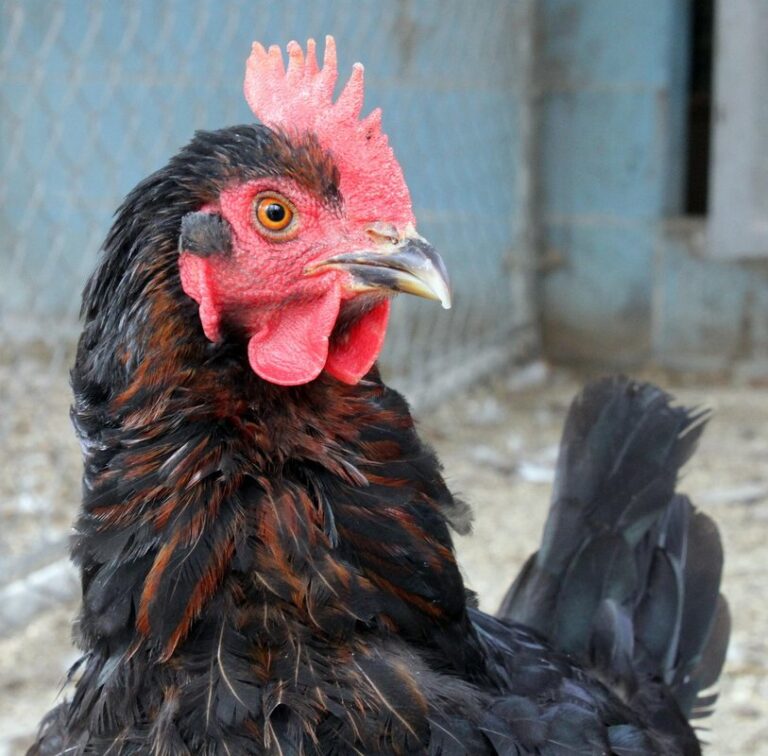
One of the most striking features of Black Australorps is their plumage. They have a sleek, glossy black coat that’s both water-resistant and easy to maintain. As they mature, you’ll notice a subtle sheen to their feathers, which adds to their overall charm.
In terms of temperament, Black Australorps are renowned for being calm, gentle, and docile. They’re an excellent choice for families with children or for those new to chicken-keeping. With proper care and socialization, they’ll thrive in a variety of settings and become loyal companions.
By understanding the physical characteristics of your Black Australorp, you can better meet their needs and create a happy, healthy environment for them to flourish.
Egg Laying Habits of Black Australorps
So, you’re curious about how your Black Australorp hens will lay eggs? Let’s dive into their unique egg-laying habits and what you can expect from these prolific layers.
Average Egg Production
When it comes to egg production, Black Australorps are known for their impressive output. On average, a healthy female Black Australorp will lay around 250-300 large brown eggs per year. However, this number can vary depending on several factors.
Nutrition plays a significant role in determining the breed’s egg production. A balanced diet rich in protein and calcium is essential to ensure that your girls are laying at their best. For example, supplementing with crushed oyster shells or cuttlebone can help maintain strong eggshell quality and encourage regular laying.
Environmental factors also impact egg output. Temperature fluctuations, humidity levels, and access to clean water and a stress-free living space all contribute to the overall health and productivity of your flock. Proper ventilation, adequate lighting, and a dust-free environment are crucial for maintaining optimal egg production.
To maximize your Black Australorps’ potential, make sure they have enough space to move around, engage in natural behaviors, and get regular breaks from laying eggs. With proper care and attention, you can expect an average of 280-300 large brown eggs per year from each mature hen.
Factors Affecting Egg Color
The color of an egg is often thought to be solely determined by genetics. While it’s true that a chicken’s breed can influence its eggshell color, there are other factors at play as well. Genetics do determine the likelihood of a Black Australorp laying eggs with certain characteristics, such as blue or green undertones. However, their diet and environmental conditions also have an impact.
For example, a high-quality layer feed that contains supplements like marigold extract can contribute to egg yolks that are more vibrant in color. Conversely, a chicken’s access to sunlight and fresh air can also influence the depth of its yolk color. If your flock is cooped up indoors or lacks adequate light, their eggs may have paler yolks as a result.
In practical terms, if you’re concerned about the egg color of your Black Australorps, consider offering them a balanced diet rich in omega-3 fatty acids and vitamins A and E. Also ensure they receive sufficient natural light exposure each day. By providing optimal care and nutrition, you can encourage your flock to lay eggs with richer, more vibrant colors.
The Science Behind Black Australorp Egg Color
When it comes to the unique egg-laying abilities of Black Australorps, understanding what drives their distinctive egg color is essential for any backyard breeder. Let’s dive into the science behind this phenomenon.
Pigmentation and Genetics
When it comes to understanding the egg color of Black Australorp chickens, genetics play a crucial role. The pigmentation of an eggshell is determined by two main pigments: porphyrins and biliverdin. Porphyrins are responsible for producing brown or tan colors, while biliverdin produces blue or green hues.
In the case of Black Australorp eggs, the dominant pigment is porphyrin, which gives them their characteristic dark brown or black color. However, it’s worth noting that even with the same breed and genetics, individual hens may produce eggs with slightly different shades due to environmental factors such as diet and age.
To better understand the genetic factors at play, consider the following example: a study on Black Australorp chickens found that the gene responsible for eggshell pigmentation is inherited in an autosomal dominant manner. This means that if a hen inherits just one copy of the dominant gene from either parent, she will produce dark-colored eggs.
By understanding the genetics behind egg coloration, you can make informed decisions when selecting breeding stock or deciding which hens to keep in your flock. Keep in mind that while genetics play a significant role, proper nutrition and overall health also impact eggshell quality and color.
Impact of Nutrition on Egg Color
When it comes to raising Black Australorp chickens for their beautiful dark eggs, many backyard flock owners wonder what role nutrition plays in determining egg color and quality. The answer lies in the specific nutrients that these birds need to thrive.
Proteins are essential for building strong, healthy feathers, which in turn influence eggshell pigmentation. Lysine, an amino acid found in protein-rich foods like legumes, whole grains, and lean meats, is particularly important for maintaining a rich brown pigment called melanin. This pigment is responsible for the dark color of Australorp eggs.
Vitamins A and E also play a crucial role in eggshell quality. These antioxidants help protect cells from damage, ensuring that eggshells are strong and less prone to cracking. A well-balanced diet rich in fruits, vegetables, and leafy greens can provide these essential vitamins.
For example, incorporating dark leafy greens like kale or spinach into your flock’s diet can help boost melanin production, resulting in deeper, richer eggshell colors. Conversely, a lack of certain nutrients can lead to lighter, more pale eggs. By understanding the impact of nutrition on egg color and quality, you can make informed choices about feeding your Black Australorp hens for optimal results.
Tips for Raising Black Australorps for Dark Brown Eggs
If you’re looking to raise black Australorp chickens specifically for their dark brown eggs, here are some valuable tips to get you started on the right track. With these expert suggestions, you’ll be well on your way to collecting plenty of those gorgeous eggs!
Breeding and Selection Strategies
When it comes to maximizing dark brown egg production from your Black Australorp flock, selecting and breeding the right birds is crucial. To start, look for eggs that are already laying consistently dark brown eggs, as these hens will be more likely to pass on their desirable traits to their offspring.
In terms of selection strategies, prioritize hens with deep, rich plumage colors, such as black or dark charcoal tones, which tend to be associated with higher concentrations of melanin – the pigment responsible for eggshell color. You can also assess a hen’s overall health and vigor by examining her feather quality, body weight, and overall demeanor.
When breeding your chosen birds, focus on creating an environment that encourages genetic diversity while minimizing inbreeding. Consider crossing high-performing lines or breeds to introduce new traits and increase genetic resilience. Regularly monitor your flock for any signs of disease or stress, as these can negatively impact eggshell quality and color.
Managing Nutrition and Environment
When it comes to raising Black Australorps for dark brown eggs, providing an optimal environment and nutrition plan is crucial. A well-planned environment will not only promote the health of your flock but also encourage them to lay those beautiful dark brown eggs.
To create a healthy environment, make sure your chickens have access to fresh air, clean water, and a dust bath area. Dust baths help remove dirt and oils from their feathers, which can affect egg color. Provide a balanced diet that includes a mix of grains, proteins, and vegetables. Black Australorps are known to be prolific layers, so ensure they’re getting enough calcium through oyster shells or crushed eggshells.
Some key nutrients that promote dark brown eggs include omega-3 fatty acids from flaxseed and vitamins A and E found in leafy greens like kale and spinach. Forage opportunities, such as access to a fenced garden or a chicken foraging system, can also help supplement their diet with beneficial bugs and insects. By providing this balanced environment and nutrition plan, you’ll be well on your way to raising happy, healthy Black Australorps that consistently produce those gorgeous dark brown eggs.
Common Misconceptions About Black Australorp Egg Color
Many people assume that the egg color of a Black Australorp chicken is automatically brown due to its dark feathers, but in reality, their eggs can be quite different. Let’s clear up some common misconceptions about their egg color!
Debunking Myths and Misinformation
One common myth surrounding Black Australorps is that their eggs are always blue-green in color due to their genetics. However, this is not entirely accurate. While it’s true that some Black Australorp hens may lay eggs with a bluish tint, the actual egg color can vary depending on several factors.
In reality, egg color is determined by two main proteins: porphyrins and protoporphyrins. The interaction between these proteins and the pigment oocyanin produces the distinctive blue or green hues found in some chicken breeds’ eggs. However, other factors such as diet, age of the hen, and environmental conditions can also influence egg color.
For instance, a Black Australorp that’s fed a diet rich in calcium may produce lighter-colored eggs than one on a standard layer feed. Additionally, hens that are younger or older may lay eggs with different shades due to changes in their oviducts over time. If you’re concerned about the color of your Black Australorp’s eggs, consider providing a balanced and nutrient-rich diet and ensuring she has adequate access to fresh water and sunlight.
Importance of Proper Care and Nutrition
When it comes to raising Black Australorps for their distinctive dark brown eggs, many owners overlook the crucial aspect of proper care and nutrition. A balanced diet rich in essential nutrients is vital to ensure these birds lay consistently colored eggs.
For optimal egg production, provide a mix of high-quality layer feed, fresh fruits, and leafy greens. Avoid overfeeding or underfeeding, as this can impact egg color consistency and overall health. It’s also essential to ensure access to clean water at all times.
In addition to a well-balanced diet, proper care is equally important. Ensure your birds have adequate space for movement and perching, as stress caused by confinement can affect egg color and quality. Regular health checks, regular dust bathing, and maintaining a clean coop are also vital components of responsible chicken ownership.
Adequate calcium supplementation is also necessary to maintain healthy eggshell production. You can add crushed oyster shells or dark leafy greens like kale to their diet to meet this requirement.
Conclusion: Maximizing Black Australorp Egg Color Potential
Now that we’ve explored why your Black Australorps’ eggs may be white, brown, or a mix of both, let’s discuss how to maximize their true egg color potential.
Recap of Key Takeaways
As we conclude our exploration of Black Australorp chicken egg color, let’s take a moment to recap the key takeaways and gather some valuable insights that can help you maximize their egg color potential.
Firstly, it’s essential to understand that genetics play a significant role in determining the eggshell color of your Black Australorps. While breed alone cannot guarantee specific eggshell colors, careful selection and breeding strategies can increase the likelihood of hatching chicks with desirable traits. We discussed how some Black Australorp lines are bred specifically for their dark-brown or black eggs.
Tips on selecting breeds include researching reputable breeders, understanding the genetic factors that influence egg color, and considering cross-breeding options to introduce new genetics into your flock. Regular health checks, proper nutrition, and stress management also contribute to maintaining healthy hens and optimal egg production.
By applying these takeaways, you can set yourself up for success in raising Black Australorps with a wide range of egg colors. Experimenting with different breeding strategies and nutrition plans will allow you to pinpoint the perfect combination for your specific flock’s needs. With dedication and careful planning, you’ll be well on your way to reaping the full potential of these wonderful birds’ genetic capabilities.
Encouragement for Further Research and Experimentation
As you’ve delved into the fascinating world of Black Australorp egg color, we hope this journey has sparked a desire to continue exploring and pushing the boundaries of what’s possible with these incredible birds. The truth is, there’s still so much to learn and discover about maximizing the potential of your flock’s egg color.
By now, you’ve probably noticed that even within the same breed, individual Black Australorps can exhibit varying shades and tones in their eggs. This natural diversity presents a unique opportunity for experimentation and innovation. We encourage you to take an active role in shaping the future of your flock by conducting your own research and trials. Try cross-breeding with other breeds or experimenting with different diets and living conditions to see how they impact egg color.
By embracing this process, you’ll not only unlock new possibilities for your Black Australorps but also contribute to a deeper understanding of their incredible genetic potential. Who knows what hidden treasures lie within the genes of these remarkable birds? Take the next step in your journey by getting hands-on and exploring the infinite possibilities with your flock.
Frequently Asked Questions
Can I use supplements to enhance the dark brown egg color of my Black Australorps?
Yes, providing a balanced diet rich in essential nutrients can support optimal egg production and coloration. However, it’s crucial to note that excessive supplementation can lead to health issues. Stick to a well-rounded layer feed or consult with a veterinarian to determine the best nutritional strategy for your flock.
How long does it take for Black Australorp chicks to mature and start laying dark brown eggs?
Black Australorps typically reach maturity at around 18-20 weeks of age, but they may not begin laying eggs immediately. Factors such as genetics, nutrition, and overall health can influence the time frame for egg production. Ensure your birds receive proper care and nutrition during this period.
Can I crossbreed other breeds with Black Australorps to improve their egg color or productivity?
Yes, crossing different breeds can introduce desirable traits like improved egg-laying capacity or enhanced heat tolerance. However, it’s essential to understand the genetic implications of crossbreeding, including potential complications with egg production and fertility.
What are some common mistakes to avoid when managing nutrition for optimal dark brown egg color in Black Australorps?
Common pitfalls include over-supplementation, inadequate protein intake, and neglecting the importance of fresh water. Monitor your flock’s health and adjust their diet accordingly to minimize these risks.
How can I ensure that my Black Australorps receive adequate light and heat during different seasons?
Black Australorps require around 14 hours of daylight for optimal egg production. Consider using supplemental lighting during winter months or providing additional ventilation to maintain a comfortable temperature in hot weather.