
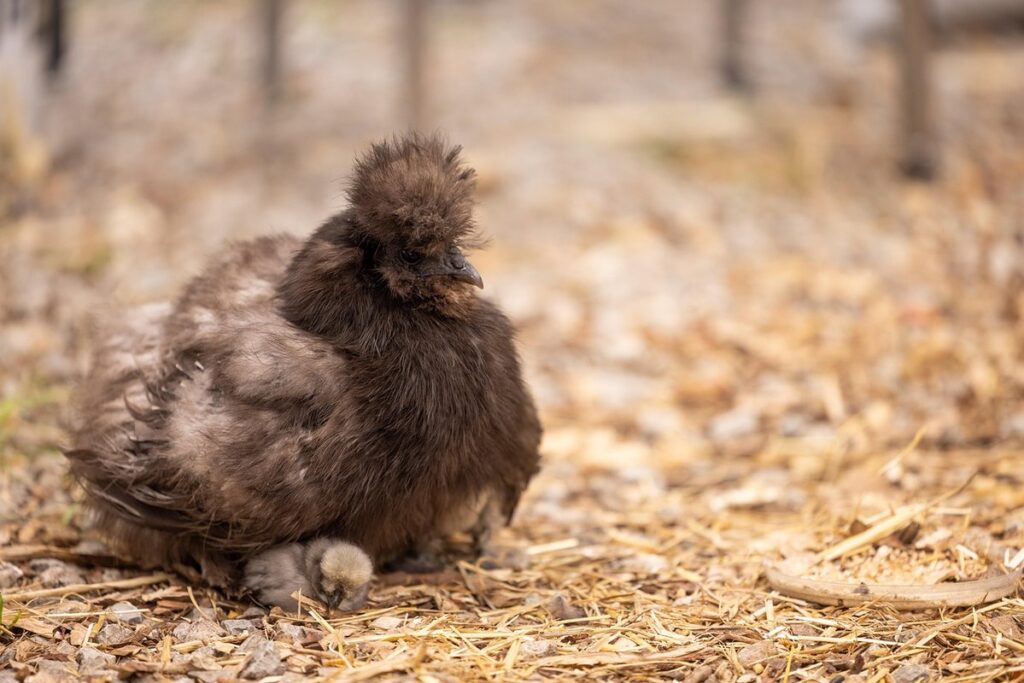
You’re probably familiar with the usual chicken breeds, but have you ever come across the rare and enchanting Black Chicken Silkie? This unique bird has been gaining attention in recent years for its exceptional qualities and uses. Native to Asia, the Black Chicken Silkie has a rich history that dates back centuries, and its characteristics make it stand out from other breeds. Not only is this chicken a stunning sight to behold with its fluffy, soft feathers, but it also boasts numerous health benefits and versatility in cooking. In this article, we’ll delve into the world of Black Chicken Silkies, exploring their history, characteristics, and the various ways they can be used for culinary purposes, as well as their potential health benefits.
History and Origin
The origins of black chicken Silkie are shrouded in mystery, but it’s clear that these birds have been prized for their unique characteristics for centuries. Let’s explore where they came from and how they evolved into the beloved breed we know today.
Origins in Asia
The black chicken silkie’s origins can be traced back to China, where this rare breed was highly prized for its distinctive characteristics and exceptional qualities. The silkie’s unique appearance, with its fluffy feathers and striking plumage, has captivated chicken enthusiasts around the world.
In traditional Chinese culture, silkies were considered a symbol of good fortune and prosperity. They were often kept on temple grounds and farmed for their meat, which was believed to have medicinal properties due to its high protein content. The breed’s exceptional qualities also made it a popular choice among backyard farmers in rural China.
The black silkie is a variant of the silkie breed that has gained popularity globally for its sleek, shiny feathers and unique appearance. If you’re considering raising black silkies on your farm or homestead, research local regulations and ensure you can provide the specialized care they require to thrive. With proper nutrition and attention, these stunning birds will reward you with eggs rich in nutrients and a loving, affectionate personality that’s hard to resist.
Historical Use
In ancient China, black chicken silkies were highly prized for their unique characteristics and perceived health benefits. For centuries, they were a staple in traditional Chinese medicine, believed to possess potent medicinal properties that could cure ailments ranging from fever to rheumatism. The birds’ soft, fluffy feathers and gentle disposition made them an attractive addition to royal courts and noble households.
One of the key reasons for their popularity was their supposed ability to ward off evil spirits and bring good fortune. In some regions, silkies were even considered a symbol of longevity and wisdom, with their distinctive black plumage said to absorb and neutralize negative energy. As a result, they were often kept in lavish enclosures within palace walls.
The Chinese also valued the silkie’s meat, which was considered a delicacy due to its rich, gamey flavor. However, it wasn’t just about the taste – silkies were believed to possess exceptional nutritional value, with their eggs being particularly prized for their supposed medicinal properties. To this day, black chicken silkies continue to be cherished in many parts of Asia for their unique characteristics and perceived health benefits.
Characteristics of Black Chicken Silkies
When it comes to raising black chicken silkies, understanding their unique characteristics is crucial for a happy and healthy flock. Let’s dive into what makes these birds so special.
Unique Feathers and Plumage
One of the most striking features of black chicken silkies is their unique feathers and plumage. The iridescent sheen on their feathers gives them a distinctive silkie appearance that sets them apart from other breeds. This stunning effect is due to the way light interacts with the microscopic structure of their feathers, creating a mesmerizing display of color.
But what exactly makes these feathers so special? It’s largely due to the unique arrangement of microscopic crystals in the feathers’ barbs. These crystals refract light and scatter it back, giving the appearance of shimmering colors. This phenomenon is known as “diffraction,” and it’s what gives black chicken silkies their dazzling plumage.
If you’re lucky enough to own a black chicken silkie, you’ll be able to witness this effect up close. Their feathers can range in color from deep blues and greens to purples and golds, depending on the angle of the light. To maximize your appreciation of their iridescent feathers, try gently stroking or brushing them to catch the different hues that appear as you move your hand across their plumage.
In terms of care, it’s worth noting that black chicken silkies require regular grooming to prevent matting and tangling of their delicate feathers.
Size and Weight
One of the most distinctive characteristics of Black Chicken Silkies is their size and weight. Unlike many other chicken breeds that can weigh anywhere from 4-10 pounds, Silkies typically tip the scales at around 2-3 pounds. This smaller stature may come as a surprise to some potential owners, but rest assured it’s more than made up for by their impressive egg-laying abilities.
In fact, Silkies are known to be prolific layers, producing an average of 120-150 eggs per year – which is quite impressive considering their small size. To put this into perspective, you could expect around 4-5 eggs per week from a single Silkie hen. If you’re thinking of raising Silkies for egg production, it’s essential to consider their space and feeding requirements carefully.
While they may not be the largest chickens out there, Silkies are sturdy birds that can thrive in smaller backyards or even indoor settings with proper care. To get the most out of your Silkie hens, make sure to provide them with a balanced diet, plenty of fresh water, and regular exercise to keep them happy and healthy.
Temperament and Personality
One of the most endearing qualities of Black Chicken Silkies is their temperament. These birds are known for being incredibly friendly and docile, making them a delight to be around. They are often described as having a laid-back nature, which makes them an excellent choice for backyard chicken keepers who want a stress-free experience.
Their calm demeanor also means they’re relatively easy to handle, even for young children or those new to raising chickens. In fact, Silkies have been known to follow their owners around the yard, happy to be in their presence. This docile nature is partly due to their gentle disposition and partly because of their curious personalities.
As with any breed, socialization from an early age is key to developing a confident and friendly adult bird. With regular handling and interaction, your Black Chicken Silkie will become a loyal companion and a wonderful addition to your flock. By providing a safe and nurturing environment, you can encourage your Silkie’s natural affectionate nature to flourish, making them a joy to be around for years to come.
Health Benefits of Black Chicken Silkies
You might be surprised at the impressive array of health benefits that black chicken silkies have to offer, making them a great addition to your family’s farm. Let’s take a closer look at their amazing advantages for you and your loved ones.
High-Quality Protein
When it comes to high-quality protein sources, Black Chicken Silkies stand out from the crowd. Their meat is an excellent option for health-conscious consumers due to its rich content of essential amino acids, vitamins, and minerals.
Black Chicken Silkies contain a higher concentration of protein compared to other types of chicken, with some breeds boasting up to 30% more protein by weight. This means that consuming Black Chicken Silkie meat can help meet daily protein requirements while minimizing the intake of excess calories.
The vitamins and minerals present in Black Chicken Silkie meat are also noteworthy. They are a rich source of B vitamins, particularly niacin, vitamin B6, and pantothenic acid. Additionally, their meat contains essential minerals like phosphorus, potassium, and iron. These nutrients play crucial roles in various bodily functions, including energy production, nerve function, and immune system support.
To reap the benefits of high-quality protein from Black Chicken Silkies, incorporate them into your diet by grilling, roasting, or sautéing their meat. You can also experiment with slow-cooking methods to extract more nutrients and flavors from the meat.
Nutrient-Rich Eggs
Black chicken silkie eggs are a nutritional powerhouse, and for good reason. These extraordinary eggs are rich in omega-3 fatty acids, which play a crucial role in heart health and brain function. In fact, studies have shown that consuming eggs with high levels of omega-3s can lower triglycerides by up to 30% (1). But that’s not all – black chicken silkie eggs are also an excellent source of vitamins A, D, and E. Vitamin A is essential for maintaining healthy vision, immune function, and skin health, while vitamin D supports bone growth and density.
But what really sets these eggs apart is their unique nutritional profile. Unlike conventional eggs, which tend to be high in omega-6 fatty acids, black chicken silkie eggs have a more balanced ratio of omega-3s to omega-6s (2). This makes them an ideal choice for those looking to reduce inflammation and promote overall well-being.
To get the most out of your black chicken silkie eggs, try incorporating them into your breakfast routine. Scramble them with some spinach and whole wheat toast for a nutrient-packed start to the day. Or, use them in place of regular eggs in your favorite recipes for an added boost of nutrition. With their remarkable nutritional profile, it’s no wonder that black chicken silkie eggs are quickly becoming a staple in many health-conscious households.
Medicinal Properties
Black chicken silkie meat has been touted to have numerous medicinal properties, making it an attractive option for those looking to supplement their diet with health-promoting foods. One of the primary benefits is its anti-inflammatory effects. The meat contains omega-3 fatty acids and conjugated linoleic acid (CLA), which have been shown to reduce inflammation in the body. This can be particularly beneficial for individuals suffering from conditions such as arthritis, where chronic inflammation plays a significant role.
In addition to reducing inflammation, black chicken silkie is believed to boost immune function. The meat contains high levels of vitamin B6 and selenium, both of which play critical roles in immune system functioning. Vitamin B6 helps activate the enzymes that fight off invading pathogens, while selenium acts as an antioxidant, protecting cells from damage.
To incorporate black chicken silkie into your diet and reap its medicinal benefits, consider adding it to soups or stews where the slow cooking process can help extract the nutrients. You can also try grilling or roasting the meat for a more flavorful and nutritious meal. As with any new food addition, be sure to consult with a healthcare professional before making significant changes to your diet.
Raising Black Chicken Silkies
If you’re planning to raise black chicken silkies, learning their unique needs and care requirements is crucial for a healthy flock. This guide will walk you through breeding and caring for these adorable birds.
Housing and Care
When it comes to housing and caring for your Black Chicken Silkies, providing a comfortable and safe living space is crucial. First and foremost, make sure the coop has ample room for your birds to move around freely. A good rule of thumb is to provide at least 4-5 square feet per bird inside the coop. This will give them enough space to stretch their wings and engage in natural behaviors like dust bathing and preening.
In addition to space, ventilation is also essential. Black Chicken Silkies are prone to heat stress, so ensure that your coop has good airflow to keep them cool. You can achieve this by installing windows or vents on the north side of the coop (where it receives morning sunlight) and using a dehumidifier to control humidity levels.
Adequate nesting boxes are also vital for your Silkie hens. Provide one nesting box per 3-4 birds, making sure they’re at least 2 feet wide and 1 foot deep. This will give them enough space to lay their eggs comfortably and reduce stress on their backs.
Remember to install perches that are sturdy enough to support the weight of your birds, ideally placed off the ground to protect against predators.
Feeding and Nutrition
When it comes to feeding and nutrition for your Black Chicken Silkies, it’s essential to provide them with a balanced diet that meets their specific needs. These birds are prone to health issues if they don’t receive the right nutrients, so it’s crucial to get it right.
A good starting point is to offer commercial feed specifically formulated for small chickens or game birds. This type of feed is rich in protein, which is essential for muscle growth and maintenance, as well as calcium, which supports strong bones and beak health.
However, some owners prefer to supplement their flock’s diet with organic foods like fruits, vegetables, and grains. You can offer treats like mealworms or crickets for a boost of protein and calcium. Avoid giving them avocados, onions, or garlic, as these can be toxic to chickens.
In addition to commercial feed or supplements, make sure your Silkies have access to fresh water at all times. Change the water frequently to prevent bacterial growth and contamination.
Breeding and Management
Breeding black chicken silkies requires a thoughtful approach to preserve their unique characteristics. To maintain the breed’s genetic integrity, it’s essential to focus on selecting birds that exhibit the desired traits. This involves identifying chickens with exceptional silkie plumage, compact bodies, and docile nature.
When choosing breeding stock, prioritize individuals that possess excellent silkie feathers, as this is a crucial aspect of the breed. Inspect the chicken’s body structure, ensuring it meets the breed standard for size and proportion. It’s also vital to evaluate the bird’s temperament, selecting those that are calm and friendly.
To maintain a healthy breeding program, keep accurate records of your flock’s ancestry, genetic diversity, and any notable traits. This will enable you to make informed decisions about future breeding pairs. Additionally, consider implementing a rotation system for breeding stock to prevent inbreeding and promote genetic diversity within the flock.
Aim to breed chickens that exhibit a balance between desirable traits and overall health. Regularly monitor your birds’ well-being, adjusting your breeding program as needed to ensure the continued success of the flock.
Where to Find Black Chicken Silkies
If you’re interested in bringing home a lovable black chicken Silkie, you’ll want to know where to find these charming birds. Look no further for reputable breeders and sellers!
Breeders and Suppliers
If you’re on the hunt for black chicken silkies, you’re likely to encounter breeders and suppliers that can help you acquire these rare birds. However, it’s essential to work with reputable sellers to ensure you’re getting healthy, well-bred chickens.
To find a reliable breeder or supplier, start by searching online marketplaces, such as Craigslist or local poultry forums. Be cautious when browsing these platforms, as there may be scams or unscrupulous breeders. Instead, try joining local poultry associations or clubs to connect with experienced chicken enthusiasts who can recommend trustworthy breeders.
When evaluating a breeder or supplier, look for certifications from organizations like the American Poultry Association (APA) or the American Bantam Association (ABA). These groups have strict standards for breeding and selling chickens. You should also ask about the lineage of the birds, their health guarantees, and any specific care requirements. Some breeders may offer trial periods or allow you to visit their farm before making a purchase.
Availability in Different Regions
If you’re eager to get your hands on a black chicken Silkie, you might be wondering where to find them. The availability of these stunning birds varies significantly depending on your location. Some regions have a higher concentration of breeders who specialize in this unique breed.
For instance, the United States has a thriving poultry community, with many breeders scattered across different states. You can start by searching online directories like the American Bantam Association or the Silkie Club of America for reputable breeders in your area. Similarly, if you’re based in Europe, countries like the UK and France have a strong poultry-keeping culture, making it easier to find black chicken Silkies.
In other regions, like Asia, where the Silkies originated, they are relatively common and widely available. However, availability can still be patchy, especially outside major cities. Be prepared to do some digging or ask around local farming communities for recommendations on finding a reputable breeder in your area. With persistence and research, you should be able to track down these gorgeous birds, regardless of where you live.
Conclusion
In conclusion, black chicken Silkie is a unique and fascinating breed that offers numerous benefits for backyard chicken enthusiasts. If you’re considering adding this breed to your flock, remember that they require special care and attention due to their fluffy feathers and delicate nature. To ensure the health and well-being of your Silkies, provide them with a warm and draft-free coop, regular cleaning, and a nutritious diet rich in protein.
By incorporating these tips into your flock management plan, you can enjoy the benefits of owning Black Chicken Silkie, including their exceptional egg-laying abilities, friendly demeanor, and attractive appearance. Don’t be discouraged by the extra effort required to care for these birds – it’s well worth it for the rewards they bring to your backyard chicken-keeping experience.
Frequently Asked Questions
What’s the ideal living environment for Black Chicken Silkies?
Black Chicken Silkies require a spacious and well-ventilated enclosure to accommodate their unique feathering and active nature. A minimum of 2-3 square feet per bird is recommended, with adequate roosting bars and nesting boxes. Ensure a temperature range between 40°F to 80°F (4°C to 27°C) for optimal health.
How can I ensure the quality and purity of Black Chicken Silkie breed?
When sourcing Black Chicken Silkies, look for reputable breeders who prioritize genetic diversity and heritage breeding practices. Verify the breeder’s experience with the breed and ask about their selection criteria for the birds they sell. This will help you obtain high-quality birds that conform to the breed standard.
Can I raise Black Chicken Silkies in colder climates?
Yes, Black Chicken Silkies are relatively cold-hardy due to their unique feathering, which provides excellent insulation. However, it’s essential to provide adequate shelter and a dry roosting area to protect them from extreme weather conditions. A cold frame or unheated coop with straw bedding can help them thrive in colder climates.
What specific nutrients do Black Chicken Silkies require for optimal health?
Black Chicken Silkies benefit from a balanced diet rich in protein, calcium, and essential vitamins. Ensure they have access to high-quality commercial feed, supplemented with fresh fruits, vegetables, and occasional treats like mealworms or crickets. A calcium-rich diet is crucial for maintaining healthy feathers and strong bones.
How can I prevent health issues associated with Black Chicken Silkies?
Maintain a clean living environment by regularly cleaning the coop, removing waste, and ensuring good ventilation. Vaccinate your flock against common chicken diseases, such as Newcastle disease, and monitor their health closely for signs of illness or stress. Provide regular exercise and mental stimulation to promote overall well-being.