
Are you ready to meet one of the most unique and intriguing breeds in the world of backyard chickens? The Black Copper Marans hen is not just any ordinary chicken, with its rich history and exceptional egg-laying abilities. For centuries, this breed has been prized for its stunning dark brown eggs, which are highly sought after by chefs and home cooks alike. But what makes the Black Copper Marans so special? In this article, we’ll delve into the fascinating history of this breed, explore its unique characteristics, and reveal just why it’s a favorite among chicken enthusiasts. We’ll cover everything from its origins to its egg-laying prowess, making it the perfect resource for anyone looking to learn more about this incredible breed.
Origin and History of the Breed
The origins of the Black Copper Marans hen date back centuries, with a rich history that spans multiple continents. Let’s take a journey through time to uncover its fascinating past.
Early Development of the Black Copper Marans
The early development of the Black Copper Marans breed is shrouded in mystery, but it’s believed to have originated in France during the 19th century. The name “Marans” is derived from the town of Marans in western France, where the breed was first bred. Initially, these birds were known as “Poule Marans,” and their primary purpose was egg production.
The early development of the Black Copper Marans involved crossing different breeds to create a bird that excelled in multiple areas: egg-laying, temperament, and appearance. Breeders experimented with various combinations, including the Welsummer and the Barnevelder, to produce a bird that would eventually become one of the most sought-after egg-laying breeds.
It’s said that the breed was refined over time through careful selection and breeding, focusing on maintaining its unique characteristics while improving its overall quality. Today, we see the result of this hard work in the stunning Black Copper Marans hens that are prized by backyard chicken enthusiasts worldwide for their rich dark eggs and striking appearance.
Influence of French Heritage on the Breed’s Characteristics
The striking black plumage and copper-colored eggs of the Black Copper Marans Hen are just two of the many distinctive features that set this breed apart from others. But what’s behind these characteristic traits? A look at the breed’s French heritage reveals a fascinating story.
In France, where the Marans breed originated, the emphasis on producing high-quality eggs was paramount. As a result, breeders selectively bred for birds with intense plumage colors and unique eggshell characteristics. The copper-colored eggs of the Black Copper Marans Hen are a direct result of this selective breeding process, making them highly prized by backyard flock owners.
The black plumage of the breed is also a reflection of its French heritage. In France, dark-feathered birds were often preferred for their ability to thrive in shaded conditions and their attractive appearance. This emphasis on dark coloration has resulted in the Black Copper Marans Hen’s sleek, glossy feathers that make them such a stunning addition to any backyard flock.
Breeders interested in raising their own Black Copper Marans Hens can replicate these characteristics by selecting for birds with intense plumage colors and unique eggshell markings. This not only ensures the continuation of this beautiful breed but also guarantees high-quality eggs for years to come.
Physical Characteristics and Traits
The Black Copper Marans Hen is a stunning breed, known for its unique physical characteristics that set it apart from other chickens. Let’s take a closer look at what makes this bird so visually striking.
Size and Body Type
When it comes to size and body type, the Black Copper Marans Hen is a distinctive breed that stands out from others. On average, hens weigh between 4-6 pounds (1.8-2.7 kg), with some individuals reaching up to 7 pounds (3.2 kg). Roosters typically weigh more, ranging from 5-8 pounds (2.3-3.6 kg).
In terms of length, the Black Copper Marans Hen has a medium-sized body, measuring around 22-24 inches (56-61 cm) in height and 20-22 inches (51-56 cm) in length. Their posture is often described as elegant, with a long neck, well-defined breast, and moderate tail feathers.
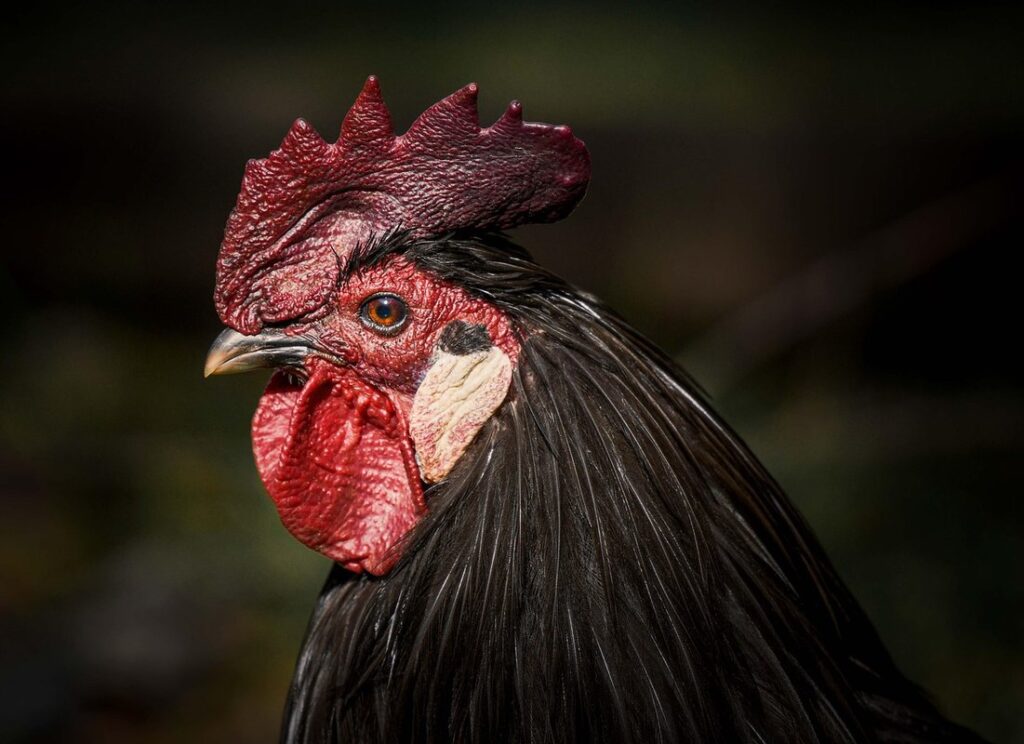
One of the most striking features of this breed is its plumage pattern, which consists of black copper-colored feathers on their back, wings, and tail, gradually fading into lighter shades towards their neck and belly. The overall appearance is sleek and refined, making them a popular choice for backyard chicken keepers who value aesthetics as well as egg production.
Their moderate size also makes them a great fit for smaller coops or backyard spaces, where larger breeds may be impractical.
Plumage Patterns and Colors
One of the most distinctive and stunning features of the Black Copper Marans hen is its plumage pattern and colors. The breed’s unique coat is characterized by a subtle gradient effect that gives the appearance of depth and dimensionality.
When examining the breast, you’ll notice a rich, dark copper color with intricate feather patterns that create a sense of texture and visual interest. The saddle area showcases the breed’s signature ‘mottling’ effect, where shades of dark brown, copper, and black blend together in a swirling pattern. This mottling effect is particularly striking when viewed from different angles.
The wings are adorned with a beautiful sheen that complements the rich colors of the breast and saddle areas. The feather distribution on the wings creates a subtle gradient effect that adds to the overall visual appeal of the breed. When selecting a Black Copper Marans hen for your flock, pay close attention to the quality and evenness of its plumage pattern – it’s a key indicator of the bird’s overall health and genetics.
A well-bred Black Copper Marans hen will display a rich, vibrant coloration that enhances its stunning appearance. By understanding and appreciating the breed’s unique plumage patterns and colors, you can make informed decisions about your flock and take pride in owning such a magnificent bird.
Egg-Laying Characteristics and Statistics
Black Copper Marans hens are prolific egg layers, producing a range of eggs from light blue to dark chocolate brown. Let’s take a closer look at their unique laying habits and statistics.
Average Daily Egg Production
Black Copper Marans hens are known for their rich, dark chocolate-colored eggs, but what’s an average day like when it comes to egg production? As a breeder or owner of these lovely ladies, understanding the factors that influence their daily egg output is essential for optimizing their performance.
On average, a healthy Black Copper Marans hen will lay around 180-200 brown eggs per year, which translates to about 5-6 eggs per week. However, this rate can be influenced by various factors, including diet and nutrition. A balanced feed that’s rich in protein, calcium, and other essential nutrients is crucial for maintaining a healthy reproductive system.
Light exposure also plays a significant role in egg production. Black Copper Marans hens require around 14 hours of daylight to produce eggs efficiently. If your flock doesn’t receive sufficient light, you may notice a decrease in egg production.
Regular health checks are also vital to ensure that your birds remain productive and healthy. A clean and well-ventilated coop is essential for maintaining good health, which in turn supports high egg-laying rates. By paying attention to these factors, you can help maximize the productivity of your Black Copper Marans hens and enjoy a steady supply of delicious eggs throughout the year.
Some key tips to keep in mind include:
* Provide a balanced feed that’s formulated specifically for laying hens
* Ensure adequate light exposure by extending daylight hours or using supplemental lighting
* Keep your coop clean, well-ventilated, and free from health risks
* Regularly monitor your flock’s health to catch any potential issues early on
Egg Color and Size
When it comes to the eggs laid by Black Copper Marans hens, one of the most distinctive characteristics is their rich, copper-colored hue. But that’s not all – these eggs also come in a range of sizes and shapes. On average, you can expect each egg to weigh around 50-60 grams, with some ranging from as small as 45g to as large as 65g.
In terms of shape, Black Copper Marans eggs tend to be on the smaller side, but still oval in shape with a slightly pointed end. This is due to the breed’s unique genetic makeup, which influences not only their egg color but also their overall fertility and hatch rate.
If you’re planning on raising your own flock of Black Copper Marans hens, it’s worth noting that these birds are prolific layers – you can expect around 200-220 eggs per year from each hen. With a little luck and proper care, you’ll be collecting those beautiful copper-colored eggs in no time.
Temperament and Personality Traits
When it comes to the Black Copper Marans, understanding their unique temperament and personality traits is essential for building a strong bond between you and your hen. You’ll discover how these birds interact and behave in this flock-friendly breed.
Friendliness and Social Interaction with Humans
Black Copper Marans hens are renowned for their exceptional temperament and personality traits. One of their most endearing qualities is their friendliness towards humans. They have a gentle and docile nature, making them an ideal choice for families with children or individuals who want to keep chickens as pets. Black Copper Marans hens are relatively easy-going and can adapt to various living situations, from small backyards to larger farms.
When it comes to social interaction, Black Copper Marans hens are quite outgoing and enjoy the company of humans. They’re known to follow their owners around the yard or coop, seeking attention and affection. However, they also value their alone time and can be a bit territorial at times. To establish a strong bond with your Black Copper Marans hen, spend quality time with her daily, such as feeding, grooming, and providing toys and activities.
When introducing your Black Copper Marans hen to other birds or animals, it’s essential to do so gradually and under close supervision. Provide a safe and comfortable environment for all, ensuring each bird has its own space and resources. With proper care and attention, Black Copper Marans hens can thrive as loving companions, bringing joy and entertainment to your life.
Compatibility with Other Chickens and Pets
Black Copper Marans hens are known for their friendly and docile nature, making them an excellent choice for backyard flocks with other chickens. When it comes to compatibility with other breeds, Black Coppers tend to get along well with most varieties, including larger birds like Orpingtons and smaller breeds like Silkies.
However, as with any flock, introducing new birds requires patience and careful observation. Start by isolating the new hen in a separate enclosure for a few days before releasing her into the main coop. This allows the Black Copper Marans to establish dominance without feeling threatened or territorial.
When it comes to pets, such as dogs and cats, Black Coppers are generally tolerant but may require some initial introduction training. For example, if you have a dog that’s eager to chase chickens, keep them separated at first and gradually introduce them under close supervision. With proper introductions and management, your Black Copper Marans can live harmoniously alongside other pets in the household.
One important consideration is to ensure your Black Copper Marans has access to a safe space where she can retreat if feeling overwhelmed by other animals or noise levels. Providing a secure coop with adequate ventilation and shelter will help maintain her calm demeanor in stressful situations.
Health and Wellness Considerations
As you consider bringing a Black Copper Marans hen into your flock, it’s essential to think about her specific health needs, from diet to vaccinations. Proper care will ensure she thrives and provides years of entertainment.
Common Health Issues Affecting the Breed
As you consider bringing home a Black Copper Marans hen, it’s essential to be aware of the common health issues that may affect this breed. One of the primary concerns is obesity, which can lead to a range of problems including reduced egg production, joint pain, and decreased immune function. To prevent obesity, ensure your hen has access to plenty of exercise through free-ranging or playtime in a securely fenced area.
Respiratory problems are another issue that can affect Black Copper Marans hens. Dusty environments, extreme temperatures, and poor ventilation can all contribute to respiratory issues. Keep your coop clean and well-ventilated to reduce the risk of respiratory problems. Regular cleaning also helps prevent the buildup of dust and debris that can exacerbate these issues.
Egg-related disorders are a common problem in many breeds, including the Black Copper Marans. These disorders include egg binding, prolapse, and retained eggs. To minimize the risk of these issues, ensure your hen has access to calcium-rich foods and maintain a balanced diet. Regular veterinary check-ups can also help identify potential problems early on. By being aware of these common health issues and taking proactive steps, you can help keep your Black Copper Marans hen healthy and thriving.
Tips for Maintaining Optimal Health and Well-being
Maintaining optimal health and well-being is crucial for the long-term happiness and productivity of your Black Copper Marans hen. A balanced diet is essential, so make sure to provide a high-quality layer feed specifically formulated for hens. Supplement their diet with fresh fruits and vegetables, such as leafy greens, carrots, and berries, but avoid giving them avocado or onions as they can be toxic.
Exercise is also vital for the physical and mental well-being of your hen. Ensure she has enough space to roam around and engage in natural behaviors like scratching and pecking. Consider adding some toys or enrichments to her environment to stimulate her mind and reduce stress.
Regular veterinary check-ups are necessary to prevent health issues from arising. Schedule an annual visit with a poultry veterinarian who is experienced in caring for backyard chickens. They will be able to detect any potential problems early on, such as mites, lice, or respiratory infections.
When it comes to managing parasites like lice and mites, there are several natural remedies you can try, including using diatomaceous earth or apple cider vinegar. However, always consult with a veterinarian before attempting any treatments.
Breeding and Raising Black Copper Marans Chicks
Breeding and raising Black Copper Marans chicks requires careful planning, specialized equipment, and a keen understanding of their unique needs and characteristics. Let’s dive into the specifics to help you successfully raise healthy, thriving young hens.
Choosing the Right Parent Stock
When it comes to breeding high-quality Black Copper Marans chicks, choosing the right parent stock is crucial. A good starting point is to select parents with a proven track record of fertility rates. Look for birds that consistently lay fertile eggs and have a high percentage of successful hatch rates. This can be achieved by studying the breeders’ history, reading reviews from other customers, or asking for recommendations from experienced breeders.
Another important factor to consider is egg production. Select parents that are prolific layers, ideally producing around 200-220 large brown eggs per year. This will not only ensure a consistent supply of fertile eggs but also contribute to the overall health and well-being of your flock.
Genetic diversity is also essential when selecting parent stock. Aim for a mix of birds from different bloodlines to maintain a healthy gene pool. This can help prevent inbreeding depression, reduce the risk of inherited diseases, and promote overall robustness in your chicks. By carefully choosing parents with these characteristics, you’ll be well on your way to raising high-quality Black Copper Marans chicks.
Care and Management of Chicks from Hatching to Point-of-Lay
Caring for Black Copper Marans chicks from hatching to point-of-lay requires attention to their nutritional needs, housing, and socialization. From the moment they hatch, provide a warm, draft-free environment with adequate ventilation. Use a heat source specifically designed for brooding, such as a heat lamp or ceramic heat emitter, to maintain a temperature of around 90-95°F (32-35°C) for the first week.
As they grow, increase ventilation and decrease heat by 5-10°F (3-6°C) every few days. Ensure access to fresh water at all times, and offer starter feed with 18-20% protein content until they’re around 4 weeks old. Gradually transition them to a layer feed with 16-18% protein content.
Provide enough space for the chicks to move around comfortably, at least one square foot per bird. Consider using a brooder or expandable chick enclosure with adequate ventilation and lighting. Socialization is also crucial; introduce the chicks to their adult flock gradually, allowing them to establish hierarchy naturally. This helps prevent stress-related health issues later on.
Frequently Asked Questions
Can I breed the Black Copper Marans with other chicken breeds to create a hybrid?
The answer is yes, but it’s essential to research the compatibility of the breeds and consider the potential effects on egg-laying characteristics. Breeding can be a complex process, and results may vary. It’s recommended to consult with experienced breeders or experts in avian genetics before attempting any crossbreeding.
What is the ideal climate for raising Black Copper Marans hens?
Black Copper Marans are known to thrive in temperate climates with moderate temperatures between 40°F and 80°F (4°C and 27°C). Avoid extreme temperatures, as they can lead to heat stress or cold-related health issues. Provide adequate shelter and ventilation to ensure their comfort.
How long does it take for a Black Copper Marans hen to start laying eggs?
Black Copper Marans typically begin laying eggs at around 18-24 weeks of age. However, this can vary depending on factors such as nutrition, health, and individual development. Ensure your hens receive a balanced diet and proper care during their growth phase.
Can I keep Black Copper Marans with other pets in the backyard?
Yes, but it’s crucial to introduce them slowly and under close supervision to ensure harmony among all animals. Start by keeping the chicken coop separate from other pets’ living areas and gradually allow them to interact. Monitor body language and behavior, and be prepared to intervene if necessary.
Are Black Copper Marans hens prone to any specific health issues?
While generally a healthy breed, Black Copper Marans can be susceptible to certain health conditions such as Marek’s disease, salpingitis, and vent gleet. Maintain good hygiene, provide regular vaccinations, and keep an eye out for early signs of illness to prevent these issues from developing. Regular veterinary check-ups are also essential.