
Are you fascinated by the allure of Black Copper Marans hens, with their striking dark feathers and rich, chocolate-brown eggs? If so, you’re not alone! These stunning birds have captured the hearts of many backyard chicken enthusiasts, and for good reason. Not only are they a treat to behold, but they also possess a unique set of characteristics that make them an excellent addition to any flock. In this article, we’ll delve into the world of Black Copper Marans hens, exploring their rich history, physical characteristics, temperament, egg-laying abilities, and more. We’ll cover everything you need to know about raising and managing these beautiful birds for a rewarding experience. Whether you’re a seasoned chicken keeper or just starting out, this guide is perfect for anyone looking to bring home these stunning hens.
History and Origins
Let’s dive into where our beloved Black Copper Marans hens come from, tracing their roots back to a specific breed developed centuries ago. This unique heritage has shaped their distinctive appearance and characteristics.
Breeding History
The Black Copper Marans hen’s origins are shrouded in mystery, but one thing is certain – it has its roots in 19th-century France. The breed was developed specifically for its remarkable egg-laying abilities, which were highly prized by French farmers at the time. As a result, breeders selectively bred various strains of chickens to create a bird that would produce an abundance of dark, chocolate-brown eggs.
The Black Copper Marans is believed to have descended from the Marans breed, which originated in the Marans region of France. This breed was known for its striking appearance and impressive egg-laying capacity, making it a sought-after choice among farmers. Over time, breeders introduced other breeds, such as the Leghorn and the Orpington, to create the modern Black Copper Marans.
Today, backyard chicken keepers around the world are drawn to the Black Copper Marans for its unique egg-laying abilities and stunning appearance. If you’re considering adding a few of these hens to your flock, be prepared for their exceptional egg production – they can lay up to 200 brown eggs per year! With proper care and attention, the Black Copper Marans will reward you with an abundance of delicious eggs and charming companionship.
Development into a Distinct Breed
The Black Copper Marans hen’s development into a distinct breed is a story of refinement and dedication. As a breed that originated from a combination of French Marans and other dark-breasted breeds, the Black Copper Marans has undergone significant transformations to emerge as a unique entity.
One of the key characteristics that set the Black Copper Marans apart is its stunning egg-laying abilities. With an average of 150-160 eggs per year, these hens are known for their high production rates. Their eggs are also prized for their dark brown color and unique “bloom” or sheen on the shell.
Another distinctive feature of the Black Copper Marans is its rich, dark plumage. The breed’s coppery-black feathers, along with its silvery-greensheen neck hackle, make it a striking addition to any backyard flock. Its compact size and gentle nature also make it an excellent choice for small-scale poultry keepers.
In terms of breeding, the Black Copper Marans is considered a “true” breed, meaning that it has been developed through selective breeding rather than cross-breeding. This attention to detail has allowed breeders to refine the breed’s characteristics, resulting in a consistent and distinctive product that is prized by chicken enthusiasts worldwide.
Physical Characteristics
One of the most distinctive features of black copper marans hens is their unique plumage, which gives them a stunning copper sheen over a deep dark brown background. Let’s take a closer look at these amazing birds’ physical characteristics!
Plumage and Coloration
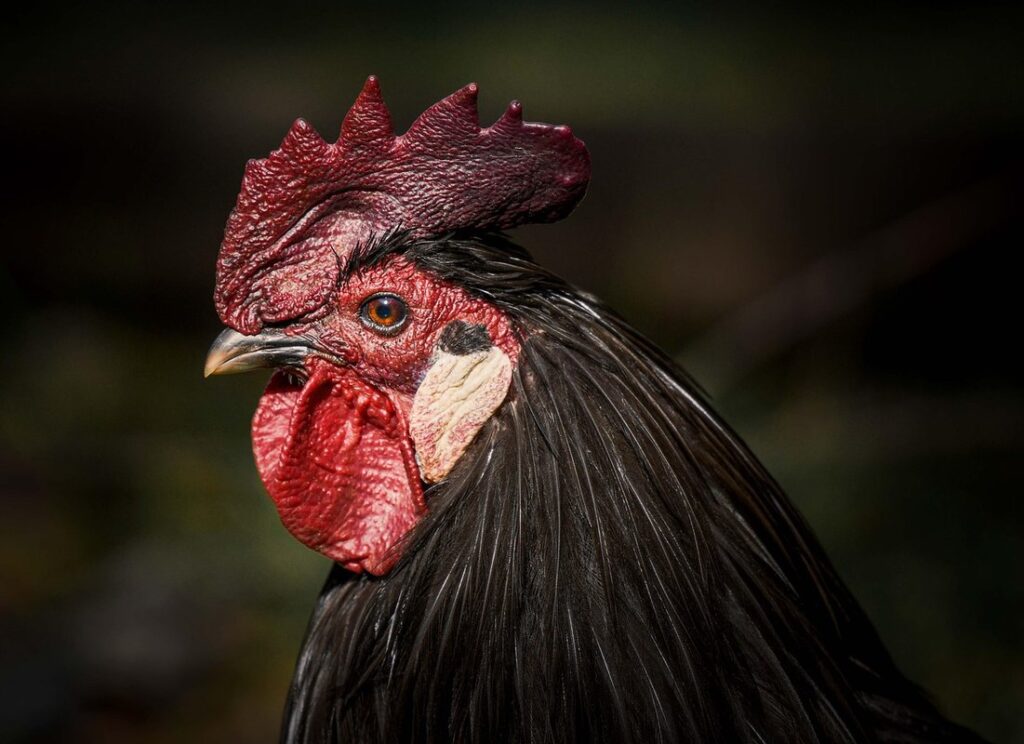
The Black Copper Marans hen’s stunning plumage is one of its most striking features. Characterized by a deep, rich copper color that’s almost black, this distinctive feathering sets the breed apart from others. The exact shade can vary depending on factors such as lighting and individual bird characteristics, but it’s always a mesmerizing sight to behold.
To understand why Black Copper Marans hens have this unique plumage, let’s look at their genetics. Through selective breeding, poultry enthusiasts have aimed to intensify the copper color, resulting in today’s impressive hue. This process has also led to other desirable traits like compact size and egg-laying prowess. When it comes to maintaining this beautiful plumage, regular grooming is essential. Keeping your Black Copper Marans hen’s feathers clean and well-oiled will help prevent matting and promote healthy growth.
Some breeders recommend a special conditioning treatment every few months to enhance the copper color. However, be cautious not to overdo it – too much product can damage the feathers or cause skin irritation. Instead, opt for a gentle, non-toxic conditioner suitable for your bird’s specific needs.
Body Type and Size
The Black Copper Marans hen is known for its distinctive and attractive physical characteristics, but one of the breed’s most notable features is its body type and size. One of the defining aspects of this breed is its muscular build, which gives it a sturdy and compact appearance. When compared to other breeds, the Black Copper Marans is considered to be of moderate size, making them an excellent choice for backyard flocks where space may be limited.
In terms of overall dimensions, you can expect these hens to weigh between 4-6 pounds and stand approximately 24-28 inches tall at the shoulder. Their compact frame is one of their most attractive features, as it allows them to thrive in smaller spaces without sacrificing any of their signature charm. Whether you’re a seasoned breeder or a newcomer to the world of backyard chickens, the Black Copper Marans’ moderate size and muscular build make them an excellent addition to any flock.
Temperament and Personality
When it comes to their personalities, black copper marans hens are known for being friendly and docile, making them a great fit for families and backyard flocks. They tend to be calm and even-tempered individuals.
Friendly and Docile Nature
One of the standout characteristics of the Black Copper Marans hen is its friendly and docile nature. This makes them an excellent choice for families with children who want to introduce their kids to the joys of chicken-keeping. The breed’s gentle disposition also means they’re a great option for those new to raising chickens or looking for a low-maintenance pet.
Black Copper Marans hens are known to be very social birds, thriving in the company of humans and other flock members alike. They’re often described as ” Velcro chickens” due to their tendency to stick close by. This friendly nature makes them perfect for families with children who want to learn about responsibility and caring for animals.
In terms of handling, Black Copper Marans hens are extremely docile and can be picked up gently without much fuss. They’re also relatively quiet, making them a great choice for those who live in urban areas or have noise restrictions. With their calm temperament, they’re easy to handle, and their friendly nature makes them an absolute joy to keep as pets.
Noise Level and Activity Level
When it comes to noise level and activity level, Black Copper Marans hens are known for being relatively quiet birds. Compared to some other breeds, they tend to make less commotion, making them a great choice for backyard flock owners who live in close proximity to neighbors.
On average, Black Copper Marans hens produce around 200-250 eggs per year, and they’re not too loud when doing so. In fact, their gentle clucking is often described as soothing rather than ear-piercing. This makes them an excellent choice for families with young children or for those who prefer a more peaceful backyard environment.
In terms of activity level, Black Copper Marans hens are considered to be moderately active birds. They enjoy foraging and exploring their surroundings, but they’re not high-strung or prone to excessive flying around. If you’re looking for a breed that will happily spend its days pecking at bugs in the yard while still providing plenty of eggs, Black Copper Marans could be an excellent fit.
Some owners have reported that their Black Copper Marans hens are more active during the spring and summer months when there’s an abundance of fresh food available. During this time, they may require a bit more attention to ensure they’re getting enough exercise and mental stimulation.
Egg-Laying Abilities
When it comes to egg-laying, black copper marans hens are known for producing some of the most beautiful and unique eggs you’ll ever see. In this next section, we’ll dive into just how prolific they can be!
Unique Egg Coloration
One of the most distinctive features of the Black Copper Marans hen is its dark, chocolate-brown eggs. This breed’s egg-laying abilities are quite impressive, and it’s not just about the quantity – it’s also about the quality and uniqueness of those eggs.
A healthy Black Copper Marans hen will lay an average of 150-200 brown eggs per year, with some individuals producing even more. The eggs themselves are a stunning dark brown color, almost black in some cases, due to the high concentration of pigments called porphyrins. This unique egg coloration is one of the breed’s most recognizable characteristics and a major reason why many backyard chicken keepers fall in love with this variety.
If you’re thinking about raising Black Copper Marans hens for their eggs, here are a few things to keep in mind: provide them with a balanced diet rich in calcium to support strong eggshell production, ensure they have access to plenty of fresh water and space to roam. With proper care, your Black Copper Marans hens will reward you with those gorgeous dark brown eggs that are sure to impress friends and family alike.
Fertility and Hatchability Rates
When it comes to fertility and hatchability rates, Black Copper Marans hens are considered above average compared to other breeds. A study conducted by the American Bantam Association found that Marans eggs had a 90% fertility rate, which is significantly higher than some commercial egg-laying breeds. This is due in part to the breed’s natural foraging behavior and ability to adapt to different environments.
In terms of hatchability, Black Copper Marans hens have been shown to produce chicks with an impressive 75-80% success rate. This can be attributed to their robust eggshell quality, which provides a safe and nourishing environment for developing embryos.
If you’re considering breeding your Black Copper Marans, it’s essential to ensure that they are getting enough nutrients and living in optimal conditions. Provide access to fresh water, high-quality feed, and plenty of space to roam. With proper care, you can expect consistent fertility and hatchability rates from your flock.
It’s worth noting that even with excellent breeding practices, individual hens may still experience variations in fertility and hatchability. However, by choosing healthy breeding stock and providing optimal living conditions, you can minimize these risks and maximize the chances of successful hatchings.
Health Considerations
When keeping black copper marans hens as pets, it’s essential to be aware of their specific health needs and potential issues that may arise. This includes understanding common health problems and preventative measures to ensure your flock stays healthy.
Common Health Issues
As a Black Copper Marans breeder or owner, it’s essential to be aware of the common health issues that can affect this breed. One of the most significant concerns is feather pecking, a behavior where hens peck at and damage their own feathers. This can lead to stress, pain, and even infections.
To prevent feather pecking, provide your Black Copper Marans with adequate forage, dust baths, and scratching posts to keep them stimulated and engaged. Make sure they have enough space to move around and exercise, as boredom can contribute to this behavior. Regularly inspect their feathers for any signs of damage or stress, and consider using visual barriers to block their view of other birds if necessary.
Obesity is another common issue in Black Copper Marans, particularly if they’re overfed or under-exercised. Monitor your hens’ food intake and ensure they have access to plenty of fresh water at all times. Limit treats and use high-quality feed specifically formulated for egg-laying breeds like the Black Copper Marans.
By being proactive and monitoring your birds’ health closely, you can help prevent these issues and keep your flock happy and healthy. Regular veterinary check-ups and a balanced diet will go a long way in maintaining the overall well-being of your Black Copper Marans hens.
Grooming and Maintenance Needs
Black Copper Marans hens have distinct grooming and maintenance needs that you’ll want to be aware of as their owner. One key aspect to consider is their shedding habits. Like many breeds, Black Copper Marans experience a natural molting process, where they shed their old feathers to make way for new growth. This typically occurs seasonally, but can also happen due to stress or changes in environment.
To manage your hen’s shedding, provide regular access to dust baths and ensure her coop is well-ventilated. This will help reduce the amount of loose feathers and keep her overall health in check. Nail care is another crucial aspect to consider. Black Copper Marans hens require regular trimming of their nails to prevent overgrowth, which can lead to discomfort and mobility issues.
A good rule of thumb is to trim your hen’s nails every 4-6 weeks. You’ll want to be cautious not to cut the quick (the sensitive part of the nail), as this can cause pain and bleeding. Use a good quality nail clipper specifically designed for poultry, and follow proper cutting techniques to avoid any issues. By staying on top of your hen’s grooming needs, you’ll help her stay happy and healthy.
Care and Management
To keep your black copper marans hens happy and healthy, it’s essential to provide them with proper care and management. This includes a well-balanced diet and regular health checks.
Housing and Equipment Requirements
When it comes to housing and equipping your Black Copper Marans hens, there are several key considerations to keep in mind. First and foremost, these birds require ample space to roam and exercise. A good rule of thumb is to provide at least 2-4 square feet of floor space per hen inside the coop, with an additional 8-10 square feet of outdoor run or enclosed area for them to stretch their wings.
In terms of coop size, a single-story coop with multiple nesting boxes is ideal. Aim for a minimum of one nesting box per three hens, and consider adding a few extra just in case some of your girls get broody! Ventilation is also crucial – you’ll want to ensure that there are adequate windows, vents, or fans to keep the air circulating and prevent ammonia buildup from droppings.
In terms of equipment, Black Copper Marans are relatively low-maintenance birds, but they do appreciate a few creature comforts. A sturdy roost bar or perch is essential for their evening roosting habits, while a feeding station or two will make mealtime easier to manage.
Diet and Nutrition Needs
When it comes to providing optimal care for your Black Copper Marans hens, ensuring they receive a balanced diet is crucial. As with all breeds, their nutritional needs can vary depending on factors such as age, health, and productivity.
In terms of grain requirements, Black Copper Marans hens are considered heavy egg layers and therefore require more energy-rich feed to support their high egg production. You should aim for a laying hen feed that contains around 16-18% protein to meet this need. A mix that includes grains such as oats, barley, and wheat will provide them with the necessary carbohydrates.
In addition to their regular feed, Black Copper Marans hens may benefit from supplements. Limestone or oyster shells can be added to their diet to provide essential calcium for strong eggshell production. You should also consider adding a source of omega-3 fatty acids such as flaxseed to support their overall health and well-being.
A good rule of thumb is to consult with your veterinarian or a qualified poultry expert to determine the specific nutritional needs of your flock based on their age, size, and any health conditions they may have.
Breeding and Raising
If you’re planning to breed or raise black copper Marans hens, understanding their unique needs is essential for success. This section will walk you through the process of breeding and raising these stunning birds.
Tips for Breeding Success
When it comes to breeding Black Copper Marans hens, selecting high-quality breeding stock is crucial for achieving success. To start, you’ll want to look for birds that demonstrate excellent egg-laying ability, as this is a key trait for the breed. Consider evaluating the overall health and vitality of your potential breeding birds, looking for characteristics such as strong plumage, robust legs, and bright eyes.
In addition to selecting healthy birds, it’s also essential to manage your flock in a way that promotes overall well-being. This includes providing a nutritious diet, regular access to fresh water, and plenty of space to roam. By keeping your flock happy and healthy, you’ll be more likely to achieve the desired breeding outcomes.
It’s also important to consider maintaining a balanced gene pool within your flock. To do this, try incorporating new bloodlines from reputable breeders or participating in regional shows to introduce fresh genetics. Regularly monitoring your birds’ performance will help you identify areas for improvement and refine your breeding strategy over time.
Raising Chicks and Pullets
Raising chicks and pullets requires attention to their nutritional needs, vaccination schedules, and socialization. For Black Copper Marans hens, it’s essential to provide a balanced diet from day one. A starter feed with 18-20% protein is recommended for the first few weeks, while older birds can transition to a layer feed with around 16% protein.
Vaccination schedules vary depending on your location and local regulations. Typically, chicks are vaccinated against Marek’s disease, infectious bronchitis, and Newcastle disease at one week old. Pullets usually receive their final vaccination dose at 18-20 weeks of age.
When introducing new birds to the flock, it’s crucial to do so gradually to prevent stress and feather pecking. Start by placing the new bird in a separate enclosure adjacent to the existing flock for a few days before releasing them together. Monitor their behavior closely during this period. Remember that Black Copper Marans hens can be prone to flightiness, especially during the early stages of socialization.
Keep an eye on your birds’ overall health and adjust their diet accordingly. A well-balanced feed should include essential nutrients like calcium, phosphorus, and vitamin D3 for optimal growth and development.
Frequently Asked Questions
Can I keep Black Copper Marans hens as pets if I don’t plan to breed them?
Yes, these hens make excellent pets due to their friendly and docile nature. They are relatively low-maintenance compared to other breeds, requiring less fussing over and more attention towards their needs. This makes them an ideal choice for backyard chicken enthusiasts who want a stress-free experience.
How do I ensure my Black Copper Marans hens get enough exercise?
Providing adequate space and a balanced environment is key. Ensure your flock has enough room to roam, with access to perches, dust baths, and scratching posts. You can also supplement their physical activity by letting them free-range under close supervision.
Can I mix Black Copper Marans hens with other breeds in my flock?
Yes, these birds are generally known for being easy-going and adaptable. However, introducing new breeds can be challenging, so it’s essential to do it gradually and monitor the behavior of both the Black Copper Marans and the introduced birds.
How long does it take for a Black Copper Maran hen to start laying eggs?
Typically, a healthy pullet will begin laying eggs around 20-24 weeks of age. However, this can vary depending on factors like nutrition, health, and individual bird development. Ensure your chicks are receiving proper care and nutrients from an early age to support optimal egg production.
Can I hatch Black Copper Marans eggs myself, or should I seek professional help?
While it’s possible to hatch eggs yourself with some experience and the right equipment, it can be a challenging process. If you’re new to chicken breeding, it may be more beneficial to start by working with an experienced breeder or taking a course on poultry husbandry to ensure successful hatching rates.