
If you’re an avid chicken enthusiast or just starting to explore the world of backyard poultry, chances are you’ve heard about the mesmerizing Blue Copper Marans breed. What sets them apart from other egg-laying hens is their unique and enchanting dark chocolate brown eggs with subtle blue undertones – a characteristic that’s both fascinating and coveted among chicken keepers. But what makes these eggs so special? Beyond their striking appearance, Blue Copper Marans eggs are said to have several health benefits due to the antioxidants and nutrients present in them. If you’re interested in raising this breed or simply learning more about their characteristics and care requirements, we’ll be covering everything you need to know about Blue Copper Marans egg color in this article, from their origins to expert tips on how to raise them successfully.
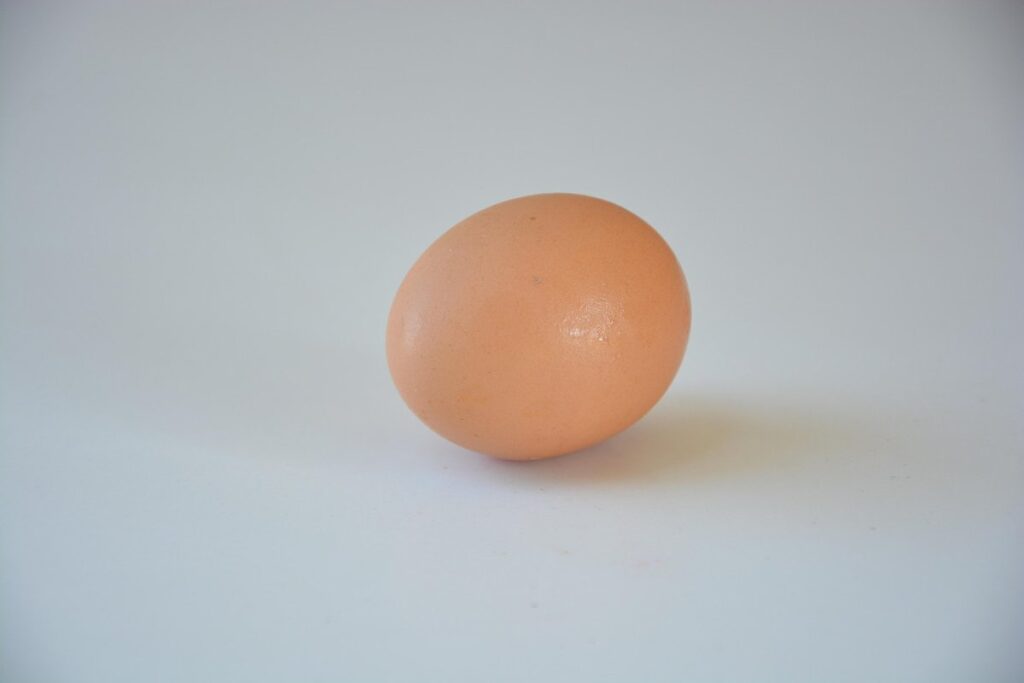
What are Blue Copper Marans?
So, you’re curious about the mysterious Blue Copper Marans breed and how it got its signature egg color. Let’s dive into what makes them so unique.
Origin and History of the Breed
The Blue Copper Marans breed has a rich history that dates back to 17th-century France. Originating from the Marans region in western France, this breed was initially bred for its unique egg-laying abilities and robust constitution. The name ‘Marans’ is derived from the town of La Marans in Charente-Maritime, where the breed’s ancestors were first recorded.
Over time, the Blue Copper Marans developed a distinctive copper-colored plumage, which has become one of its defining features. However, it was the arrival of Dutch breeder Jan Zoon in 2000 that led to the introduction of the blue egg-laying trait to the breed. This genetic modification gave birth to the Blue Copper Maran we know today.
Interestingly, the name ‘Copper’ refers not only to the bird’s plumage but also its copper-colored eggs, which are rich in omega-3 fatty acids and other essential nutrients. The Blue Copper Marans’ unique egg-laying ability has made it a popular choice among backyard chicken keepers seeking rare and exotic eggs for their families.
Characteristics of the Blue Copper Maran
The Blue Copper Maran is a majestic breed known for its stunning egg-laying abilities and enchanting characteristics. When it comes to their physical traits, they boast a sleek black plumage with a subtle blue sheen, giving them an iridescent appearance. Their bright red eyes are like nothing you’ve ever seen before – adding to the charm of this exceptional bird.
But what truly sets the Blue Copper Maran apart is its gentle and affectionate nature. They make ideal backyard chickens for families or small farms, as they’re relatively low-maintenance and easy-going. In fact, many owners rave about their calm demeanor, making them a perfect choice for those with children or pets around.
One notable trait of this breed is their impressive egg-laying abilities. Blue Copper Marans are known to produce some of the largest brown eggs you’ll ever see – often weighing in at over 50 grams! Their unique combination of genetics and temperament makes them an excellent choice for anyone looking to add some serious egg-laying power to their flock.
In terms of care, it’s essential to provide your Blue Copper Marans with a balanced diet rich in calcium and protein. A mix of high-quality layer feed and fresh fruits and veggies will keep them happy and healthy – leading to those coveted large eggs!
The Science Behind Blue Egg Color
But have you ever wondered why these eggs are such a striking blue color? Let’s dive into the fascinating science behind this remarkable trait.
How Pigmentation Works in Chicken Eggs
When it comes to the unique blue color of Blue Copper Marans eggs, understanding the science behind pigmentation is fascinating. The genetics that govern eggshell color are quite complex, but we can break down the key players involved.
At its core, eggshell color is determined by two main pigments: oocyanin and porphyrins. Oocyanin is responsible for imparting a blue or greenish tint to the eggshell, while porphyrins contribute a reddish-brown hue. The interaction between these two pigments creates the characteristic blue-gray color of Blue Copper Marans eggs.
Think of it like mixing paint – if you add more oocyanin than porphyrin, you’ll get a deeper blue color. But if the ratio is reversed, the eggshell will take on a more greenish tint. This delicate balance is what gives Blue Copper Marans their distinctively beautiful eggs.
To put this into perspective, consider that the genetics of eggshell pigmentation are influenced by multiple genes working together in synergy. While it’s not possible to manipulate these genes directly, breeders can use selective breeding techniques to emphasize the traits they want to see – like the captivating blue color of Blue Copper Marans.
Factors Influencing Egg Color
When it comes to the stunning blue copper Marans eggs, several environmental factors can influence their color. You might wonder if you’re providing the best living conditions for your flock to produce those enchanting blue eggs.
Diet plays a significant role in eggshell color. Hens require a balanced diet rich in protein and calcium to develop strong bones and shells. A lack of these essential nutrients can lead to weaker eggshells, which may appear pale or washed out. To ensure vibrant blue eggs, focus on providing high-quality layers feed supplemented with calcium-rich foods like crushed oyster shells.
Health is another crucial factor affecting eggshell color. Hens experiencing stress, parasites, or diseases may produce eggs with unusual colors or patterns. Keep your flock healthy by maintaining a clean coop, providing fresh water, and monitoring for signs of illness.
Lastly, living conditions significantly impact eggshell color. Temperature fluctuations, humidity levels, and exposure to sunlight can influence the egg’s color intensity. By controlling these environmental factors, you’ll be one step closer to coaxing those breathtaking blue eggs from your Marans hens.
Blue Copper Marans Egg Characteristics
When it comes to the eggs of our beloved Blue Copper Marans, one of the most striking features is their rich, dark color and unique characteristics that set them apart from other breeds. Let’s take a closer look at what makes these eggs so special.
Size, Shape, and Color Variation
Blue Copper Maran eggs are not only breathtakingly beautiful but also remarkably consistent in their size and shape. On average, you can expect these eggs to measure around 1.5-2 inches (38-51 mm) in length and about 1 inch (25 mm) in width. While some enthusiasts have reported slightly larger or smaller eggs, this range is generally what you’ll find from reputable breeders.
When it comes to the shape of Blue Copper Maran eggs, they tend to be medium-dark brown with a subtle sheen, giving them a beautiful blue-gray appearance. The color is often described as having a ‘washed’ or ‘blue-wine’ tint, which can vary in intensity depending on individual bird’s characteristics.
Some breeders and enthusiasts have noted variations in the eggshell texture, with some eggs exhibiting a slightly more pronounced ribbing pattern than others. However, this is relatively rare and not typically associated with any specific trait or genetic marker.
Keep in mind that true breed conformity requires adhering to established standards and guidelines for size and coloration. If you’re new to keeping Blue Copper Marans, consult reputable sources for guidance on selecting birds from trusted breeding stock to ensure consistent egg characteristics.
Shell Texture and Strength
One of the most distinctive and appealing aspects of Blue Copper Marans eggs is their shell texture and strength. When held in hand, these eggs feel substantial and sturdy due to their medium-thick shell walls. This texture provides an added layer of protection for the developing chick inside.
In terms of durability, Blue Copper Marans eggs are remarkably resilient. They can withstand minor bumps and drops without sustaining significant damage. However, it’s essential to note that even with a robust shell, eggs should still be handled carefully to avoid breakage.
When storing or transporting these eggs, consider using a sturdy container or carton specifically designed for egg transport. This will help minimize the risk of cracking or breaking during transit. Additionally, keep the eggs pointed end down to prevent any moisture from seeping in and causing damage.
Health Benefits and Production Potential
Not only are Blue Copper Marans eggs stunningly beautiful, but they also offer several health benefits and exceptional production potential. Let’s explore what makes these unique eggs so valuable to backyard chicken keepers.
Nutritional Content and Egg Quality
When it comes to the nutritional content of Blue Copper Marans eggs, you’ll be pleased to know that they’re not only a feast for the eyes but also a healthy choice for those looking to boost their nutrient intake. One of the standout benefits of these eggs is their high omega-3 fatty acid content. These essential fatty acids play a vital role in heart health, brain function, and even fetal development during pregnancy.
In fact, studies have shown that eggs from heritage breeds like Blue Copper Marans tend to be higher in omega-3s compared to commercial egg producers. This is due to the breed’s unique genetic makeup, which allows them to roam freely and forage for their food, resulting in a more diverse and nutrient-rich diet.
Other essential nutrients found in Blue Copper Marans eggs include vitamins A and E, as well as minerals like iron and zinc. These nutrients are crucial for maintaining healthy skin, hair, and eyes, while also supporting immune function and energy production.
When it comes to choosing the best Blue Copper Marans eggs for your family’s needs, look for those that are labeled “pasture-raised” or “free-range.” This ensures that the hens were allowed to roam freely and feed on a diverse diet of grasses and insects. By incorporating these eggs into your diet, you’ll not only be indulging in their unique blue-green color but also reaping the numerous health benefits they have to offer.
Flock Management and Productivity
Managing your flock effectively is crucial to maximizing egg production while ensuring the health and well-being of your Blue Copper Marans. These birds are known for their high productivity, laying an average of 180-200 brown eggs with a blue sheen per year. To maintain optimal production levels, it’s essential to provide them with a balanced diet that includes protein-rich foods like insects and mealworms.
In addition to nutrition, make sure your flock has access to clean water at all times. A good rule of thumb is to change the water daily to prevent bacterial growth. Also, keep their coop well-ventilated and maintained regularly to prevent disease outbreaks. Provide adequate space for your birds to move around freely – a minimum of 2-3 square feet per bird.
Regular egg production checks will also help you identify any potential issues early on. Monitor your flock’s overall health by checking for signs of stress, illness, or injury. With proper management and care, your Blue Copper Marans can thrive and produce eggs with their signature blue sheen for years to come.
Breeding and Raising Blue Copper Marans
If you’re considering bringing these stunning birds into your flock, learning how to breed and raise them is essential for preserving their unique characteristics. This requires careful planning and attention to detail.
Selection Criteria and Breed Standards
When breeding Blue Copper Marans, it’s crucial to adhere to breed standards and selection criteria to ensure you’re raising healthy, fertile stock that meets the unique characteristics of this enchanting breed. The primary breed standard for Blue Copper Marans is their rich, dark blue eggs, but it’s equally important to prioritize their overall health and temperament.
To achieve this, select hens with strong, sturdy builds, good egg-laying abilities, and a calm demeanor. When evaluating breeding stock, look for birds that consistently produce high-quality eggs with the desired coloration. A minimum of 50% of the flock should be laying eggs with the correct blue tint to meet breed standards.
Some key considerations when selecting breeding stock include:
* Genetic diversity: Ensure you’re not inbreeding your flock, which can lead to health issues and reduced fertility.
* Pedigree: Research the ancestry of your birds to guarantee their genetic makeup aligns with breed standards.
* Health clearances: Verify that your birds have undergone necessary health tests, such as MHC typing and Avian Influenza vaccination.
By following these guidelines and prioritizing the health and well-being of your Blue Copper Marans, you’ll be well on your way to raising a thriving flock that meets breed standards.
Care and Management for Young Chicks
When it comes to caring for young Blue Copper Marans chicks, nutrition is paramount. Provide them with a high-quality starter feed that’s rich in protein (20-22%) and calcium (1.5-2% for the first 4-6 weeks). Supplement their diet with fresh vegetables like leafy greens, carrots, and sweet potatoes, which are easy to digest.
A safe and comfortable environment is crucial for the chicks’ growth and development. Ensure they have adequate shelter from drafts, predators, and extreme temperatures (around 90-95°F during the day). You can achieve this by providing a well-ventilated coop or brooder with soft bedding like wood shavings or straw.
Socialization is equally important for young Blue Copper Marans chicks. Introduce them to their surroundings gradually, starting with gentle handling and exposure to different textures, sights, and sounds. This will help them become confident, friendly birds that are less likely to fear humans or exhibit aggressive behavior later on.
For the first few weeks, it’s recommended to keep the chicks in a separate area from adult hens, as their immune systems may be vulnerable to diseases. Once they reach about 6-8 weeks old, you can start introducing them to the flock under close supervision.
Marketing and Selling Blue Copper Maran Eggs
Now that you’re familiar with the unique characteristics of blue copper maran eggs, let’s dive into how to effectively market and sell these gorgeous eggs to potential customers. You’ll learn valuable tips on showcasing their appeal.
Identifying Your Target Market
When it comes to identifying your target market for Blue Copper Maran eggs, understanding consumer demand and trends is crucial. Research suggests that consumers are increasingly seeking unique, high-quality egg products from heritage breeds like the Blue Copper Marans. This breed’s distinctive blue-green eggs are a major draw, commanding a premium price in the market.
To tap into this demand, consider targeting health-conscious consumers who prioritize nutrition and sustainability. These individuals often seek out locally sourced, organic, or free-range egg options that align with their values. Online platforms like local farmers’ markets, social media groups, and specialty food stores can be great places to connect with potential buyers.
When refining your target market, also consider factors such as geographical location, lifestyle, and age. Urban dwellers may prioritize convenience and accessibility, while rural consumers might place more emphasis on farm-to-table experiences. Understanding these nuances will help you tailor your marketing efforts and product offerings to meet the needs of your target audience effectively.
Packaging, Branding, and Sales Strategies
When it comes to marketing and selling blue copper Maran eggs, effectively packaging and branding is crucial. It’s not just about placing your products on a shelf; it’s about creating an experience for the customer. To start, consider custom packaging that highlights the unique characteristic of these eggs – their stunning blue color.
For instance, you could use blue-tinted boxes or wraps to create a cohesive look. This will instantly grab the attention of potential buyers and make them more likely to pick up your product. You can also include inserts with fun facts about the breed, such as their origins in France or their rich brown eggs. This adds an educational component and makes the purchase experience more engaging.
In terms of branding, leverage the ‘blue’ theme by creating a distinctive logo or label that features blue hues. Use this consistent visual identity across all marketing materials, from social media to packaging. By doing so, you’ll create brand recognition and make your products stand out in a crowded market.
Frequently Asked Questions
Can I raise Blue Copper Marans as a beginner?
If you’re new to raising backyard chickens, it’s great that you’re considering the Blue Copper Maran breed! While they do have unique characteristics and requirements, with proper research and planning, you can successfully raise them. Start by learning about their specific needs for space, nutrition, and health care. Consult with experienced breeders or join online forums to get valuable insights from fellow chicken keepers.
How long does it take for Blue Copper Marans to start laying eggs?
After hatching, chicks typically take around 18-24 weeks (4.5-6 months) to mature and begin laying eggs. However, some breeds may reach egg-laying maturity earlier or later than this average timeframe. Factors like nutrition, health, and genetics play a significant role in determining when your Blue Copper Marans will start producing eggs.
Can I keep Blue Copper Marans as pets without worrying about egg production?
Yes, you can definitely raise Blue Copper Marans for their companionship rather than solely for egg production. These birds are known to be friendly, docile, and entertaining to watch. However, keep in mind that they still require regular care, exercise, and attention. Research local regulations regarding backyard chickens before deciding on keeping them as pets.
How do I ensure my Blue Copper Marans eggs stay fresh for a longer period?
To maintain the quality and freshness of your Blue Copper Marans eggs, store them in a cool, dry place with proper ventilation. Avoid direct sunlight and heat sources that can cause spoilage. Also, wash your hands thoroughly before handling the eggs to prevent bacterial contamination.
Can I cross-breed Blue Copper Marans with other breeds for unique egg color variations?
While it’s technically possible to cross-breed different chicken breeds, doing so may compromise the quality and consistency of their eggs. The genetics behind the Blue Copper Marans’ distinctive egg color are complex, making it challenging to predict the outcome of cross-breeding. Experienced breeders recommend sticking with reputable bloodlines for consistent results.