
If you’re like many backyard chicken enthusiasts, you’re probably on the hunt for the perfect blue egg laying hens to join your flock. Not only do these beautiful birds add a pop of color to your farm or homestead, but they also provide delicious and nutritious eggs that are in high demand.
However, with so many breeds to choose from, selecting the right blue egg laying hens can be overwhelming. That’s why we’ve put together this comprehensive guide to help you make an informed decision. We’ll not only share our top picks for the best blue egg laying hens breeds, but also provide expert advice on creating a suitable coop and providing optimal nutrition to maximize egg production. Whether you’re a seasoned farmer or just starting out, this list will help you get started on your journey to becoming a successful backyard chicken keeper.
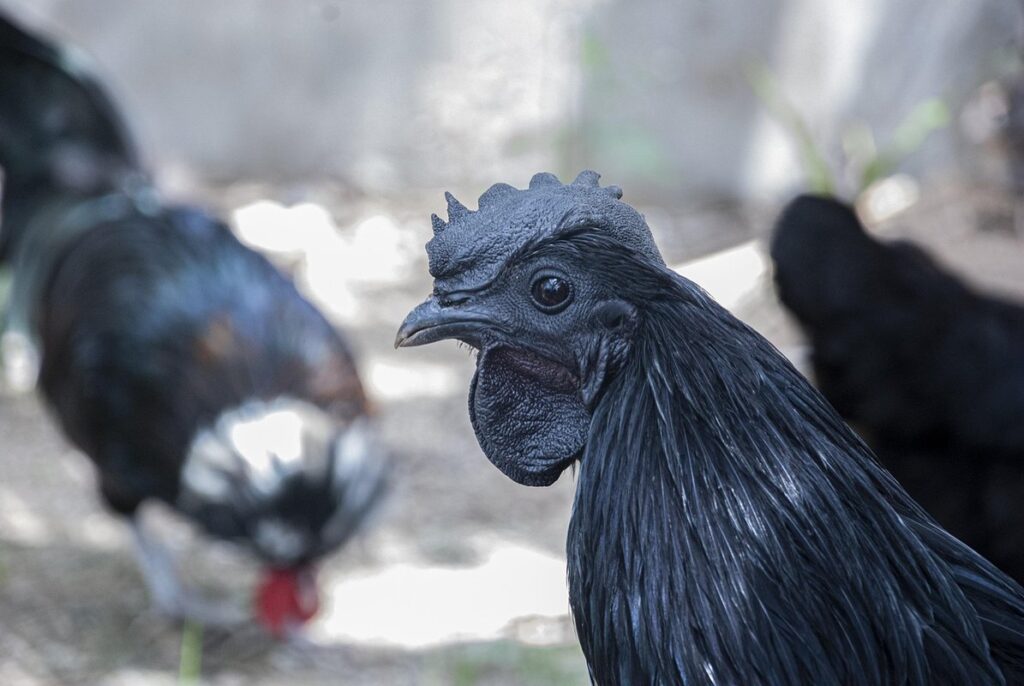
Choosing the Right Breed
When it comes to choosing the perfect blue egg laying hens for your backyard flock, understanding their breed is crucial. Let’s explore some popular breeds that are known for their beautiful blue eggs and unique characteristics.
Characteristics of Blue Egg Layers
When it comes to blue egg laying hens, their physical characteristics can give you an idea of what to expect from these birds. One of the most notable features is their plumage, which is often described as a mix of grey, blue, and silver feathers that create a stunning iridescent effect in the light. The exact shade of blue can vary depending on the breed, but most blue egg layers have a predominantly grey or slate-colored body with blue highlights.
In terms of size, blue egg laying hens tend to be medium-sized birds, weighing between 4-6 pounds (1.8-2.7 kg) and standing about 20-25 inches (50-63 cm) tall. This makes them a great choice for backyard flocks where space is limited.
Temperament-wise, blue egg layers are generally known to be friendly and docile, making them an excellent choice for beginners or families with children. They are often described as gentle and easy-going, but can also be quite active and require regular exercise to keep them happy and healthy.
Popular Blue Egg Layer Breeds
When it comes to blue egg laying hens, you’ll find that many breeds share this unique trait. Here are some of the most popular ones:
The Araucana is a top choice among backyard chicken keepers due to its stunning blue eggs and friendly demeanor. This South American breed lays an average of 200-220 brown-blue tinted eggs per year. Another notable mention is the Ameraucana, which produces turquoise or blue-green eggs. These birds are known for their hardiness and ability to thrive in cold climates.
The Easter Egger is another popular breed that often inherits the blue egg trait from its Ameraucana parent. They lay an average of 280-300 blue or greenish-blue eggs per year. The Marans, a dark chocolate-brown egg layer, also produces a shade of blue on occasion due to the genetics of some hens.
Each of these breeds brings its unique characteristics and advantages to your flock, so it’s essential to research and choose the one that best fits your needs and lifestyle. Consider factors such as climate, space requirements, and personal preferences when selecting a breed for blue egg laying potential.
Factors to Consider When Selecting a Breed
When selecting a blue egg laying hen breed for your flock or backyard coop, there are several factors to consider. First and foremost, think about the size of your coop and run. Larger breeds require more space to roam, so if you have limited space, it’s essential to choose a smaller breed that will thrive in compact quarters.
Another critical factor is egg production. If you’re looking for hens that will provide a steady supply of blue eggs, consider breeds known for their high egg-laying capacity. Some popular options include the Araucana and Ameraucana, which can lay up to 200-220 blue eggs per year. However, if you prioritize temperament over productivity, look into friendly breeds like the Easter Egger or Polish.
Climate and temperature tolerance are also essential considerations. If you live in an area with extreme weather conditions, choose breeds that are hardy and adaptable. Lastly, don’t forget about feather maintenance – some blue egg laying hens have beautiful, flowing plumage that requires regular care.
Housing and Nutrition
When it comes to keeping blue egg laying hens happy and healthy, providing a suitable environment for living quarters and access to nutritious food is essential. Let’s dive into the specifics of housing and nutrition for these wonderful birds.
Coop Design and Blue Egg Layer Requirements
When it comes to designing a coop for blue egg laying hens, there are several key factors to consider. First and foremost, ventilation is crucial to prevent the buildup of ammonia from their droppings, which can be toxic to the birds. You’ll want to ensure that your coop has adequate windows and vents to provide cross-ventilation, especially in warmer climates.
In terms of lighting, blue egg laying hens require a minimum of 14 hours of daylight per day to produce eggs at optimal rates. However, this can be challenging during winter months when natural light is scarce. Consider installing LED grow lights specifically designed for poultry use, which can provide the necessary spectrum and intensity for healthy growth.
In addition to ventilation and lighting, your coop should also include ample perching space for your birds. A good rule of thumb is to provide at least 12 inches of perch space per bird, with multiple levels or tiers to prevent overcrowding and stress. This will help keep your hens happy and healthy, and encourage them to lay those beautiful blue eggs!
Nutrition for Optimal Egg Production
When it comes to ensuring your blue egg laying hens produce eggs at their optimal level, nutrition plays a crucial role. These birds require a balanced diet that meets their unique nutritional needs, which are different from those of regular egg-laying hens.
The primary feed type for blue egg layer hens is a high-quality layer feed that contains the right balance of protein, calcium, and other essential nutrients. Look for a feed that has a minimum of 16% protein to support muscle growth and maintenance. Calcium content should also be around 3.5%, as this helps in maintaining strong bones and producing eggshells.
In addition to regular layer feed, supplements can provide extra benefits. For example, adding oyster shells or crushed eggshells to their diet will help increase calcium levels, promoting stronger eggshell production. Other essential nutrients like vitamins A, D3, and E are also crucial for optimal health and egg-laying performance.
It’s also vital to ensure access to clean, fresh water at all times. Change the water frequently to prevent bacterial growth, which can lead to diseases in hens. Providing a balanced diet along with good water quality will help your blue egg layer hens reach their full potential, producing healthy and delicious eggs.
Foraging and Free-Range Opportunities
Providing foraging opportunities is essential for blue egg laying hens to live a happy and healthy life. Free-range access allows them to engage in natural behaviors like pecking, scratching, and foraging for food. This not only stimulates their minds but also helps maintain their physical health.
Free-range access has numerous benefits for your flock. For one, it reduces the risk of disease and obesity, as hens are more likely to exercise and naturally regulate their diet. Additionally, free-range hens tend to have stronger immune systems and better overall well-being. Some farmers even report a decrease in stress-related behaviors like feather pecking and cannibalism.
To provide foraging opportunities for your blue egg laying hens, consider the following: Create a secure and predator-proof outdoor area where they can roam freely. Incorporate diverse plants, including herbs, grasses, and wildflowers, to encourage exploration and nutrient-rich foraging. Ensure adequate shelter and shade to protect them from harsh weather conditions.
Incorporating these free-range principles will not only enhance the quality of life for your hens but also result in better egg production and overall flock health.
Health Considerations
When it comes to keeping blue egg laying hens as pets, there are several health considerations you’ll need to keep in mind for their well-being. Let’s discuss the key factors.
Common Health Issues Affecting Blue Egg Layers
Blue egg laying hens, like any other breed, can be prone to certain health issues. Respiratory problems are a common concern, especially in young birds. Symptoms include labored breathing, wheezing, and coughing. Fowl cholera, air sac mucus, and tracheal dilation are some of the conditions that can lead to respiratory distress.
Parasites such as mites, lice, and ticks can also affect blue egg layers. These external parasites feed on the bird’s blood, causing anemia, stress, and discomfort. Regular cleaning of coops, monitoring for signs of infestation, and using integrated pest management techniques are essential in controlling parasite populations.
Reproductive disorders, such as egg binding, dystocia, and reproductive tract diseases, can also impact blue egg laying hens. Factors like age, nutrition, and genetics contribute to these issues. It’s crucial to provide a balanced diet, maintain optimal living conditions, and monitor your flock’s health regularly to prevent or detect these problems early on.
Keep an eye out for any unusual behavior or changes in your birds’ physical condition, as timely intervention can make a significant difference in preventing the progression of these conditions.
Vaccination and Biosecurity Measures
Maintaining the health and well-being of your blue egg laying hens is crucial to ensuring their productivity and longevity. A critical aspect of flock management is implementing vaccination and biosecurity measures to prevent disease outbreaks.
Regular vaccinations protect your birds against common diseases such as Newcastle disease, infectious bronchitis, and avian influenza. Consult with a veterinarian to determine the best vaccination schedule for your flock, taking into account factors like age, breed, and production level. Additionally, maintain accurate vaccination records to ensure timely booster shots.
To enhance biosecurity measures, isolate new birds from existing flocks for at least 30 days before integrating them. Implement strict hygiene practices, including regular cleaning of feeders, waterers, and housing areas. Limit human contact with the flock to prevent disease transmission. Provide a dust-free environment by removing litter and manure regularly.
By prioritizing vaccination and biosecurity measures, you can significantly reduce the risk of disease outbreaks in your blue egg laying hens.
Recognizing Signs of Stress or Illness
Recognizing signs of stress or illness in blue egg laying hens is crucial to ensure their health and well-being. As a responsible chicken keeper, you should be able to identify subtle changes that may indicate a problem. Start by observing your flock’s behavior – are they acting lethargic, aggressive, or fearful? Do they seem disinterested in their food or water?
Changes in appetite can also signal illness or stress. Monitor your hens’ feed intake and weight loss over time. A decrease in egg production can be an early warning sign of health issues. For example, if a healthy hen typically lays 280-300 eggs per year but suddenly starts laying fewer than 200, it may indicate an underlying problem.
Other signs to watch out for include changes in droppings (watery or bloody diarrhea), labored breathing, and unusual vocalizations. Regularly inspect your hens’ living conditions, including their coop, run, and feeding areas, to ensure they are free from stressors like overcrowding, poor ventilation, and pest infestations.
Egg Production and Management
If you’re planning to raise blue egg laying hens, understanding their egg production cycle is crucial for efficient management. This includes factors like breed-specific productivity and environmental influences on egg-laying habits.
Understanding the Factors Affecting Egg Production
When it comes to maintaining optimal egg production in blue egg laying hens, several key factors come into play. First and foremost, light exposure is crucial for these birds. A study found that hens exposed to at least 14 hours of daylight produced 20% more eggs than those with limited light exposure (Source: Poultry Science Journal). Ensure your blue egg layers receive sufficient natural light or supplement their diet with UV lighting.
Temperature also significantly impacts egg production. Hens prefer temperatures between 50°F and 80°F, so maintain a comfortable environment in the coop to promote optimal laying. A temperature range that’s too wide can lead to stress, decreased egg production, and even health issues.
Nutrition plays a vital role in egg production as well. Blue egg layers require a balanced diet rich in protein, calcium, and vitamins. Consider adding supplements or adjusting their feed to meet their specific needs. By paying attention to these factors, you’ll be able to support the reproductive health of your blue egg laying hens and maximize their egg-laying potential.
Managing a Successful Flock for Blue Eggs
Managing a successful flock of blue egg laying hens requires attention to their specific needs and living conditions. To maximize egg production, it’s essential to implement a rotation strategy for feeding and cleaning the coop. This means changing the feed every few days and regularly cleaning out the droppings and bedding material in the coop.
For blue egg layers, a diet rich in omega-3 fatty acids is crucial for maintaining strong eggshell quality. Consider supplementing their feed with flaxseed or adding fresh vegetables like spinach and kale to their daily ration. Ensure access to fresh water at all times, and provide a balanced mineral-rich layer feed to support overall health.
In terms of cleaning strategies, adopt a schedule that includes regular removal of soiled bedding material, thorough disinfection of surfaces, and replacement with fresh pine shavings or straw. This will help maintain good air quality, prevent the buildup of disease-causing bacteria, and keep your flock healthy and happy.
Tips for Collecting and Handling Blue Eggs
Collecting and handling blue eggs requires care to maintain their quality and ensure food safety. When gathering eggs from your flock, it’s essential to do so gently to avoid cracking the shells, which can lead to bacterial contamination. Use a clean container or tray lined with paper towels to collect the eggs, taking note of any that may be dirty or damaged.
Store blue eggs in a cool, dry place away from direct sunlight. A temperature range of 35°F to 45°F (2°C to 7°C) is ideal for maintaining their freshness. If you plan to store eggs for an extended period, consider investing in an egg cooler or refrigerating them immediately after collection.
When it comes to refrigeration, keep blue eggs pointy-end down in the coldest part of your refrigerator. This prevents moisture from entering through the larger end and reduces the risk of contamination. Be sure to wash your hands before handling the eggs, and always handle them by their clean, dry ends.
Frequently Asked Questions
Can blue egg laying hens thrive in cold climates?
Yes, many blue egg layer breeds are adaptable to colder temperatures and can thrive in areas with moderate winters. However, it’s essential to provide adequate shelter, insulation, and ventilation in their coop to protect them from extreme cold. Research the specific breed you’re interested in to understand its temperature tolerance.
How often should I collect eggs from my blue egg laying hens?
Collecting eggs daily is recommended to prevent breakage and maintain cleanliness. Regular collection also helps you monitor egg production and detect any potential health issues early on. Consider investing in an egg carton or a designated egg-collecting tray for easy handling.
Can I mix blue egg laying hens with other breeds in my flock?
Yes, many blue egg layer breeds can be integrated into existing flocks without issue. However, it’s crucial to introduce new birds gradually and under close supervision to prevent stress and potential conflicts. Research the temperament and requirements of your current flock to ensure a smooth integration.
How do I recognize if my blue egg laying hens are getting enough nutrition?
Monitor your birds’ overall health, feather condition, and egg production as indicators of proper nutrition. Ensure they have access to high-quality feed, fresh water, and a balanced diet that meets their nutritional needs. Consider consulting with a veterinarian or poultry expert for personalized advice.
Can I raise blue egg laying hens without prior experience?
While it’s possible to start raising blue egg laying hens without prior experience, having some knowledge of chicken care and management will greatly benefit you. Start by researching the specific breed you’re interested in and learning about their unique needs and requirements. Consider consulting online resources or joining a local poultry-keeping community for support and guidance.