
Are you looking for a unique and stunning addition to your backyard or farm? Look no further than the Blue Indian Runner duck breed! With their striking blue-gray feathers and vibrant orange beaks, these ducks are sure to captivate anyone who lays eyes on them. But it’s not just their looks that make them special – they also have a rich history, fascinating temperament, and distinct care requirements.
As we delve into the world of Blue Indian Runner ducks, you’ll learn about their origins, physical characteristics, and what makes them stand out from other breeds. We’ll explore their temperaments, health considerations, and breeding habits, as well as their uses as pets or livestock. Whether you’re a seasoned duck keeper or just starting your journey into the world of waterfowl, this article is packed with essential information to help you make informed decisions about adding these amazing birds to your life.
History and Origins
To truly appreciate these unique waterfowl, let’s delve into their fascinating history and origins, which date back to ancient China. Their evolution is a story of adaptation and selective breeding.
Early Beginnings in Asia
The origins of the Blue Indian Runner duck breed can be traced back to ancient Asia, specifically in China and Southeast Asia. For centuries, these ducks were highly valued for their striking appearance and remarkable running abilities. In fact, they were often kept as pets by royalty and nobility due to their unique characteristics. It’s believed that the Blue Indian Runner was first bred from the Khmer Rouge duck breed, which originated in Cambodia.
Their impressive running skills made them a popular choice among farmers for pest control. These ducks would run freely through rice paddies and fields, chasing after insects and small rodents that threatened crops. The farmers found their unique abilities to be incredibly useful, and thus the breed’s popularity grew throughout Asia. The Blue Indian Runner’s striking blue plumage and lively temperament only added to its allure.
The earliest recorded mentions of the breed date back to the 13th century in Chinese records. It’s said that these ducks were highly prized for their beauty and utility. Their legacy has endured, with many countries still breeding the Blue Indian Runner today.
Development in Europe
In the mid-19th century, the blue Indian runner duck breed was introduced to Europe from its origins in Asia. The breed’s striking appearance and energetic temperament quickly captured the hearts of European poultry enthusiasts. As the popularity of the breed grew, European breeders began to develop their own distinct strains.
One of the key factors contributing to the development of the blue Indian runner duck in Europe was cross-breeding with local waterfowl breeds. This practice allowed European breeders to enhance the existing characteristics of the breed while introducing new traits that suited local tastes and preferences. For example, some European breeders crossed their blue Indian runners with Rouen ducks to create a larger bird with improved egg-laying abilities.
By the early 20th century, the blue Indian runner duck had become a staple in many European backyards and farms, prized for its striking coloration, lively personality, and high egg production. Today, this breed remains popular among European poultry enthusiasts who value its unique charm and hardiness. If you’re considering introducing blue Indian runners to your flock, be sure to research local breed standards and consult with experienced breeders to ensure that you’re selecting birds that thrive in your specific climate and region.
Physical Characteristics and Appearance
When it comes to these stunning birds, one of the first things that catch our attention is their unique appearance. Let’s take a closer look at what makes Blue Indian Runners so striking.
Plumage and Coloration
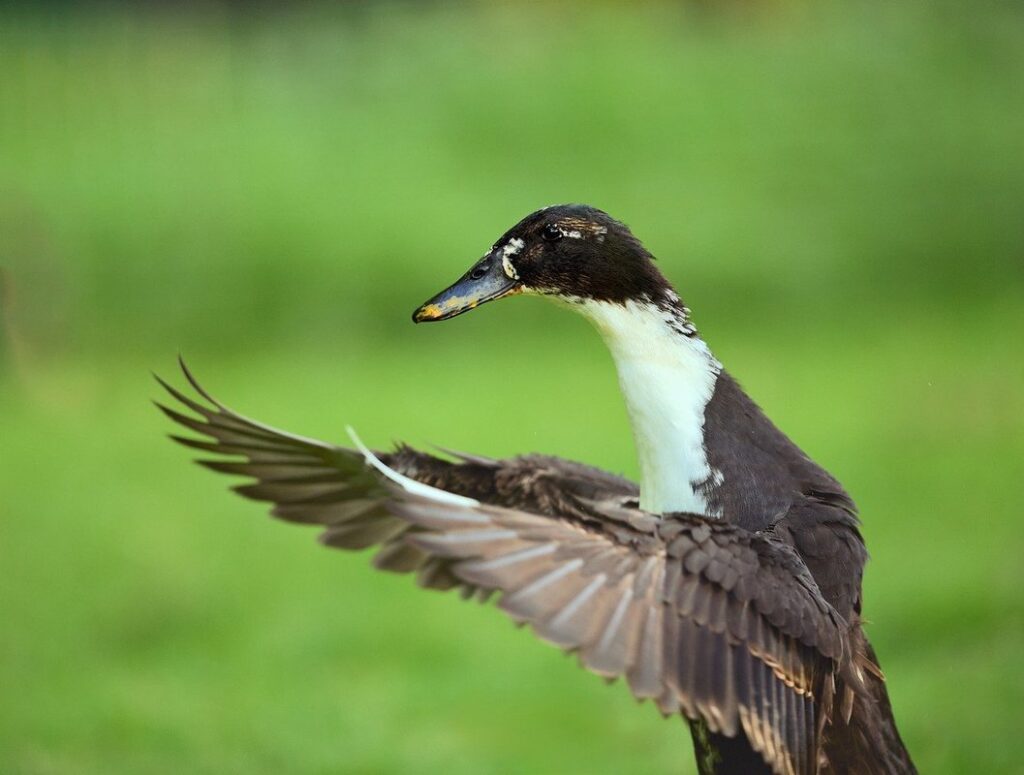
Blue Indian Runner ducks are renowned for their striking appearance, and one of the most distinctive features is their vibrant plumage. The blue coloration that gives them their name is not just a mere surface-level trait; it’s a result of the intricate interplay between genetics, feather structure, and light refraction.
The key to their dazzling blue hue lies in the unique microstructure of their feathers. The microscopic barbs and hooks that make up the feathers’ quill shafts are specially adapted to refract light in such a way that it produces an iridescent effect. This means that the color appears different depending on the angle of view, making each bird’s blue sheen seem almost otherworldly.
One of the most striking aspects of Blue Indian Runner ducks is their metallic sheen, which can range from a deep cerulean to a bright cobalt blue. This vibrant coloration is not just aesthetically pleasing; it also serves as a natural defense mechanism, helping the birds blend in with their surroundings while simultaneously communicating dominance and health to potential mates.
To appreciate your Blue Indian Runner’s unique plumage, try positioning them near a window or in a well-lit area where you can observe how the light affects their feathers. With patience and attention to detail, you’ll be able to see the intricate dance of colors that makes these birds so breathtakingly beautiful.
Body Type and Size
One of the most striking aspects of Blue Indian Runner ducks is their robust build and athletic appearance. As an active breed, they require regular exercise to maintain their physical health and mental well-being. In terms of size, males typically weigh between 2.5-3.9 kg (5.5-8.6 lbs), while females are slightly smaller, ranging from 2-3.4 kg (4.4-7.5 lbs). This size difference is one of the key ways to distinguish between the sexes.
It’s worth noting that Blue Indian Runners are not as large as some other duck breeds, but they still have a sturdy build that allows them to thrive in both backyard and farm settings. Their compact size makes them an excellent choice for small-scale farmers or families with limited space. If you’re considering bringing a Blue Indian Runner into your flock, be prepared to provide regular exercise and mental stimulation to keep them happy and healthy. A daily routine of at least 30 minutes of exercise will help maintain their muscle tone and prevent obesity.
Temperament and Personality
When it comes to interacting with your blue Indian Runner ducks, understanding their temperament and personality is crucial for a harmonious relationship. Their behavior can vary greatly from one duck to another.
Friendly and Social Nature
Blue Indian Runner ducks are renowned for their delightful and charming personalities. They’re truly one of the most affectionate breeds you’ll ever meet! If you’re considering bringing a Blue Indian Runner into your family, be prepared to be won over by their friendly nature.
One of the standout characteristics of this breed is their outgoing and social temperament. They thrive on interaction with humans and love nothing more than being around people. You can expect them to follow you everywhere, whether it’s in the garden or around the house, as long as they’re getting attention! Blue Indian Runners are also known for forming strong bonds with other ducks, making them an ideal choice if you have a flock.
If you’re new to duck-keeping, don’t worry – these birds are surprisingly easy-going and adaptable. They’ll happily adapt to small backyards or larger spaces, as long as there’s plenty of room to roam and play. With their friendly and social nature, it’s no wonder that Blue Indian Runner ducks have become a favorite among many waterfowl enthusiasts.
Noise Level and Energy Requirements
Blue Indian Runner ducks are known for their unique personalities and characteristics. One aspect of their temperament is their vocal nature. They are one of the most talkative duck breeds, with a loud, high-pitched quack that can be quite entertaining, but also requires attention from owners.
To maintain the happiness and health of your Blue Indian Runner duck, regular exercise is essential. These birds need space to move around and stretch their wings, so it’s crucial to provide them with sufficient room to roam. A minimum of 2-3 hours of daily exercise, such as walking or playing in a securely fenced area, will help keep them active and engaged.
In addition to physical activity, mental stimulation is also vital for Blue Indian Runner ducks. Provide toys and puzzles that challenge their problem-solving skills and keep them occupied when they’re not outside. With proper care and attention to their needs, your Blue Indian Runner duck can become a beloved and entertaining companion in the backyard or on a farm.
Health Considerations and Care
When it comes to bringing blue Indian Runner ducks into your home, their health is a top priority for any responsible owner. Let’s dive into some essential health considerations and care tips you should know.
Common Health Issues
Blue Indian Runner ducks are known for their energetic and lively nature, but like all breeds, they can be prone to certain health issues. One common concern is feather pecking, which occurs when ducks start pulling out each other’s feathers due to boredom, stress, or lack of stimulation. This behavior can lead to injuries, infections, and even death.
To prevent feather pecking, it’s essential to provide your Blue Indian Runner ducks with a variety of activities and enrichment toys to keep them engaged. You can also try separating the birds during meal times or introducing more space in their enclosure.
Respiratory problems are another issue that may affect Blue Indian Runner ducks, especially in humid environments or when they’re exposed to drafts. To minimize this risk, ensure proper ventilation in your duck’s living area and provide a balanced diet rich in nutrients.
Regular health checks with a veterinarian can also help identify potential issues early on, allowing for prompt treatment and preventing more severe problems from developing.
Nutritional Needs and Diet
Blue Indian Runner ducks require a well-balanced diet that meets their specific nutritional needs. A mix of commercial duck feed and fresh fruits and vegetables is ideal for maintaining optimal health. However, it’s essential to provide a variety of nutrient-rich foods to ensure they receive all the necessary vitamins and minerals.
In terms of protein, Blue Indian Runners require about 1-2 cups of high-quality protein sources per day. These can include mealworms, crickets, or even commercial duck pellets that are rich in protein. It’s also crucial to provide calcium-rich foods such as crushed eggshells or dark leafy greens like kale and spinach to support strong bone growth.
A general rule of thumb is to provide about 10-15% of their diet as treats, which can include fruits, vegetables, and insects. A few examples of healthy treats for Blue Indian Runners include apples, carrots, and sweet potatoes. By providing a balanced mix of commercial feed and fresh foods, you’ll be well on your way to raising happy and healthy Blue Indian Runner ducks.
Breeding and Raising
If you’re planning on bringing home blue Indian runner ducks, it’s essential to understand how to breed and raise them successfully from day one. This process requires patience and dedication, but with the right guidance, you can be a confident duck breeder.
Successful Breeding Programs
Breeding successful Blue Indian Runner ducks requires careful consideration of several key factors. When selecting parents for breeding, it’s essential to choose individuals that exhibit desirable traits such as vibrant blue coloration, robust health, and high egg production. Look for birds with a balanced temperament, as this will make them easier to manage in the breeding program.
In terms of brood size management, it’s crucial to strike a balance between producing enough offspring to maintain genetic diversity and avoiding overcrowding that can lead to stress and disease. A general rule of thumb is to limit broods to 6-8 ducklings per clutch, allowing for adequate space and resources to be allocated to each individual.
By carefully selecting parents and managing brood sizes, breeders can increase the chances of producing high-quality offspring with desirable characteristics. This will not only enhance the overall health and well-being of the birds but also contribute to the preservation of this unique breed’s genetic heritage.
Raising Ducklings: Tips and Tricks
Raising ducklings can be an exciting experience, especially when working with a breed as charming and energetic as the Blue Indian Runner. From hatch to maturity, it’s essential to provide proper care for these young birds to ensure they grow into healthy and robust adults.
Here are some expert tips to help you raise your Blue Indian Runner ducklings:
When introducing ducklings to their new environment, make sure to provide a warm and draft-free space with adequate ventilation. A temperature range of 90-100°F (32-38°C) is ideal for the first few days after hatching. As they grow, you can gradually decrease the temperature by 5°F (3°C) each week.
Monitor their food and water intake closely, as ducklings need a balanced diet that includes starter feed, fresh vegetables, and clean water. Provide a shallow dish of water for them to splash around in, as this will help them learn essential swimming skills.
Keep an eye out for signs of illness or stress, such as labored breathing, lethargy, or loss of appetite. Consult with a veterinarian experienced in caring for poultry if you notice any unusual behavior.
It’s also crucial to ensure the ducklings have access to a safe and escape-proof enclosure where they can exercise and play. With proper care and attention, your Blue Indian Runner ducklings will grow into strong, beautiful birds that bring joy to your backyard.
Uses and Popularity
As you consider bringing blue Indian runner ducks into your life, let’s explore their uses and popularity among backyard farmers and waterfowl enthusiasts alike.
Ornamental Value
As you consider bringing home a Blue Indian Runner duck as a pet, it’s likely that their ornamental value has caught your attention. These ducks are undeniably stunning, with their iridescent blue sheen and slender build making them a sight to behold.
Their unique appearance is not the only reason they’ve gained popularity, however. Their charming nature also plays a significant role in why people are drawn to keeping Blue Indian Runner ducks as pets. They’re social creatures that thrive on interaction, and with proper care, can become quite affectionate towards their owners. Many owners even report that their ducks have developed distinct personalities, from bold and energetic to gentle and laid-back.
If you’re looking to incorporate a Blue Indian Runner duck into your family, be prepared for the attention they’ll bring. They’re natural performers, often putting on a show with their antics and vocalizations. With proper care and socialization, these ducks can become beloved members of your household, providing endless entertainment and joy.
Egg Production and Meat Quality
When it comes to backyard chicken keeping, many breeders and enthusiasts are drawn to Blue Indian Runner Ducks for their exceptional egg-laying abilities. On average, a single Blue Indian Runner Duck will lay around 200-250 large white eggs per year, making them an excellent choice for those looking to supplement their family’s diet with fresh, nutritious eggs. Not only do these ducks produce plenty of eggs, but they also do so consistently and reliably.
In addition to their impressive egg production, Blue Indian Runner Ducks are also prized for the quality of their meat. Their rich, buttery flavor and tender texture make them a favorite among chefs and home cooks alike. With proper care and handling, Blue Indian Runner Duck meat is perfect for roasting, grilling, or sautéing.
If you’re considering raising Blue Indian Runner Ducks for both eggs and meat, it’s essential to keep in mind that they require regular exercise and a balanced diet to maintain optimal health and productivity. By providing your ducks with plenty of space to roam, fresh water, and high-quality feed, you’ll be rewarded with an abundant supply of delicious eggs and mouth-watering meat throughout the year.
Frequently Asked Questions
Can I keep Blue Indian Runner ducks as pets, or are they more suited for farm or backyard use?
Yes! These ducks can make wonderful pets due to their friendly, social nature. However, it’s essential to consider the space and care requirements before deciding to bring them home. With proper attention and housing, they can thrive in both small backyards and larger farms.
How do I choose the right environment for my Blue Indian Runner ducks, considering their noise level and energy requirements?
Choose an area with sufficient space (about 10-15 square feet per bird) that is partially shaded to prevent overheating. Ensure easy access to a pond or pool for swimming and consider fencing to protect against predators. Regular exercise will also help keep them active.
What specific health considerations should I be aware of when caring for Blue Indian Runner ducks?
Regularly check your ducks’ feathers, eyes, and ears for signs of problems like mites, lice, or eye infections. Provide a balanced diet that includes a mix of grains, fruits, and vegetables to prevent nutritional deficiencies.
Can I raise Blue Indian Runner ducklings on my own without extensive experience in duck breeding?
Yes! With proper guidance and attention to detail, you can successfully raise ducklings. Start by researching local breeders or online resources for tips on hatching eggs, incubation, and early development stages. Be prepared for the initial investment of time and effort.
Are Blue Indian Runner ducks suitable for egg production or meat quality?
Yes! They are prolific layers, producing up to 300 large white eggs per year in ideal conditions. For those interested in raising them for meat, consider their growth rate, which is around 10-14 weeks to maturity.