
Are you considering adding some vibrant blues to your backyard flock? Blue Laced Red Wyandotte chickens are known for their stunning plumage, but did you know they also lay some of the most beautiful eggs around? With their distinctive blue eggs, these birds are sure to bring a pop of color to any farm or homestead. But what makes them so unique when it comes to egg production? In this article, we’ll dive into the fascinating world of Blue Laced Red Wyandotte chickens and explore their optimal care tips for maximizing egg production. We’ll cover everything from nutrition to nesting habits, so you can learn how to get the most out of your birds’ incredible blue eggs.
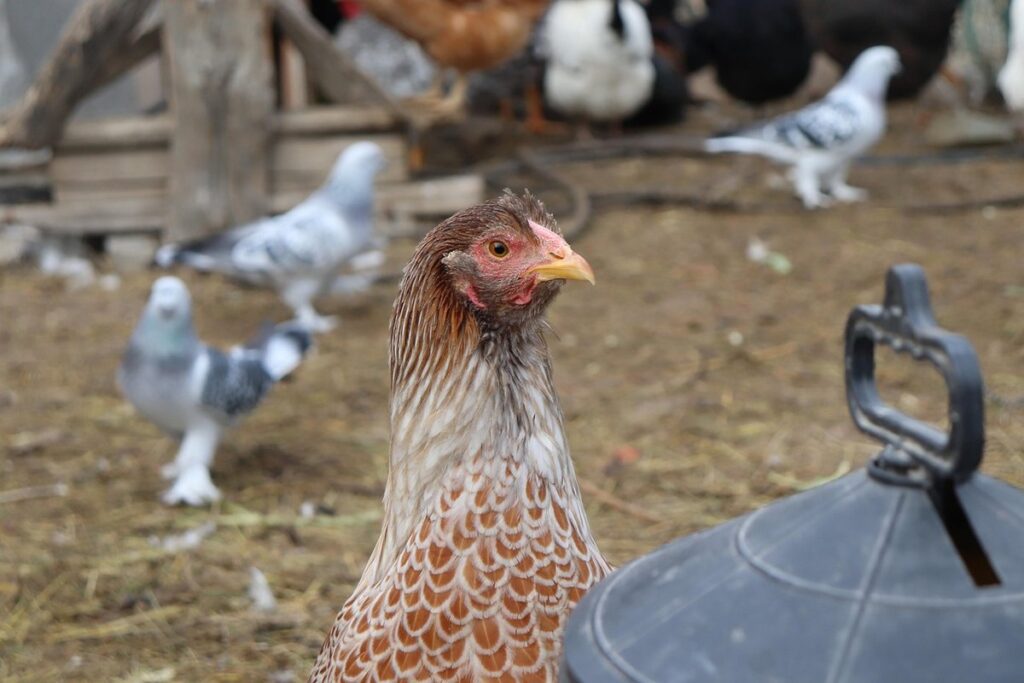
The History of the Blue Laced Red Wyandotte Breed
The blue laced red wyandotte breed has a rich and fascinating history that dates back to the early 20th century in North America. Its unique characteristics were carefully developed over time by dedicated poultry enthusiasts.
Origins and Development
The Blue Laced Red Wyandotte breed has its roots in North America, where it was developed in the late 19th century. As a result of careful breeding and selection, this distinct breed emerged with unique characteristics that set it apart from other chicken breeds. The Wyandotte breed itself originated from the state of New York, specifically from the town of Watertown, around the 1850s.
The development of the Blue Laced Red Wyandotte as a distinct breed was influenced by its predecessors – the Silver and Golden Wyandottes. Breeders wanted to create a chicken with striking appearance and impressive egg-laying capabilities. Through selective breeding, they introduced blue feathers into the red Wyandotte lineage, resulting in the iconic ‘blue lacing’ effect on their feathers.
This breed’s development was also influenced by its intended use – as an ornamental bird for backyard flocks. Breeders aimed to create a chicken that would not only impress with its appearance but also provide eggs of high quality and quantity. As we will see later in this article, the Blue Laced Red Wyandotte indeed delivers on both fronts.
Key Characteristics and Traits
The Blue Laced Red Wyandotte breed is renowned for its stunning appearance and charming temperament. One of the standout characteristics that make this breed unique is their striking plumage. Males boast a rich, deep red color with iridescent blue sheen on their hackle feathers, while females have a lighter, more subdued tone. This eye-catching lacing pattern gives them an unmistakable look that sets them apart from other breeds.
In addition to their striking appearance, the Blue Laced Red Wyandotte breed is also prized for its friendly and docile nature. They are known to be great with children and make excellent pets for families or individuals who want a low-maintenance yet affectionate companion. Their calm demeanor makes them relatively easy to handle, even for novice chicken keepers.
When considering adding this breed to your flock, it’s essential to remember that they are a medium-sized bird, requiring regular exercise and space to roam. With proper care and attention, the Blue Laced Red Wyandotte will reward you with their delightful company and, as we’ll explore in the next section, impressive egg-laying abilities.
Egg Color and Production in BLRWs
Let’s dive into the fascinating world of egg color, as we explore how Blue Laced Red Wyandottes produce their stunning eggs. Their unique genetic traits result in an intriguing array of colors and patterns.
The Science Behind Eggshell Color
The genetics behind an egg’s coloration is fascinating, and in the case of Blue Laced Red Wyandotte (BLRW) chickens, it’s what sets their eggs apart from those laid by other breeds. The vibrant blue hue of a BLRW’s eggshell can be attributed to oocyanin pigmentation, a type of biliverdin pigment produced during the egg-laying process.
To break down how this works, let’s look at the steps involved: first, the ovum (egg yolk) is formed and released from the hen’s reproductive system. As it travels through the oviduct, it picks up pigments from the shell gland, including biliverdin and oocyanin. The amount and type of these pigments determine the eggshell’s color. In BLRW hens, a specific genetic combination leads to an overproduction of oocyanin, resulting in that signature blue tint.
To appreciate just how unique this phenomenon is, consider this: most chicken breeds lay eggs with brown or white shells due to the dominance of other pigments like protoporphyrin. But not BLRWs – their ability to produce those striking blue eggs makes them a standout among backyard flocks and egg enthusiasts alike.
Factors Affecting Egg Yolk and White Color
When it comes to the beautiful eggs laid by Blue Laced Red Wyandotte (BLRW) chickens, you may have noticed that the yolk and white colors can vary depending on several factors. Diet plays a significant role in determining the egg’s color intensity. For instance, a diet rich in beta-carotene from fruits and vegetables will result in more vibrant yellow yolks, whereas a diet high in xanthophylls from leafy greens will produce yellower whites.
The health of your BLRW flock is also crucial when it comes to egg yolk and white color. Nutrient deficiencies or diseases can lead to pale or discolored eggs. For example, a lack of biotin can cause pale yolks. Maintaining a balanced diet and providing access to clean water will help ensure the overall health of your flock.
Age is another factor influencing egg yolk and white color. As BLRW hens age, their eggs may become lighter in color due to decreasing levels of certain pigments. However, this change can be minimized by maintaining a consistent and nutrient-rich diet throughout their lifespan.
In addition, environmental factors such as stress, light exposure, and temperature can also affect egg yolk and white color. Providing your flock with adequate shelter, reducing stress through proper management practices, and ensuring optimal lighting will help mitigate any negative impacts on egg color.
Raising BLRWs for Maximum Egg Production
To maximize egg production, it’s essential to focus on breeding habits, nutrition, and overall health of your flock. By doing so, you’ll be able to tap into the BLRWs’ remarkable egg-laying potential.
Optimal Nutrition and Care for BLRWs
To maximize the egg-laying potential of your Blue Laced Red Wyandotte (BLRW) hens, it’s essential to provide them with optimal nutrition and care. A balanced diet is crucial for maintaining their overall health, but also specifically supports their reproductive functions.
A good starting point is to ensure they have access to high-quality layer feed that meets their nutritional needs. However, supplementing with fresh fruits and vegetables can provide a range of benefits. For example, dark leafy greens like kale and spinach are rich in calcium, which is essential for strong eggshell production.
In addition to diet, maintaining a clean and safe living environment is also vital. Provide your BLRWs with adequate space to roam, as well as regular dust baths to help manage stress levels and maintain their skin health. Ensure they have access to fresh water at all times, and consider setting up a coop or enclosure that protects them from harsh weather conditions.
By focusing on these aspects of nutrition and care, you can create an optimal environment for your BLRWs to thrive, ultimately leading to improved egg production.
Health Considerations and Common Issues
Raising Blue Laced Red Wyandottes for maximum egg production also requires attention to their unique health considerations. One common issue that affects this breed is frostbite on their feet and legs due to their white feathers, which can be a major concern during winter months. To prevent this, provide them with extra shelter and bedding, especially in areas prone to harsh weather conditions.
Another health consideration specific to the Blue Laced Red Wyandotte is their tendency towards obesity if not managed properly. This can lead to further issues like respiratory problems and reproductive difficulties. Ensure they receive a balanced diet that meets their nutritional needs and provide regular exercise opportunities to maintain a healthy weight.
In addition, these birds are generally hardy and disease-resistant, making them an excellent choice for backyard flocks. However, it’s essential to keep an eye out for signs of illness or stress, such as changes in appetite or behavior, and consult with a veterinarian promptly if you suspect any health issues. Regular health checks and monitoring can help prevent common problems and ensure the overall well-being of your Blue Laced Red Wyandotte flock.
Comparing Egg-Laying Traits Across Breeds
If you’re curious how Blue Laced Red Wyandottes stack up against other breeds, let’s compare their egg-laying traits and characteristics in more detail. We’ll examine what sets them apart from others.
Comparison with Other Heritage Breeds
When it comes to heritage breeds and their unique egg-laying traits, several breeds stand out for their distinctive characteristics. Two popular breeds often compared to the BLRW are the Ameraucana and Araucana. Both of these breeds lay blue eggs, which might lead you to wonder how they compare to the BLRW’s blue-laced red eggs.
One key difference between these breeds is their eggshell color. The Ameraucana lays a range of blues from pale sky blue to deep navy, while the Araucana typically produces white or pale blue eggs with a slight green tint. In contrast, the BLRW’s eggs are a deep blue-lace pattern on a red background. This unique trait makes the BLRW stand out in terms of egg color and appearance.
In terms of egg production, all three breeds have relatively high rates, but the Araucana tends to lay slightly fewer eggs than the Ameraucana or BLRW. If you’re looking for a breed with exceptional egg-laying abilities, the Ameraucana might be a good choice. However, if you value unique egg color and appearance, the BLRW is certainly worth considering.
Factors Influencing Breed-Specific Egg Production
When it comes to egg production, several factors can influence the quantity and quality of eggs laid by Blue Laced Red Wyandotte chickens. Genetics play a significant role, as the breed’s egg-laying ability is determined by its ancestors’ characteristics. However, other factors such as nutrition, health, and environmental conditions also impact egg production.
For instance, a well-balanced diet rich in protein and calcium is essential for optimal egg production. A study showed that hens fed with high-quality feed produced more eggs than those on poor-quality feed. Additionally, stress levels can significantly affect egg-laying traits; hens under stress may experience reduced egg production or even stop laying altogether.
The age of the hen is another crucial factor influencing breed-specific egg production. Younger Blue Laced Red Wyandotte chickens tend to lay fewer eggs than mature ones. As they reach sexual maturity, their egg production increases, but it often plateaus after two years. Providing a suitable environment with adequate space and proper care can help maintain optimal health and promote consistent egg production.
Genetic diversity within the flock also plays a significant role in determining individual hen’s egg-laying traits. Mixing different breeds or introducing new bloodlines can lead to improved fertility rates, larger eggs, or even changes in egg color. However, this should be done with caution, as it may introduce health risks or breed-specific characteristics that are not desirable.
Tips for Small-Scale Farmers and Backyard Chicken Keepers
If you’re raising Blue Laced Red Wyandottes, getting the most out of their egg-laying abilities means considering specific tips tailored to small-scale farmers and backyard chicken keepers. We’ve got some practical advice for you.
Managing Flocks for Efficient Egg Collection
When managing flocks for efficient egg collection, it’s essential to consider the specific needs and habits of your Blue Laced Red Wyandotte chickens. These birds are known for their high egg production, with some laying up to 200 eggs per year.
To maximize egg collection, make sure you have a dedicated area for each chicken to lay its eggs comfortably. A clean and dry coop or nesting box is crucial to encourage hens to deposit their eggs in the same spot every day. Consider installing one nesting box per 3-4 hens to prevent overcrowding and stress.
Regularly collect eggs from your coop, ideally twice a day, to prevent breakage and maintain cleanliness. A gentle handling approach can also help reduce stress on your hens and promote healthy egg-laying habits.
Monitor the egg-laying patterns of individual birds and note any changes in behavior or egg quality. This will enable you to adjust your flock management strategies accordingly and ensure that your Blue Laced Red Wyandotte chickens continue to thrive and produce high-quality eggs consistently.
Marketing Strategies for BLRW Eggs
When marketing your BLRW eggs, it’s essential to highlight their unique characteristics and advantages. Since these eggs are a specialty product, you can focus on their distinct blue-green color and the nutritional benefits associated with them.
Consider partnering with local health food stores or co-ops that cater to customers looking for artisanal or pasture-raised products. You can also attend farmers’ markets and craft fairs to showcase your eggs and connect directly with potential buyers.
Develop a strong online presence by creating a website or social media accounts that highlight the benefits of BLRW eggs, such as their rich, buttery flavor and higher omega-3 content compared to regular eggs. Utilize keywords like “pasture-raised,” “heritage breed,” or “blue-green eggs” to improve search engine optimization (SEO) and attract customers searching for these specific products.
Price your eggs competitively, taking into account the costs of production, transportation, and packaging. Consider offering discounts for bulk purchases or loyalty programs to encourage repeat business from satisfied customers.
Conclusion and Future Directions
As you’ve now learned about the blue laced red wyandotte chicken‘s egg-laying characteristics, let’s wrap up by discussing potential future directions for breeding these unique birds.
Recap of Key Takeaways
In reviewing our discussion on Blue Laced Red Wyandotte chickens’ egg-laying traits, several key takeaways emerge that can inform and benefit readers. Firstly, these birds are known for their remarkable ability to produce eggs with an incredible range of colors, from pale pink to deep blue, depending on the individual’s genetic makeup.
Their unique egg-laying trait is not solely determined by genetics; environmental factors such as diet and living conditions also play a crucial role. It’s essential to provide your Blue Laced Red Wyandotte chickens with a balanced diet rich in nutrients to ensure they can produce high-quality eggs consistently.
Another significant takeaway from this discussion is the importance of proper care and management practices for these birds. Regular health checks, adequate space, and suitable housing are all critical components of successful breeding programs aimed at preserving or selecting for specific egg colors.
Finally, remember that Blue Laced Red Wyandotte chickens make excellent additions to backyard flocks due to their friendly nature and high egg production rates.
Potential Research Opportunities
As we conclude our exploration of the unique egg-laying traits of Blue Laced Red Wyandotte chickens, it’s clear that there is still much to be discovered about these remarkable birds. Potential research opportunities abound, and we’ll highlight a few areas where further investigation could shed even more light on their fascinating characteristics.
One promising area for study is the genetics behind the Blue Laced Red Wyandotte chicken‘s egg coloration. Scientists might investigate the specific genetic markers responsible for this unique trait, which could have implications for breeding programs focused on optimizing egg production and quality. This research could also inform our understanding of how genetic factors contribute to the overall health and resilience of these birds.
Another potential area of exploration is the environmental influences that impact the Blue Laced Red Wyandotte chicken’s egg-laying abilities. Researchers might examine how variables such as nutrition, lighting, and temperature affect their egg production, allowing farmers and breeders to optimize conditions for maximum efficiency. By unraveling these relationships, we can better support the well-being of these remarkable birds and maximize their potential as prolific egg layers.
Frequently Asked Questions
What are the ideal living conditions for Blue Laced Red Wyandottes to maximize their egg production?
To encourage optimal egg laying, provide your BLRWs with a spacious coop that offers at least 3-4 square feet of space per bird. Ensure good ventilation, adequate lighting, and maintain a clean environment to promote overall health and well-being.
Can I keep Blue Laced Red Wyandottes in small backyards or do they require large areas?
Yes, you can keep BLRWs in smaller spaces, such as backyards with minimal square footage. However, ensure their coop provides enough room for them to move around comfortably and offers adequate ventilation to prevent ammonia buildup.
How long does it take for Blue Laced Red Wyandottes to begin laying eggs?
Typically, young hens will start laying eggs at 18-24 weeks of age, with some starting as early as 16 weeks. However, this can vary depending on individual factors such as nutrition, health, and genetics.
Are there any specific dietary needs for Blue Laced Red Wyandottes to produce high-quality blue eggs?
Yes, a balanced diet rich in protein (14-16%) and calcium is essential for egg production. Consider supplementing their feed with oyster shells or dark leafy greens like kale to support strong bones and shell health.
Can I mix Blue Laced Red Wyandottes with other breeds in the same flock?
Yes, BLRWs can thrive in multi-breed flocks. However, ensure a harmonious integration process by introducing new birds gradually and monitoring their behavior to prevent stress or aggression issues.