
If you’re a backyard chicken enthusiast, chances are you’ve heard of the stunning Blue Laced Red Wyandotte breed. But have you ever wondered about their unique egg-laying abilities? Specifically, why do these beautiful birds lay eggs with that unmistakable blue tint? The answer lies in a fascinating combination of genetics and nutrition.
In this article, we’ll delve into the science behind the blue egg color of Blue Laced Red Wyandottes, exploring how diet and lifestyle factors impact their ability to produce those gorgeous blue ovals. We’ll also share expert tips on maximizing your flock’s egg production and overall health, so you can enjoy a bountiful harvest from your backyard coop. Whether you’re a seasoned chicken keeper or just starting out, this article is packed with practical advice and interesting insights that will help you get the most out of your Blue Laced Red Wyandottes.
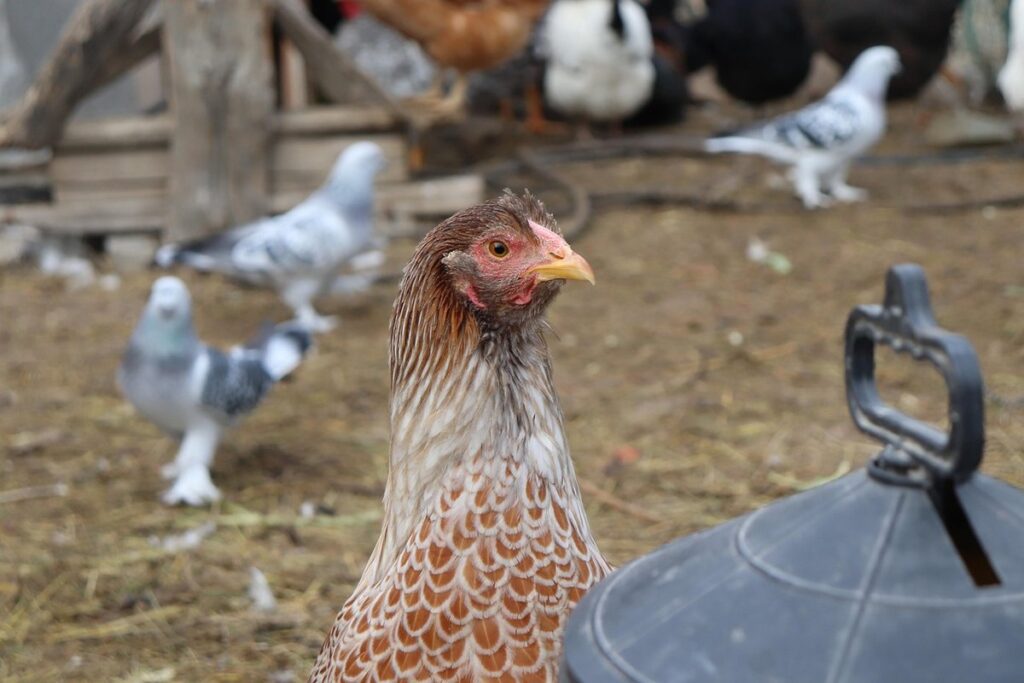
Characteristics of Blue Laced Red Wyandottes
These birds are known for their striking good looks, but what makes a true blue laced red wyandotte? Their distinctive physical characteristics play a big role in determining egg color.
Breed Overview
The Blue Laced Red Wyandotte is an American breed known for its striking appearance and excellent egg-laying abilities. Originating from the state of New York in the 19th century, this breed has been prized by farmers and enthusiasts alike for its unique features.
One of the most notable characteristics of the Blue Laced Red Wyandotte is its stunning plumage, which combines the deep red color of the body with a distinctive blue sheen on the hackles. This breed’s striking appearance makes it a popular choice among backyard chicken keepers who value aesthetics as much as egg production.
But what really sets the Blue Laced Red Wyandotte apart is its exceptional egg-laying abilities. On average, these hens will produce around 200-220 large brown eggs per year, making them an excellent choice for families and small-scale farmers. With their friendly disposition and hardiness, it’s no wonder why this breed has become a favorite among chicken enthusiasts.
In addition to their impressive egg production, the Blue Laced Red Wyandotte is also known for its gentle nature and docile temperament.
Genetics Behind Egg Color
When it comes to eggshell color, genetics play a significant role in determining the final hue. In chickens, multiple genes work together to produce the distinctive colors we see on eggshells. One such gene is the blue egg gene, also known as OOC (Ovotransferrin C). This gene codes for a protein that helps to produce the pigment responsible for the blue coloration.
Research has shown that the interaction between multiple genes is crucial in determining eggshell color. For example, the combination of the OOC gene with other genes like the brown egg gene can result in a range of colors from pink to dark brown. In the case of Blue Laced Red Wyandottes, the presence of specific alleles (forms) of these genes contributes to their distinctive blue and red hues.
Interestingly, breeders have selectively bred chickens to accentuate desirable traits, including eggshell color. By understanding the genetic basis of eggshell coloration, breeders can make informed decisions about which birds to mate with others to achieve specific colors.
Egg Production and Quality
Blue Laced Red Wyandottes are known for their impressive egg-laying abilities, and it’s no surprise that they’re a favorite among backyard chicken enthusiasts. On average, these birds will produce around 200-220 large to extra-large eggs per year, which is quite remarkable considering their small flock size.
One of the most noticeable characteristics of Blue Laced Red Wyandotte eggs is their size – they tend to be on the larger side, with an average weight of around 280 grams (9.9 oz). This makes them a great choice for families who want to collect a decent number of eggs without having to manage a large flock.
In terms of egg quality, Blue Laced Red Wyandottes consistently produce clean, brown eggs with a deep reddish-brown color and speckled or marbled patterns. The shells are strong and easy to handle, making them perfect for collection and storage. If you’re looking to increase your egg production, make sure to provide your flock with adequate nutrition, fresh water, and regular exercise to keep them happy and healthy.
Factors Affecting Egg Shell Color
When it comes to understanding why your Blue Laced Red Wyandotte chicken‘s eggs have a certain color, several key factors come into play. Let’s dive in and explore these influences together!
Diet and Nutrition
When it comes to producing eggs with vibrant blue-green shells, the Blue Laced Red Wyandotte’s diet plays a crucial role. As we’ve discussed earlier, the secret to their stunning color lies in the unique combination of genes and environmental factors. But did you know that what your chicken eats can also impact the color intensity and quality of her eggs?
Calcium, for instance, is an essential mineral that helps build strong eggshells. A diet rich in calcium from sources like crushed oyster shells or dark leafy greens will contribute to a deeper blue hue. However, it’s not just about getting enough calcium; the type of calcium matters too. Chickens fed with high-quality supplements or organic foods tend to produce eggs with more vibrant colors.
Vitamins and minerals also play a significant role in eggshell coloration. For example, vitamin A deficiency can lead to pale or washed-out shells, while an overabundance of certain minerals like copper can cause greenish tints. To ensure your Blue Laced Red Wyandotte’s diet is optimized for optimal egg color, consider adding supplements specifically formulated for eggshell health and providing a balanced mix of fruits, vegetables, and whole grains in their feed.
Health and Wellness
When it comes to blue laced red wyandotte chicken egg color, health issues and stress can play a significant role in determining the shade of blue. If your flock is not thriving due to nutritional deficiencies, parasites, or diseases, you may notice a change in the intensity or consistency of their eggshell color.
For instance, a lack of copper in the diet can cause eggs to appear pale or washed out. On the other hand, stress from factors like overcrowding, poor ventilation, or sudden changes in environment can lead to a decrease in egg production and potentially affect the color.
To maintain healthy egg-laying hens, ensure they have access to clean water, balanced feed, and adequate space to roam. Monitor your flock regularly for signs of illness or distress, and take prompt action if you notice any issues. By prioritizing their well-being, you can enjoy more vibrant, consistent blue eggs from your blue laced red wyandotte chickens.
Environmental Influences
When it comes to eggshell color, environmental factors play a significant role. Temperature is one such factor that can impact the production of blue pigment in the eggshell of Blue Laced Red Wyandotte chickens. Research suggests that optimal temperatures between 60-70°F (15-21°C) promote better eggshell pigmentation. Conversely, high temperatures above 75°F (24°C) can lead to reduced pigment production, resulting in a less vibrant blue color.
Humidity levels also have an effect on eggshell color. A moderate humidity range of 50-60% is ideal for optimal eggshell pigmentation. Low humidity can cause the eggs to lose moisture and result in weaker pigmentation. In contrast, high humidity can lead to mold growth on the eggs, which can affect their appearance.
Proper lighting is also crucial for achieving a rich blue color on the eggs of Blue Laced Red Wyandotte chickens. Adequate light exposure, ideally 14 hours a day, ensures that the hen’s body produces sufficient amounts of melanin and porphyrins to create a vibrant blue pigment. Inadequate light can lead to pale or washed-out eggshell colors.
By maintaining a suitable temperature range, moderate humidity levels, and optimal lighting conditions, you can encourage your Blue Laced Red Wyandotte hens to produce eggs with the desired rich blue color. Keep in mind that individual chicken personalities and breed-specific traits may also influence eggshell color, but environmental factors remain a crucial aspect of achieving the perfect shade.
Understanding Blue Egg Coloration
You’re curious about why some of your Wyandotte eggs are a lovely blue color, and you want to know if it’s a normal occurrence. Let’s break down the science behind this unique egg coloration.
The Science Behind Blue Eggs
At its core, the striking blue color of Blue Laced Red Wyandotte chicken eggs is due to a fascinating combination of chemistry and pigmentation. Specifically, the blue hue is caused by the presence of porphyrins, a group of complex organic compounds that play a crucial role in the eggshell’s structure.
Porphyrins are derived from the same molecule that gives red blood cells their distinctive color – hemoglobin. In eggs, these molecules interact with other pigments like biliverdin and riboflavin to produce a range of colors, including blue. The unique combination and concentration of porphyrins in Blue Laced Red Wyandotte chicken eggs result in the characteristic blue-green or powder-blue color.
To give you an idea of just how complex this process is, consider that there are over 20 different types of porphyrin molecules found in eggshells. These molecules are arranged in a specific pattern to produce the desired color effect. This intricate balance of pigmentation is what sets Blue Laced Red Wyandotte chicken eggs apart from those of other breeds.
It’s worth noting that while we can’t control the exact shade or intensity of blue, breeders and farmers can influence eggshell coloration by controlling factors like diet, health, and genetics. By understanding the chemistry behind blue eggshell coloration, we gain a deeper appreciation for the intricate process involved in producing these unique eggs.
Breeding for Blue Egg Color
Breeding for blue egg color is an intentional process that involves selecting birds with the desired trait and crossing them to produce offspring with the same characteristic. To achieve this, breeders must understand the genetics behind egg coloration. Research has shown that blue egg color is a recessive trait, meaning that it will only be expressed if two copies of the gene are present.
To select for blue egg-laying birds, breeders often use a process called linebreeding or inbreeding. This involves mating individuals who are known to produce blue eggs with each other to increase the chances of producing offspring with the same trait. For example, if you have a Blue Laced Red Wyandotte hen that lays blue eggs, you can breed her to a rooster from the same line that also produces blue eggs.
By repeatedly selecting and breeding birds with desirable traits like blue egg color, breeders can establish a flock with consistent characteristics. This not only ensures a steady supply of blue eggs but also helps maintain the breed’s genetic integrity.
Raising Blue Laced Red Wyandottes for Maximum Egg Production
To raise blue laced red wyandotte chickens for maximum egg production, you’ll want to focus on breeding and nutrition strategies that optimize their genetic potential. Proper care is essential to unlock their full reproductive capabilities.
Housing and Management
When raising Blue Laced Red Wyandottes for maximum egg production, it’s essential to create a suitable environment that meets their unique needs. A well-designed coop is crucial for their health and happiness. Consider building a spacious coop with adequate ventilation to ensure good air circulation. This will help keep your birds cool in the summer and warm in the winter.
For nesting boxes, provide one box per 3-4 hens, making sure they are large enough (about 12 inches wide x 12 inches deep) for comfortable laying. Place them at a comfortable height of about 2-3 feet off the ground to encourage easy access. A clean and quiet area is also essential; locate your nesting boxes away from high-traffic areas.
Regular health checks will help you identify any potential issues early on, such as mites, lice, or respiratory problems. Monitor your birds’ behavior, appetite, and egg production regularly. Keep an eye out for signs of illness like lethargy, discharge, or changes in droppings. Make sure to clean the coop frequently to prevent disease buildup.
Nutrition and Health Care
To maximize egg production from your Blue Laced Red Wyandottes, it’s essential to provide them with optimal nutrition and healthcare. A well-balanced diet is crucial for maintaining their overall health and fertility. Start by offering a high-quality layer feed that contains the necessary nutrients like calcium, phosphorus, and protein.
In addition to commercial layer feed, supplement your birds’ diet with fresh fruits and vegetables daily. Leafy greens like kale and spinach are rich in calcium, which supports strong eggshell production. You can also provide them with oyster shells or crushed eggshells as a natural source of calcium. Fresh water must be available at all times, ensuring they stay hydrated.
Regular health checks should be performed to detect any potential issues early on. Keep an eye out for signs of illness like changes in droppings, lethargy, or loss of appetite. Consult a veterinarian if you suspect any health problems. A clean and well-ventilated coop is also vital for maintaining your birds’ health.
Maintaining optimal body condition through regular weighing can help prevent reproductive issues. You should weigh your hens regularly to ensure they are not underweight or overweight. By providing the right nutrition and monitoring their health, you’ll be able to maximize egg production from your Blue Laced Red Wyandottes.
Comparing Blue Laced Red Wyandotte Egg Color with Other Breeds
When it comes to egg color, one of the most common questions is how the Blue Laced Red Wyandotte’s eggs compare to those from other breeds. Let’s see how their eggs stack up against some popular varieties.
Comparison with Other Egg-Blue Breeds
If you’re familiar with other egg-laying breeds known for their blue eggs, such as Araucanas, you might wonder how the Blue Laced Red Wyandotte’s egg color compares. While both breeds produce blue eggs, there are some notable similarities and differences.
One key difference is that Araucanas have a genetic trait that causes their eggs to be a more vibrant, deep blue. In contrast, the Blue Laced Red Wyandotte’s eggs tend to be a lighter, grey-blue hue. This is because the breed doesn’t rely on the same genetic mutation as the Araucana.
However, what both breeds do share in common is that they lay eggs with a thicker, more robust shell than many other breeds. This is due to their unique genetic makeup and can result in fewer egg breakages during collection. If you’re looking for a breed known for its blue eggs, but don’t want to sacrifice durability for appearance, the Blue Laced Red Wyandotte may be an excellent choice.
It’s also worth noting that other breeds, such as Ameraucanas, are often confused with Araucanas and can lay similar blue eggs. However, it’s essential to research and understand the specific genetics behind each breed to ensure you’re getting what you expect from your egg-laying hens.
Unique Features of BLRW Eggs
One of the most distinctive features of Blue Laced Red Wyandotte (BLRW) eggs is their unique shape and texture. Unlike many other breeds, BLRW eggs tend to be a bit more elongated and oval-shaped, with a slightly rougher texture to the shell. This can make them stand out in your egg collection.
Another notable feature of BLRW eggs is their color. While some breeds may lay blue or green eggs, the Blue Laced Red Wyandotte lays eggs that are often described as “blue-green” or “pale blue”. The exact shade can vary depending on factors like diet and genetics, but this distinctive color has become a hallmark of the breed.
If you’re new to raising BLRWs, it’s worth noting that their egg-laying habits can be quite prolific. On average, a healthy BLRW hen will lay around 200-220 eggs per year, which is significantly more than some other breeds. This makes them an excellent choice for backyard farmers or those looking to supplement their family’s egg supply.
In terms of handling and storage, BLRW eggs are generally durable and can withstand minor scratches without compromising the safety of the contents. However, it’s always a good idea to handle your eggs with care to minimize the risk of breakage.
Tips for Keeping Blue Laced Red Wyandottes Healthy and Happy
To ensure your flock thrives, it’s essential to know how to keep them healthy and happy. Here are some valuable tips specifically tailored for your Blue Laced Red Wyandotte chickens.
Prevention is Key
When it comes to maintaining a healthy flock of Blue Laced Red Wyandottes, prevention is indeed key. Biosecurity measures are crucial to preventing the introduction and spread of diseases within your flock. This includes regular cleaning and disinfection of coops, runs, and equipment, as well as proper handling and storage of feed and supplies.
Parasite control is also essential in maintaining the health and happiness of your Blue Laced Red Wyandottes. Regular deworming treatments can help prevent internal parasites from taking hold, while mite and lice infestations can be managed with regular cleaning and the use of safe and effective treatments.
Regular health checks are another vital aspect of flock care. This includes monitoring for signs of illness or stress, such as changes in appetite, droppings, or feather condition. Keep a close eye on your birds’ overall behavior and appearance, and don’t hesitate to seek veterinary advice if you notice anything unusual. By prioritizing biosecurity, parasite control, and regular health checks, you can help keep your Blue Laced Red Wyandottes healthy, happy, and egg-laying well into their senior years.
Building a Strong Relationship with Your Flock
Building a strong relationship with your flock is essential for their overall well-being and health. Blue Laced Red Wyandottes are known to be friendly and docile birds, making them an excellent choice for backyard chicken keepers. To promote a strong bond between you and your chickens, it’s crucial to handle and interact with them regularly.
Start by setting aside time each day to visit your coop and spend quality time with your flock. This can be as simple as offering treats or letting them out of their enclosure for some exercise. Gently petting and stroking your birds will also help reduce stress levels and promote trust. Remember, Blue Laced Red Wyandottes are social creatures that thrive on interaction.
To further strengthen the bond between you and your chickens, try incorporating activities like foraging games or agility exercises into your daily routine. These fun activities not only provide mental stimulation but also allow you to spend quality time with your birds. By doing so, you’ll be rewarded with healthier, happier, and more productive chickens – including those that lay beautiful blue-green eggs!
Frequently Asked Questions about Blue Laced Red Wyandotte Egg Color
We’ve gathered some of the most common questions about egg color in Blue Laced Red Wyandottes, covering everything from genetics to individual variation. Let’s dive into these frequently asked questions together!
Addressing Common Concerns
One of the most common concerns for backyard chicken keepers considering the Blue Laced Red Wyandotte is their eggshell color. While they are known to be a prolific layer, producing an average of 200 brown eggs per year, some have reported receiving blue or green eggs from these birds. This variation in egg color can be attributed to several factors.
It’s essential to note that the Blue Laced Red Wyandotte’s genetic makeup predisposes them to laying blue or green eggs due to their unique pigment production. However, this doesn’t mean they will always produce eggs with a blue tint. Factors such as diet, health, and environmental conditions can influence the eggshell color.
In terms of fertility rate, the Blue Laced Red Wyandotte is known for its high fertility rate, averaging around 90%. This makes them an excellent choice for small-scale farming or backyard chicken keepers looking to hatch their own chicks. However, it’s crucial to maintain a clean and healthy breeding environment to ensure optimal fertility.
For those considering the Blue Laced Red Wyandotte for small-scale farming, their temperament and foraging abilities make them an ideal choice. They are friendly, docile birds that thrive in free-range environments, making them perfect for farms with plenty of space to roam.
To get the most out of your Blue Laced Red Wyandottes, it’s essential to provide a balanced diet rich in calcium to support strong eggshell production. A good rule of thumb is to provide around 15-20% protein and 2-3% calcium in their feed. Additionally, ensure they have access to fresh water and a clean living environment at all times.
By understanding the unique characteristics of the Blue Laced Red Wyandotte, you can better prepare yourself for what to expect from these birds and make informed decisions when it comes to egg color, fertility rate, and overall care.
Frequently Asked Questions
What’s the typical lifespan of a Blue Laced Red Wyandotte chicken, and how does it impact egg production?
The average lifespan of a Blue Laced Red Wyandotte is around 10-15 years, with some individuals living up to 20 years. As chickens age, their egg-laying abilities may decrease, but proper care, nutrition, and regular health checks can help maintain optimal productivity.
Can I expect my Blue Laced Red Wyandottes to produce blue eggs consistently throughout the year?
While genetics play a significant role in determining egg color, factors like diet, environment, and individual bird characteristics also influence the frequency and consistency of blue egg production. Providing a balanced diet, maintaining a healthy flock, and monitoring environmental influences can help maximize blue egg yield.
How do I ensure my Blue Laced Red Wyandottes are getting the necessary nutrients to maintain their unique egg coloration?
A well-balanced layer feed specifically formulated for egg-laying breeds like the BLRW should provide essential nutrients. Supplementing with calcium-rich foods, such as oyster shells or crushed eggshells, can also support strong eggshell development and vibrant blue coloration.
What are some common health issues to watch out for in Blue Laced Red Wyandottes, and how can I prevent them?
Common health concerns affecting the BLRW breed include respiratory issues, feather pecking, and reproductive problems. Regular flock monitoring, proper ventilation, and maintaining a stress-free environment can help mitigate these risks. Consult with a veterinarian or poultry expert to develop a tailored health plan for your flock.
Can I crossbreed my Blue Laced Red Wyandottes with other breeds to create blue egg-laying offspring?
While it’s technically possible to breed BLRWs with other egg-blue breeds, the success of this endeavor depends on various factors, including genetics, compatibility, and the desired characteristics of the offspring. Consult with experienced poultry breeders or geneticists to explore crossbreeding options and ensure the health and quality of your flock.