
Blue Laced Red Wyandotte chickens are known for their stunning appearance, but did you know that their eggs are just as impressive? If you’re considering adding this breed to your flock or simply want to learn more about them, then you’ve come to the right place. In this article, we’ll delve into the characteristics and benefits of Blue Laced Red Wyandotte eggs. From their origin story to their egg-laying capabilities, temperament, and health considerations, we’ll cover it all. Whether you’re a seasoned chicken keeper or just starting out, understanding what makes these eggs special will help you raise a happy and healthy flock. With so many breeds to choose from, discovering the unique qualities of Blue Laced Red Wyandottes is essential for making informed decisions about your backyard chickens.
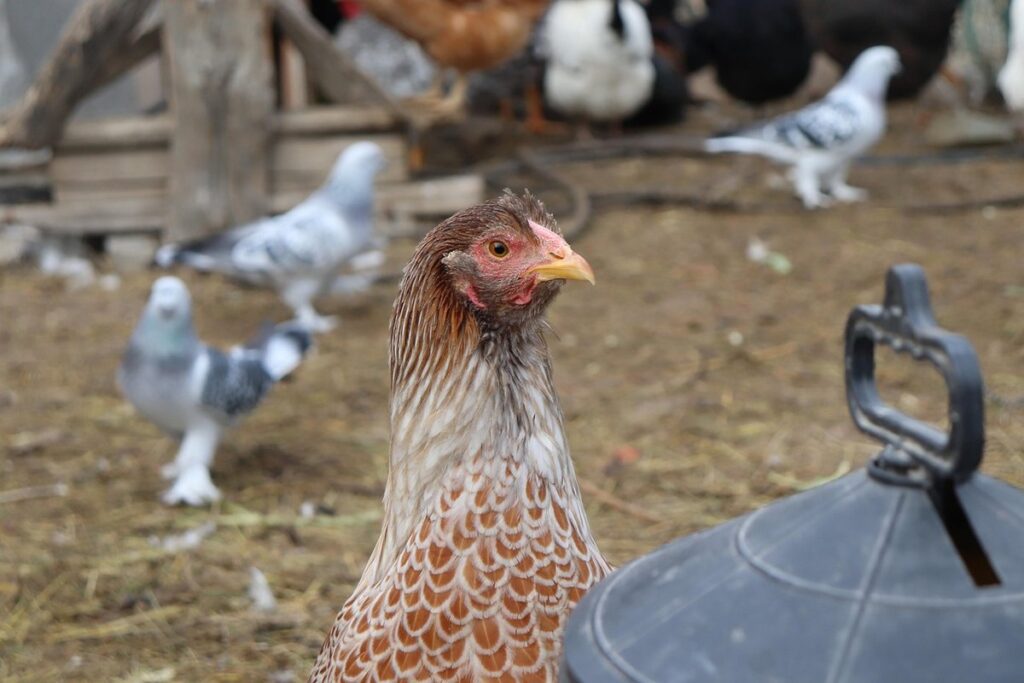
Characteristics and Benefits
These eggs are not just a product, but also a key factor in producing healthy chickens, so let’s explore the characteristics and benefits of blue laced red wyandotte eggs.
Origin and History of the Breed
The Blue Laced Red Wyandotte breed has its roots in the United States, specifically in the mid-19th century. Developed from a cross between the Dorking and Cochin breeds, this stunning bird was first exhibited at the Philadelphia Centennial Exposition in 1876. Its unique characteristics, including the vibrant blue lacing on its red plumage, quickly made it a showstopper among poultry enthusiasts.
As the breed gained popularity, it became clear that the Blue Laced Red Wyandotte was not only a beautiful bird but also an exceptional layer of large, light brown eggs. In fact, one of the breed’s most notable features is its high egg production rate, with some hens laying up to 200 eggs per year.
The breed’s popularity continued to grow throughout the late 19th and early 20th centuries, with many poultry clubs and associations recognizing its unique qualities. Today, the Blue Laced Red Wyandotte remains a beloved breed among chicken enthusiasts, prized for both its stunning appearance and impressive egg-laying abilities.
Egg-Laying Capabilities
Blue Laced Red Wyandottes are prolific layers, producing an average of 280-300 eggs per year. This is impressive considering their moderate-sized frames and egg size. Speaking of which, Blue Laced Red Wyandotte eggs are a sight to behold – large, measuring around 6 ounces, with a blue-green tint that’s quite distinct from other breeds. Their shape is slightly oval, making them ideal for baking.
One notable characteristic of these eggs is their blue-green coloration, which some people find more aesthetically pleasing than the classic brown or white eggs found in most supermarkets. This unique coloration doesn’t affect the egg’s nutritional value or taste, so you can enjoy the benefits without sacrificing anything.
When it comes to keeping track of your Blue Laced Red Wyandotte’s laying schedule, consider investing in an egg counter or a simple spreadsheet to monitor their production. With proper care and nutrition, these birds will reward you with plenty of fresh eggs all year round – just be sure to balance their diet with calcium-rich foods to promote strong eggshell development!
Temperament and Personality
One of the most endearing qualities of Blue Laced Red Wyandottes is their temperament and personality. These birds are known for being friendly, docile, and affectionate towards humans. They have a calm demeanor, making them an excellent choice for families with children or for backyard flocks. In fact, many owners describe their Blue Laced Reds as “lap chickens” because of their willingness to snuggle up close.
When interacting with your flock, you’ll notice that Blue Laced Reds are curious and active birds. They love to explore their surroundings and will often investigate new sights and sounds. However, they’re not overly aggressive or dominant, which makes them a great fit for smaller backyard coops. To build trust with your Blue Laced Red, start by offering treats gently and consistently. This will help them associate you with positive experiences. With time, patience, and gentle handling, you’ll develop a strong bond with your birds, making the experience of raising Blue Laced Reds truly rewarding.
Health Considerations
When considering blue laced red wyandotte eggs, it’s essential to think beyond their aesthetic appeal and consider your own health needs. We’ll cover some key factors to keep in mind here.
Common Health Issues Affecting the Breed
Blue Laced Red Wyandottes are known for their impressive egg-laying abilities and stunning appearance. However, like all breeds, they can be prone to certain health issues that affect their overall well-being and productivity. One common issue is reproductive problems, which can manifest as difficulty breeding or an inability to lay eggs consistently. This may be due to various factors such as inadequate nutrition, poor living conditions, or genetics.
Respiratory issues are another concern for Blue Laced Red Wyandottes. As a larger breed, they can be more susceptible to respiratory complications like bronchitis or pneumonia, especially in humid environments. To identify these issues, look out for symptoms like labored breathing, wheezing, or discolored combs.
Feather pecking is another common health issue affecting Blue Laced Red Wyandottes. This behavior can be caused by stress, boredom, or nutritional deficiencies and may lead to feather loss and subsequent skin damage. To prevent this, ensure your birds have access to a balanced diet, plenty of space to roam, and engaging activities to keep them stimulated. By being aware of these potential health issues and taking proactive steps to address them, you can help ensure the long-term health and happiness of your Blue Laced Red Wyandottes.
Nutrition and Dietary Requirements
When it comes to keeping Blue Laced Red Wyandottes healthy and thriving, nutrition plays a vital role. As a responsible owner, you’ll want to ensure that your girls are receiving the nutrients they need for optimal health and egg production.
A well-balanced diet for Blue Laced Red Wyandottes should consist of high-quality layer feed or pellets as the main staple. These feeds provide essential vitamins and minerals such as calcium, vitamin D3, and phosphorus that promote strong bone growth, eggshell quality, and overall health. Supplementing with fresh fruits and vegetables can also be beneficial in providing additional fiber, vitamins, and minerals.
Crucially, Blue Laced Red Wyandottes require access to clean, fresh water at all times to stay hydrated. Aim for a ratio of 1-2 ounces (30-60 ml) per pound of body weight per day. Free-range management can also be beneficial in allowing your girls to forage and exercise freely.
In terms of specific dietary requirements, it’s essential to note that Blue Laced Red Wyandottes are susceptible to calcium deficiency due to their high egg production rates. To combat this, you may need to supplement with additional sources of calcium such as crushed oyster shells or dark leafy greens like kale or spinach.
Hygiene and Sanitation Practices
Maintaining good hygiene and sanitation practices is crucial for keeping your blue laced red wyandotte flock healthy. A clean coop not only reduces the risk of disease but also promotes overall well-being for your birds.
To start, it’s essential to establish a regular cleaning schedule for your coop. This should include removing soiled bedding, scrubbing surfaces with a solution of water and vinegar, and disinfecting high-touch areas. A general rule of thumb is to clean the coop at least once a week during peak egg-laying seasons.
In addition to coop cleaning, controlling parasites is vital for maintaining flock health. Regularly inspect your birds for signs of mites, lice, or fleas, and use integrated pest management strategies to prevent infestations. This may involve using diatomaceous earth, dust baths, or targeted treatments as needed.
Biosecurity measures are also critical in preventing disease outbreaks. This includes ensuring visitors disinfect their shoes before entering the coop, keeping outside animals away from the flock, and monitoring your birds for signs of illness. By following these hygiene and sanitation practices, you’ll be well on your way to raising a healthy and thriving blue laced red wyandotte flock.
Raising and Caring for Your Flock
As you bring home your adorable blue laced red wyandotte chicks, it’s essential to know how to raise them into healthy, happy hens that will reward you with those coveted eggs. Here’s a rundown on what to expect and how to care for them.
Choosing the Right Breeder or Hatchery
When it comes to bringing home those precious Blue Laced Red Wyandotte eggs or chicks, finding the right breeder or hatchery is crucial. A reputable source can make all the difference in getting healthy, high-quality birds that will thrive in your flock.
So, how do you choose a trustworthy breeder or hatchery? Start by researching online reviews and asking fellow backyard chicken enthusiasts for recommendations. Look for breeders who specialize in Blue Laced Red Wyandottes and have experience breeding this specific variety. Check their websites, social media, and customer testimonials to get an idea of their reputation and quality control.
Check if they are registered with reputable poultry associations like the American Bantam Association (ABA) or the Poultry Federation of America (PFA). These organizations ensure that breeders meet certain standards for health, genetics, and welfare. You can also ask about their health guarantees, vaccination protocols, and shipping procedures to ensure you’re getting healthy birds.
Don’t be afraid to ask questions – a good breeder will be transparent about their breeding practices, flock health, and genetic testing. By doing your research and selecting a reputable source, you’ll set yourself up for success with your new Blue Laced Red Wyandotte additions!
Housing and Environmental Considerations
When it comes to raising a healthy and happy flock of Blue Laced Red Wyandottes, providing them with a suitable environment is crucial. A well-designed coop that meets their specific needs will help prevent stress, disease, and predators from getting too close.
Let’s start with the basics: coop size. For a small to medium-sized flock, aim for a minimum of 3-4 square feet per bird inside the coop, not including nesting boxes or roosts. Consider a rectangular shape rather than a square one to maximize space usage and reduce corners where predators can hide.
Ventilation is another key aspect to consider. Ensure good airflow by installing windows, vents, or using screened panels on walls. This will help maintain a healthy temperature range (around 40-60°F) and keep ammonia levels in check from droppings.
Lighting is also essential for egg production, so install adequate lighting fixtures that provide around 14 hours of daylight equivalent. Lastly, don’t forget about predator protection: secure the coop with sturdy locks, hardware cloth, or chicken wire to prevent foxes, raccoons, and other predators from entering.
Feeding and Watering Your Flock
When it comes to raising healthy and thriving Blue Laced Red Wyandottes, providing a balanced diet is essential. These birds are known for their rich egg-laying capabilities, but they require a nutrient-rich feed to maintain their energy levels. A good quality layer feed that contains around 16-18% protein is ideal. You can also supplement their diet with fruits and vegetables, such as leafy greens, carrots, and apples.
Clean water is equally important for your flock’s well-being. Ensure that you provide fresh water at all times and change the water frequently to prevent bacterial growth. It’s essential to use a watering system that allows multiple birds to drink from it simultaneously, reducing competition and stress on individual birds.
In terms of feeding techniques, consider using a feeder that allows you to easily clean and refill it without disturbing your flock. You can also divide your flock into smaller groups to ensure each bird gets enough food and water.
Breeding and Egg Production
Let’s dive into the world of Blue Laced Red Wyandotte egg production, where we’ll explore the fascinating process of how these eggs come to be. From genetics to incubation, you’re about to get an inside look at what makes these eggs so special.
Selective Breeding for Improved Traits
When it comes to improving specific traits in Blue Laced Red Wyandottes, selective breeding is a crucial step. This process involves carefully selecting individuals with desirable characteristics and mating them to produce offspring that inherit these traits.
To select for improved egg-laying abilities, breeders focus on hens that consistently lay large numbers of eggs per year. For example, if you’re looking to increase the average egg production of your Blue Laced Red Wyandottes, you might identify a top-layering hen and pair her with a rooster known for his fertility and strong genetics.
In terms of temperament characteristics, breeders may look for birds that are docile, easy-going, and less prone to stress. This can be especially important if you’re planning to raise Blue Laced Red Wyandottes as pets or in small backyard flocks. By selecting for these desirable traits through selective breeding, you can create a flock that’s both productive and pleasant to be around.
It’s worth noting that selective breeding is an ongoing process that requires patience, dedication, and attention to detail. However, with careful selection and planning, you can develop a flock of Blue Laced Red Wyandottes that meets your specific needs and preferences.
Maximizing Egg Production
Maintaining optimal health is crucial for maximizing egg production. A healthy flock is less susceptible to disease and stress, which can significantly impact egg laying. Ensure your Blue Laced Red Wyandottes have access to clean water, a balanced diet, and adequate shelter. Regular vaccinations and parasite control measures can also help prevent common health issues.
A well-balanced diet rich in protein, calcium, and other essential nutrients is vital for optimal egg production. Consider providing supplements like oyster shells or crushed eggshells to support strong beak growth and shell production. A study by the University of Wisconsin-Madison found that hens receiving calcium-enriched feed produced larger eggs with fewer cracks.
Stress management is also critical in maintaining high egg production. Minimize flock stress by ensuring enough space per bird (at least 3-4 sq ft), providing toys and enrichment activities, and limiting handling to necessary tasks only. This can help reduce stress-related behaviors like feather pecking or aggressive behavior towards other birds.
Marketing Your Eggs
When it comes to marketing your beautiful Blue Laced Red Wyandotte eggs, understanding your target market is key. Who are you selling to? Are they local families looking for fresh, pasture-raised eggs, or online shoppers seeking artisanal products? Knowing your audience will help you tailor your marketing strategy and pricing.
Let’s talk pricing. You want to make sure your eggs are competitively priced while still reflecting their value. Research what other small-scale egg producers in your area are charging, as well as larger commercial operations. Consider the quality of your eggs, including factors like feed, living conditions, and handling practices. For example, if you’re using non-GMO feed and providing a high level of animal welfare, you may be able to charge a premium price.
Developing an online presence is crucial for selling eggs, especially if you’re targeting customers outside of your local area. Use platforms like Instagram or Facebook to showcase the beauty of your Blue Laced Red Wyandotte hens and their delicious eggs. Share photos, stories about your farm, and tips on how to incorporate these unique eggs into recipes.
Tips for Beginners
If you’re new to raising Blue Laced Red Wyandottes, collecting their eggs can be a thrilling experience. But before you start, here are some essential tips to get you started right.
Introduction to Backyard Chicken Keeping
If you’re new to backyard chicken keeping and considering raising Blue Laced Red Wyandottes for their beautiful eggs, there are a few essential things to consider before bringing home these lovely birds. First, check with your local government to see if there are any zoning regulations or restrictions on raising chickens in your area. Some municipalities have specific ordinances regarding the number of chickens you can keep, coop size, and noise levels.
Even if you’re allowed to raise chickens, you may need a permit or license to do so. This varies by location, but it’s always better to check ahead of time to avoid any issues down the line. Once you’ve cleared these hurdles, it’s time to think about initial setup costs. A basic coop can start around $100-$300, depending on size and materials. You’ll also need fencing to keep predators out and chickens in.
It’s estimated that a small flock of 3-5 birds can cost around $1,000-$2,000 to set up, but this will vary depending on your specific needs and choices.
Essential Equipment and Supplies
When starting your backyard flock, it’s essential to have the right equipment and supplies to ensure the health and well-being of your Blue Laced Red Wyandotte chickens. A sturdy coop is a top priority, providing protection from predators, harsh weather conditions, and a safe roosting area for your birds.
Consider investing in a predator-proof coop with adequate ventilation and insulation. You can opt for a pre-made coop or build one yourself using durable materials like wood or metal. Don’t forget to add windows for natural light and a secure door that locks.
In addition to the coop, you’ll need a safe and escape-proof run area where your chickens can exercise and roam freely. Chicken wire or hardware cloth fencing is a popular choice, extending at least 3 feet above ground level to prevent digging and flying predators.
For feeding and watering, invest in heavy-duty feeders and waterers that can withstand outdoor conditions. Galvanized steel or plastic feeders are durable options, while ceramic or metal waterers provide clean and fresh drinking water for your birds.
Basic Health Checks and First Aid
As a beginner, it’s essential to know the basics of health checks and first aid for your flock. Blue Laced Red Wyandotte chickens are generally hardy birds, but like all breeds, they can be susceptible to certain health issues. Regular health checks will help you identify any potential problems early on.
First, let’s start with visual inspections. Check your birds’ eyes, ears, and feathers daily for signs of stress or illness. Look for droopy wings, labored breathing, or discharge around the eyes or nostrils. Also, check their droppings to ensure they’re not too runny or watery.
If you notice any unusual behavior or symptoms, consult with a veterinarian experienced in poultry care. Some common health issues include mites and lice, respiratory problems, and bacterial infections. To treat these conditions, use insecticidal powders or shampoos for external parasites, provide plenty of fresh air and ventilation to prevent respiratory problems, and follow proper antibiotic protocols under veterinary guidance.
Regular vaccinations and deworming are also crucial in maintaining a healthy flock. Consult with a veterinarian to determine the best schedule for your birds. By performing regular health checks and staying on top of preventative care, you can help ensure your Blue Laced Red Wyandotte hens stay happy and healthy.
Frequently Asked Questions
Are Blue Laced Red Wyandotte eggs suitable for backyard chicken keepers with small flocks?
Blue Laced Red Wyandottes are a great choice for smaller flocks due to their moderate egg-laying capabilities and manageable size. They require about 3-4 square feet per bird, making them ideal for backyards with limited space.
Can I breed Blue Laced Red Wyandottes without prior experience in selective breeding?
While it’s possible to breed Blue Laced Red Wyandottes without extensive experience, success requires attention to genetics and careful selection. It’s recommended to start by learning about the basics of selective breeding and working under the guidance of an experienced breeder.
Do Blue Laced Red Wyandotte eggs have any distinct flavor or texture compared to other breeds?
The eggs produced by Blue Laced Red Wyandottes are said to have a richer, creamier yolk due to their unique genetic makeup. However, this difference in taste and texture is often subjective and may not be noticeable to all consumers.
How do I ensure the health and well-being of my Blue Laced Red Wyandotte flock?
To maintain the health and well-being of your flock, provide a balanced diet, ensure access to clean water, and implement regular hygiene practices. Also, stay up-to-date with local regulations and best practices for backyard chicken keeping.
Can I raise Blue Laced Red Wyandottes in colder climates without any issues?
While Blue Laced Red Wyandottes are generally hardy birds, they may require additional care in extremely cold climates. Ensure they have adequate shelter, insulation, and nutrition to protect them from harsh winter conditions.