
Are you looking for a chicken breed that combines stunning looks with exceptional characteristics? Look no further than the Blue Laced Red Wyandotte pullet. This beautiful bird has been a favorite among backyard flock enthusiasts and serious breeders alike for its unique appearance, friendly temperament, and impressive laying abilities.
With its rich history dating back to the early 20th century, the Blue Laced Red Wyandotte has become a sought-after addition to many poultry collections. But what makes this breed so special? In this comprehensive guide, we’ll delve into the world of Blue Laced Red Wyandottes, covering their origins, temperament, health, nutrition, and more. Whether you’re raising these stunning pullets for eggs or to show off at local competitions, our expert insights will help you make the most of your breeding program.
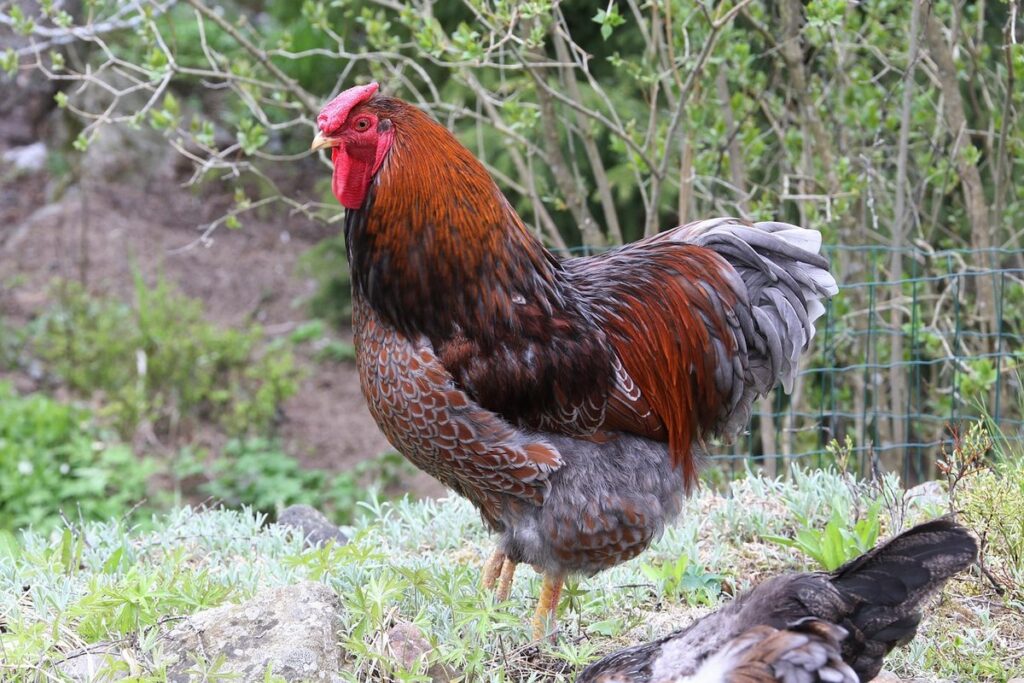
Introduction to the Breed
The Blue Laced Red Wyandotte is a stunning breed, and in this introduction, we’ll delve into its unique characteristics and history. Let’s explore what makes these birds so special.
History and Origin of the Blue Laced Red Wyandotte
The Blue Laced Red Wyandotte breed has its roots in America, specifically in the 19th century. It was developed by crossing various breeds, including the Dutch Bantam and the Cochin. The result was a unique chicken with striking features that made it an instant favorite among poultry enthusiasts.
One of the defining characteristics of the Blue Laced Red Wyandotte is its distinctive blue-lace pattern on its legs and feet. This striking feature, combined with its vibrant red plumage, makes it a standout in any backyard flock. The breed was first introduced to the American Poultry Association (APA) in 1873 and has since gained popularity for its gentle nature, rich eggs, and impressive growth rate.
Today, the Blue Laced Red Wyandotte is prized by many backyard chicken keepers for its friendly demeanor and high egg production. If you’re considering adding this breed to your flock, be prepared for a loyal companion that will reward you with an abundance of fresh eggs and affectionate company. With proper care and management, the Blue Laced Red Wyandotte can thrive in a variety of settings, making it an excellent choice for both beginners and experienced chicken keepers alike.
Characteristics of the Blue Laced Red Wyandotte
The Blue Laced Red Wyandotte is a breed known for its striking appearance and desirable characteristics. One of its most distinctive features is its plumage, which can vary in intensity from a deep blue to a rich gold. The breed’s feathers are long and flowing, with a slight wave to them, giving the bird a majestic appearance.
In terms of comb type, the Blue Laced Red Wyandotte has a single comb that is medium-sized and erect. This comb type is a desirable trait in many breeds, as it indicates good health and fertility.
The breed’s body shape is also noteworthy, with a sturdy build and a deep breast. The Blue Laced Red Wyandotte is a medium-sized bird, weighing between 5-6 pounds, making them a great choice for backyard flocks or small farms. Their compact size also makes them well-suited to smaller spaces.
When selecting a Blue Laced Red Wyandotte pullet, look for birds with good bone structure and a straight back. Avoid birds with weak legs or an off-balance stance, as these can be indicators of underlying health issues.
Temperament and Personality
When it comes to owning a Blue Laced Red Wyandotte pullet, understanding her temperament and personality is essential for building a strong relationship. You’ll discover her friendly, outgoing nature and how she interacts with you and others.
Understanding the Pullet’s Temperament
When it comes to understanding the temperament of a Blue Laced Red Wyandotte pullet, one thing is clear: these birds are known for their friendly and docile nature. They make excellent pets for families with children or for backyard flock enthusiasts who want a low-maintenance but entertaining companion.
One of the most distinctive characteristics of Blue Laced Red Wyandottes is their ability to form strong bonds with humans. They are often described as ” Velcro chickens” due to their tendency to stick close to their owners and enjoy human interaction. This makes them an excellent choice for those who want a chicken that will follow them around the yard or even into the garden.
In terms of personality, Blue Laced Red Wyandottes are generally curious and active birds. They love to explore their surroundings and can often be seen pecking at leaves, investigating nooks and crannies, or simply enjoying the sunshine. While they do require regular exercise and mental stimulation, they are relatively easy-going and adaptable, making them a great choice for beginners.
If you’re considering bringing a Blue Laced Red Wyandotte pullet into your flock, remember to provide plenty of space to roam and opportunities for socialization. With proper care and attention, these birds will reward you with years of companionship and entertainment.
Training and Handling the Blue Laced Red Wyandotte
Training and handling a blue laced red wyandotte pullet requires patience, consistency, and positive reinforcement. When introducing yourself to the bird, move slowly and calmly to avoid startling her. Let her become accustomed to your presence before attempting to handle her.
Building trust is essential for successful training. Start by placing treats near her feet or on the ground in front of her. As she becomes more confident, you can gradually move closer and offer the treats directly. Be gentle when picking up the bird; support her body and wings, and make sure not to hold her too tightly.
Confidence comes with experience, so handle your wyandotte regularly, starting from an early age. Begin with short sessions and gradually increase the duration as she becomes more comfortable in your presence. Use positive reinforcement techniques such as rewards and praise to encourage desired behaviors.
When handling or moving a blue laced red wyandotte pullet, support her wings and body to prevent injury. Always be aware of your surroundings, especially when introducing new environments or equipment, to minimize stress on the bird.
Health and Nutrition
When it comes to raising healthy pullets, proper nutrition is key to their growth and overall well-being, which we’ll explore next. Let’s dive into the essential health and nutrition guidelines for your Blue Laced Red Wyandotte pullet.
Common Health Issues Affecting the Breed
As you embark on raising Blue Laced Red Wyandotte pullets, it’s essential to be aware of the common health issues that may affect this breed. Respiratory problems can arise from dust and poor ventilation, making it crucial to ensure proper air circulation within your coop and run.
Some owners have reported instances of eye issues, including crossed eyes or other vision impairments, which may require regular check-ups with a veterinarian to monitor their eyes’ health. Additionally, Blue Laced Red Wyandotte pullets can be prone to Marek’s disease, a viral condition that affects the nervous system.
Regular vaccinations and maintaining strict biosecurity protocols are necessary to prevent such diseases from spreading within your flock. Moreover, providing an optimal environment with adequate lighting, cleanliness, and access to fresh water is vital for maintaining their overall health.
It’s also essential to monitor your birds’ behavior closely for any signs of respiratory distress or discomfort, such as wheezing, coughing, or lethargy. If you suspect any issue, consult a veterinarian promptly to ensure timely intervention.
Nutritional Requirements for Optimal Health
When it comes to maintaining optimal health, providing the right nutrients is crucial for your Blue Laced Red Wyandotte pullet. A balanced diet should consist of a mix of high-quality grains, proteins, and minerals tailored to meet their specific needs.
A starter feed containing around 18-20% protein is recommended for young pullets, while layers’ mash or pellets with 16-18% protein can be used as they mature. Ensure that the feed is free from fillers and artificial additives, opting for organic or non-GMO options when possible. Fresh water should always be available, and consider providing a calcium supplement to support strong eggshell production.
A daily feeding schedule of about 1/4 to 1/2 pound of feed per bird is suitable for Blue Laced Red Wyandottes, depending on their age and activity level. Limit treats to no more than 10% of their total diet to avoid overfeeding and maintain a healthy weight.
In addition to dietary needs, consider providing your pullets with access to fresh vegetables and fruits as a nutritious supplement. Leafy greens like kale and spinach are excellent choices, while limiting sugary foods like apples and berries to special occasions only.
Breeding and Rearing
When it comes to raising your Blue Laced Red Wyandotte pullet, understanding breeding and rearing techniques is crucial for a healthy flock. Let’s dive into the ins and outs of successful breeding and rearing practices.
Selecting a Sire and Dam for Breeding
When it comes to breeding blue laced red Wyandotte pullets, selecting suitable parents is crucial for producing healthy and desirable offspring. The genetics and lineage of the sire and dam are key factors to consider when making this decision.
Start by evaluating the pedigree of both the sire and dam. Look for a strong foundation of quality birds that have demonstrated excellent characteristics such as plumage quality, egg-laying ability, and overall health. Check for any notable awards or recognition they may have received in shows.
It’s also essential to consider the genetic diversity of your breeding program. Avoid inbreeding by selecting parents that are unrelated or at least several generations apart. This will help prevent the transmission of recessive traits and reduce the risk of inherited diseases.
When evaluating individual birds, look for those with exceptional feather quality, strong bone structure, and excellent temperament. A well-balanced bird with a mix of desirable traits is more likely to produce offspring that excel in these areas as well. By carefully selecting your sire and dam based on genetics, lineage, and physical characteristics, you can increase the chances of producing high-quality blue laced red Wyandotte pullets.
Raising Chicks and Pullets for Optimal Growth
Raising chicks and pullets for optimal growth is a crucial aspect of rearing healthy Blue Laced Red Wyandotte pullets. When you bring home newly hatched chicks or pullets, they require specific care to ensure healthy development. For the first few weeks, provide a warm, draft-free environment with adequate ventilation. Maintain temperatures between 90-100°F (32-38°C) for the first week and gradually decrease by 5°F (3°C) each subsequent week.
Offer a starter feed rich in protein (20% or higher) and maintain a clean water source at all times. Make sure to provide a balanced diet that meets their nutritional needs as they grow. For example, Blue Laced Red Wyandottes require a calcium-rich diet during the first 18 weeks to support strong bone growth.
Monitor your flock’s health closely for signs of illness or disease, such as labored breathing or lethargy. Regularly clean and disinfect the coop and run to prevent parasites and diseases from spreading. With proper care and attention, you’ll be on your way to raising robust, healthy Blue Laced Red Wyandotte pullets.
Showing and Exhibiting
When it comes to showcasing your beautiful Blue Laced Red Wyandotte pullet, there are several key things to keep in mind for success. You’ll want to focus on breed standards and presentation techniques.
Preparing the Pullet for Show
When it comes to showing your Blue Laced Red Wyandotte pullet, proper preparation is key. Grooming and presentation are crucial aspects of showcasing the beauty and unique characteristics of this breed. Start by trimming the nails to prevent overgrowth and cracking, which can be painful for the bird.
Keep in mind that a clean and well-maintained coop is essential for show quality birds. Ensure your pullet has access to plenty of fresh water, high-quality feed, and regular exercise to promote overall health and energy.
Presentation is just as important as grooming. Brush the feathers regularly to remove tangles and fluff out the plumage. Pay particular attention to the blue lace markings on the bird’s breast, legs, and tail – these should be crisp and well-defined.
When transporting your pullet to the show, use a secure carrier that allows for easy handling and visibility. Dress your bird in a clean, properly fitting show costume or harness, taking care not to obstruct any markings or features.
Tips for Winning at a Show with Your Pulled
When it’s time to show off your blue laced red wyandotte pullet’s best features, you’ll want to make a great impression on the judges. After all, with their stunning plumage and charming personalities, these birds are already one step ahead of the competition.
To increase your chances of winning, focus on presenting your bird in its best light. First, make sure she’s well-groomed and clean – regular bathing and dusting will help maintain her vibrant colors and prevent any pesky mites from causing stress. Next, pay attention to posture: stand her upright with a confident stance, allowing the judges to appreciate her balanced proportions.
Pay attention to movement too – a natural gait and fluid struts are essential for impressing the judges. Practice walking your bird around the show ring before the big day, so she becomes comfortable with the environment and less likely to get anxious or fidgety. By presenting your blue laced red wyandotte pullet in its absolute best light, you’ll be well on your way to winning over those judges’ hearts – and ribbons!
Conclusion
As you near the end of our guide, we’ll summarize key takeaways and revisit what makes the Blue Laced Red Wyandotte Pullet a beloved choice among chicken enthusiasts. Let’s recap!
Recap of Key Points and Takeaways
As you’ve reached the end of this comprehensive guide to the Blue Laced Red Wyandotte Pullet, let’s recap the key points and takeaways that are essential for breeders and owners. It’s crucial to keep these information-packed insights handy as you continue on your journey with this magnificent breed.
To start, we covered the history and origins of the Blue Laced Red Wyandotte Pullet, highlighting its rich heritage and unique characteristics that set it apart from other breeds. We also explored the pullet’s striking appearance, which boasts a stunning blue lacing pattern on its red feathers. Breeders should take note of the importance of selecting birds with excellent feather quality, as this trait is often linked to overall health and vitality.
Another critical aspect we discussed was nutrition and feeding strategies for Blue Laced Red Wyandotte Pullets. We emphasized the need for a balanced diet rich in protein, vitamins, and minerals, particularly during the growth stages. A well-planned feeding schedule will help ensure your pullets reach their full potential and remain healthy throughout their lives.
We also touched on the topic of health considerations specific to this breed, including susceptibility to certain diseases and common health issues that may arise. It’s vital for owners to stay informed about these potential risks and take proactive measures to prevent or manage them.
Ultimately, raising a Blue Laced Red Wyandotte Pullet requires dedication, patience, and attention to detail. By following the advice outlined in this guide and keeping these key points top of mind, you’ll be well on your way to successfully breeding or owning this magnificent breed.
Frequently Asked Questions
How do I ensure the Blue Laced Red Wyandotte’s temperament thrives under backyard flock conditions?
To maintain a healthy temperament, provide a stress-free environment with adequate space for exercise and social interaction. Ensure proper nutrition and regular health checks to avoid health issues that may impact behavior.
What are some common health concerns specific to the Blue Laced Red Wyandotte breed?
Some common health issues affecting the Blue Laced Red Wyandottes include Marek’s disease, avian influenza, and reproductive problems. Regular vaccinations and parasite control can help prevent these conditions. Monitor your flock closely for signs of illness.
Can I raise Blue Laced Red Wyandottes without experience in poultry breeding or handling?
Yes, you can still successfully raise Blue Laced Red Wyandottes even if you’re new to poultry keeping. Start by learning basic care and handling techniques, then gradually move on to more advanced topics like breeding and showing.
How do I prepare my Blue Laced Red Wyandotte for a show, particularly when it comes to grooming?
Grooming is an essential aspect of preparing your Blue Laced Red Wyandotte for a show. Pay attention to feather quality, cleanliness, and overall appearance. Ensure the bird’s beak and nails are trimmed and well-groomed.
What’s the ideal ratio of males to females when breeding Blue Laced Red Wyandottes?
A general rule of thumb is to maintain a 1:3 or 1:5 male-to-female ratio in your breeding flock, depending on individual breeders’ preferences. This balance helps promote genetic diversity and reduces the risk of health issues associated with overbreeding.