
If you’re a chicken enthusiast or an avid backyard farmer, you’ve probably marveled at the striking beauty of Blue Laced Wyandotte eggs. But have you ever wondered about the fascinating genetics and factors that give these eggs their unique color? The truth is, egg color is more than just a visual delight – it’s also a clue to the hen’s health, diet, and breeding history. In this guide, we’ll delve into the world of Blue Laced Wyandotte egg color, exploring the science behind its distinctive shade. We’ll cover everything from collecting and handling these gorgeous eggs to tips on how to preserve them for years to come. Whether you’re a seasoned chicken keeper or just starting out, this article will help you unlock the secrets of these stunning eggs.
Introduction to BLW Eggs
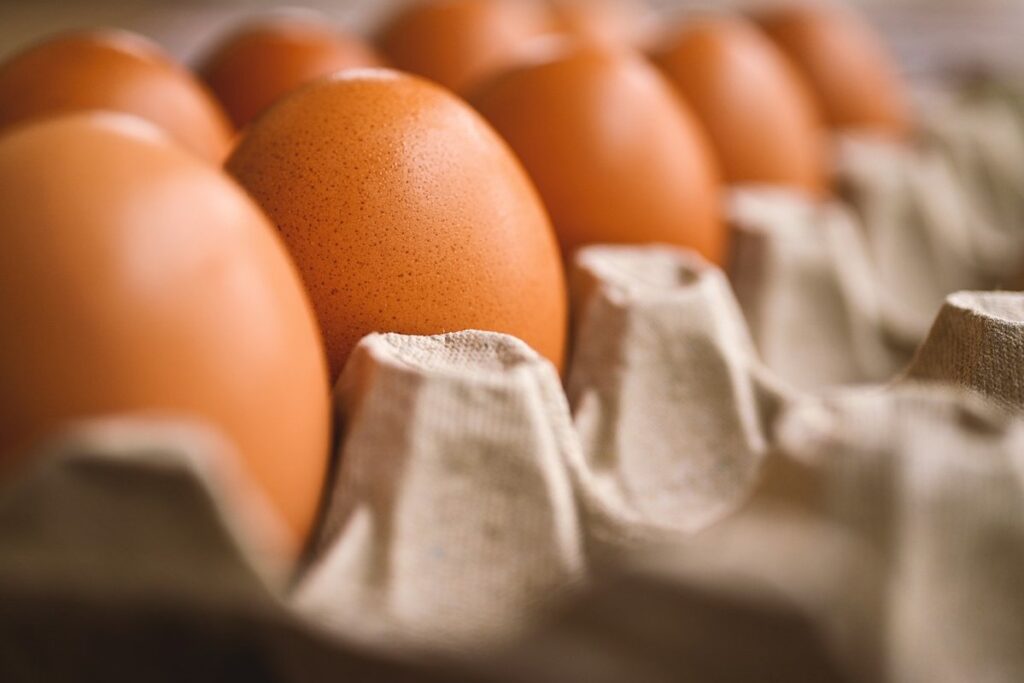
Let’s dive into the specific characteristics of Blue Laced Wyandotte eggs, including their unique markings and color patterns.
What are Blue Laced Wyandotte Chickens?
The Blue Laced Wyandotte breed is a popular and beloved choice among backyard chicken enthusiasts. Originating from the United States in the early 20th century, this stunning bird was developed by crossing various breeds to create its unique appearance. One of its most distinctive features is, of course, its striking blue plumage with lacing on the neck, breast, and thighs.
In terms of characteristics, BLW chickens are known for their friendly and docile nature, making them an excellent choice for families or beginners. They’re also relatively small in size, with hens weighing around 6-7 pounds and roosters reaching up to 8 pounds. When it comes to egg-laying, BLWs are moderate producers, laying an average of 200 brown eggs per year.
As you can imagine, the characteristics of the Blue Laced Wyandotte breed have a significant impact on their eggs. In this comprehensive guide, we’ll delve into the fascinating world of BLW eggs, exploring not only their color but also their size, shell texture, and nutritional profile. So, whether you’re an experienced chicken keeper or just starting out, let’s get cracking (pun intended!) and explore the wonderful world of Blue Laced Wyandotte eggs!
Importance of Knowing Egg Color
Understanding the egg color of Blue Laced Wyandottes is crucial for chicken keepers and enthusiasts. Not only does it help breeders identify purebred chickens, but it’s also a significant factor in marketing these birds to potential owners.
Egg color can be a key differentiator in breeding programs. Breeders want to ensure that their birds produce eggs with the characteristic blue or green tint associated with this breed. By understanding egg color, they can make informed decisions about which roosters and hens to breed together to achieve desired traits. In fact, many breeders rely on egg color as a primary indicator of genetic purity.
For market owners, egg color is an important consideration when promoting Blue Laced Wyandottes. Unique characteristics like egg color can command higher prices and generate more interest among customers. If you’re planning to sell or show your birds, it’s essential to know how to identify their egg color accurately. This will enable you to differentiate your flock from others and capitalize on the breed’s distinctiveness.
Genetics of BLW Egg Color
Let’s dive into the fascinating world of genetics and explore how it influences the beautiful blue laced patterns on our beloved Blue Laced Wyandotte eggs. We’ll examine the key factors at play.
Understanding the Role of Genetics
At the heart of the unique Blue Laced Wyandotte (BLW) egg color lies a complex interplay of genetic factors. To truly understand why these eggs are so strikingly blue-green, it’s essential to delve into the genetics behind this trait.
The genetics of eggshell color is primarily influenced by two groups of genes: those that control the amount and distribution of pigment in the shell (e.g., melanocortin 1 receptor), and those that affect the type and intensity of the pigment deposited (e.g., oca2 gene). In BLW chickens, specific interactions between these genes lead to an abundance of porphyrins – a type of greenish-blue pigment – on the eggshell surface.
This combination results in the characteristic blue-green hue. Interestingly, even slight variations in these genetic interactions can produce eggs that range from pale blue to deep teal. Understanding this complex interplay provides valuable insights for breeders looking to reproduce or enhance this unique trait within their flocks.
Blue Laced Wyandotte Gene Expression
The unique blue-green eggshell coloration of the Blue Laced Wyandotte breed is the result of specific gene expression. At its core, this coloration is determined by two genes: the white egg gene (I) and the blue egg gene (C). The interaction between these two genes produces a range of eggshell colors, from pure white to various shades of blue.
In BLW chickens, the C gene is dominant over the I gene. This means that if a chicken has one copy of the C gene (Cc), it will express the blue coloration. If a chicken has two copies of the C gene (CC), it will be more intensely blue. The interaction between these genes also produces unique patterns and shades, giving each BLW egg its distinctive character.
By understanding this genetic interplay, breeders can predict with some accuracy which birds will lay the most desirable eggs in terms of color. They can also work to create new combinations that produce even more striking colors. For example, by breeding a blue bird (CC) to a white bird (II), you may end up with offspring that are both blue and have the intense pattern associated with this breed.
Factors Influencing BLW Egg Color
The color of your Blue Laced Wyandotte eggs can be influenced by several key factors, including breed genetics and environmental conditions. Understanding these influences will give you a deeper insight into your flock’s egg-laying habits.
Age and Environmental Effects
As you begin to collect eggs from your Blue Laced Wyandotte (BLW) flock, you may notice that their egg color changes over time. This is not uncommon and can be attributed to several factors, including age, lighting, nutrition, and environmental conditions.
One of the most significant factors affecting BLW egg color is the bird’s age. Younger hens tend to lay eggs with a deeper blue tint, while older birds may produce lighter or more washed-out eggs. This is due to changes in the hen’s body chemistry as she matures. For example, younger hens have higher levels of porphyrins, which are responsible for the egg’s blue coloration.
In addition to age, lighting conditions can also impact BLW egg color. Eggs laid in bright, direct sunlight may appear lighter or more washed out due to the UV rays causing the pigments to break down. Conversely, eggs laid in dimly lit areas may retain their rich, dark color. To minimize this effect, ensure your hen’s coop and run receive moderate lighting.
Nutrition also plays a crucial role in determining egg color. A balanced diet rich in antioxidants, vitamins, and minerals can help maintain the intensity of the BLW egg color. For instance, adding foods high in omega-3 fatty acids, such as flaxseed or chia seeds, to your hen’s feed may enhance the blue tint.
Lastly, environmental conditions like temperature fluctuations, humidity levels, and air quality can also impact egg color. Extreme temperatures can cause the pigments to break down, resulting in lighter eggs. Similarly, high humidity can lead to mold growth on the eggs, affecting their appearance. To mitigate these effects, maintain a consistent temperature range (around 60-70°F) and ensure good ventilation in your coop.
In summary, understanding how age, lighting, nutrition, and environmental conditions affect BLW egg color is essential for maximizing the quality and appearance of your flock’s eggs. By providing optimal living conditions, nutrition, and care, you can encourage your hens to lay eggs with their natural vibrant blue color.
Breed Variations and Crossbreeding
When it comes to Blue Laced Wyandottes, breeders often wonder about potential variations in egg color and how crossbreeding affects pigmentation. Within the breed itself, some owners have reported noticing subtle differences in their hens’ eggs, such as slightly more intense blue or a slight green undertone.
These variations are largely due to genetic factors, including the interaction between multiple genes that influence eggshell production. For example, research has shown that certain combinations of genes can result in a deeper, richer blue coloration. While these differences may not significantly impact the overall appeal of your BLW eggs, they do offer an interesting glimpse into the complexities of chicken genetics.
Crossbreeding, on the other hand, is another factor to consider when it comes to eggshell pigmentation. When you introduce different breeds into your flock, you’re essentially introducing new genetic combinations that can result in a wider range of egg colors. By carefully selecting breeds known for their desirable traits – such as dark brown or speckled eggs – you may be able to coax more dramatic variations out of your BLW hens.
If you’re interested in experimenting with crossbreeding, consider starting with breeds that are closely related to the BLW, such as the Silver Laced Wyandotte. This will help minimize the risk of introducing unwanted traits and increase the chances of achieving successful hybridization.
Comparing BLW Egg Color to Other Breeds
If you’re wondering how Blue Laced Wyandotte egg color stacks up against other breeds, we’ll break down the similarities and differences in this comparison section. We’ll look at how BLW eggs compare to those of other popular breeds.
Contrasting with Other Dark-Egg Layers
When it comes to dark-egg layer breeds, the Blue Laced Wyandotte (BLW) stands out with its unique eggshell coloration. To put this characteristic into perspective, let’s compare and contrast it with other popular dark-egg layer breeds like the Marans and Welsummers.
One key difference between BLW eggs and those of other dark-egg layers is their intensity. While Marans eggs have a distinctive chocolate-brown color, they tend to be less saturated than BLW eggs. This results in a slightly lighter overall appearance. In contrast, BLW eggs boast an intense blue-gray hue that’s more vibrant and eye-catching.
Another notable difference lies in the eggshell texture. Welsummers, for instance, are known for their rougher, more textured shells compared to the smooth, lustrous finish found on BLW eggs. This subtle distinction is worth considering if you’re planning to showcase your birds’ eggs or sell them at a local market.
It’s also worth noting that while Marans and Welsummers may have some genetic overlap with BLW in terms of egg coloration, the underlying genetics driving these traits are distinct. This means that breeding for dark-egg layers can be more complex than you might expect, requiring careful consideration of multiple factors to achieve your desired outcome.
Unique Aspects of BLW Eggs
One of the standout features of BLW eggs is their unique appearance and texture. Unlike other breeds, which may produce more uniform egg coloration, Blue Laced Wyandotte (BLW) eggs often display a subtle yet striking mottling effect on the shell. This can range from delicate blue-green streaks to richer, darker undertones, making each egg truly one-of-a-kind.
In terms of practical advantages, BLW eggs are also notable for their durability and resistance to cracking. Due in part to the breed’s robust build and strong bone structure, BLW hens tend to lay larger, more compact eggs that are less prone to breakage during collection or storage. This can be especially beneficial for backyard chicken keepers who want to minimize egg loss and maximize their harvest.
While some may view the varying egg colors as a drawback, many enthusiasts appreciate the unique character they bring to their cartons. Whether you’re a seasoned breeder looking to showcase your birds’ individuality or simply a home gardener wanting to add a touch of personality to your breakfast routine, BLW eggs are sure to delight with their distinctive charm and quality.
Collecting and Keeping BLW Eggs
Now that you have your beautiful BLW eggs, let’s talk about collecting and storing them safely to preserve their unique color. Proper storage is key to maintaining egg quality.
Proper Handling and Storage
When collecting eggs from your Blue Laced Wyandotte (BLW) flock, it’s essential to handle them with care to preserve their quality and prevent breakage. Make sure to collect eggs regularly, ideally twice a day, to minimize the likelihood of cracking due to pressure buildup inside the egg.
To collect BLW eggs safely, gently reach under the nesting box or into the coop without startling the hens, which can cause them to roll the eggs around. If an egg is dirty or has visible cracks, set it aside and clean it gently with a soft brush or sanitizing wipes before placing it in storage.
For storage, keep BLW eggs in a cool, dry place, such as a covered carton or basket lined with paper towels or cloth to cushion the eggs. Store them pointed end down to prevent moisture from seeping into the egg and causing damage. Aim for consistent temperatures between 40°F and 45°F (4°C and 7°C) to slow bacterial growth.
It’s also essential to clean your hands before handling eggs, as bacteria on your skin can be transferred to the eggs and cause contamination. Always store eggs in a location away from direct sunlight, which can cause moisture buildup and lead to mold or bacterial growth.
Showcase for Artisans and Crafters
If you’re an artisan or crafter looking for unique and inspiring materials to work with, Blue Laced Wyandotte (BLW) eggs are a treasure trove of creative potential. These beautiful eggs come in a range of colors, from soft blues to rich purples, making them perfect for decorating or incorporating into your crafts.
One popular way to use BLW eggs is through decoupage. Simply clean and dry the egg, then apply a thin layer of varnish before cutting out intricate designs from paper or fabric. This technique allows you to create beautiful, delicate patterns on each egg, making them perfect for ornaments, gift decorations, or even jewelry.
You can also use BLW eggs as a starting point for mixed media art projects. Fill the egg with small objects like beads, pebbles, or even tiny pieces of moss and lichen. This adds an extra dimension to your artwork, creating a unique and visually appealing piece that’s sure to be a conversation starter.
Whether you’re a seasoned crafter or just starting out, BLW eggs offer endless possibilities for creativity and self-expression. So next time you collect some eggs from your flock, think beyond the table setting – these beautiful orbs are waiting to become your next masterpiece!
Conclusion: Appreciating the Beauty of BLW Eggs
Now that we’ve explored the intricacies of BLW egg color, let’s appreciate its true beauty and how it enhances your experience as a backyard chicken keeper.
Reflections on the Breed’s Unique Characteristics
As we conclude our comprehensive guide to Blue Laced Wyandotte egg color, it’s essential to reflect on what makes this breed truly unique. One of the most striking aspects of the BLW is its exceptional eggshell coloration. With their predominantly blue-lace patterned eggs, these birds are a sight to behold.
What we’ve learned throughout this guide is that the BLW’s egg color is not just aesthetically pleasing; it’s also a result of a combination of genetic factors and environmental influences. The breed’s ability to produce such vibrant and consistent egg colors has captivated chicken enthusiasts worldwide, making them an excellent choice for backyard farmers and poultry keepers.
One key takeaway from our exploration of the BLW’s characteristics is their remarkable adaptability. This hardiness enables them to thrive in various environments, from temperate climates to more extreme conditions. Their robust nature makes them an attractive option for those new to chicken keeping, as they are relatively low-maintenance and easy to care for.
In addition to their impressive egg-laying abilities and striking appearance, the BLW is also renowned for its friendly and docile temperament. This gentle disposition makes them a delight to have around, whether you’re raising them for eggs or simply enjoying their charming presence.
As we’ve explored throughout this guide, understanding the intricacies of the BLW’s egg coloration is just one aspect of appreciating these remarkable birds. Their unique blend of genetic and environmental factors has yielded an exceptional breed that continues to captivate enthusiasts worldwide. Whether you’re a seasoned poultry keeper or just starting your journey, the Blue Laced Wyandotte is certainly worth getting to know better.
Frequently Asked Questions
Can I breed Blue Laced Wyandotte chickens to create consistent egg color?
Breeders often prioritize genetics when selecting birds for breeding programs. While it’s possible to breed BLW chickens for desirable traits, achieving consistent egg color can be challenging due to the complex interaction of genes involved. To increase the chances of successful breeding, it’s essential to research and understand the genetics behind egg color in this breed.
How do I preserve Blue Laced Wyandotte eggs for extended periods?
Proper handling and storage are crucial when preserving BLW eggs. Store them in a cool, dry place away from direct sunlight. Consider using specialized egg cartons or containers that allow for air circulation to prevent moisture buildup. Wash your hands before handling the eggs, and gently wipe them clean with a damp cloth if necessary.
Can I mix Blue Laced Wyandotte eggs with those of other breeds?
Crossbreeding can introduce new traits and characteristics into your flock, but it may also affect the consistency of egg color and quality. When mixing BLW eggs with those from other breeds, be aware that the resulting hybrid eggs may not exhibit the same distinct blue lacing or color pattern.
Are Blue Laced Wyandotte chickens suitable for small backyard flocks?
BLW chickens are known for their friendly and docile nature, making them an excellent choice for families or beginners. However, they do require regular care and attention to maintain their health and productivity. If you’re new to chicken keeping, consider starting with a single BLW hen to get familiar with their needs before expanding your flock.
Can I use Blue Laced Wyandotte eggs as a natural dye for crafts?
Yes! The unique blue color of BLW eggs can be used as a natural dye for various craft projects. To extract the dye, gently boil the eggshells in water and then soak your fabric or materials in the resulting liquid. Be aware that the color may vary depending on the specific breed and environmental factors affecting the eggs.