
Are you considering adding some beautiful Blue Laced Wyandotte hens to your backyard flock? These stunning birds have captured the hearts of many chicken enthusiasts with their unique appearance and charming personalities. But beyond their good looks, Blue Laced Wyandottes make fantastic additions to any flock due to their friendly nature and excellent egg-laying abilities. As a responsible backyard poultry keeper, you’ll want to know more about these amazing hens and how to care for them properly. In this article, we’ll delve into the fascinating history of Blue Laced Wyandottes, explore their distinctive characteristics, and provide essential tips on how to raise happy and healthy birds in your own flock. Whether you’re a seasoned chicken owner or just starting out, this guide will help you make the most of these wonderful hens.
History and Origin
The Blue Laced Wyandotte hen has a rich history that spans centuries, originating from the United States in the mid-19th century. Let’s take a step back to explore their fascinating past and how they came to be.
The Development of the Breed
The Blue Laced Wyandotte breed has its roots in America, specifically in the late 19th century. At that time, poultry enthusiasts were experimenting with various breeds to create new and unique varieties. The Wyandotte breed was already well-established, known for its striking appearance and friendly demeanor.
In the 1880s, a breeder named George M. Lawrence of Vermont began working on creating a blue-laced version of the Wyandotte. He crossed the Wyandotte with other breeds to introduce the desired blue lacing pattern on the hackles and saddle feathers. The result was a stunning bird that quickly gained popularity among chicken enthusiasts.
The Blue Laced Wyandotte soon became a favorite among breeders and backyard flock owners alike, prized for its rich, dark plumage and attractive markings. Its friendly temperament made it an excellent choice for families with children or for those who wanted to raise birds as pets. As the breed’s popularity grew, it was officially recognized by the American Poultry Association (APA) in 1893.
Today, the Blue Laced Wyandotte is still a highly sought-after breed, cherished for its unique appearance and endearing personality.
Key Characteristics Influenced by Pheasants
When we look at the Blue Laced Wyandotte hen’s striking appearance and unique features, it’s clear that pheasants have left their mark on this breed. One of the key characteristics introduced through selective breeding with pheasants is their distinctive plumage pattern. The blue lacing on their feathers gives them a dappled, multi-tonal appearance that sets them apart from other chicken breeds.
This unique feathering is not only aesthetically pleasing but also serves a practical purpose – it helps to protect the bird from harsh weather conditions. In areas with extreme temperatures or heavy rainfall, the Blue Laced Wyandotte’s feathers provide valuable insulation and water-repellency. If you’re considering raising these birds on your farm, be aware that their distinctive plumage requires regular cleaning and maintenance to keep them looking their best.
When selecting a breeder or purchasing chicks, look for individuals with well-defined lacing patterns and a high level of feather quality. With proper care and management, the Blue Laced Wyandotte’s striking appearance will only continue to improve over time.
Physical Characteristics
Let’s take a closer look at the physical characteristics that make Blue Laced Wyandotte hens so stunning, from their plumage to their overall build. Their appearance is truly one of a kind!
Plumage and Coloration Patterns
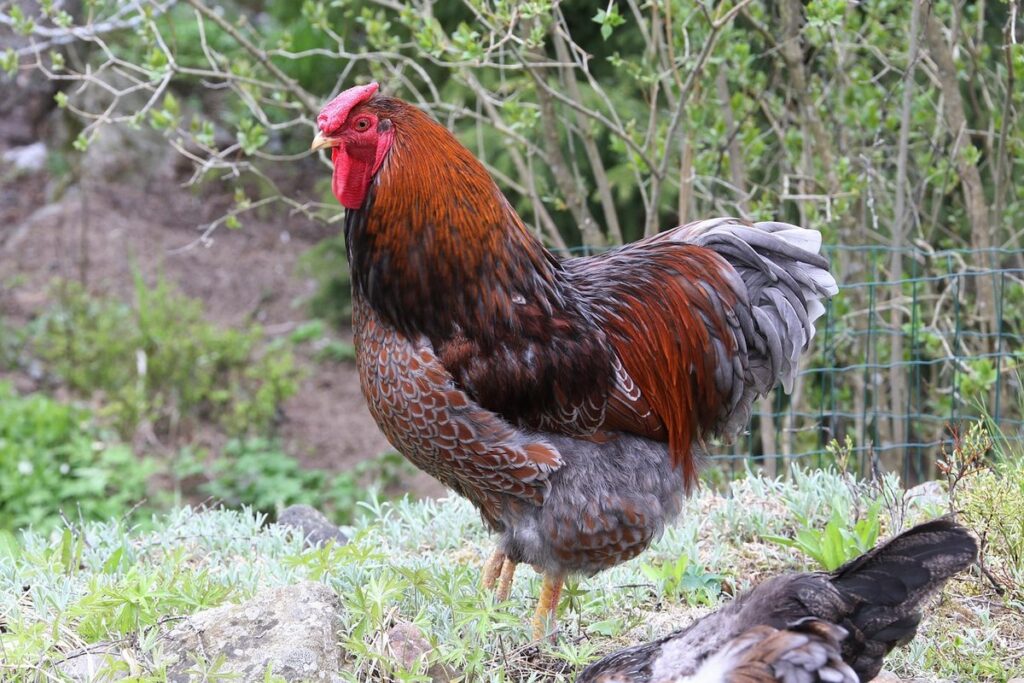
Blue Laced Wyandotte hens are renowned for their striking appearance, and one of the most distinctive features of this breed is their plumage pattern. Characterized by a lacy pattern of blue feathers on a white background, the “blue lace” effect is a result of genetic dilution of the black pigment, creating an intricate design that’s both beautiful and unique.
But the Blue Laced Wyandotte hen’s coloration doesn’t stop there. Along with their striking blue lacing, they also exhibit a range of other colors and patterns, including:
* Soft, creamy buff-colored feathers on their bodies
* Rich, dark red-brown highlights around their faces and tails
* A distinctive beak that’s often described as “rose-red” in color
When selecting a Blue Laced Wyandotte hen for your flock, look for birds with well-defined blue lacing, good overall feather quality, and a healthy, energetic demeanor. With proper care and attention, these stunning hens will reward you with years of enjoyment and delicious eggs.
Body Type and Size Variations
When it comes to Blue Laced Wyandottes, you’ll notice that they come in various body types and sizes. While some breeders may prioritize certain characteristics, such as compactness or length of leg, it’s essential to consider the potential impact on the hen’s health and well-being.
The ideal weight for a mature Blue Laced Wyandotte is around 7-8 pounds (3.2-3.6 kg), but this can vary depending on factors like feed quality, exercise level, and genetics. Some hens may be larger or smaller than this average, which is perfectly normal as long as they’re not significantly underweight.
To determine if your Blue Laced Wyandotte is at a healthy weight, look for signs such as:
• A visible but not overly prominent tail
• Well-defined muscles around the thighs and shoulders
• A moderate-sized breast
If you notice any significant deviations from these characteristics or observe other health issues, consult with a veterinarian to determine the best course of action.
Temperament and Personality
When it comes to owning a blue laced wyandotte hen, understanding their temperament and personality is crucial for building a strong bond between you and your feathered friend. This section will delve into what makes them tick.
General Nature and Friendliness
Blue Laced Wyandotte hens are known for their friendly and docile nature, making them an excellent choice for backyard flocks. These birds are social and enjoy human interaction, often seeking attention from their owners. They are also relatively easy-going and adaptable to new situations, which makes them a great option for families with children or those who are new to chicken-keeping.
One of the most notable traits of Blue Laced Wyandotte hens is their gentle disposition. They are less likely to fight or peck at each other, creating a harmonious atmosphere within the flock. This characteristic also translates to their interaction with humans, where they tend to be calm and respectful, even in the face of sudden noises or movements.
If you’re looking for chickens that will become your backyard buddies, Blue Laced Wyandottes are an excellent choice. With proper care and attention, these birds can thrive in a variety of environments and bring joy to those who own them.
Suitable Living Conditions and Space Requirements
When it comes to providing a suitable living environment for your blue laced wyandotte hens, space requirements and social interaction are crucial. These birds thrive in areas where they can move around freely, stretch their wings, and engage with their flock members.
A minimum of 2-3 square feet of space per hen is recommended for indoor coops, but ideally you should aim for more if possible. A larger coop also gives you room to incorporate enriching features such as perches, roosts, and dust baths. For outdoor enclosures, a secure, fenced area with adequate shelter and shade is essential.
In terms of social interaction, blue laced wyandotte hens are highly social birds that do best in small flocks. A good rule of thumb is to keep at least 3-5 hens together for optimal socialization and stress reduction. With a balanced space-to-hen ratio and plenty of social interaction, your blue laced wyandotte hens will lead happy, healthy lives. To encourage socialization, try introducing new birds slowly and providing separate feeding and watering stations to minimize competition.
Consider also incorporating enrichment activities such as foraging toys or scratch-and-peck feeders to stimulate their minds and keep them engaged. By following these guidelines, you can create a nurturing environment that brings out the best in your blue laced wyandotte hens.
Health Considerations
When bringing home blue laced wyandotte hens, it’s essential to consider their specific health needs and potential issues that may arise. Understanding these factors will help you provide the best care for your new feathered friends.
Common Health Issues and Concerns
As an owner of Blue Laced Wyandotte hens, it’s essential to be aware of the common health issues that can affect them. One of the most significant concerns is respiratory problems, which can be caused by factors such as dust, mold, and poor ventilation in the coop. To prevent this, make sure your hen house has good airflow and consider using a dehumidifier to keep the air clean.
Another issue you may encounter is feather pecking, where hens start pecking at each other’s feathers due to stress or boredom. This can lead to injuries and infections, so it’s crucial to provide your girls with enough space, perches, and activities to reduce stress levels. For example, you can try rotating their toys and providing scratching posts to keep them engaged.
It’s also worth noting that Blue Laced Wyandottes are prone to broodiness, which means they may want to sit on eggs constantly. While this can be a challenge, it’s manageable with regular egg collection and proper coop management. Regular health checks and monitoring your hens’ behavior will help you catch any potential issues early on, allowing for prompt treatment or adjustments to prevent problems from escalating.
Nutritional Requirements and Dietary Needs
When it comes to providing optimal nutrition for your Blue Laced Wyandotte hens, understanding their nutritional requirements and dietary needs is crucial. As a rule of thumb, these birds require a balanced diet rich in protein, vitamins, and minerals.
A good quality layer feed specifically formulated for chickens should be the foundation of their diet. Look for feeds that contain around 16-18% protein content to support egg production and overall health. In addition to layer feed, you may also want to supplement with calcium and phosphorus-rich foods like oyster shells or crushed eggshells to promote strong eggshell production.
Fresh water should always be readily available, and it’s recommended to provide a 1:2 ratio of grit to grains in their diet. This will help aid digestion and prevent health issues like malnutrition and gut problems. It’s also essential to ensure that your flock has access to fresh fruits and vegetables daily, such as leafy greens, carrots, and sweet potatoes.
Some great examples of healthy treats for Blue Laced Wyandottes include mealworms, sunflower seeds, and pumpkin. Always introduce new foods gradually to prevent digestive upset and monitor their intake closely to ensure they’re not overeating.
Breeding and Raising
If you’re planning to breed blue laced wyandotte hens, understanding their breeding habits is crucial. This section will cover essential tips on breeding and raising these stunning birds.
Selective Breeding for Desired Traits
When breeding Blue Laced Wyandottes (BLWs) for specific traits, breeders must be deliberate and strategic. The goal of selective breeding is to concentrate desirable characteristics within the flock while minimizing unwanted ones. To achieve this, BLW enthusiasts can start by identifying the ideal combination of attributes that they wish to prioritize.
For instance, some breeders might focus on intensifying the bird’s blue coloration or improving egg-laying capacity. Others may aim to enhance feather quality, plumage density, and overall health. To guide their breeding decisions, poultry experts recommend evaluating each hen’s performance based on established criteria such as fertility rate, chick viability, hatchability, and reproductive longevity.
In practice, breeders can employ various techniques like linebreeding or inbreeding to concentrate specific traits within a few generations. Another approach is selecting birds with optimal performance from the previous year’s breeding pool for mating. This process demands dedication, patience, and attention to detail. Breeders should also stay informed about the latest research findings on poultry genetics to make informed decisions that balance both short-term and long-term objectives.
Tips for Successful Chick Brooding and Hatching
When it comes to raising healthy chicks from hatch, successful brooding and hatching is crucial. One of the most critical factors is maintaining a stable temperature. Newborn chicks need warmth to regulate their body heat, so keep the brooder at around 90-95°F (32-35°C) for the first week or two. After that, you can gradually lower it by 5°F (3°C) each day until it reaches ambient temperatures.
A well-planned feeding schedule is also vital. Chicks need a starter feed that’s rich in protein and calcium to support their rapid growth. Divide their daily ration into 4-6 meals to prevent overeating and ensure they’re getting the nutrients they need. Provide fresh water at all times, and make sure it’s within reach of the chicks.
Keep an eye out for potential issues like respiratory problems or mites. Monitor your chicks’ droppings, look for signs of illness, and keep the brooder clean to prevent health issues from arising.
Conclusion and Final Thoughts
As you’ve now learned about these incredible blue laced wyandotte hens, it’s time to consider bringing one home. If you’re new to chicken keeping, don’t be intimidated by their striking appearance – with proper care, they make wonderful additions to any backyard flock. Remember that their size and energy level mean they require regular exercise and mental stimulation, so be sure to provide a spacious run or enough free-range time to keep them happy.
To truly enjoy the company of your blue laced wyandotte hen, invest in learning about their unique needs and personalities. With patience and attention, you’ll develop a strong bond with these intelligent birds – they’re known for being friendly and social, making great family pets or additions to community gardens. By embracing the joys of chicken keeping, you’ll not only gain a new companion but also learn valuable lessons in responsibility and nurturing.
Frequently Asked Questions
How do I introduce new Blue Laced Wyandotte hens to my existing flock?
When integrating new birds, it’s essential to do so gradually to prevent stress on either the new or established birds. Start by keeping them separate for a few days before introducing them under close supervision. Ensure you provide enough space and resources for each group, especially during this transition period.
What are some common health issues I should be aware of in Blue Laced Wyandottes?
Blue Laced Wyandottes can be prone to certain health issues such as Marek’s disease and hypocalcemia due to their high egg-laying abilities. Regular veterinary check-ups and maintaining a clean living environment will help mitigate these risks.
How often should I provide fresh water for my Blue Laced Wyandotte hens?
Fresh water is essential, especially in warmer climates or during times of heavy laying. Ensure you change the water daily to prevent bacterial growth and contamination. Consider installing automatic watering systems for added convenience and hygiene.
Can I keep Blue Laced Wyandottes as pets without them producing eggs?
While their egg-laying abilities are significant benefits, it’s possible to raise them primarily as pets. However, consider your local regulations regarding backyard chickens before deciding against egg production.
How do I know if my Blue Laced Wyandotte is a true breed or hybrid?
To verify the authenticity of your birds, research reputable breeders and ensure you’re purchasing from a breeder who provides documentation on the bloodlines and genetics. Look for distinctive characteristics such as the blue lacing pattern, which should be evenly distributed across their feathers.