
If you’re considering adding some feathered friends to your backyard or farm, you might want to think about blue runner ducks. These charming birds have been captivating people with their striking blue-gray plumage and energetic personalities for centuries. But there’s more to these amazing creatures than just their looks – understanding their history, physical characteristics, behavior, health needs, and care requirements is essential to raising happy, healthy birds. In this article, we’ll take you on a journey into the world of blue runner ducks, covering everything from their origins and unique traits to expert advice on how to raise them successfully. Whether you’re an experienced duck breeder or just starting out, get ready for some valuable insider tips that will help you care for your new feathered friends like a pro.
Introduction to Blue Runner Ducks
Let’s dive right into what makes blue runner ducks so unique and special, a fascinating breed that’s sure to capture your heart.
What are Blue Runner Ducks?
Blue runner ducks are an attractive and unique breed of waterfowl that originated in China. Their name is derived from their slender build, allowing them to run swiftly across the ground with ease. This remarkable ability makes them distinct from other duck breeds.
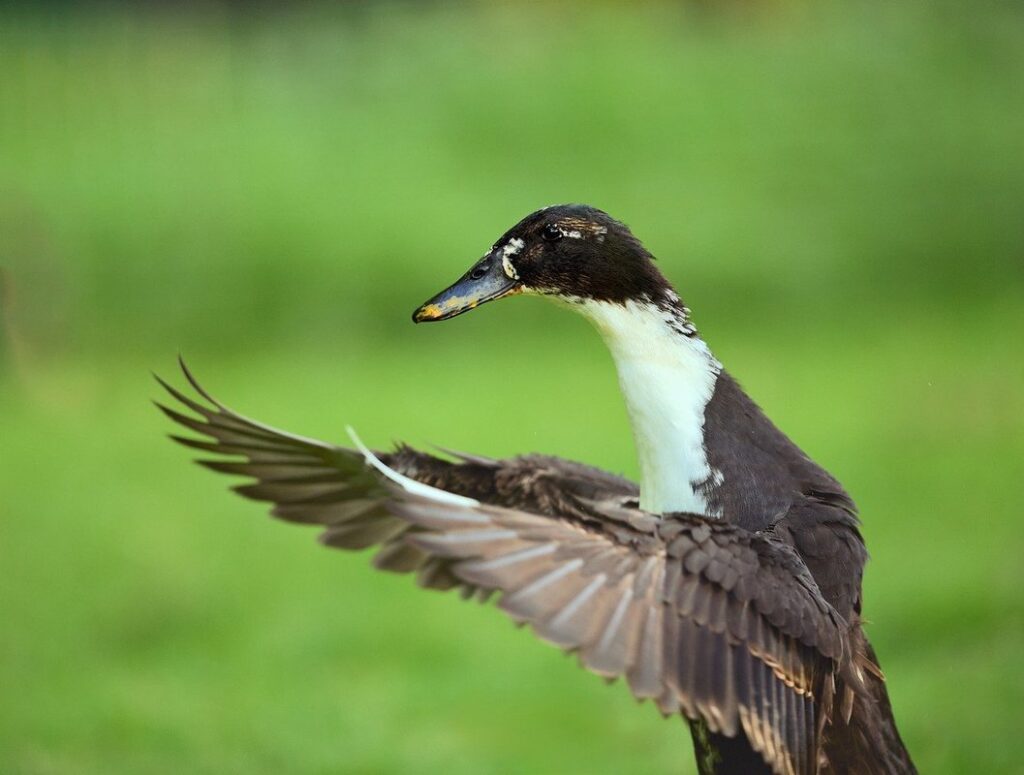
One of the key characteristics that set blue runner ducks apart is their striking appearance. They have a predominantly white plumage with patches of iridescent blue and green feathers on their heads and necks. Their slender neck and long bill add to their elegance, making them a popular choice among waterfowl enthusiasts.
In terms of temperament, blue runner ducks are known for being friendly and docile. They are social birds that thrive in the company of humans and other animals, making them an excellent choice for families or those new to duck keeping. With proper care and attention, these remarkable ducks can live up to 10-15 years, providing endless hours of entertainment and companionship.
They are also prolific layers, producing around 200 eggs per year, which is quite impressive considering their size.
Physical Characteristics of Blue Runner Ducks
Blue runner ducks are easily recognizable due to their striking physical characteristics. When it comes to plumage, blue runners have a mix of iridescent blues and greens that give them an otherworldly sheen. The coloration is most vibrant on the head, neck, and breast areas, gradually fading into a more muted tone towards the tail.
On average, adult blue runner ducks reach about 10-12 inches in length, with males typically weighing between 1.5 to 2 pounds. Females are slightly smaller, usually tipping the scales at around 1.2 to 1.8 pounds. One of the most notable features of blue runners is their unique crest – a fleshy growth on top of the head that’s longer in males than females.
The bill and legs of blue runner ducks are a darker shade of orange or yellow, which complements their plumage nicely. The webbed feet are well-suited for swimming and diving, making these birds adept at navigating aquatic environments. Overall, the combination of vibrant plumage and distinctive features makes blue runners stand out as one of the most visually appealing duck breeds.
History and Breeding
The blue runner duck has a rich history that dates back centuries, shaped by careful breeding over generations to create its distinct characteristics. Let’s delve into their fascinating origins.
Origins of the Blue Runner Duck Breed
The blue runner duck breed has its roots in the United Kingdom, where it was developed in the early 20th century. The exact date of its creation is unclear, but it’s believed to have been bred from a combination of Khaki Campbell and Rouen ducks. This ancestry gave the blue runner its characteristic speed, egg-laying abilities, and robust build.
One notable milestone in the evolution of the blue runner duck was its introduction at the 1924 British Poultry Show. The breed quickly gained popularity among farmers due to its exceptional foraging ability, which allowed it to thrive on poor quality feed.
Interestingly, the blue runner duck’s origins are also linked to its development as a meat bird. Prior to World War II, poultry farmers in the UK focused on producing high-quality meat, and the blue runner was seen as an ideal breed for this purpose. However, with the shift towards egg production following the war, the blue runner’s popularity waned. Despite this, the breed remains popular among hobbyists today due to its hardiness, low maintenance needs, and exceptional foraging abilities.
As you consider keeping a blue runner duck on your farm or homestead, it’s essential to appreciate its rich history and adaptability. With proper care and attention, these birds can thrive in even the most challenging environments.
Breeding Characteristics of Blue Runner Ducks
When it comes to breeding blue runner ducks, understanding their characteristics is crucial for success. One of the key advantages of this breed is its high fertility rate. Blue runner ducks are known to be prolific layers, producing a large number of eggs per year, and they also have a relatively low mortality rate among ducklings.
On average, a healthy blue runner duck will lay around 200-250 eggs per year, with some individual females laying as many as 300 eggs in their prime. This means that breeders can expect to get plenty of eggs from their blue runner ducks, making them an excellent choice for those looking to start or expand a small-scale duck farm.
It’s worth noting that the quality of offspring is also a consideration when breeding blue runner ducks. As with any poultry breed, the health and vigor of the parents will have a direct impact on the health and growth rate of their young. To ensure high-quality offspring, breeders should focus on selecting healthy, well-fed birds with good conformation.
To maximize fertility rates and egg production, breeders can try providing a balanced diet that includes plenty of protein, calcium, and other essential nutrients. Regular vaccinations and parasite control will also help to keep the flock healthy and reduce mortality rates.
Blue Runner Duck Behavior
If you’re bringing home a blue runner duck, it’s essential to understand their behavior and social needs to create a happy and harmonious home environment for both you and your new feathered friend. Let’s dive into what to expect from these lovable birds.
Temperament and Socialization of Blue Runner Ducks
Blue runner ducks are known for their lively and energetic personalities. They thrive on social interaction and require proper tempering to become well-adjusted pets. When introducing a blue runner duck to your flock or with other pets, it’s essential to consider its temperament.
To integrate a new blue runner duck into an existing flock, start by keeping them in close proximity but separated. This allows them to become familiar with each other’s presence and sounds without the risk of aggression. Gradually increase their interaction time under close supervision, rewarding calm behavior.
When introducing them to pets like chickens or geese, it’s crucial to observe body language carefully. Watch for signs of stress, such as hissing, flapping, or chasing. If you notice any aggressive behavior, intervene promptly and separate the animals. With patience and proper socialization, blue runner ducks can integrate harmoniously into a flock.
Their friendly nature makes them an excellent addition to family farms or backyard flocks, providing entertainment and companionship for owners of all ages.
Foraging and Flight Patterns of Blue Runner Ducks
Blue runner ducks are semi-aquatic birds that spend most of their time foraging for food in shallow water. Their natural behavior is to forage in areas with abundant aquatic vegetation, such as wetlands, marshes, and slow-moving streams. They use their strong beaks to dig into the sediment and uncover small crustaceans, insects, and plants.
When it comes to flight patterns, blue runner ducks are known to be good fliers. They typically migrate in large groups, often following traditional flyways, which can range from a few hundred to several thousand miles. During migration, they tend to avoid flying over open water and instead follow coastlines or the edges of wetlands.
Interestingly, blue runner ducks have been observed exhibiting unique flight behaviors when threatened. When under attack by predators such as hawks or owls, they will often dive-bomb towards the ground, using their speed and agility to evade capture. This behavior is a testament to their remarkable adaptability and resourcefulness in the wild.
Health and Nutrition
When it comes to caring for your blue runner duck, a balanced diet and proper nutrition are crucial to their overall health and well-being. Let’s take a closer look at their specific nutritional needs.
Common Health Issues in Blue Runner Ducks
Blue runner ducks are prone to certain health issues that can affect their overall well-being and longevity. One of the most common problems is respiratory infections, which can be caused by bacterial or viral pathogens. Symptoms may include labored breathing, wheezing, and a decrease in appetite. In severe cases, these infections can lead to secondary complications such as pneumonia.
Another issue blue runner ducks face is metabolic bone disease (MBD), a condition that causes softening of the bones due to inadequate calcium and vitamin D levels in their diet. MBD can result in deformities, twisted legs, and difficulty walking. To prevent this, it’s essential to provide your duck with a balanced diet rich in calcium and vitamin D.
Regular check-ups with a veterinarian are crucial for identifying potential health issues early on. Monitor your blue runner ducks’ behavior, watching for signs of illness or discomfort. Keep their enclosure clean, provide fresh water, and ensure they have access to adequate space for exercise. By being proactive about your ducks’ health and nutrition, you can help prevent many common problems from arising in the first place.
Nutritional Needs of Blue Runner Ducks
Blue runner ducks are omnivores and require a balanced diet that includes a mix of grains, proteins, fruits, and vegetables. In the wild, they forage for food on land and in water, eating aquatic plants, insects, crustaceans, and small fish. To replicate their natural diet, you can feed them a combination of commercial duck pellets or crumbles as a main staple, supplemented with fresh veggies like kale, spinach, and carrots.
In terms of specific nutritional needs, blue runner ducks require a diet rich in protein (around 15-18% on a dry matter basis) and moderate in fat. They also need access to calcium and phosphorus for strong bone growth and development. To ensure they get these essential nutrients, you can add crushed eggshells or oyster shells to their food. Additionally, providing a source of probiotics, such as live cultures from fermented foods like yogurt or kefir, can support gut health.
Feed blue runner ducks at least twice a day, with an average daily ration of about 1/4 pound per bird. Avoid overfeeding, as this can lead to obesity and other health issues. By following these guidelines, you can provide your blue runner duck with the nutrition it needs to stay healthy and thrive.
Care and Management
To keep your blue runner ducks happy and healthy, it’s essential to provide them with proper care and management from a young age. We’ll cover some key tips on how to do just that in this section.
Housing and Enrichment for Blue Runner Ducks
When it comes to providing a suitable environment for your blue runner ducks, housing and enrichment activities are essential components of their care. Blue runners require a spacious and secure enclosure that protects them from predators and harsh weather conditions.
The ideal housing for blue runner ducks should provide enough space for them to move around comfortably, with a minimum area of 2-3 square feet per duck inside the coop and 5-6 square feet in the run. A sturdy fence or mesh enclosure is necessary to prevent escape and protect from aerial predators.
Enrichment activities are crucial for maintaining your blue runner ducks’ physical and mental well-being. Provide them with a variety of toys, such as floating devices or toys filled with treats, to stimulate their curiosity and encourage exercise. You can also offer them hiding places like plants or tunnels to reduce stress.
To ensure the health and happiness of your blue runners, spend time with them daily, observe their behavior, and make necessary adjustments to their environment. By creating a suitable living space and engaging in regular enrichment activities, you’ll be providing the best possible care for your feathered friends.
Handling and Training of Blue Runner Ducks
When handling blue runner ducks, it’s essential to be mindful of their sensitive nature and loud vocalizations. These ducks can produce a wide range of sounds, from soft quacks to ear-piercing screeches, which can be startling for even experienced poultry handlers. To avoid startling or stressing your birds, approach them calmly and quietly, giving them ample space to become comfortable with your presence.
When restraining blue runner ducks, use a safe and humane method that prioritizes their well-being. A towel or cloth wrap is an excellent option, as it allows you to secure the bird without constricting its movement. Avoid using gloves or netting, as these can be uncomfortable for the duck and may cause unnecessary stress.
Positive reinforcement training is also crucial when working with blue runner ducks. Reward desired behaviors, such as stepping onto a perch or following commands, with treats like sunflower seeds or chopped vegetables. Be consistent in your approach, setting clear expectations and reinforcing good behavior to help your birds become confident and well-behaved companions.
Conclusion
Now that we’ve explored the fascinating world of blue runner ducks, it’s time to summarize our key takeaways and wrap up our adventure together. Let’s review what we’ve learned about these charming birds.
Summary of Key Points
As we conclude our journey into the world of blue runner ducks, let’s recap the key takeaways from this article. By now, you should have a better understanding of these fascinating birds and their unique characteristics.
Firstly, we discussed the physical appearance of blue runner ducks, including their vibrant plumage and distinctive markings. You may recall that they have a striking blue and orange hue, with a black beak and feet. Their compact size makes them an attractive addition to any backyard pond or pool.
We also explored the behavior and habits of blue runner ducks, highlighting their social nature and tendency to form close bonds with each other. These birds are known for their energetic and playful personalities, making them entertaining companions for duck enthusiasts. In fact, many owners have reported that their blue runners are often the first to greet them in the morning.
In terms of care and maintenance, we emphasized the importance of providing a balanced diet and a safe environment for your blue runner ducks. This includes regular feeding with high-quality duck food, as well as creating a secure enclosure or pond to prevent escape attempts. We also discussed the need for regular cleaning and monitoring of their living space.
Whether you’re an experienced duck owner or just starting out, it’s essential to research local regulations and guidelines before introducing blue runner ducks to your property. This will help ensure that you comply with any necessary permits or zoning requirements. By following these tips and guidelines, you can create a happy and healthy environment for your blue runners.
In summary, this article has provided a comprehensive overview of the blue runner duck breed. From their unique appearance to their social behavior and care requirements, we’ve covered everything you need to know to bring these wonderful birds into your life.
Frequently Asked Questions
Can I raise blue runner ducks indoors if I don’t have a large outdoor space?
Blue runner ducks do require regular exercise, but they can thrive in smaller indoor spaces as long as you provide a suitable enclosure with adequate ventilation and enough room to move around. Make sure to also set up a designated area for them to forage and engage in natural behaviors.
How often should I clean the housing and equipment of my blue runner ducks?
Cleaning your duck’s living space regularly is crucial for their health and well-being. Aim to clean their coop, run, and accessories at least twice a week, and disinfect all surfaces with a pet-safe cleaning solution to prevent disease transmission.
What are some common mistakes beginners make when raising blue runner ducks?
Some common pitfalls include providing inadequate nutrition, failing to provide enough space or exercise, and neglecting regular health checks. Be sure to research and understand the specific needs of your birds, and don’t hesitate to reach out for expert advice if you’re unsure about anything.
Can blue runner ducks be kept with other types of poultry?
While blue runner ducks can get along with some breeds, they may not mix well with more aggressive or territorial birds. Research compatibility before introducing them to your flock, and consider separating them if necessary to ensure harmony and prevent stress.
How long do blue runner ducks typically live, and what factors affect their lifespan?
The average lifespan of a blue runner duck is around 10-15 years, depending on various factors such as nutrition, health conditions, and living environment. Provide your birds with proper care, regular veterinary check-ups, and a balanced diet to help them reach their full potential.