
Are you ready to meet one of the most stunning and charming breeds in the poultry world? The Blue Wyandotte is an eye-catching bird with its sleek blue feathers, rich history, and delightful personality. Whether you’re a seasoned chicken enthusiast or just starting your backyard flock, this breed is sure to capture your heart.
In this article, we’ll delve into the fascinating history of the Blue Wyandotte, exploring how it came to be one of the most beloved breeds among poultry enthusiasts. We’ll also cover its unique physical traits and charming temperament, making it an ideal addition to any farm or backyard flock. But that’s not all – we’ll also provide expert tips on caring for, showing, and breeding this beautiful bird. Whether you’re a seasoned breeder or just starting out, get ready to learn the ins and outs of working with the Blue Wyandotte breed.
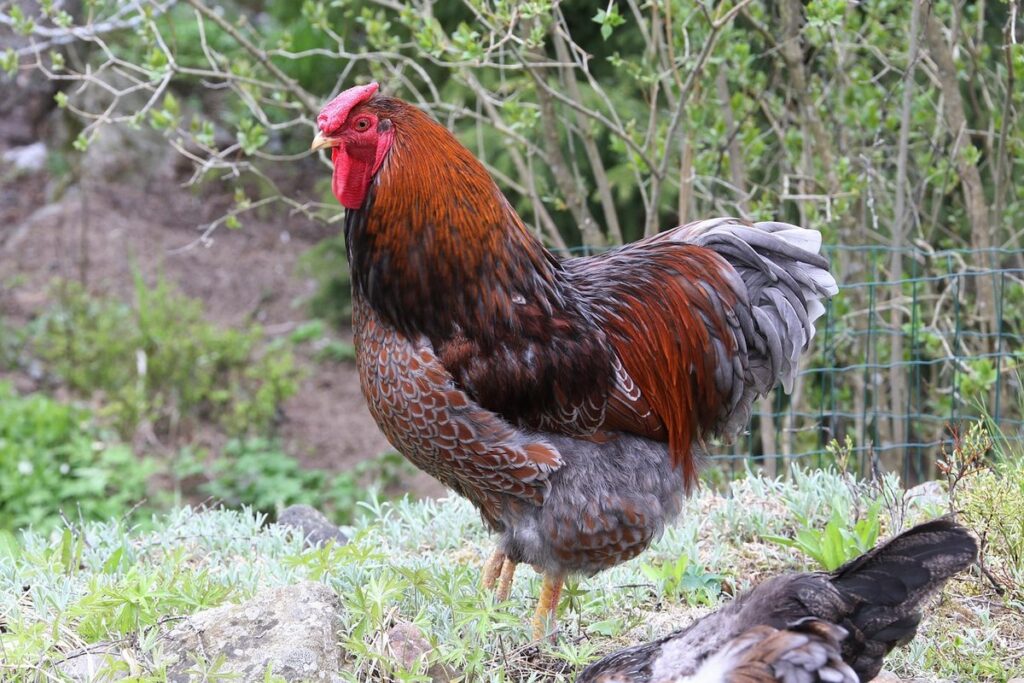
History and Origins of the Blue Wyandotte
The story of the Blue Wyandotte begins over 150 years ago, when this breed was first developed in upstate New York by crossing Wyandottes with other birds to create its signature blue plumage. Let’s dive into the fascinating history behind this stunning bird.
Early Development and Introduction
The story of the Blue Wyandotte breed begins in the 19th century, when breeders were experimenting with various combinations to create new and exciting breeds. The foundation for this stunning bird lies in its game fowl heritage, which provided the strength and vitality that is characteristic of the breed today.
Specifically, the development of the Blue Wyandotte can be attributed to a combination of the Old English Game Fowl, the Cochin, and other Asiatic fowls. The introduction of these breeds brought forth new color varieties, including the striking blue-gray plumage that defines the Blue Wyandotte. This unique blend of characteristics made the breed an instant hit among poultry enthusiasts.
The first recorded mention of the Blue Wyandotte dates back to 1885, when it was exhibited at the New York State Fair. The breed quickly gained popularity and was soon recognized by major poultry associations, including the American Poultry Association (APA). If you’re planning to raise your own Blue Wyandottes, be sure to research reputable breeders who can provide you with high-quality stock. This will ensure that you get the best start for your flock.
Key Breeding Programs and Their Impact
The breeding history of the Blue Wyandotte is a rich and fascinating topic. One notable program was established by W.E. Rickard in the late 19th century, with the goal of creating a show-quality breed. Rickard’s methods involved careful selection and breeding to emphasize the bird’s distinctive blue plumage and friendly demeanor.
Another significant breeding program was led by Mrs. R.M. Myer at the turn of the 20th century. Her focus was on refining the breed’s physical characteristics, with a particular emphasis on its compact body type and vibrant coloring.
Both programs significantly contributed to the development of the modern Blue Wyandotte. The breed’s unique appearance is largely due to these early breeding efforts. Today, enthusiasts continue to build upon this foundation by incorporating new bloodlines and selectively breeding for desirable traits.
For those interested in breeding their own Blue Wyandottes, it’s essential to study and learn from these pioneers. This includes understanding the importance of linebreeding and inbreeding to reinforce desired characteristics, as well as being aware of potential pitfalls such as over-reliance on a single sire or dam.
Characteristics and Physical Traits
The Blue Wyandotte is a stunning breed, so let’s take a closer look at its distinctive characteristics and physical traits that set it apart from other fowl.
Plumage and Coloration
One of the most striking features of the Blue Wyandotte is its stunning blue coloration. This breed boasts a unique and vibrant plumage that sets it apart from other varieties. The blue coloration can range from a light sky blue to a deep navy, with some birds exhibiting subtle undertones of purple or gray.
The genetics behind this striking feature are complex, but essentially, the Blue Wyandotte’s blue color is achieved through a combination of dominant and recessive genes. This means that even if a bird doesn’t display blue plumage itself, it can still carry the gene and pass it on to its offspring. This variation in coloration can lead to some fascinating genetic combinations.
In addition to their striking coloration, Blue Wyandottes also possess several other physical traits worth noting. Their beak shape is generally broad and rounded, with a slight curve at the tip. The comb type is medium-sized and fairly compact, adding to the bird’s overall charm. Wing size can vary slightly depending on individual characteristics, but overall, the breed boasts sturdy wings suitable for flight.
When it comes to selecting a Blue Wyandotte, keep in mind that color intensity is just one factor to consider. Research reputable breeders who prioritize genetic diversity and health, ensuring you’re bringing home not only a beautiful bird but also one with a strong foundation for a long and happy life.
Size, Weight, and Body Type
When it comes to the size, weight, and body type of a Blue Wyandotte, there are specific guidelines to follow. According to the American Poultry Association (APA), this breed is considered large to extra-large in terms of size.
Males typically weigh between 7-9 pounds (3.2-4 kg) and stand around 17-19 inches (43-48 cm) tall, while females are slightly smaller, weighing between 6-8 pounds (2.7-3.6 kg) and standing at 16-18 inches (40-45 cm) tall.
In terms of body type, Blue Wyandottes have a sturdy build with a broad chest and well-sprung ribs. Their wings should be carried in a neat and straight line with the back, while their tail feathers should be long and carried in an even line.
It’s essential to keep in mind that growth rate can vary depending on factors such as diet, health, and genetics. On average, Blue Wyandottes will reach maturity at around 18-22 weeks of age, but some may take up to a year to fully develop their adult plumage.
As a breeder or owner, it’s crucial to monitor your bird’s growth and adjust its diet accordingly to ensure optimal health and development. Regular check-ups with a veterinarian can also help identify any potential issues early on.
Temperament and Behavior
When it comes to living with a Blue Wyandotte, understanding their temperament and behavior is crucial. This section will give you an insider’s look at what to expect from these beautiful birds in terms of personality and habits.
Friendliness and Social Nature
When it comes to their temperament and social nature, Blue Wyandottes truly shine. These birds are known for their exceptionally friendly and docile personalities, making them a joy to have around the house. They’re quick to form close bonds with their owners and can even learn to recognize individual family members by name.
One of the most endearing qualities of Blue Wyandottes is their ability to interact with people and other animals in harmony. With proper introduction and socialization, they’ll happily coexist with other pets, such as dogs and cats, and even enjoy human interaction on a daily basis. This makes them an excellent choice for families with children or multi-pet households.
To integrate your Blue Wyandotte into family environments successfully, start by introducing them to one person at a time in a quiet room. Reward calm behavior with treats, and gradually increase interactions as they become more comfortable. With patience and gentle handling, your Blue Wyandotte will soon be an integral part of the family, providing endless entertainment and affection for years to come.
Energy Level and Exercise Needs
Blue Wyandottes are known for their moderate energy level, making them an excellent choice for families and individuals who want a companion without excessive demands. These birds require regular exercise to stay healthy and happy.
A daily routine that includes about 2-3 hours of out-of-cage time is recommended. This can be achieved through playtime in a secure area or by letting them roam freely under close supervision. Providing toys and activities such as foraging, climbing, and flying will help keep your Blue Wyandotte engaged and active.
In addition to regular exercise, it’s essential to ensure your bird gets enough mental stimulation. Consider providing puzzle toys filled with treats or hiding food around the cage to encourage exploration and problem-solving skills. A healthy balance of physical activity and mental stimulation will help maintain your Blue Wyandotte’s overall well-being and prevent boredom-related behaviors.
It’s also crucial to note that Blue Wyandottes, like all birds, require regular breaks from exercise to rest and recharge. Aim for a mix of high-energy activities with lower-key periods to avoid exhaustion.
Care and Management
To keep your Blue Wyandotte happy and healthy, it’s essential to understand their specific care requirements and management needs. This section will walk you through everything you need to know.
Housing and Space Requirements
When it comes to housing and space requirements for your Blue Wyandotte flock, it’s essential to provide them with a safe, comfortable, and stimulating environment. A good rule of thumb is to allocate at least 2-3 square feet of indoor coop space per bird, with adequate ventilation and insulation to regulate the temperature.
In terms of nesting boxes, you’ll want to provide one box for every 3-4 hens, ensuring they have a secure spot to lay their eggs without stress. Consider installing the nesting boxes at an angle or slope to make it easier for your birds to enter and exit comfortably.
Outdoor access is also crucial for Blue Wyandottes, which are active foragers that thrive in fresh air and sunlight. Make sure to create a secure and predator-proof enclosure that allows them to roam freely while keeping them safe from harm. Consider adding some interactive elements like perches, ladders, or toys to keep your birds engaged and entertained.
When designing your coop and outdoor run, remember to prioritize sanitation, ease of cleaning, and accessibility for maintenance tasks. By doing so, you’ll be creating a happy and healthy environment that allows your Blue Wyandottes to thrive.
Diet and Nutrition
When it comes to caring for your Blue Wyandotte, providing the right diet is crucial for their overall health and well-being. These stunning birds have specific nutritional requirements that need to be met to ensure they thrive.
A Blue Wyandotte’s diet should consist of a high-quality commercial poultry feed as its main staple. However, it’s also essential to supplement with fresh fruits and vegetables daily to provide them with the necessary vitamins and minerals. Leafy greens like kale and spinach are particularly beneficial for their health. Fresh foods can be given in moderation, about 10-15% of their overall diet.
Some foods that should be avoided include processed meats, sugary treats, and high-sodium foods. These can cause harm to your Blue Wyandotte’s digestive system and lead to health issues down the line. Always choose organic and fresh produce whenever possible to minimize pesticide exposure.
Breeding and Show Preparation
If you’re planning to breed or show your Blue Wyandotte, understanding their unique needs is crucial for success. This section will walk you through the essential steps for breeding and preparing your birds for competition.
Breeding Programs and Best Practices
When it comes to breeding Blue Wyandottes, responsible practices and genetic considerations are crucial to producing healthy, high-quality birds. One of the most essential steps is health testing. This involves evaluating both parents for potential genetic disorders that can be inherited by their offspring. For example, many breeders have their birds tested for conditions like hypothyroidism or obesity. It’s also vital to maintain a diverse gene pool to prevent inbreeding and ensure the breed remains robust.
To achieve this, breeders should aim to introduce new bloodlines every few generations. This not only reduces the risk of inherited diseases but also helps preserve the breed’s unique characteristics. A well-planned breeding program should balance genetic diversity with desired traits like feather quality, temperament, and conformation. By prioritizing health testing and genetic management, you can produce Blue Wyandottes that are not only stunning in appearance but also healthy and long-lived.
Tips for Showing Your Bird
When preparing your Blue Wyandotte for shows, it’s essential to prioritize their health and appearance. Start by ensuring they’re up-to-date on all vaccinations, as a clean bill of health is crucial for competition. You’ll also need to trim their beak to prevent overgrowth, which can lead to discomfort and eating difficulties.
In terms of grooming standards, the Blue Wyandotte’s primary features include their iridescent blue feathers, white face, and black beak. To showcase these characteristics, focus on maintaining a clean, well-groomed plumage, paying particular attention to the wings and tail. A good rule of thumb is to brush your bird daily, taking care not to pull or tangle their delicate feathers.
To give your Blue Wyandotte an edge at shows, practice handling them regularly to help them become more confident and calm in new situations. This will make the show experience less stressful for both you and your bird. Additionally, consider enrolling your Blue Wyandotte in a beginner’s training class to teach basic obedience and manners.
Some key things to remember when preparing your Blue Wyandotte for shows include:
* Keeping their living quarters clean and well-ventilated
* Providing a balanced diet that includes fresh fruits and vegetables daily
* Ensuring they have access to plenty of water and exercise
* Handling them gently but firmly to help build trust and confidence
Health Considerations and Common Issues
As you consider bringing a Blue Wyandotte into your flock, it’s essential to be aware of potential health concerns and common issues that may arise in this breed. Let’s take a closer look at what you need to know.
Genetic Predispositions and Health Concerns
As you consider bringing home a Blue Wyandotte, it’s essential to be aware of potential genetic issues that can affect this breed. Responsible breeding practices have significantly reduced the occurrence of some inherited conditions, but being informed is crucial for giving your feathered friend the best possible life.
One common issue affecting Wyandottes, including the Blue variety, is Marek’s disease, a viral condition that affects the nervous system. Caused by a herpesvirus, it can be prevented through vaccination and strict biosecurity measures in breeding facilities. Regular veterinary check-ups and keeping your bird up-to-date on vaccinations will help mitigate this risk.
Another concern is a condition known as ‘button eyeball,’ where the eyelid droops over the eye due to weakened muscles or misaligned feathers around the socket. Regular beak trimming, proper nutrition, and regular checks by an avian-savvy veterinarian can help prevent or address this issue.
Some Wyandottes may also be prone to respiratory problems due to brachycephalic (flat-faced) features, which can lead to breathing difficulties in warm weather or during exercise. Providing plenty of cool, well-ventilated space and monitoring your bird’s health will help identify any potential issues early on.
Maintaining a clean environment, practicing good hygiene, and keeping an eye out for changes in behavior, appetite, or physical condition are key to ensuring the Blue Wyandotte lives a long, healthy life.
Managing and Preparing for Health Issues
As a responsible and caring owner of Blue Wyandotte chickens, it’s essential to recognize early signs of illness or injury in your flock. Keep an eye out for changes in behavior, appetite, or droppings, as these can be indicative of underlying health issues. For example, if you notice one of your birds is lethargic, hiding more than usual, or showing a decrease in egg production, it may be a sign that something is amiss.
Regular check-ups with a veterinarian experienced in poultry care can help identify potential problems early on. A simple and effective way to monitor your flock’s health is through regular weighing, where you record the weight of each bird over time. This helps detect any significant changes in body condition that may indicate illness or injury.
To manage stress and reduce the risk of disease, ensure your Blue Wyandottes have access to clean water, nutritious food, and a safe living environment. Consider implementing enrichment activities such as providing scratching posts, foraging areas, and dust baths to keep them stimulated and engaged. By prioritizing preventative care and staying vigilant about potential health issues, you can help maintain the overall well-being of your flock.
Frequently Asked Questions
Can I show my Blue Wyandotte at local poultry shows if it’s a backyard bird?
No, while it’s wonderful that you can raise this stunning breed in your own backyard, most poultry shows require birds to be registered and have specific breeding documentation. If you’re interested in showing your Blue Wyandotte, research the requirements for registering and competing with this breed.
How do I ensure my Blue Wyandotte gets enough exercise, especially during colder months?
Yes, it’s essential to provide regular exercise and mental stimulation for your Blue Wyandotte. In colder months, consider providing a larger enclosed area or using indoor toys and activities to keep your bird active and engaged. Aim for at least 4-6 hours of daily outdoor time or equivalent indoor play.
What are some common health issues I should be aware of in my Blue Wyandotte flock?
No, but it’s crucial to monitor your birds’ health regularly. Common issues in the Blue Wyandotte breed include respiratory problems and reproductive health concerns. Stay up-to-date with vaccinations, maintain a clean living environment, and work closely with a veterinarian familiar with poultry care.
How do I breed my Blue Wyandottes for optimal egg production?
When breeding for egg-laying purposes, focus on selecting birds with desirable traits such as high egg production rates, excellent fertility, and good overall health. Research the specific needs of your flock and work with experienced breeders to develop a breeding program tailored to your goals.
What are some tips for introducing new Blue Wyandottes to an existing flock?
When introducing new birds, start by keeping them separate from the main flock for several days to allow them to adjust to their surroundings. Then, introduce them gradually under close supervision, monitoring body language and behavior to ensure a smooth integration process.