
As a small-scale farmer or homesteader, you’re likely always on the lookout for ways to boost your yields while reducing waste. But have you ever considered bringing chickens into your composting routine? It’s a simple yet powerful integration that can help turn kitchen scraps and yard waste into nutrient-rich fertilizer – think chicken poop tea! By combining these two practices, you can create a closed-loop system where nothing goes to waste. In this article, we’ll explore how to set up a backyard chicken compost pile that benefits both your birds and your soil health. We’ll dive into the specifics of integrating chickens with composting, including how to create a balanced ecosystem and make the most of their natural fertilizer production capabilities. By the end of it, you’ll have a better understanding of how this symbiotic relationship can take your farm’s productivity – and sustainability – to the next level!
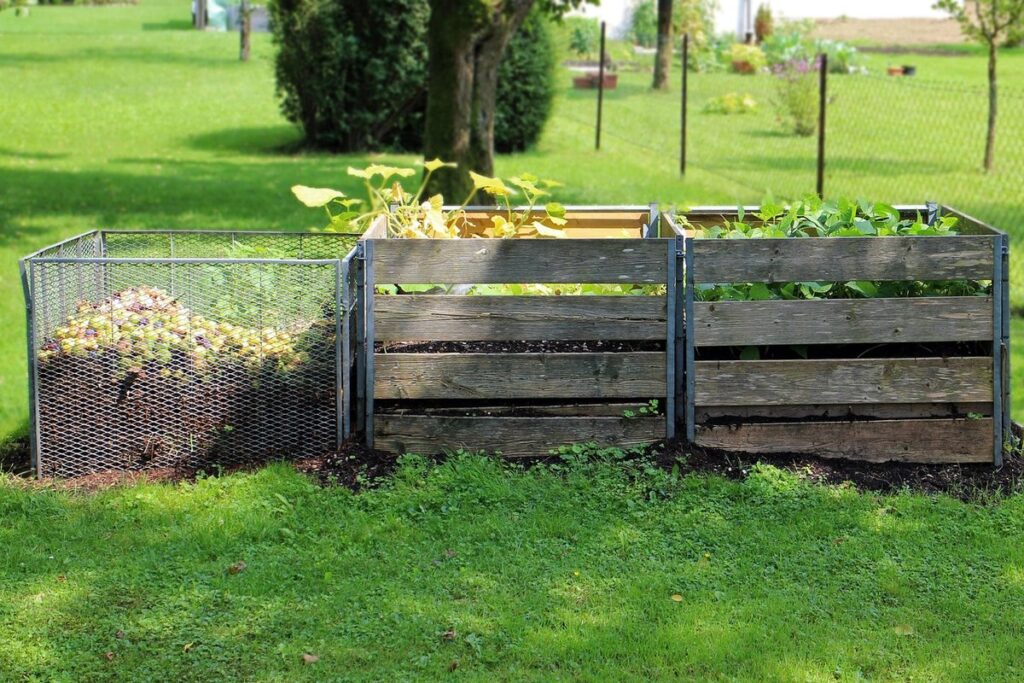
Introduction to Backyard Chicken Keeping
Welcome to backyard chicken keeping, a simple yet rewarding hobby that offers numerous benefits for both you and your garden. In this overview, we’ll cover the basics of raising happy and healthy chickens at home.
History and Popularity of Keeping Chickens
Backyard chicken keeping has experienced a remarkable resurgence over the past decade, with an estimated 1 in 5 households now raising chickens. According to a survey by the American Poultry Association, between 2007 and 2012, the number of backyard chicken keepers increased from approximately 4 million to over 6 million. This trend is expected to continue, driven by growing interest in self-sufficiency, environmental sustainability, and fresh, locally sourced food.
As more people discover the joys of raising their own chickens, they’re also learning about the numerous benefits of combining chicken keeping with composting. Not only do chickens provide a sustainable source of protein-rich eggs, but they also help turn kitchen scraps into nutrient-rich fertilizer for your garden. By incorporating both backyard chickens and compost piles into your yard, you can create a closed-loop system that minimizes waste and maximizes efficiency.
The appeal of backyard chicken keeping lies in its accessibility – with minimal space required and relatively low startup costs, anyone can get started. Whether you live in an urban or rural area, raising chickens is a fun and rewarding hobby that can provide hours of entertainment for both kids and adults alike.
Importance of Proper Chicken Housing
When it comes to keeping chickens, many people focus on building a coop and collecting eggs, but often overlook one of the most crucial aspects: proper housing. Providing adequate shelter for your feathered friends is essential for their health, happiness, and safety. Think about it – just like humans, chickens need a safe space to rest, socialize, and feel protected from predators.
Adequate ventilation is also vital in chicken housing. Without sufficient airflow, ammonia fumes from waste can build up, causing respiratory problems and stress. Make sure your coop has windows or vents that allow for good air circulation. Consider using mesh screens to prevent predators like raccoons, hawks, and foxes from breaking in.
To give your chickens the best shot at a happy, healthy life, ensure their housing provides enough space per bird. A general rule of thumb is 2-4 square feet per chicken inside the coop, depending on breed size. Also, consider adding an outdoor run or enclosed area where your birds can exercise and forage safely.
By prioritizing proper housing, you’ll not only improve your chickens’ well-being but also reduce stress levels in both them and yourself. When combined with compost piles that provide nutrient-rich fertilizer, a thoughtfully designed chicken habitat will have your backyard poultry thriving!
Overview of Common Chicken Breeds for Small-Scale Farms
When it comes to starting a small-scale farm, choosing the right chicken breed is crucial for success. Not all breeds are created equal, and some are better suited than others for backyard farming. Here are some of the most popular chicken breeds that are perfect for small-scale farms.
Orpingtons, for example, are a favorite among farmers due to their gentle nature, high egg production (280-300 eggs per year), and hardiness. They’re relatively low-maintenance and easy to care for, making them ideal for beginners. On the other hand, Leghorns are another popular breed known for their high egg-laying capabilities (300-320 eggs per year) but can be more skittish and require extra attention.
Rhode Island Reds are another great option for small-scale farms. They’re friendly, hardy, and produce an impressive 200-220 eggs per year. They also have a natural foraging instinct, making them perfect for pastured farming. No matter which breed you choose, make sure to research their specific needs and requirements to ensure they thrive in your backyard farm.
If space is limited, consider breeds like Silkies or Polish chickens, which are smaller in size but still produce an impressive number of eggs (200-220 per year). They’re also known for their friendly and docile nature.
The Science Behind Composting with Chickens
Composting with chickens is a win-win for both your backyard and your feathered friends, but how does it actually work? Let’s dive into the fascinating science behind this natural process.
How Chickens Contribute to the Composting Process
Chickens’ droppings are an essential component of the composting process, and for good reason. These nutrient-rich waste products are high in nitrogen, making them an ideal addition to compost piles to balance out the carbon levels. When chicken manure is added to a compost pile, it helps speed up the decomposition process by providing a readily available source of nitrogen.
The ideal ratio for balancing carbon and nitrogen levels in a compost pile is typically around 2:1 or 3:1 (carbon:nitrogen). Chicken manure has a high nitrogen content, often between 10-20%, making it easy to achieve this balance. For example, if you’re using a mix of “green” materials like grass clippings and vegetable scraps, which are high in carbon, adding chicken manure will provide the necessary nitrogen to create an optimal environment for decomposition.
When incorporating chicken droppings into your compost pile, be sure to mix them well with other materials to avoid creating hotspots that can lead to anaerobic conditions. Aim to add about 1-2% of the total volume as chicken manure, and balance it out with carbon-rich materials like dried leaves or shredded newspaper.
Benefits of Using Chicken Manure as a Fertilizer
Using chicken manure as a fertilizer can be an incredibly valuable addition to your composting routine. One of the main benefits is its high nutrient content – it’s rich in nitrogen, phosphorus, and potassium, making it an excellent natural fertilizer for your garden or farm. In fact, chicken manure contains up to 40% more nutrients than cow manure, which makes it a great option for farmers looking to reduce their reliance on chemical fertilizers.
By incorporating chicken manure into your compost pile, you can potentially reduce your use of chemical fertilizers by as much as 75%. This not only benefits the environment but also saves you money in the long run. To get started, simply collect and mix the manure with other compost materials like leaves or straw. Be sure to balance out the nitrogen-rich manure with carbon-rich materials to create a balanced compost pile.
It’s worth noting that chicken manure can be quite “hot” – it has a high pH level that can burn plants if not properly mixed. To avoid this, make sure to mix the manure in moderation and allow the compost to break down for several weeks before using it as fertilizer.
Creating a Compost Pile with Chickens: Tips and Considerations
Creating a compost pile with chicken manure requires careful consideration to ensure it breaks down efficiently and doesn’t pose health risks. To start, mix 2-3 parts of “brown” materials like dried leaves or straw with 1 part of “green” materials such as fresh grass clippings or chicken manure. This ratio helps maintain optimal carbon-to-nitrogen levels.
Chicken manure can be a significant contributor to nitrogen in your compost pile, but it also needs to be balanced by sufficient carbon-rich materials. Aim for a mix that’s 25-30% nitrogen and the rest carbon. To prevent over-nitrification, which can lead to ammonia release and unpleasant odors, ensure good airflow through regular turning.
Moisture levels are crucial too; maintain a consistency similar to a damp sponge. Turn your pile every week or two to speed up decomposition, but avoid compacting it, as this will hinder oxygen flow.
Remember that even with proper mixing, chicken manure can be hot and may require more frequent monitoring for temperature and moisture. Keep in mind local regulations regarding composting and health guidelines when handling manure and finished compost.
Managing Chicken Health in the Presence of Composting
When setting up a compost pile near your chicken coop, it’s essential to consider how the two can coexist safely for both your birds and the ecosystem. This section will walk you through the measures to take to ensure optimal health for your flock.
Common Health Issues Associated with Composting
While composting can be a fantastic way to create nutrient-rich soil for your garden, it’s not without its potential health risks for chickens. One of the most significant concerns is parasitic infections, which can spread through contaminated feed or direct contact with infected animals. For example, roundworms (Ascaridia galli) are a common issue in backyard flocks and can be transmitted through manure-rich compost.
Disease transmission is another critical concern when it comes to composting around chickens. Bacteria like E. coli, Salmonella, and Campylobacter can thrive in moist environments and contaminate feed or water sources. If your chickens ingest these pathogens, they may develop symptoms ranging from mild diarrhea to life-threatening illnesses.
To minimize the risk of parasitic infections and disease transmission, it’s essential to maintain a clean compost pile and ensure that your flock has access to fresh food and water. Regularly turning the compost can help kill off any parasites or bacteria, while also keeping the pile aerated.
Strategies for Maintaining Healthy Chickens Around Compost Piles
Maintaining healthy chickens around compost piles is crucial to prevent potential health risks and ensure the well-being of both humans and animals. To keep your flock safe and thriving, it’s essential to establish a regular cleaning schedule for the coop and surrounding areas. Set aside time each week to remove any soiled bedding, droppings, or uneaten food from the compost pile and nearby surfaces.
Monitoring for pests is also vital in preventing the spread of diseases. Regularly inspect the coop and compost pile for signs of rodents, flies, or other unwanted visitors that may be attracted to the nutrient-rich environment. Seal any holes or gaps around doors, windows, and vents to prevent pest infestations. Proper waste management is critical as well; ensure you’re following a rotation schedule for your compost piles to avoid over-maturity and minimize odors.
By implementing these strategies, you can create a safe and healthy environment for both your chickens and compost pile, reaping the rewards of sustainable backyard farming while minimizing potential risks.
How to Start a Backyard Chicken-Composting System
Starting a backyard chicken-composting system is easier than you think, and we’re excited to walk you through every step of the process in this next section. Let’s get started on building your very own chicken-friendly composting system!
Initial Setup Costs and Considerations
When starting a backyard chicken-composting system, it’s essential to consider the initial setup costs. The total cost can vary greatly depending on several factors such as coop size, materials, and equipment needs.
To give you a rough estimate, here are some typical costs associated with setting up a small-scale chicken-composting system:
* Building or purchasing a coop: $500-$2,000
* Fencing to secure the area: $300-$1,000
* Chicken feeders and waterers: $50-$100
* Compost bin: $100-$500
* Other equipment (e.g., egg collector, nesting boxes): $100-$300
These costs may seem daunting at first, but they are a one-time investment that can pay off in the long run. For instance, a single chicken can produce 5-6 eggs per day, which can be sold or used for personal consumption. Additionally, compost produced from your backyard system can be used to fertilize plants and reduce waste.
To minimize costs, consider building your coop using reclaimed materials, repurposing old equipment, or enlisting help from friends and family. Research local regulations regarding backyard chicken-keeping and composting to ensure compliance with zoning laws and health codes.
Tips for Designing an Integrated Chicken Coop and Compost Pile
When designing an integrated chicken coop and compost pile, consider a layout that allows for easy access to both areas. This can be achieved by placing the coop adjacent to the compost pile, ensuring a short walking distance between the two.
To minimize odors, position the coop downwind of the compost pile. This simple design decision will help prevent unpleasant smells from wafting into the coop and affecting your chickens’ health.
Another key consideration is to keep the compost pile covered. A secure lid or tarp will prevent rodents and pests from accessing the pile and reduce odors caused by exposure to oxygen.
Think about using a mulch layer on top of the compost pile, which will help retain moisture, suppress weeds, and regulate temperatures. This simple measure can significantly reduce the amount of maintenance required for the compost pile.
By incorporating these design elements, you’ll create an efficient waste management system that promotes healthy chicken living conditions while minimizing odors and environmental impact.
Monitoring and Maintaining Your Backyard Chicken-Composting System
Now that you’ve got your chicken-compost system up and running, let’s dive into the nitty-gritty of keeping it thriving with regular maintenance and monitoring. This involves checking for pests, moisture levels, and more to ensure a healthy balance.
Monitoring Temperature and Moisture Levels
Monitoring temperature and moisture levels is crucial to ensure optimal decomposition and minimize pests in your backyard chicken-composting system. Temperature plays a significant role in breaking down organic matter. When it’s too hot (above 160°F), beneficial microbes can die, slowing the process. Conversely, temperatures below 130°F are often too cold for effective decomposition.
To monitor temperature, you can use a compost thermometer. Insert the probe into the pile and check the reading daily. Aim for a temperature range of 130-140°F for optimal decomposition. On the other hand, moisture content affects microbial growth. Too little water (less than 40% moisture) slows down the process, while too much (more than 60%) leads to anaerobic conditions, causing pests and unpleasant odors.
Maintain a balance by keeping the pile slightly damp, but not soggy. Regularly turning the compost helps to distribute heat evenly, ensuring optimal decomposition. By monitoring temperature and moisture levels, you can create an ideal environment for your backyard chicken-composting system to thrive, minimizing pests and achieving nutrient-rich fertilizer for your garden.
Regular Maintenance Schedules for a Healthy System
To keep your backyard chicken-composting system running smoothly, regular maintenance is crucial. Let’s break down a routine that’ll ensure a healthy coop and thriving compost pile.
Firstly, schedule a deep clean of the coop every 6-8 weeks. This involves removing soiled bedding, disinfecting all surfaces, and replacing it with fresh material like straw or wood shavings. Don’t forget to check for any cracks in the walls or floor where predators might squeeze through. Keep your chickens’ living space tidy by removing droppings and disposing of them safely.
Next, focus on the compost pile. Turn it regularly – ideally every 7-10 days – to maintain oxygen flow and speed up decomposition. Use a pitchfork or shovel to gently mix in any new additions like food scraps or leaves. Keep an eye out for signs of anaerobic conditions, such as an unpleasant odor or a slimy texture.
Finally, inspect your system regularly for signs of disease or pests. Check for mites, lice, or other external parasites on your chickens, and monitor the compost pile for any unusual activity like rodents or insects. By sticking to this maintenance schedule, you’ll enjoy a thriving ecosystem where your chickens can thrive and your compost pile works efficiently.
Common Challenges and Solutions for Chicken-Composting Systems
As you continue on your journey of integrating chickens into your composting routine, you may encounter some common hiccups that can be easily resolved with the right knowledge. Let’s tackle these challenges head-on and explore some practical solutions.
Overcrowding and Disease Transmission
One of the most significant challenges you may face when setting up a chicken-composting system is overcrowding and disease transmission. When chickens are packed too tightly together, they’re more likely to fight with each other, which can lead to stress, injury, or even death. Moreover, close proximity can facilitate the spread of diseases such as avian influenza, Marek’s disease, and coccidiosis.
To mitigate these issues, ensure you have enough space for your chickens. A general rule of thumb is to provide at least 2-4 square feet of floor space per chicken in a coop, with adequate ventilation to prevent ammonia buildup from their droppings. Additionally, keep your flock’s living area clean and well-maintained by regularly removing manure, old bedding, and uneaten food.
To further reduce disease transmission, implement proper biosecurity measures such as regular cleaning and disinfection of equipment and the coop, isolating new birds for a minimum of 30 days before introducing them to the main flock, and ensuring all feeders and waterers are sanitized daily.
Pest Control Strategies for Compost Piles
When managing a chicken-composting system, it’s inevitable that pests will find their way into the compost pile. These unwanted visitors can quickly turn a beneficial process into an unsanitary one. To mitigate this issue, implement effective pest control strategies.
Firstly, incorporate natural deterrents into your composting routine. Certain herbs and plants have been proven to repel pests such as flies and rodents. Consider adding plants like basil, mint, or lemongrass to the surrounding area of the compost pile. These scents will help deter pests from inhabiting the space.
Another effective method is to use traps specifically designed for pests that target your compost piles. For example, fly paper traps can be hung near the area to capture flying insects. Additionally, consider sealing any gaps or holes around the compost bin using hardware cloth or wire mesh to prevent rodents and other small animals from accessing the pile.
Regularly inspecting the compost pile for signs of pest activity will also help maintain a healthy environment.
Conclusion: Maximizing Benefits of Chickens and Compost Piles
As we wrap up our exploration of chickens and compost piles, let’s discuss how you can maximize their benefits in your own backyard. This is where it all comes together!
Recap of Key Takeaways
Integrating chickens and compost piles is a winning combination for small-scale farms and backyard chicken keepers. By adopting these practices, you can significantly reduce waste, create nutrient-rich soil amendments, and even generate revenue through the sale of eggs or compost.
Key takeaways from this article include:
* The importance of managing food waste to prevent contamination and attract pests, which is averted by using compost piles.
* Compost piles can help maintain soil health, increase fertility, and support biodiversity in your garden.
* Chickens are natural foragers and recyclers, able to break down organic matter and convert it into valuable resources like fertilizer and egg production.
To put these benefits into practice, start by setting up a compost pile and incorporating chicken manure into the mix. This will create a rich, nutrient-dense soil amendment perfect for gardening or farming. As you continue to integrate chickens and compost piles, consider exploring value-added products like compost tea or worm castings. With patience and dedication, you’ll be on your way to maximizing the benefits of these eco-friendly practices and enjoying the rewards they bring.
Final Thoughts on Sustainable Waste Management Practices
As we conclude our exploration of chickens and compost piles, it’s essential to emphasize the significance of adopting sustainable waste management practices. Integrating these two systems is a crucial step towards creating a healthier environment for both people and planet.
By combining chicken keeping with composting, you’re not only reducing your household waste but also producing nutrient-rich fertilizer for your garden. This approach promotes a closed-loop system where nothing goes to waste. To maximize the benefits of this integrated system, remember to:
• Monitor temperature and moisture levels in your compost pile to ensure optimal decomposition.
• Balance “green” (nitrogen-rich) and “brown” (carbon-rich) materials to speed up the composting process.
• Keep your chicken coop clean and free from pests by regularly cleaning out droppings and uneaten food.
Incorporating these sustainable waste management practices will not only reduce your environmental footprint but also create a thriving ecosystem in your backyard. By embracing this integrated approach, you’ll be joining the ranks of environmentally conscious individuals who are making a positive impact on their communities.
Frequently Asked Questions
Can I use my existing chicken coop for a compost pile?
Yes, but it’s essential to design the coop with ventilation and airflow in mind to prevent ammonia buildup from the manure. Make sure the coop is at least 3-4 feet away from any living areas or water sources.
How do I balance the nitrogen-rich chicken manure with carbon-rich yard waste in my compost pile?
To achieve a balanced ecosystem, aim for a mix of 2/3 “brown” materials (carbon-rich) and 1/3 “green” materials (nitrogen-rich). Chicken manure is high in nitrogen, so be cautious not to overdo it. Regularly adding carbon-rich materials like leaves or straw will help mitigate the risk of ammonia buildup.
Can I compost with chickens if I live in a hot climate?
Yes, but you’ll need to take extra precautions to maintain a healthy system. In hot climates, ensure your chicken coop and compost pile are designed for optimal ventilation and airflow to prevent heat stress. Regularly check temperature and moisture levels to avoid over-heating.
What’s the ideal ratio of chickens to compost volume?
A general rule of thumb is 1-2 pounds of manure per square foot of compost area. For a small-scale farm, aim for 5-10 chickens per 100 square feet of compost pile. This will help maintain a balanced ecosystem and prevent over-fertilization.
How do I integrate pest control strategies with my chicken-compost system?
Integrate natural pest control methods like diatomaceous earth or beneficial insects into your system. Avoid using chemical pesticides, as they can harm both chickens and the environment. Regularly monitor your compost pile for pests and take action promptly to prevent infestations.