
Are you looking to boost your flock’s egg production? Chicken egg layer production is a vital aspect of backyard poultry keeping, and with the right approach, you can increase the number of eggs your hens lay. But with so many factors at play, from breed selection to nutrition and health management, it can be overwhelming for even seasoned chicken keepers.
In this comprehensive guide, we’ll walk you through everything you need to know about optimizing chicken egg layer production. From choosing the right breeds for high productivity to understanding the importance of proper nutrition and healthcare, we’ve got you covered. Our goal is to empower you with actionable tips and expert advice so you can take your flock’s egg production to the next level.
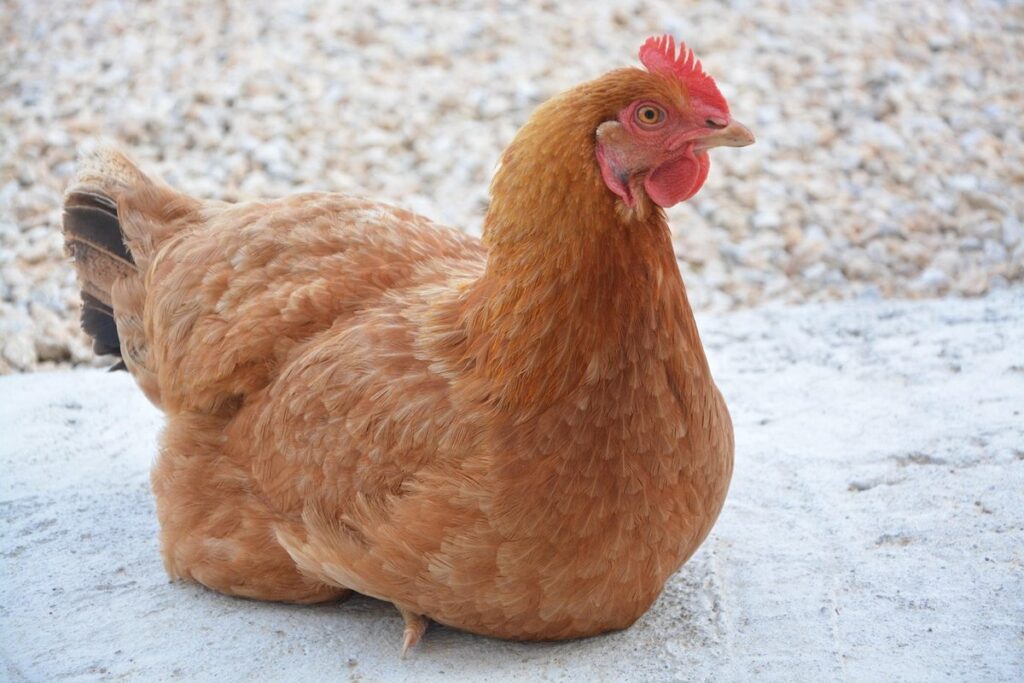
Understanding Egg-Laying Flocks
To manage egg-laying flocks effectively, it’s essential to understand their unique characteristics and requirements, which can vary significantly from those of meat-producing breeds. This section will delve into these key differences.
Types of Laying Breeds
When it comes to egg production, breed choice is crucial. You’ll want hens that are prolific layers and well-suited for your climate. Let’s take a look at some popular laying breeds.
Leghorns, originating from Italy, are one of the most common laying breeds. They’re known for their high egg production – up to 300 eggs per year! Leghorns are lightweight, easy to manage, and relatively low maintenance. However, they can be quite loud and may not be suitable for backyard flocks in noise-restricted areas.
Rhode Island Reds, on the other hand, are a popular choice among commercial producers due to their high egg production (up to 200 eggs per year) and friendly nature. They’re also relatively large birds, making them well-suited for larger farm operations.
Barred Rocks are another popular laying breed, known for their hardiness, friendly temperament, and good egg production (around 200-220 eggs per year). They’re also relatively quiet compared to Leghorns, making them a great choice for backyard flocks. When selecting a laying breed, consider your climate, available space, and management capabilities.
When introducing new breeds to your flock, be sure to acclimate them gradually to ensure a smooth transition. This will help prevent stress and ensure they settle in well with their existing companions.
Factors Influencing Egg Yields
When it comes to optimizing egg layer production, understanding the factors that influence an individual hen’s egg-laying capacity is crucial. Genetics play a significant role in determining a hen’s potential egg yield. Breed selection is essential, as certain breeds are bred specifically for their high egg-laying abilities. For instance, Leghorn hens can produce up to 300 eggs per year, while Orpingtons may lay around 200.
Nutrition also has a substantial impact on egg production. Hens require a balanced diet rich in protein, calcium, and other essential nutrients to maintain optimal health and fertility. A lack of these nutrients can lead to reduced egg yields or even stoppage of laying altogether. Feed composition and quality are critical factors to consider when formulating a nutrition plan for your flock.
Environmental conditions also influence egg production. Temperature, humidity, and light exposure all play roles in determining an individual hen’s egg-laying capacity. For example, hens require around 14 hours of daylight to maintain optimal fertility. Conversely, extreme temperatures can reduce egg yields or even lead to heat stress.
Importance of Flock Management
Proper flock management is crucial for maintaining high egg yields and ensuring the overall health of your chicken egg layer flock. A well-managed flock not only increases productivity but also reduces the risk of disease outbreaks, which can be devastating to your operation.
Effective flock management involves monitoring and controlling various factors that impact bird health and egg production. This includes providing adequate nutrition, maintaining a clean and comfortable living environment, ensuring access to fresh water, and implementing proper ventilation systems. Regular health checks and vaccinations are also essential in preventing the spread of diseases.
By investing time and resources into flock management, you can significantly improve your flock’s productivity and longevity. For instance, studies have shown that well-managed flocks can produce up to 20% more eggs than poorly managed ones. Furthermore, a robust flock management plan can help you detect early signs of disease, allowing for prompt intervention and minimizing losses.
To get started with flock management, begin by establishing clear goals and protocols for your operation. Regularly record and analyze data on feed consumption, egg production, and bird health to identify areas for improvement. Consult with experts or attend workshops to stay up-to-date on best practices in the industry.
Nutrition and Feed for Laying Hens
Providing the right nutrition is crucial to ensure your laying hens stay healthy and productive, so let’s dive into their dietary needs and preferences.
Essential Nutrients for Egg Production
When it comes to egg production, laying hens require a specific blend of essential nutrients to lay healthy and high-quality eggs. Among these, protein is a critical component that plays a pivotal role in building and maintaining the reproductive system. A minimum of 16% crude protein should be present in their feed to support optimal egg production.
Calcium, another vital nutrient, is necessary for building strong eggshells and maintaining skeletal health. Laying hens require a calcium-to-phosphorus ratio of around 2:1 in their diet to ensure proper shell formation. A deficiency in calcium can lead to weakened shells, making them more susceptible to breakage.
Vitamin D3 is also essential for the production of active calcium, which helps in maintaining bone density and reproductive health. A balanced mix of vitamins and minerals is crucial, as vitamin D3 enhances the absorption of other nutrients, supporting overall egg production and hen well-being. To ensure optimal nutrition, consider supplementing with a commercial layer feed that meets these nutrient requirements or develop a custom-made ration under the guidance of an experienced poultry expert.
Commercial vs. Organic Feed Options
When it comes to nutrition for laying hens, choosing the right feed is crucial for their health and productivity. You have two main options: commercial feeds and organic feeds. Each type has its pros and cons, which are essential to consider.
Commercial feeds are widely available and often cheaper than organic options. They contain a balanced mix of nutrients, including proteins, carbohydrates, and vitamins. However, they may contain added preservatives, artificial coloring, or growth promoters that can be detrimental to the hens’ health in large quantities.
On the other hand, organic feeds are made from natural ingredients, such as grains, fruits, and vegetables, without any synthetic additives. They promote a healthier gut and immune system for the hens. However, they tend to be more expensive and may require special permits or licenses to use.
To make an informed decision, consider your farm’s goals and resources. If you prioritize cost-effectiveness and ease of availability, commercial feeds might be suitable. But if you focus on providing a healthier diet for your hens and want to differentiate your products in the market, organic feeds are worth exploring.
Tips for Providing Adequate Water Intake
Ensuring that your laying hens have access to clean water at all times is crucial for their health and productivity. Inadequate water intake can lead to decreased egg production, reduced fertility rates, and even affect the quality of eggs laid by your flock.
To provide adequate water intake for your hens, consider the following best practices:
Make sure that each bird has access to a minimum of 1/4 gallon of water per day. This might require installing multiple watering systems or ensuring that the existing system is easily accessible and cleanable.
Clean the waterers regularly, ideally once a week. Use mild soap and warm water to scrub away any bacterial growth or debris.
Monitor your hens’ water intake by observing their behavior around the waterer. If you notice any changes in usage patterns or signs of illness, adjust the watering system accordingly.
Provide a separate water source for medicated feed to avoid contamination and ensure that your hens receive the necessary nutrients.
By following these tips, you’ll be able to maintain a healthy and productive flock while optimizing egg layer production on your farm.
Health and Biosecurity Considerations
As a poultry farmer, it’s essential to prioritize the health of your flock and implement robust biosecurity measures to prevent disease outbreaks and maintain egg production efficiency. This section explores crucial considerations for maintaining optimal health in your layer chickens.
Common Diseases Affecting Laying Flocks
When it comes to optimizing egg layer production, one of the most critical aspects to consider is biosecurity. This is especially true when it comes to disease prevention and management within the flock. Two of the most common diseases affecting egg-laying flocks are Newcastle disease (ND) and avian influenza (AI). These diseases can have devastating consequences for a farm’s productivity and profitability, making it essential to take proactive measures to prevent their spread.
Newcastle disease is highly contagious and can be transmitted through direct contact with infected birds, contaminated feed or water, or even human carriers. Avian influenza, on the other hand, can spread through contact with infected feces, droppings, or contaminated equipment. To mitigate these risks, it’s crucial to implement strict biosecurity protocols, including regular cleaning and disinfection of facilities, proper waste management, and ensuring all personnel wear personal protective equipment.
In addition to these measures, it’s also essential to maintain accurate records of vaccinations, health checks, and any diseases that may have affected the flock in the past. This information will be crucial in case of an outbreak, allowing farmers to take swift action to contain and prevent further spread.
Strategies for Disease Prevention and Control
Maintaining a healthy flock is crucial for optimal egg production. To achieve this, vaccination programs play a vital role in preventing diseases that can decimate flocks and compromise egg quality. Consult with a veterinarian to determine the best vaccination program for your flock based on factors such as breed, age, and location. Ensure all vaccinations are administered correctly, following the recommended protocols.
Proper sanitation is also essential for disease prevention. Implement robust cleaning and disinfection procedures in the coop and surrounding areas. This includes removing soiled bedding, scrubbing surfaces with a solution of one part bleach to nine parts water, and allowing adequate time for drying before introducing new birds.
To minimize cross-contamination risks, maintain separate equipment and tools for different tasks, such as feeding, cleaning, and handling eggs. Regularly inspect your flock for signs of illness or stress, monitoring vital parameters like temperature, humidity, and air quality to prevent health issues from escalating into epidemics.
Importance of Regular Health Checks
Regular health checks are a crucial aspect of optimizing chicken egg layer production. By identifying potential issues early on, you can prevent the spread of disease and maintain a healthy flock. This not only ensures the well-being of your birds but also protects your investment.
A regular health check should include monitoring for signs of illness, injury, or stress. Keep an eye out for changes in behavior, appetite, or egg production, as these can be indicative of underlying issues. For example, if you notice a sudden drop in egg production, it could be a sign that your birds are experiencing stress or discomfort.
Make sure to inspect your flock regularly, looking for signs of disease such as droopy wings, labored breathing, or changes in stool or urine quality. Keep accurate records of these checks to track any issues and identify trends over time. This will allow you to take prompt action if a problem arises, minimizing the risk of it spreading to the rest of your flock.
By prioritizing regular health checks, you can maintain a healthy and productive flock, ultimately optimizing egg layer production and ensuring long-term success in your operation.
Housing and Environmental Considerations
When it comes to raising egg-laying chickens, providing a suitable living environment is crucial for their health and productivity. Let’s take a closer look at housing and environmental considerations that impact your flock.
Types of Coop Designs Suitable for Laying Hens
When it comes to designing a coop for laying hens, there are several types of layouts that can optimize egg production while prioritizing the health and well-being of the birds. Free-range systems offer a more natural environment, allowing hens to roam freely outdoors, which can lead to better egg quality and increased production. However, this setup requires a significant amount of space and may be impractical for smaller operations.
Confinement designs, on the other hand, are often used in commercial settings where large numbers of birds need to be housed efficiently. These coops typically have multiple levels or tiers, which can increase the available floor space while keeping costs down. Some confinement systems also incorporate enrichment features, such as perches and nesting boxes, to provide hens with mental stimulation and exercise.
Other coop designs worth considering include hybrid models that combine elements of free-range and confinement systems. These layouts often feature a main house for the birds and an attached outdoor run or pasture area. By providing a balance between structure and freedom, these coops can offer optimal conditions for egg production while minimizing stress on the hens.
Factors Affecting Eggshell Quality
Eggshell quality is a critical aspect of egg layer production, and it’s heavily influenced by environmental factors. Temperature fluctuations can have a significant impact on eggshell thickness, with optimal temperatures ranging between 15°C to 21°C (59°F to 70°F). Research has shown that for every 1°C increase in temperature above the optimum range, there is a corresponding decrease of up to 2% in eggshell thickness.
Humidity levels also play a crucial role in maintaining eggshell quality. A relative humidity of around 50-60% is ideal for optimal eggshell formation. When humidity is too low or too high, it can lead to cracks and breakage in the eggs.
Air quality is another essential factor that affects eggshell quality. Poor air quality due to ammonia levels above 5 ppm can cause respiratory issues in hens, leading to stress and a subsequent decrease in eggshell quality. Regular ventilation and monitoring of air quality are essential for maintaining healthy hens and optimal egg production.
Maintaining a balanced and consistent environment is crucial for producing high-quality eggs with strong eggshells. By controlling temperature, humidity, and air quality, you can ensure that your hens produce the best possible eggs.
Tips for Maintaining a Clean Coop Environment
Keeping your chicken coop clean and well-maintained is crucial for promoting bird health and ensuring optimal egg production. A dirty coop can lead to disease, stress, and decreased productivity among your flock.
Here are some best practices to follow:
* Clean out the coop completely every 6-8 weeks, removing soiled bedding, droppings, and uneaten food. Disinfect all surfaces with a solution of 1 part white vinegar to 9 parts water.
* Remove any waste daily by scooping out droppings and wet spots. This will prevent ammonia buildup and help maintain air quality.
* Replace bedding material regularly, such as straw or pine shavings, to keep the coop dry and comfortable for your birds. Aim to change bedding every 4-6 weeks, depending on the size of your flock and climate.
Proper ventilation is also essential. Ensure good airflow by installing windows or vents that allow fresh air to circulate. Avoid overcrowding, as this can exacerbate moisture buildup and lead to respiratory issues among your flock. Regularly inspect your coop for signs of wear and tear, making repairs promptly to prevent damage from leaks, drafts, or pests.
Record Keeping and Monitoring for Efficiency
Effective record keeping and monitoring are crucial components of optimizing your chicken egg layer production, helping you stay on top of flock health and performance. This section highlights key tracking methods to streamline operations.
Importance of Accurate Record Keeping
Accurate record-keeping is essential for optimizing chicken egg layer production. It allows you to track key metrics such as egg production rates, fertility rates, and mortality rates, making it easier to identify areas for improvement. By monitoring these metrics regularly, you can make informed decisions about feeding, vaccination, and other management practices.
For instance, if you notice a decline in egg production, you can quickly review your records to determine if it’s due to changes in temperature, lighting, or nutrition. This enables you to adjust your management strategies accordingly. Additionally, accurate records help you identify any bird health issues early on, allowing for prompt intervention and minimizing losses.
To maintain accurate records, start by designating a specific person to be responsible for data entry. Use digital tools such as spreadsheets or software specifically designed for record-keeping in poultry production. Ensure that all relevant information is recorded consistently and accurately, including egg weight, fertility rates, and any health issues. By doing so, you’ll have a clear picture of your operation’s performance and can make data-driven decisions to optimize production.
Tools for Monitoring Flock Performance
As an egg farmer, monitoring flock performance is crucial to identifying areas for improvement and optimizing production. Fortunately, there are several tools available that can help you track key metrics and make data-driven decisions.
One popular option is software specifically designed for egg farmers, such as Layer Management Software or Flock Commander. These platforms allow you to track feed consumption, egg production, and mortality rates in real-time, providing valuable insights into your flock’s performance.
Mobile apps like FarmLogs or AgFiniti can also be a useful addition to your monitoring toolkit. These apps enable you to record daily egg counts, track weather patterns, and monitor bird health remotely using built-in cameras. Some apps even offer automated alerts for unusual activity, such as sudden changes in feed consumption or egg production.
When selecting a tool for monitoring flock performance, consider the following factors: ease of use, data export capabilities, and compatibility with existing systems. By choosing the right software or app, you can streamline your record-keeping processes, identify areas for improvement, and optimize your egg layer production for maximum efficiency.
Strategies for Optimizing Production Efficiency
To optimize production efficiency in chicken egg layer production, it’s essential to rely on data-driven decision-making. This involves regularly monitoring and analyzing key performance indicators (KPIs) such as feed conversion ratio, mortality rates, and egg yield per bird. By doing so, you can identify areas of improvement and make informed decisions to increase productivity.
For instance, tracking feed consumption allows you to pinpoint instances where birds are not eating optimally, which could be due to factors like poor lighting or inadequate feeding systems. You can then take corrective action to address these issues, leading to a reduction in waste and increased egg production.
Another crucial aspect of data-driven decision-making is monitoring temperature and humidity levels within the poultry house. By maintaining optimal conditions, you can reduce stress on birds and promote better health and productivity. For example, ensuring adequate ventilation can help prevent respiratory problems, which can have a significant impact on overall efficiency.
Frequently Asked Questions
Can I use a combination of laying breeds to achieve higher egg yields?
Yes, many chicken keepers successfully breed multiple varieties together to optimize their flock’s productivity. However, it’s essential to research the compatibility and temperaments of each breed before introducing them to your existing flock. Be aware that hybrid vigor can lead to increased health risks if not managed properly.
How do I handle a drop in egg production during extreme weather conditions?
Extreme temperatures, humidity levels, or prolonged rain can significantly impact your hens’ ability to lay eggs. Ensure they have access to shade and shelter from harsh elements. Provide extra nutrition and hydration support, such as electrolyte-rich feed supplements or additional calcium intake.
What’s the ideal flock size for a backyard chicken keeper looking to boost egg production?
The optimal flock size depends on factors like available space, personal resources, and local regulations. A minimum of 3-5 hens is recommended for most backyard setups, allowing you to maintain health checks, monitor individual performance, and easily manage any potential issues.
Can I use commercial feed exclusively for my laying hens, or do they require organic options?
While commercial feed can provide essential nutrients, many chicken keepers supplement their flocks with organic feeds for better egg quality and nutritional balance. However, it’s crucial to consider your flock’s specific needs, breed requirements, and your budget when deciding between commercial and organic feed options.
How often should I collect eggs from my coop to maintain a clean environment?
Collecting eggs regularly, ideally daily, is essential for maintaining a clean coop. It helps reduce the risk of bacterial contamination and prevents hens from pecking at and breaking eggs in their nests. This simple practice will contribute significantly to your flock’s overall health and productivity.