
Are you looking for a natural way to keep your flock healthy and pest-free? You’re not alone. Many backyard chicken enthusiasts are turning to herbs like mint as a solution, and with good reason. Mint is more than just a refreshing flavor in salads and drinks – it’s also a powerful tool for improving the health of your chickens and controlling unwanted pests in their coop. By incorporating mint into your flock’s environment, you can reduce stress, boost immunity, and keep those pesky mites at bay. But how do you get started? In this article, we’ll explore the surprising benefits of mint in chicken coops, show you how to grow it safely, and provide tips on using it effectively for improved health and pest control.
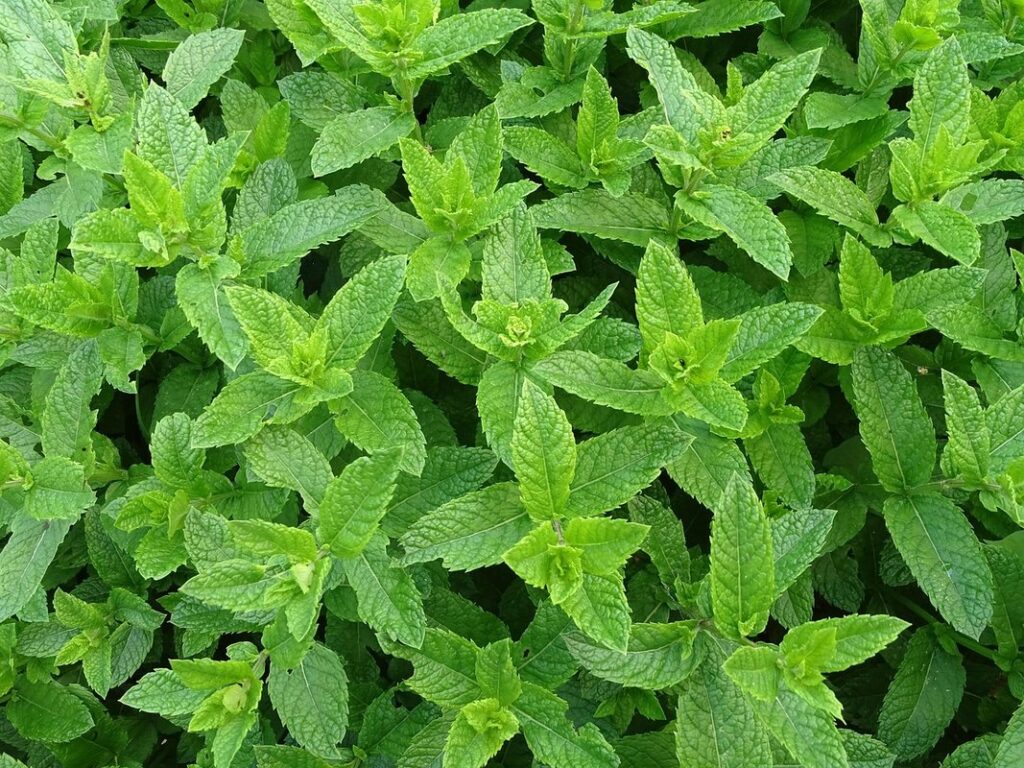
Introduction to Mint in Poultry Health
When it comes to keeping your flock healthy, you’re probably always on the lookout for natural remedies. Let’s explore how mint can be a beneficial addition to their coop environment.
History of Using Mint for Chicken Health
Mint has been a cherished herb for centuries, not only for its refreshing aroma and flavor but also for its medicinal properties. In the realm of chicken care, mint’s historical use dates back to ancient civilizations where it was employed as a natural remedy for various health issues.
The Romans, in particular, were known to have used mint extensively in their poultry care practices. They believed that mint had detoxifying properties and would often sprinkle dried mint leaves into their coops to maintain the health of their birds. Similarly, the Greeks valued mint for its antibacterial qualities, using it to prevent diseases such as coccidiosis.
In Asian cultures, mint has been used for centuries in traditional medicine, including its application in chicken care. The Chinese, for instance, have utilized mint as a natural de-wormer and to alleviate respiratory issues in chickens. Today, many backyard chicken enthusiasts swear by the benefits of incorporating mint into their coop care routine, citing improved egg production, reduced stress levels, and enhanced overall health in their birds.
Modern Benefits of Mint for Chickens
Mint has long been recognized for its numerous benefits when it comes to chicken health. However, modern research has shed even more light on just how impactful mint can be.
One of the primary ways mint supports chickens is through its antimicrobial properties. These compounds work tirelessly to combat the growth of bacteria and other pathogens that can cause illness in your flock. By incorporating mint into their environment, you’re providing an extra layer of protection against disease-causing microorganisms.
Mint also plays a significant role in stimulating appetite in chickens. When birds are feeling unwell or stressed, their natural desire to eat is suppressed. Mint’s strong aroma and taste have been shown to encourage even the pickiest eaters to take on more food, helping them recover from illness more quickly.
Beyond its antimicrobial properties and appetite-stimulating effects, mint has also been linked to a range of other health benefits for chickens. It can help to reduce stress and promote relaxation, which in turn supports overall well-being. Some chicken keepers even use mint as a natural deterrent against pests like mites and lice.
As you begin incorporating mint into your flock’s care routine, be sure to offer fresh sprigs or leaves on a regular basis – ideally 1-2 times per week.
Types of Mint Suitable for Chicken Coops
When it comes to adding mint to your chicken coop, you’ll want to choose a type that’s hardy and resistant to pests. Peppermint, spearmint, and chocolate mint are popular options to consider.
Peppermint vs. Spearmint: What’s Best for Chickens?
When it comes to choosing between peppermint and spearmint for your chicken coop, there are some key differences to consider. While both herbs belong to the mint family, they have distinct characteristics that can impact their effectiveness as natural deterrents.
Peppermint (Mentha piperita) is known for its strong, invigorating scent and taste, which makes it a potent insect repellent. However, this potency also means that peppermint can be overwhelming for chickens, potentially causing stress or discomfort if ingested in large quantities. On the other hand, spearmint (Mentha spicata) has a milder flavor and aroma, making it a more suitable choice for chicken coops.
In terms of pest control, both peppermint and spearmint have been shown to be effective against flies, ants, and other common pests that can plague chicken coops. However, spearmint is often preferred due to its gentler nature and versatility in repelling a wider range of insects. If you’re new to using mint for your chickens, it’s worth starting with spearmint as a safer alternative before experimenting with peppermint.
Growing Your Own Mint for the Chicken Coop
Growing mint at home is relatively easy and can be done with minimal equipment. To start growing mint for your chicken coop, you’ll need to choose a location that receives plenty of sunlight. Mint requires full sun to partial shade, so select a spot that gets at least 4-6 hours of direct sunlight per day.
In terms of soil requirements, mint prefers well-draining soil with a slightly acidic pH. You can grow mint in containers or directly in the ground, but make sure the container has good drainage holes to prevent waterlogged soil.
To propagate new plants from cuttings, simply snip off the top growth and place it in a glass of water or a propagation tray filled with water. Roots should develop within 1-2 weeks, at which point you can transfer the cutting into a pot or directly into the ground. This method is an excellent way to share mint with friends or expand your own patch without having to buy new plants.
How to Use Mint in the Chicken Coop
When adding mint to your chicken coop, it’s essential to know how much and where to place it for maximum benefits. We’ll walk you through the process of incorporating mint into your flock’s environment.
Adding Fresh or Dried Mint Leaves to the Flock’s Diet
Adding fresh or dried mint leaves to your flock’s diet can bring numerous benefits for their health and well-being. One of the primary advantages is its potential to improve digestion. Mint has natural anti-inflammatory properties that can help soothe stomach issues and reduce gas, making it an excellent addition to chicken feed, especially during times of stress or transition.
Moreover, mint can also boost your chickens’ appetite. If you’ve noticed a decrease in food intake due to heat stress, illness, or boredom, incorporating fresh or dried mint leaves into their diet may encourage them to eat more. A simple way to do this is by sprinkling dried mint powder over their feed or mixing fresh mint leaves into their scratch grains.
To incorporate mint into your flock’s diet safely, ensure that you’re using high-quality, organic mint products free from pesticides and other chemicals. Start with small amounts (about 1-2% of their daily feed) to gauge their tolerance and adjust as needed. Regularly monitoring your chickens’ response will help you determine the optimal amount for your flock.
Using Mint as a Natural Insect Repellent
Mint is a natural and effective way to keep insects and pests at bay in the chicken coop. These pesky critters can spread disease and cause stress for your flock, but mint’s strong scent and properties make it an excellent deterrent. To use mint as a repellent, you can plant it directly around the coop or hang sprigs of fresh mint inside.
Flies and mosquitoes are particularly drawn to the smell of ammonia in chicken droppings, so mint’s pungency helps mask this odor. Simply place a few pots of peppermint or spearmint near the coop to keep these unwanted visitors away. You can also rub crushed mint leaves on surfaces where mites tend to congregate.
In addition to keeping insects at bay, mint also has antiseptic properties that can help prevent the spread of disease in your flock. By incorporating mint into your chicken-keeping routine, you’ll not only be repelling pests but also promoting a healthier environment for your birds.
Safety Precautions When Introducing Mint to Your Chicken Coop
When introducing mint to your chicken coop, it’s essential to take some key precautions to ensure a safe and healthy environment for both your flock and you. Proper handling is crucial to avoid any potential issues.
Potential Risks of Overusing Mint for Chickens
While mint can be a wonderful addition to your chicken coop, overusing it can pose some risks. One of the main concerns is toxicity. Mint contains essential oils that can be toxic to chickens if consumed in large amounts. Prolonged exposure to these oils can lead to respiratory issues, liver damage, and even death.
To put this into perspective, a study by the University of California found that consuming as little as 0.5% of their body weight in mint oil can be fatal for chickens. For example, if you have a chicken weighing 3 pounds, they could potentially ingest a lethal dose of mint oil with just one tablespoon.
To avoid these risks, it’s essential to use mint responsibly. Only introduce a small amount of fresh or dried mint into your coop, and make sure your chickens have access to plenty of fresh water at all times. You can also try mixing mint with other herbs like oregano or thyme to create a more balanced and safe environment for your flock. By being mindful of the amounts and using common sense, you can enjoy the benefits of mint in your chicken coop while keeping your birds safe.
Ensuring Safe Handling and Storage of Mint
When handling and storing mint for your chicken coop, it’s essential to take precautions to avoid any adverse effects on humans or chickens. Always wear gloves when handling fresh mint leaves or stems to prevent skin irritation and allergic reactions.
If you’re growing mint in pots, ensure that the containers are thoroughly cleaned before use to prevent contamination with pests or diseases. Regularly inspect your mint plants for signs of pest infestation or fungal infections, which can be transferred to other areas of your coop.
Proper storage is also crucial. Store fresh mint leaves in an airtight container, such as a glass jar or plastic bag, and keep them away from direct sunlight and heat sources. For dried mint, store it in a cool, dry place, protected from moisture and pests.
It’s also important to note that if you’re using mint for medicinal purposes, follow the recommended dosages and consult with a veterinarian before administering any herbal remedies to your flock. Always prioritize safe handling and storage practices when introducing mint to your chicken coop.
Conclusion: Maximizing the Benefits of Mint in Chicken Coops
Now that you’ve learned how to incorporate mint into your chicken coop, let’s summarize the key takeaways from our discussion so far.
Recap of Key Points and Takeaways
As you’ve made it to the end of our article on incorporating mint into your chicken coop, let’s recap the key takeaways and benefits we’ve discussed. By now, you should have a clear understanding of why mint is an excellent addition to your flock’s living space.
Firstly, mint acts as a natural deterrent against pests and parasites that can harm your chickens. We highlighted the effectiveness of peppermint oil in repelling mites, ticks, and lice, and provided tips on how to use it safely around your coop. By incorporating mint into your pest control strategy, you’ll be reducing the need for chemical treatments and creating a healthier environment for your birds.
Another significant advantage of mint is its ability to improve air quality within the coop. The plant’s natural enzymes break down ammonia, which can accumulate from chicken waste and create respiratory problems. We showed you how to plant mint in a pot near the coop or even integrate it into your run’s landscaping to maximize its benefits.
Furthermore, we touched on mint’s calming effects on stressed birds. As you know, maintaining a low-stress environment is crucial for your flock’s overall well-being. By adding some fresh mint leaves to their feed or incorporating it into their nesting boxes, you’ll be helping to reduce anxiety and promote relaxation among your hens.
To recap, the key points covered in this article are:
* Mint repels pests and parasites naturally
* Peppermint oil can be used as a safe alternative to chemical treatments
* Mint improves air quality by breaking down ammonia
* Fresh mint leaves can help calm stressed birds
By implementing these simple tips into your chicken-keeping routine, you’ll not only be enhancing the health and well-being of your flock but also reducing your reliance on chemicals and creating a more natural living environment.
Frequently Asked Questions
Can I use mint for chickens that have pre-existing health conditions?
When introducing mint to a flock with existing health issues, it’s crucial to consult with a veterinarian first. They can help you determine the best approach and potential interactions with any medications your chickens are currently taking.
How do I maintain a healthy balance between using mint for pest control and overdoing it?
A general rule of thumb is to use 1-2 sprigs of fresh mint per square foot of coop space. Monitor your flock’s behavior and adjust the amount as needed. Keep in mind that too much mint can lead to digestive issues.
Can I grow peppermint and spearmint together, or will they compete with each other?
While both are mint varieties, peppermint and spearmint have different growing requirements. It’s best to grow them separately to ensure optimal health and prevent competition for resources like water and nutrients.
What are some signs that my chickens might be experiencing adverse reactions from the mint?
Monitor your flock for changes in appetite, droppings, or behavior after introducing mint into their coop environment. If you notice any unusual symptoms, consult with a veterinarian to rule out potential issues related to the mint use.
How long does it take to see noticeable improvements in my chickens’ health after using mint regularly?
The effects of mint on your flock’s health can vary depending on several factors, including the type and amount used, coop conditions, and individual chicken health. However, many users report noticing positive changes within 2-4 weeks of consistent use.