
If you’re one of the many backyard chicken keepers, you know that a chicken run can be both a blessing and a curse for your lawn. Those lovely birds may provide eggs and entertainment, but their digging and waste can wreak havoc on your grass. But fear not! With the right knowledge and strategies, you can revitalize your lawn after a chicken run. In this article, we’ll explore the key factors that affect grass growth in areas with high foot traffic (or should I say, beak traffic!). We’ll discuss suitable grass types for high-traffic zones, how to select the best fertilizer, manage waste effectively, and take preventative measures to prevent future damage. By the end of this guide, you’ll have a clear plan to get your lawn thriving again.
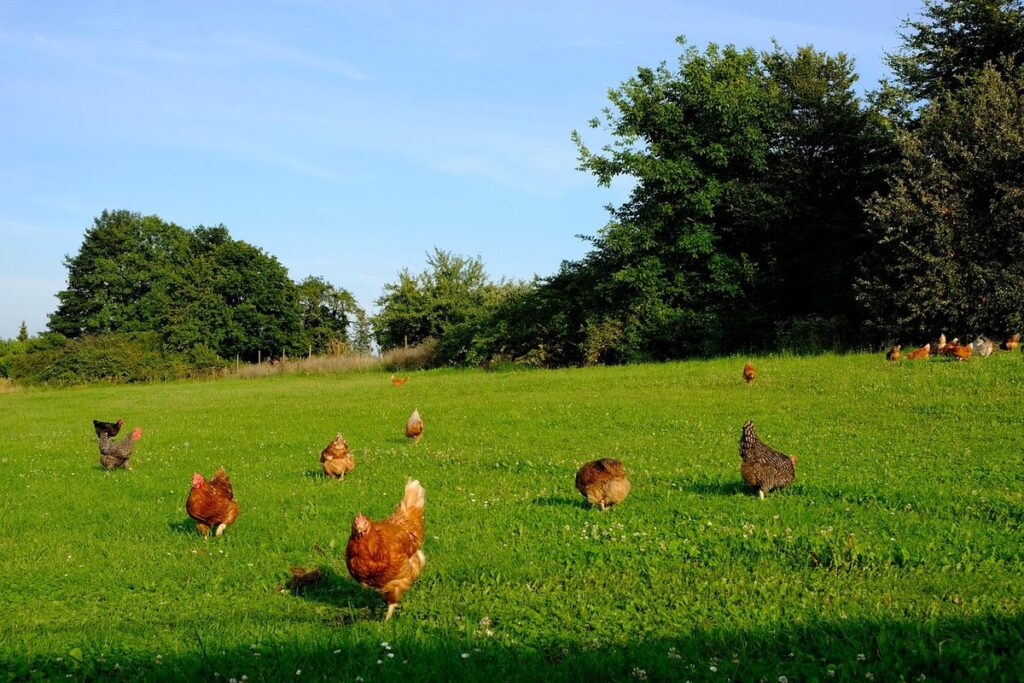
Understanding Chicken Run Grass Growth
When it comes to maintaining a healthy and thriving chicken run, understanding how grass grows is crucial. This section will explore the factors that influence grass regrowth in your chicken’s outdoor space.
Factors Affecting Grass Regrowth in Chicken Runs
When it comes to grass regrowth in chicken runs, several factors come into play. One of the most significant influences is soil quality. Chickens can be heavy-footed, which can lead to compacted soil that prevents proper drainage and aeration, ultimately stifling grass growth. To combat this, consider incorporating organic matter like compost or well-rotted manure into your chicken run’s soil.
Chicken activity is another crucial factor. Excessive pecking and scratching can damage the roots of newly sown grass, causing it to wither and die. To mitigate this, try providing your chickens with adequate space and enrichment activities, such as foraging toys or a designated dust bath area. This will keep them occupied and reduce the likelihood of over-pecking.
Sunlight exposure also plays a vital role in grass growth. Chickens need some shade to prevent heat stress, but too much shade can lead to weak, leggy grass. Aim for a balance by providing trees or shrubs that offer partial shade, while still allowing sufficient sunlight to reach the grass.
Regular maintenance is essential to promote healthy grass regrowth in your chicken run. Aim to mow the lawn at least once a week, and fertilize with a balanced fertilizer every 4-6 weeks.
Identifying Common Grass Types Suitable for Chicken Runs
When it comes to choosing the right type of grass for your chicken run, it’s essential to consider several factors. The most suitable types of grass for chicken runs are those that are hardy, drought-tolerant, and can withstand heavy foot traffic.
One of the most common and recommended types of grass is Buffalo Grass (Bouteloua dactyloides). It’s a low-maintenance option that requires minimal watering and mowing. Its deep roots also make it resistant to pests and diseases. However, its growth rate may be slower compared to other types.
Kentucky Bluegrass (Poa pratensis) is another popular choice for chicken runs. It’s known for its soft texture and ability to withstand foot traffic. However, it requires regular mowing and watering, which can be time-consuming and costly. Perennial Ryegrass (Lolium perenne) is also a suitable option but may require more frequent maintenance.
When selecting the right type of grass, consider your climate, available resources, and personal preferences. Some factors to keep in mind include soil quality, sunlight exposure, and temperature fluctuations. It’s also crucial to choose a type that complements your existing lawn or landscape design. By carefully evaluating these factors, you can select a suitable type of grass for optimal growth and minimize potential challenges.
Maintaining Optimal Conditions for Grass Regrowth
Now that you’ve got your flock settled, let’s focus on creating an environment that promotes healthy grass regrowth and keeps your chickens happy and productive. We’ll cover essential tips to maintain optimal conditions for lush growth.
Tips for Choosing the Right Fertilizer
When it comes to choosing the right fertilizer for your chicken run grass regrowth, there are several key factors to consider. First and foremost, you’ll want to think about the nutrient content of the fertilizer. What type of nutrients does your lawn need most? Is it nitrogen, phosphorus, or potassium? Different fertilizers will have varying levels of these essential macronutrients, so it’s crucial to choose one that addresses your lawn’s specific needs.
Another important consideration is soil pH. If your soil is too acidic or alkaline, it can affect the absorption of nutrients by your grass. Look for a fertilizer that’s formulated for your local climate and soil type. For example, if you live in an area with heavy clay soils, you may want to opt for a fertilizer with added lime to help adjust the pH.
Finally, consider the environmental impact of the fertilizer you choose. Organic options like compost or manure can be gentler on the environment than synthetic fertilizers, but they may not provide as immediate results. Be sure to read labels carefully and look for certifications like OMRI (Organic Materials Review Institute) to ensure you’re making a responsible choice.
When in doubt, it’s always best to consult with a local nursery or gardening expert to determine the best fertilizer for your specific needs.
Managing Chicken Waste to Promote Healthy Grass Growth
When it comes to maintaining a lush and healthy grass cover in your chicken run, managing chicken waste effectively is crucial. This not only keeps the area clean but also promotes optimal growth conditions for your grass.
Composting is an excellent way to manage chicken waste while creating a nutrient-rich fertilizer for your lawn. By setting up a composting system, you can turn droppings into a valuable resource that will enhance soil fertility and structure. To start, collect chicken waste in a designated bin or pile, ensuring it’s free from contamination. Add carbon-rich materials like straw or shredded newspaper to balance out the nitrogen levels, and aerate the mixture regularly.
Regular cleaning is also essential to maintaining a healthy grass cover. Set aside time each week to remove droppings and dispose of them properly. This can be done by composting, as mentioned earlier, or by using a manure scraper or shovel. By staying on top of waste management, you’ll prevent the buildup of ammonia, which can harm your grass’s growth.
Proper disposal techniques are just as important as regular cleaning. If you’re unable to compost, consider using a dedicated chicken run liner or tarp to contain droppings and make cleanup easier.
Regrowing a Lawn After a Chicken Run Has Been Removed
Now that your chicken run is gone, it’s time to think about getting your lawn back on track – and we’re here to guide you through the process of regrowth.
Assessing Damage and Preparing the Area
Now that you’ve removed the chicken run, it’s essential to assess the damage and prepare the area for regrowth. Take a step back and evaluate the extent of the wear and tear on your lawn. Walk around the former chicken run site and observe the areas where the chickens may have created pathways or dug into the soil.
Take note of any bare spots, trampled grass, or exposed roots. These areas will need extra attention to recover from the damage caused by the chickens. You can use a rake to gently loosen compacted soil and aerate the area to improve drainage and promote healthy regrowth.
Next, inspect for any remaining debris such as chicken droppings, old bedding material, or other waste that may have accumulated during the run’s operation. Remove these items completely, as they can harbor disease and pests that could harm your lawn in the future.
Before starting the regrowth process, apply a suitable fertilizer to replenish nutrients lost during the removal process. This will give your lawn a healthy boost and set it up for successful recovery.
Repairing Damage and Promoting New Growth
Once you’ve removed the chicken run and started the recovery process, it’s essential to focus on repairing damaged areas and promoting new growth. Start by assessing the extent of the damage. Walk through the lawn, taking note of areas with bare spots, thin patches, or compacted soil.
Next, aerate the affected zones to improve air circulation and promote healthy drainage. You can rent an aerator or use a manual fork to loosen the top 2-3 inches of soil. This step will help break up compacted soil, reducing the risk of future damage.
Now it’s time to repair damaged areas. For small patches, consider over-seeding with a mixture of grass species suitable for your climate and lawn type. If the damage is more extensive, you may need to resod entirely. Apply new sod in sections, ensuring each piece is pressed firmly into place to prevent settling or shifting.
Keep the lawn consistently watered during this period, but avoid overwatering, which can lead to shallow root growth. With proper care and patience, your lawn should start showing signs of recovery within a few weeks, eventually returning to its former lush appearance.
Preventative Measures for Long-Term Grass Health
To keep your grass healthy and thriving, it’s essential to take preventative measures that promote long-term health and prevent common issues from arising in the first place. We’ll explore some simple yet effective strategies for you to try.
Regular Maintenance and Inspection Schedule
Regular maintenance and inspection are crucial to preventing problems with your chicken run grass regrowth before they arise. By following a regular schedule, you can ensure your grass stays healthy, reduces the risk of diseases, and remains suitable for your chickens.
To start, set aside time each week to mow your lawn. This will help control weeds, maintain even growth, and prevent excessive water usage. Aim to remove no more than one-third of the grass blades during each mowing session to avoid stressing the plants. Consider using a mulching mower or leaving the clippings on the ground as they act as a natural fertilizer.
Regular watering is also essential, but be mindful not to overwater your lawn. Monitor soil moisture levels and adjust your watering schedule accordingly. Aim for about 1-2 inches of water per week, either from rainfall or irrigation. Also, keep an eye out for signs of nutrient deficiencies, such as yellowing leaves or stunted growth, and take action promptly by adding organic fertilizers.
Lastly, inspect your lawn regularly to catch any potential issues early on. Check for pests like chinch bugs, billbugs, or white grubs, which can damage grass blades or roots. Also, keep an eye out for diseases like powdery mildew or rust. By staying vigilant and addressing problems promptly, you’ll be able to maintain a healthy, thriving lawn that supports your chickens’ well-being.
Adapting Your Lawn Care Routine to Chicken Run Activities
When you have chickens running around on your lawn, it can be challenging to maintain a healthy and thriving grass. However, with a few simple adjustments to your lawn care routine, you can ensure that your grass remains resilient despite the challenges posed by your feathered friends.
Firstly, consider reducing the frequency of mowing. Chickens tend to create pathways through the grass as they move around, which can lead to uneven growth and make it easier for weeds to take over. By leaving the grass a bit longer than usual, you’ll be able to tolerate these pathways without sacrificing too much aesthetic appeal.
Additionally, incorporate organic matter into your lawn care routine by spreading compost or well-rotted manure evenly across the lawn. This will help to replenish nutrients that are lost due to chicken activity and promote healthy growth.
Be mindful of overwatering as chickens can compact the soil and prevent water from penetrating properly. Instead, aim for less frequent but more substantial watering sessions to ensure your grass receives adequate moisture without being overwhelmed by it. By adapting your lawn care routine in these ways, you’ll be well on your way to maintaining a healthy and thriving lawn despite the presence of chickens.
Frequently Asked Questions (FAQs)
We’ve had many readers reach out with questions about chicken run grass regrowth, so we’re answering some of the most common ones here to help you get back on track. Below, find answers to your burning questions!
Common Challenges and Solutions
One of the biggest challenges you’ll face when it comes to maintaining a healthy and lush lawn under your chicken run is weed control. Weeds can quickly take over, crowding out your desired grass species and making it difficult to manage. To combat this issue, consider using a pre-emergent herbicide in early spring or fall to prevent weeds from germinating.
Another common problem is pest infestations. Pests like aphids, whiteflies, and mites can weaken the blades of your grass, leaving them susceptible to disease and creating an ideal environment for weeds to grow. To manage pests, try introducing beneficial insects such as ladybugs or lacewings into your ecosystem. These natural predators feed on pest populations, reducing their numbers and helping to maintain a balanced environment.
Disease management is also crucial when it comes to maintaining a healthy lawn under your chicken run. Fungal diseases like powdery mildew and rust can be particularly problematic, especially in areas with high humidity or poor air circulation. To prevent these issues, ensure that your grass is receiving adequate sunlight and water, and consider using fungicides as a last resort.
When it comes to addressing common challenges related to chicken run grass regrowth, it’s also essential to maintain proper lawn care practices. This includes regular mowing, fertilizing, and aerating to promote healthy growth and root development. By taking these steps and being proactive in your approach to weed control, pest management, and disease prevention, you can enjoy a lush, green lawn under your chicken run that benefits both you and your flock.
To further support your efforts, consider implementing integrated pest management (IPM) strategies that combine physical barriers, cultural controls, and biological controls. By adopting this holistic approach, you’ll be better equipped to manage common challenges and create a thriving ecosystem for both your grass and your chickens.
Frequently Asked Questions
How soon can I expect to see grass regrowth after implementing new strategies?
Yes, with the right approach, you can start seeing noticeable improvements in your lawn’s health within a few weeks to a couple of months. However, be patient as this process requires time and effort to yield long-term results.
What are some common mistakes people make when trying to restore their lawn after a chicken run has been removed?
One common mistake is over-fertilizing or using the wrong type of fertilizer for your specific grass type. This can lead to more harm than good, causing burnouts or promoting weeds. Instead, focus on building a strong soil foundation through organic matter and select fertilizers that cater to your lawn’s unique needs.
How do I determine if my chicken run is too small for the number of birds I have?
A general rule of thumb is to provide at least 2-4 square feet of space per bird inside the run, depending on breed size. However, this can vary based on factors like climate and activity level. Consider assessing your current setup and making adjustments as needed to prevent over-crowding and subsequent lawn damage.
Can I use any type of fertilizer in a chicken run with high foot traffic?
No, using regular fertilizer in a high-traffic area can exacerbate soil compaction and promote weed growth. Instead, opt for slow-release fertilizers or organic alternatives that are specifically designed to handle heavy usage. These products will help maintain a healthy balance between nutrient supply and soil health.
What’s the best way to adapt my lawn care routine to accommodate chicken run activities?
Regularly inspect your lawn for signs of wear and tear, addressing issues promptly before they become major problems. Consider implementing a seasonal maintenance schedule that takes into account factors like weather patterns, growth cycles, and expected activity levels in your chicken run. This will help you stay ahead of potential challenges and keep your lawn thriving despite the demands of your backyard flock.