
Are you curious about how often your hens should be laying eggs? You’re not alone! Many backyard chicken keepers struggle to understand the intricacies of egg-laying frequency, and it’s no wonder. With so many factors at play, from genetics to nutrition and environmental conditions, it can be overwhelming to know where to start.
In this article, we’ll delve into the world of egg laying frequency in hens and explore the key influences that affect their productivity. We’ll discuss how breed, age, diet, and living conditions all impact the number of eggs your girls will lay each week. By understanding these factors, you can take steps to optimize your hens’ performance and address common issues affecting their egg-laying cycles. Whether you’re a seasoned chicken keeper or just starting out, this guide is designed to provide actionable tips and insights to help you get the most out of your flock’s laying potential.
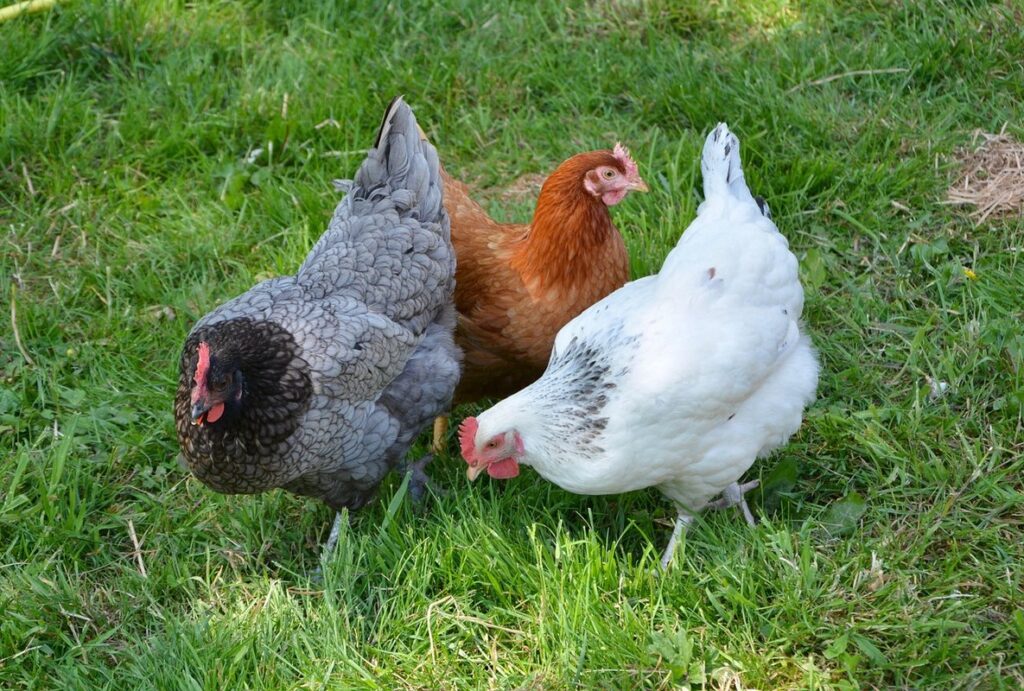
Factors Influencing Egg Laying Frequency
Factors such as breed, age, nutrition, and lighting play a significant role in determining how frequently your hen lays eggs. Let’s take a closer look at these key influencers.
Genetic Predisposition and Breeding
When it comes to egg laying frequency, genetic predisposition plays a significant role. Different breeds of hens have been naturally inclined to lay eggs at varying frequencies due to selective breeding over the years. For instance, Leghorn hens are known for their high egg production, laying an average of 280-300 eggs per year, while Orpingtons produce around 200-220 eggs annually.
Breeding programs have amplified these natural tendencies, resulting in a wide range of egg-laying frequencies among various breeds. Some breeds, like the Sussex and Plymouth Rock, are bred specifically for their egg-laying abilities and can produce up to 300 eggs per year. In contrast, heritage breeds or those raised for meat production may lay fewer eggs.
To understand your hens’ genetic predisposition, research the breed you have at home. Check the breed’s average egg-laying frequency and adjust your expectations accordingly. This knowledge will help you better manage their diet, environment, and overall care to optimize their egg production.
Nutrition and Diet
A balanced diet is essential for optimal egg production and maintaining a healthy laying frequency in hens. A nutrient-rich feed that includes essential vitamins and minerals plays a crucial role in supporting the reproductive system of hens, enabling them to lay eggs regularly.
Key nutrients like calcium, phosphorus, and protein are vital for building strong eggshells, facilitating ovulation, and promoting overall health. A deficiency in these nutrients can lead to reduced laying frequency or even stop egg production altogether. For instance, a hen with inadequate calcium intake may develop metabolic bone disease, causing weakened bones and brittle eggshells.
To support optimal egg production, hens require a diet rich in omega-3 fatty acids, which aid in hormone regulation and reproductive health. Additionally, vitamins A, D, and E play critical roles in maintaining the overall well-being of hens and supporting their reproductive systems.
Providing a balanced feed that meets the nutritional requirements of your flock can be challenging, especially if you’re new to backyard chicken keeping or have limited knowledge about hen nutrition. Consider consulting with a poultry expert or conducting research on the best feed options for your region and climate.
Age and Maturity
As hens mature, their egg-laying frequency undergoes significant changes. Pullets, typically between 16 and 20 weeks old, begin laying eggs but at a much lower rate than fully mature layers. This is because the hen’s reproductive system needs time to develop and reach optimal function. During this stage, pullets may lay an average of one egg per week for every three pullets.
As hens reach full maturity, around 26-30 weeks old, their egg-laying frequency increases dramatically. A healthy layer will produce an average of five eggs per week by the time she is six months old. The development of a mature layer involves a combination of genetics, nutrition, and overall health.
To ensure your flock reaches optimal production levels, provide them with a balanced diet that meets their nutritional needs. Adequate calcium intake is crucial for strong eggshell production. A layer feed formulated specifically for hens can help meet these requirements.
Environmental Factors Affecting Egg Laying Frequency
When it comes to egg laying frequency, hens are heavily influenced by their surroundings and environment. Let’s take a closer look at how temperature, humidity, and light exposure affect your hen’s reproductive habits.
Lighting and Day Length
When it comes to managing egg laying frequency in hens, lighting and day length play significant roles. Artificial lighting can greatly impact a hen’s production cycle. Providing adequate artificial light can extend the laying period, allowing hens to continue producing eggs even during the winter months when daylight hours are scarce.
On average, most commercial layers require 14-16 hours of light per day to maintain peak egg production. However, some breeds may require more or less light depending on their specific needs. For example, Leghorns can tolerate longer periods without light and still produce high-quality eggs.
In contrast, natural daylight has a significant impact on laying cycles. Hens typically stop producing eggs in the winter months due to the reduced daylight hours, with many breeds taking a 30-60 day break from egg production during this time. This is known as “molting,” where hens shed their feathers and grow new ones, resulting in a temporary decrease in egg production.
To manage this issue, farmers often provide supplemental lighting in coops to mimic natural daylight hours. By doing so, they can maintain consistent egg production levels throughout the year.
Temperature and Climate
Temperature and climate play a significant role in determining egg-laying frequency in hens. Extreme temperatures can have a detrimental effect on production, with temperatures above 85°F (30°C) and below 40°F (4°C) leading to decreased egg output. In such conditions, hens may experience heat stress or become lethargic, reducing their ability to lay eggs.
The ideal temperature range for optimal egg production is between 60°F (15°C) and 70°F (21°C). Within this range, hens are more likely to maintain a healthy body temperature, which in turn supports reproductive functions. When temperatures fluctuate outside of this range, hens may experience a drop in egg production.
Farmers can take several measures to mitigate the effects of extreme temperatures on egg-laying frequency. These include providing adequate ventilation and cooling systems, ensuring access to shade and fresh water, and adjusting lighting schedules to accommodate temperature changes. By maintaining an optimal temperature environment, farmers can promote healthy hens and maximize egg output.
Stress and Management Practices
Stress can significantly impact a hen’s egg-laying frequency, and it’s essential to understand what common stressors can affect their production. Overcrowding is one of the primary causes of stress in hens. When there isn’t enough space for them to move around comfortably, they may become aggressive towards each other, leading to reduced egg production. A general rule of thumb is to provide at least 4-5 square feet per bird inside and 8-10 square feet per bird outside.
Noise pollution can also be a significant stressor for hens. Loud sounds from traffic, neighboring farms, or even the sound of your own voice can cause them to become anxious and stressed. Handling hens gently and carefully is crucial as rough handling can lead to physical harm and emotional distress.
To minimize these effects, it’s recommended to introduce new birds gradually, provide adequate space and comfort, and maintain a calm environment by reducing noise levels. Regularly monitoring the behavior of your hens will also help you identify potential stressors early on. By understanding and addressing common stressors, you can create a more conducive environment for optimal egg production.
Common Issues Affecting Egg Laying Frequency
As you work to optimize your hens’ egg production, it’s essential to identify and address common issues that can impact their laying frequency. Let’s take a closer look at some of these problems together.
Health Problems and Infections
Health problems and infections can significantly reduce egg-laying frequency in hens. One of the most common health issues is respiratory diseases, which can be caused by viruses such as Infectious Bronchitis Virus (IBV) or bacteria like Mycoplasma gallisepticum. Symptoms include labored breathing, coughing, and loss of appetite.
Infectious diseases like Avian Influenza or Salmonella can also impact egg production. These diseases often lead to reduced laying frequency, as hens may stop producing eggs altogether while recovering from the illness. Treatment options typically involve antibiotics and supportive care, such as providing plenty of water and fresh food.
Regular health checks are crucial in maintaining a healthy flock and preventing disease outbreaks. It’s essential to monitor your hens’ behavior, appetite, and overall well-being regularly. Keep an eye out for signs of stress or illness, which can be caused by various factors including overcrowding, poor ventilation, or inadequate nutrition. If you notice any unusual symptoms, consult with a veterinarian promptly.
Proper biosecurity measures, such as cleaning the coop regularly and isolating new birds before introducing them to the flock, can also help prevent disease outbreaks.
Nutritional Deficiencies and Imbalances
When it comes to egg laying frequency, nutritional deficiencies or imbalances can have a significant impact on your hens’ productivity. A well-balanced diet is essential for maintaining optimal health and ensuring that your hens lay eggs regularly.
Signs of dietary deficiencies or imbalances may include changes in egg production, such as fewer eggs per week or smaller eggs. Your hens might also exhibit behavioral changes like lethargy, poor feather condition, or increased stress levels. These can be indicative of a lack of essential nutrients like calcium, phosphorus, or protein.
Dietary deficiencies can arise from inadequate feed quality, insufficient quantity, or incorrect feeding practices. For instance, if your hens are laying eggs frequently but their shells are weak and prone to breakage, it may indicate a calcium deficiency. Conversely, if your hens are laying large eggs consistently, they might be consuming excessive protein.
To mitigate these issues, ensure that you’re providing high-quality feed specifically formulated for egg-laying hens. Regularly monitor your flock’s health and adjust their diet accordingly. Consider supplementing with nutritional supplements or adjusting feeding schedules to meet their needs throughout the day.
Laying Cycle and Molting
As your hens approach the end of their laying cycle, they may begin to slow down or stop producing eggs altogether. This is a natural process called molting, where the hen sheds her old feathers and grows new ones. During this time, hormone levels drop, and egg production comes to a halt.
A typical laying cycle for most hens lasts around 25-30 weeks, with each cycle consisting of several phases. The first phase, known as the pre-lay or feathering stage, occurs when the hen is around 16-20 weeks old. This is when she begins to develop her reproductive organs and grows feathers on her reproductive tract.
However, molting can be triggered by various factors such as stress, inadequate nutrition, or lack of light. Common challenges during this process include reduced egg production, changes in appetite, and lethargy. To support your hens through the laying cycle, ensure they receive a balanced diet rich in calcium and vitamins, maintain a clean living environment, and provide adequate light to simulate natural daylight.
By understanding the natural laying cycle and molting process, you can better prepare for these periods and take steps to minimize stress on your hens.
Strategies for Optimizing Egg Laying Frequency
Now that you’ve learned why hens lay eggs at different rates, let’s dive into practical strategies to optimize egg laying frequency and improve your flock’s overall performance. We’ll explore some essential tips for achieving maximum egg production.
Breeding and Selection Programs
Selecting breeds that are well-suited to your specific climate and management practices is crucial for optimizing egg laying frequency. This might seem obvious, but many producers underestimate the impact of breed selection on overall flock performance. Take a layer farm located in a hot and dry region as an example: if they’re using a breed that’s optimized for cold climates, they’ll struggle to keep their hens healthy and productive.
Conversely, some breeds are naturally more resilient to heat stress or can tolerate variable feed quality, making them ideal for areas with inconsistent resources. Research local breeds that have been developed specifically for your climate zone, as these will have adapted over generations to thrive in those conditions. Consider factors such as egg size, feather type, and overall hardiness when evaluating breed options.
Ultimately, selecting the right breed can make all the difference in maximizing egg laying frequency while minimizing health issues and stress on your flock. Take the time to research and evaluate different breeds before making a decision – it’s an investment that will pay off in improved performance and reduced costs over the long term.
Nutrition and Supplementation
A well-balanced diet is essential to support optimal egg production in hens. A nutritionally rich feed should include a mix of grains, proteins, and fiber. Ensure the feed contains a minimum of 16% protein, with a balance of calcium and phosphorus for strong eggshell formation.
Supplementation can also play a vital role in maintaining healthy hens and maximizing egg laying frequency. Consider adding crushed oyster shells to provide extra calcium, or omega-3 supplements to support skin and feather health.
When choosing feed or supplements, consider the age and breed of your hens. Younger birds may require more protein-rich feeds, while older birds can benefit from reduced-calorie diets. A good quality layer feed should also include essential vitamins such as B12 and E.
To avoid over-supplementation, it’s crucial to monitor your hens’ health and adjust their diet accordingly. Keep an eye out for signs of nutrient deficiencies or excesses, such as poor eggshell quality or digestive issues. Regularly consulting with a poultry expert can provide valuable guidance on tailoring the diet to meet specific needs.
Maintaining a clean and well-ventilated coop is also essential for overall health, which in turn supports optimal egg production.
Health Management and Biosecurity
Maintaining good health habits is crucial for hens to achieve optimal egg laying frequency. A healthy hen is more likely to lay eggs consistently and at a higher rate than one that’s struggling with illness or stress. One key aspect of health management is vaccination programs. These programs help protect hens from diseases such as Marek’s disease, infectious bronchitis, and Newcastle disease, which can significantly impact egg production.
In addition to vaccinations, parasite control is another essential component of biosecurity. Internal parasites like coccidia and histomoniasis can weaken hens and decrease their ability to produce eggs. External parasites like mites and lice can also cause discomfort and lead to reduced egg laying. Regular cleaning of the coop, monitoring for signs of infestation, and using preventative measures such as medicated feed or dusting powders can help keep these pests under control.
By prioritizing health management through vaccination programs and parasite control, you can create a healthier environment for your hens to thrive in. This, in turn, will lead to improved egg laying frequency and overall productivity of your flock.
Tips for Beginners and Small-Scale Operations
If you’re just starting out or have a small flock, don’t worry – we’ve got tips to help you manage your hens’ egg-laying frequency and make the most of their productivity.
Choosing the Right Breed
When it comes to selecting hens for your small-scale or backyard operation, choosing the right breed is crucial. The ideal breed will not only meet your needs but also thrive in your specific climate and environment. Consider the following factors: temperature range, humidity levels, and wind resistance.
For example, if you live in a hot and humid climate, breeds like Leghorns, Orpingtons, or Australorps might be a good choice. These birds are well-suited for warm temperatures and can tolerate high humidity levels. On the other hand, if you’re in an area with extreme cold snaps, hardy breeds such as Marans, Sussex, or Plymouth Rock would be better suited.
When selecting breeds, also think about space and resources. If you have limited space, consider smaller breeds like Bantams or Polish hens that require less room to roam. Make sure to research the breed’s specific needs regarding feed, water, and health care to ensure they fit within your operation’s budget and resources.
Managing Egg Production in Small Flocks
Managing egg production in small flocks requires attention to detail and a understanding of the needs of your hens. To maintain optimal health and productivity, it’s essential to create an environment that promotes well-being and encourages regular laying.
Firstly, ensure your flock has access to fresh water at all times, as dehydration can lead to reduced egg production. A balanced diet is also crucial, consisting of high-quality feed and supplements tailored to their age and nutritional requirements.
Regular health checks are vital in identifying any issues early on, such as mites or lice infestations that can stress the hens and decrease egg production. Cleanliness is key; regularly clean the coop, remove soiled bedding, and disinfect surfaces to prevent disease transmission.
Aim for a balanced flock size of around 5-10 hens per person, allowing for sufficient space and social interaction. Monitor your hens’ behavior and adjust their environment as needed to ensure they feel comfortable and relaxed – this will significantly impact their egg-laying frequency and overall health.
Frequently Asked Questions (FAQs)
We’ve got a lot of questions about egg laying frequency, so let’s dive into some common ones and find out what you need to know.
Common Misconceptions About Egg Laying Frequency
Many people assume that egg-laying frequency is solely determined by breed and age. However, this oversimplifies the complex factors at play. In reality, a hen’s diet, health, living conditions, and genetics all contribute to her egg-laying abilities.
Some believe that hens will naturally slow down their egg production as they get older. While it’s true that egg-laying frequency does tend to decrease with age, this isn’t a hard-and-fast rule. Many breeds remain productive well into their teens, with some laying hundreds of eggs per year even in their 15th or 16th year.
Another common misconception is that hens will suddenly stop producing eggs altogether once they reach a certain milestone (e.g., 5 years old). In fact, most hens will continue to lay eggs throughout their lives, albeit at a slower rate. With proper care and management, many hens can remain productive for 10-15 years or more.
If you’re concerned about your hen’s egg-laying frequency, it’s essential to monitor her individual needs and adjust her living conditions accordingly. This may involve adjusting her diet, providing adequate space and exercise, or addressing any underlying health issues that might be impacting her productivity.
Q&A Session: Egg Laying Frequency
One of the most common questions regarding egg laying frequency in hens is “How often do hens lay eggs?” The answer to this question can vary depending on several factors. A healthy hen that’s around 18-24 weeks old and has a balanced diet should start laying eggs regularly.
Nutrition plays a significant role in determining egg laying frequency. Hens need essential nutrients like protein, calcium, and vitamins D3 and E to maintain their reproductive health and produce high-quality eggs. For example, a study published in the Journal of Animal Science found that hens fed with a diet rich in omega-3 fatty acids had improved egg production rates.
It’s also worth noting that some breeds are more prolific layers than others. Leghorn hens, for instance, can lay up to 300 eggs per year compared to around 200 eggs from a Plymouth Rock hen. If you’re planning to breed your own hens, research the specific needs and characteristics of different breeds to determine their potential egg laying frequency.
To encourage optimal egg production in your flock, ensure they have access to fresh water, adequate lighting, and proper ventilation. Regular health checks can also help identify any issues that might affect egg laying frequency.
Frequently Asked Questions
Can I increase my hens’ egg laying frequency through nutrition alone?
While proper nutrition is crucial for optimal egg production, relying solely on nutrition to boost frequency may not be effective. A balanced diet provides the necessary building blocks, but factors like breed, age, and lighting also play significant roles. Consider a multi-faceted approach that includes nutritional adjustments alongside other influencing factors.
What’s the ideal living space for hens with high egg-laying frequencies?
Hens need adequate space to move around comfortably, which is essential for maintaining their health and productivity. A good rule of thumb is to provide at least 2-4 square feet per hen inside the coop and 8-10 square feet in the run. This allows them to exercise, reducing stress and promoting healthy egg-laying cycles.
How do I know if my hens are experiencing nutritional deficiencies that affect egg laying?
Nutritional deficiencies can be subtle but impactful on egg production. Monitor your hens’ overall health, appetite, and droppings for signs of malnutrition. Consult with a veterinarian or poultry expert to identify potential issues and implement targeted supplements or dietary adjustments.
Can I expect my young pullets to start laying eggs immediately after reaching maturity?
While pullets typically begin laying eggs around 18-24 weeks of age, their initial production may be lower than expected due to various factors like genetics, nutrition, and environmental conditions. Be patient and allow them time to mature fully before expecting peak egg-laying performance.
How often should I collect eggs from my flock to encourage continued productivity?
Regular egg collection is essential for maintaining a healthy egg-laying cycle. Remove eggs daily or every other day to prevent breakage and promote hens’ natural cycles, ensuring they continue to lay regularly without stress or discomfort caused by overcrowding.