
If you’re an avid backyard chicken keeper or just starting to build your flock, choosing the right breed is crucial for maximizing egg production. With so many breeds to choose from, it can be overwhelming to decide which ones are best suited for your needs. But don’t worry, I’ve got you covered! In this article, we’ll delve into the characteristics, advantages, and challenges of popular egg-laying chicken breeds like Leghorns, Rhode Island Reds, and Barred Plymouth Rocks. We’ll explore what makes them tick, and how their unique traits can help or hinder your quest for fresh eggs. Whether you’re a seasoned homesteader or just starting out, this guide will help you make an informed decision and get the most egg-laying potential from your flock.
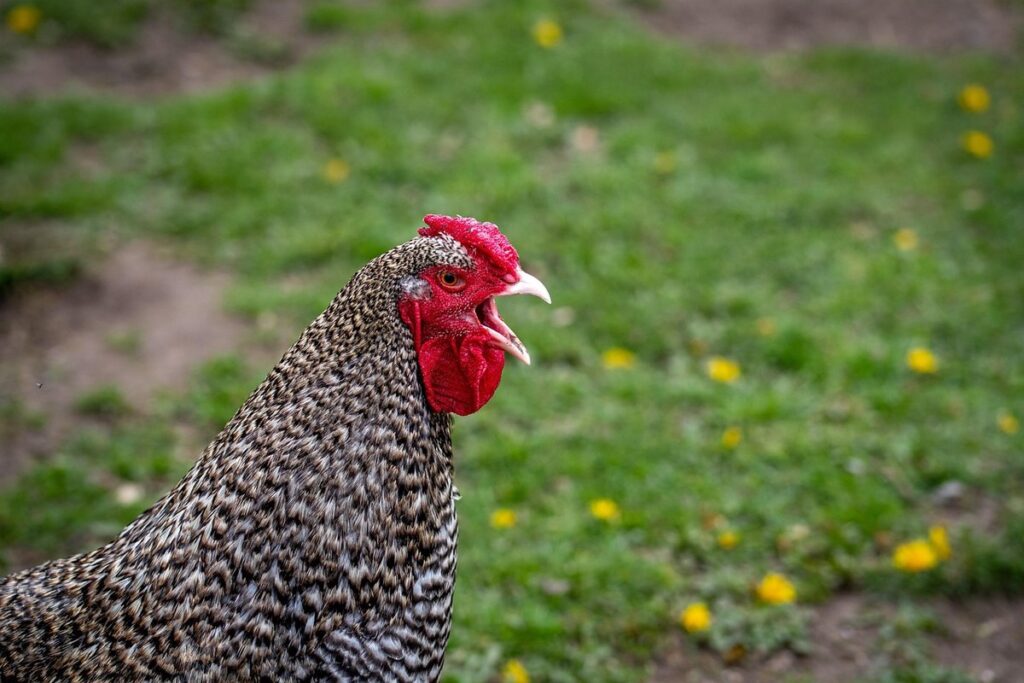
Introduction to Egg Production Breeds
Let’s dive into the world of egg production breeds, where we’ll introduce you to the top-performing varieties that are sure to impress. You’ll discover what makes each breed unique.
Benefits of Raising Egg-Laying Chickens
Raising egg-laying chickens can be a rewarding experience for backyard farmers and urban dwellers alike. One of the primary benefits is, of course, the fresh eggs they provide. Imagine collecting a dozen eggs from your own coop every morning – it’s an unbeatable feeling! Not only are homegrown eggs delicious, but they’re also free from additives, preservatives, and other chemicals found in store-bought eggs.
But egg-laying chickens offer more than just a steady supply of fresh eggs. They can also provide entertainment for the whole family. Watching your chickens roam freely in their coop or yard can be mesmerizing, and many people enjoy collecting eggs as a fun daily activity. Additionally, raising egg-laying chickens can be an educational experience for children, teaching them valuable lessons about responsibility, animal care, and where food comes from.
Many breeds of egg-laying chickens are suitable for small spaces, making them perfect for urban or suburban environments. By choosing the right breed and providing proper care, you can enjoy the benefits of raising egg-laying chickens while also contributing to a more sustainable food system.
Choosing the Right Breed for Your Flock
When choosing an egg production breed for your flock, it’s essential to consider several factors that will impact their health, happiness, and productivity. First and foremost, think about the climate where you live. If you reside in a hot or humid region, breeds like Leghorns or Orpingtons are better suited due to their heat tolerance and hardiness. On the other hand, if you live in a cold climate, consider breeds like Brahma or Plymouth Rock that can withstand harsh winters.
Next, consider the space available for your flock. If you have limited space, compact breeds like Bantams or Polish will thrive in smaller enclosures. However, if you have ample space to devote to your chickens, larger breeds like Australorps or Marans will benefit from the extra room to roam.
Lastly, think about your egg production requirements. Do you need a high volume of eggs daily? If so, breeds like Leghorns or Rhode Island Reds are top producers. Alternatively, if you’re looking for a more manageable number of eggs per day, consider breeds like Orpingtons or Sussex that produce smaller but consistent quantities.
Top 10 Egg-Laying Breeds for Backyard Flocks
If you’re looking to boost your backyard flock’s egg production, we’ve got you covered. Here are our top picks for breeds that deliver on quantity and quality.
1. Leghorn – High-Egg Production on a Small Scale
The Leghorn breed is renowned for its exceptional egg-laying abilities, making it an ideal choice for small-scale farmers and backyard flock enthusiasts. With an average of 280-300 eggs per year, Leghorns are one of the most prolific layers, offering a remarkable return on investment.
Their high egg production rate is attributed to their unique physiology. Leghorns have a higher metabolism than other breeds, which allows them to convert feed into eggs more efficiently. This means they require less feed to produce an egg compared to other breeds. However, this also implies that they need a balanced diet rich in calcium and protein to maintain their energy levels.
One of the significant advantages of raising Leghorns is their adaptability to different climates and environments. They are relatively hardy birds and can thrive in a variety of settings. Nonetheless, their high egg production comes with some drawbacks. Leghorns tend to be more prone to stress, which can negatively impact their overall health and productivity.
To maximize the potential of your Leghorn flock, ensure they receive proper care, including regular exercise, a balanced diet, and adequate space to roam. With attention to these factors, you can reap the rewards of their impressive egg-laying abilities while minimizing potential drawbacks.
2. Rhode Island Red – Hardy and Reliable Breed
The Rhode Island Red is a classic choice for backyard flocks, and it’s easy to see why. This hardy and reliable breed has been a staple of American farms for over a century, producing an impressive number of rich brown eggs along the way.
One of the most notable traits of the Rhode Island Red is its cold hardiness. These birds can withstand temperatures as low as 0°F (-18°C) without flinching, making them perfect for backyard flocks in areas with harsh winters. Their feathered bodies also provide excellent insulation against wind and rain, keeping your girls cozy and warm.
When it comes to egg production, Rhode Island Reds do not disappoint. They’ll lay an average of 200-220 brown eggs per year, with some hens producing up to 250 or more in ideal conditions. And the best part? Their eggs are consistently large and richly colored, making them a favorite among backyard chicken keepers.
Of course, like any breed, there are challenges associated with raising Rhode Island Reds. They can be quite dominant and may require extra space and socialization to prevent fighting among your flock. However, with proper care and attention, these birds will reward you with years of reliable egg production and a loyal following in your backyard coop.
3. Barred Plymouth Rock – Friendly and Low-Maintenance
If you’re looking for a breed that’s perfect for backyard flocks, consider the Barred Plymouth Rock. These birds are known for their friendly nature and make excellent additions to any flock. They’re relatively small in size, with roosters weighing around 8-10 pounds and hens coming in at 6-7 pounds.
One of the main reasons why many backyard chicken keepers love the Barred Plymouth Rock is that they’re low-maintenance birds. They require minimal care and are easy to handle, which makes them perfect for families with children or for those who want a stress-free flock. When it comes to egg production, these hens will give you around 200-220 brown eggs per year, which is moderate but consistent.
To keep your Barred Plymouth Rock happy and healthy, make sure to provide them with plenty of fresh water, high-quality feed, and adequate space to roam. They’re also relatively quiet birds, which is a bonus for those who live in close proximity to their neighbors. With proper care, these birds can thrive in a backyard setting and become a beloved addition to any flock.
Breeds for Specific Needs and Environments
When it comes to choosing a breed, your lifestyle and living situation play a significant role in determining which egg-laying chickens are right for you. This section highlights breeds that thrive in specific environments and meet unique needs.
Choosing the Right Breed for Small Spaces or Urban Areas
When it comes to egg production breeds that thrive in smaller spaces or urban areas, you don’t have to sacrifice quality for quantity. Breeds like Silkies and Bantams are perfect for backyard chicken keepers with limited space. These compact birds may be small, but they pack a punch when it comes to egg laying.
Silkies, for example, are known to produce an average of 120-140 eggs per year, which is impressive considering their tiny size. They’re also friendly and docile, making them a great choice for families with children or for those who want a low-maintenance pet. Bantams, on the other hand, come in a variety of breeds and can produce anywhere from 100 to 200 eggs per year.
When choosing a breed for small spaces, look for compact birds that don’t require a lot of space to roam. Some other breeds to consider include Polish, Campine, and Houdan chickens. These birds are not only easy on the eyes but also prolific egg layers, making them perfect for urban backyard chicken keepers who want fresh eggs right in their own yard.
Breeds for Cold Climates – Hardy and Resilient
If you live in an area with harsh winters, you’ll want egg-laying breeds that can withstand the cold. Chickens have evolved to adapt to various climates, and some breeds excel in temperatures as low as -20°C (-4°F). One such breed is the Polish Orpington, known for its compact size, thick feathers, and gentle disposition.
Another hardy breed is the Brahma, which originated in India and can tolerate extreme cold. Its large size and feathery coat make it an excellent choice for cold climates. The Silkie, with its soft, fluffy plumage, also thrives in cold temperatures and produces a decent number of eggs per year.
In addition to their physical characteristics, these breeds have developed behavioral adaptations to survive in the cold. For example, they will often huddle together for warmth and reduce activity levels during extreme weather conditions. If you’re raising chickens in a cold climate, consider providing them with a draft-free coop and extra bedding to keep them warm.
Some general tips for keeping your egg-laying flock happy and healthy in cold climates include:
* Providing adequate ventilation to prevent moisture buildup
* Using insulation to maintain a stable temperature
* Offering high-quality feed that’s formulated for cold-weather conditions
* Ensuring access to fresh water at all times
Factors Affecting Egg Production: Nutrition and Management
When it comes to maximizing egg production, proper nutrition and management are crucial for the health and well-being of your hens. Let’s take a closer look at how these factors impact egg output.
The Importance of Proper Nutrition for Maximum Egg Production
A balanced diet plays a crucial role in supporting high egg production. Nutrient requirements for optimal egg laying are significant, and feeding strategies must be tailored to meet these needs. For example, a layer’s diet should consist of around 16-18% protein, with calcium and phosphorus content adjusted accordingly to promote strong eggshell development.
Key nutrients include vitamin A, D3, E, K, and B12, which support overall health and fertility. Phosphorus is also essential for bone growth, while vitamins D3 and K aid in calcium absorption. Laying hens require about 1.2-1.5% calcium in their diet to maintain strong bones and produce robust eggshells.
To ensure optimal nutrition, consider the following feeding strategies:
• Provide a balanced commercial layer feed as the main staple.
• Supplement with fresh fruits and vegetables rich in essential vitamins and minerals.
• Use oyster shells or crushed eggshells to provide additional calcium.
• Limit treats high in sugar, salt, or fat content.
Regular monitoring of nutrient intake and adjustment of feeding strategies is necessary to optimize egg production.
Managing Stress and Maintaining Flock Health
Managing stress and maintaining flock health are crucial aspects of optimal egg production. When chickens are under stress, their immune systems can weaken, leading to decreased egg production and increased susceptibility to disease. Regular health checks are essential to detect any potential issues early on.
Perform a thorough inspection of the coop and run at least once a week, checking for signs of parasites, mites, or lice. Clean and disinfect these areas regularly to prevent the spread of diseases. Vaccinations should also be administered according to the specific breed’s requirements, usually every 6-12 months, depending on factors such as climate and disease prevalence in your area.
Parasite control is another vital aspect of flock health management. Use a combination of methods, including deworming medication, dust baths, and physical barriers like mesh or netting around roosts to prevent flystrike. By minimizing stress and maintaining a healthy flock, you can ensure optimal egg production and reduce the risk of disease. Regular monitoring of your chickens’ behavior and health will help identify potential issues early on, allowing for prompt action to be taken.
Common Breeds for Commercial Egg Production
When it comes to commercial egg production, you’ll want to focus on breeds that are known for their high egg-laying capabilities and efficient production. We’ll explore some popular choices in this section.
The Dominance of Hybrid Breeds in Large-Scale Operations
In large-scale commercial operations, hybrid breeds have taken center stage for their exceptional egg production rates and rapid growth. These birds are designed to thrive in intensive farming environments, where they can produce a high volume of eggs with minimal resources. The advantages of hybrid breeds lie in their ability to adapt quickly to changing conditions, allowing them to maintain peak performance even under stress.
Characteristics such as high fertility rates, robust health, and efficient feed conversion make hybrids the top choice for large-scale operations. For instance, the Lohmann Brown and ISA Brown are two popular hybrid breeds known for their high egg production (280-300 eggs per year). Their fast growth rate enables farmers to reach market maturity sooner, reducing the overall cost of production.
To get the most out of hybrid breeds, farmers must provide optimal living conditions, including adequate space, proper ventilation, and a balanced diet. Regular health checks and vaccination programs are also crucial in maintaining the birds’ productivity and well-being. By choosing the right hybrid breed and implementing effective management practices, large-scale operations can maximize their egg production and stay competitive in the market.
Traditional Breeds Still Used in Commercial Settings
Despite the rise of newer, more efficient breeds, traditional egg production breeds continue to hold their own in commercial settings. One reason for this is their adaptability to industrial farming conditions. For instance, the Leghorn breed has remained a popular choice due to its exceptional egg-laying ability and tolerance for confinement.
Another example is the Rhode Island Red (RIR), which thrives in large-scale operations thanks to its hardiness, ease of management, and consistent egg production. Its moderate egg size and brown color make it an ideal fit for many commercial egg producers. Additionally, the RIR’s broodiness – a trait that encourages hens to sit on eggs rather than abandon them – reduces losses during peak production periods.
In commercial settings, breeders often cross-breed these traditional strains with newer, more productive lines to enhance their overall efficiency and performance. This hybridization process allows producers to leverage the best qualities of each breed while minimizing weaknesses. By doing so, they can create robust, reliable flocks that maximize egg output without sacrificing quality or profitability.
Conclusion: Selecting the Right Breed for Your Needs
Now that you’ve learned about various egg production breeds, it’s time to decide which one is perfect for your backyard flock and specific needs. We’ll help you make an informed decision on selecting the right breed.
Recap of Key Points and Considerations
When selecting an egg-laying breed for your flock, it’s essential to consider several key points and factors. Let’s recap some of the most important considerations to help you make an informed decision.
Climate plays a significant role in choosing the right breed. If you live in a hot and humid climate, breeds like Leghorns or Barred Rocks may not be ideal due to their high heat tolerance needs. Conversely, if you’re in a colder climate, hardy breeds such as Buff Orpingtons or Australorps can thrive.
Space is another critical consideration. Some breeds, like Silkies or Polish, require less space and are better suited for backyard flocks with limited room. On the other hand, larger breeds like Rhode Island Reds or Plymouth Rock need more space to roam.
Egg production requirements also vary among breeds. For example, Leghorns are prolific layers but may not be as friendly or docile as other breeds. If you’re looking for a breed that’s both productive and affectionate, consider the Barred Plymouth Rock or Wyandotte.
In addition to these factors, it’s essential to think about your lifestyle and schedule. Do you have time to collect eggs daily? Or would you prefer a breed that lays eggs consistently over a longer period?
To help you narrow down your options, consider the following:
• How much space do you have available for your flock?
• What is your climate like, and how will it affect your birds?
• What are your egg production goals, and which breeds meet those requirements?
• Do you prioritize friendly, docile birds or are you looking for high productivity?
By carefully considering these factors and breed characteristics, you can find the perfect egg-laying breed to suit your needs and create a happy, healthy flock.
Frequently Asked Questions
Can I raise egg-laying chickens in a small backyard or urban area?
Yes, many breeds are suitable for small spaces, such as Leghorns, Rhode Island Reds, and Barred Plymouth Rocks. When choosing a breed, consider the mature size of the bird and the space available for them to roam.
How do I maintain my flock’s health and prevent stress-related egg production issues?
Proper nutrition and management are key. Ensure your chickens have access to fresh water, clean living conditions, and adequate space. Also, rotate their feed to provide a balanced diet and consider supplementing with probiotics or oyster shells to support calcium intake.
Are there any breeds that excel in cold climates?
Yes, some breeds like the Dominique and Australorp are known for their hardiness in colder temperatures. These birds have thick feathers and can tolerate frosty conditions, making them a good choice for backyard flocks in areas with harsh winters.
Can I mix and match different egg-laying breeds to achieve optimal production?
While it’s possible to mix breeds, consider the potential consequences on your flock’s dynamics and productivity. Some breeds may have conflicting personalities or require different living arrangements, which could impact overall egg production.
How do I determine the best breed for my specific needs and environment?
Consider factors like climate, available space, and personal preferences when selecting a breed. Research the breed’s temperament, egg-laying potential, and adaptability to your specific situation to ensure you make an informed decision.