
If you’re a backyard farmer or homesteader who’s been keeping guinea hens for their unique personalities and prolific egg-laying abilities, then this article is for you. You know that these beautiful birds can produce up to 300 eggs per year, but have you ever stopped to think about how to maximize their fertility rates? Or perhaps you’re curious about how to optimize the nutrition in your guinea hen eggs to make them even healthier and more sustainable for your family’s consumption. Whatever your goals may be, this comprehensive guide will walk you through the ins and outs of guinea hen egg production, including tips on optimizing nutrition, increasing fertility rates, and exploring creative uses for these versatile eggs.
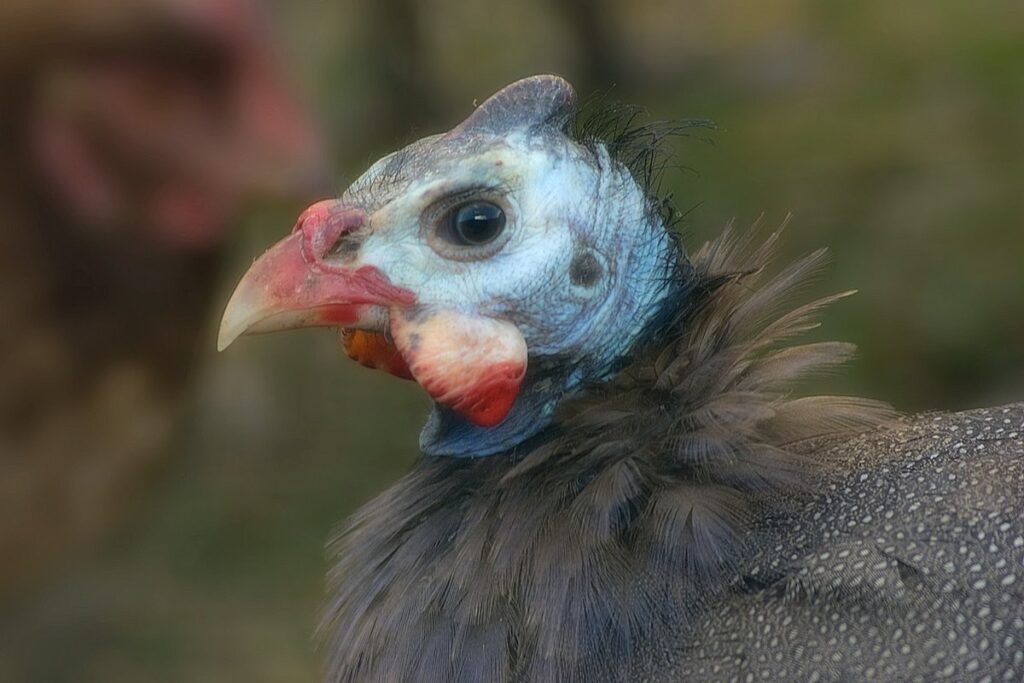
Understanding Guinea Hen Egg Production
Guinea hens are prolific layers, producing an average of 150 eggs per year. In this next part, we’ll dive into the specifics of their egg production and how it compares to other backyard birds.
Factors Affecting Fertility Rates
Proper care and nutrition play a crucial role in maintaining healthy guinea hens, which is essential for high fertility rates. Age is a significant factor, as guinea hens typically reach reproductive maturity between 6-12 months of age. However, peak egg production and fertility usually occur around 2-3 years old.
Breed also significantly impacts fertility rates. Some breeds, such as the French Copper Marans, are known for their high fertility rates due to their genetic makeup. Health status is another critical factor; guinea hens with underlying health issues may experience reduced fertility or even complete reproductive failure.
In addition to genetics and health, nutrition plays a vital role in maintaining fertility. A balanced diet rich in protein, calcium, and other essential nutrients is crucial for healthy egg production and fertility. Providing access to fresh water, adequate shelter, and regular exercise also contributes to overall guinea hen health and fertility.
Breeding Strategies for High-Egg-Production Flocks
Breeding strategies play a crucial role in increasing egg production in guinea hen flocks. One popular approach is linebreeding, where individuals from the same bloodline are bred to maintain desirable traits. This method allows breeders to concentrate on specific characteristics, such as high egg-laying capacity, and enhance them over time.
Selection programs also focus on identifying and breeding birds with exceptional egg production capabilities. Breeders use a combination of visual inspections, performance records, and genetic testing to determine which birds are most likely to produce offspring with improved egg-laying abilities. Cross-breeding programs can also be effective in boosting egg production by combining the strengths of different breeds.
For instance, some breeders have successfully crossed African and American guinea hens to create flocks that excel in both egg quality and quantity. When implementing breeding strategies, it’s essential to record detailed data on each bird’s performance, including egg size, weight, and frequency. This information helps identify the most productive birds and informs future breeding decisions.
Regular monitoring of flock health and nutrition is also vital for maintaining high egg production levels. By combining these strategies with proper care and management practices, breeders can successfully increase their guinea hen flocks’ egg-laying capacity.
Nutrition and Health Considerations
When it comes to consuming guinea hen eggs, there are several nutrition and health considerations to keep in mind. We’ll delve into the nutritional benefits and potential risks associated with these unique eggs.
Dietary Requirements for Optimal Egg Production
To ensure optimal egg production from guinea hens, it’s essential to provide them with a balanced diet rich in essential nutrients. Protein is a crucial component of their diet, as guinea hens require about 1-2% of their body weight in protein daily. Include high-quality protein sources like layer feed, alfalfa meal, or even mealworms in their diet.
Calcium is also vital for eggshell production and overall health. Guinea hens need access to calcium-rich foods such as crushed oyster shells, cuttlebone, or dark leafy greens like kale or spinach. Ensure they have a constant supply of fresh water and maintain a clean feeding area to prevent bacterial contamination.
In addition to protein and calcium, provide guinea hens with other essential nutrients like vitamins A, D3, and E through supplements or high-quality feed. Avoid over-supplementing, as this can lead to health issues. For example, excessive vitamin A can cause reproductive problems in guinea hens. Monitor your flock’s health and adjust their diet accordingly.
By following these feeding strategies, you’ll promote the overall health and fertility of your guinea hens, ultimately leading to optimal egg production.
Managing Health Issues in Guinea Hen Flocks
Managing health issues in guinea hen flocks is crucial to maintaining their overall well-being and egg production. One of the most common problems affecting guinea hens is mites, which can cause discomfort, stress, and even disease. To prevent mite infestations, it’s essential to regularly inspect your flock for signs of mites, such as excessive scratching or preening. You can also use a fine-tooth comb to remove any mites from their feathers.
Parasites like internal worms and external lice are another concern. Internal parasites can be treated with deworming medications, while external lice require a medicated bath. Respiratory problems, such as coughing or wheezing, can be caused by bacteria, viruses, or environmental factors like dust or pollution. To prevent respiratory issues, ensure good ventilation in your coop and keep the area clean.
In addition to preventing these health issues, it’s also essential to have a plan in place for treatment and recovery. For example, keep a first-aid kit on hand with supplies like antibiotic ointment and tweezers for removing mites or ticks. Regularly monitoring your flock’s behavior and physical condition can help you catch any potential health problems early on, allowing for prompt treatment and minimizing the risk of complications.
Harvesting and Handling Eggs
Now that you’ve learned how to collect guinea hen eggs, it’s time to think about harvesting them efficiently and storing them safely. Let’s discuss the best practices for handling your precious egg collection.
Egg Collection and Storage Methods
When collecting eggs from your guinea hen coop, it’s essential to handle them with care to minimize breakage and contamination. Start by gently reaching into the nesting box without disturbing the hens, then carefully pick up each egg with both hands or a slotted scoop to prevent scratching the eggshell. Place the collected eggs in a carton or container specifically designed for storing eggs to keep them clean and protected.
For optimal storage, store guinea hen eggs in a cool, dry place away from direct sunlight and heat sources. The ideal storage temperature is between 39°F and 45°F (4°C to 7°C). You can also store them in the refrigerator at a consistent temperature of 40°F (4°C), which will slow down bacterial growth. Do not wash eggs before storing, as excess moisture can promote bacterial growth. Store eggs with the pointed end up to prevent moisture from entering the egg through the small opening at the large end. This simple storage method helps maintain the freshness and quality of your guinea hen eggs for a longer period.
Grading and Packaging Eggs
When it’s time to harvest guinea hen eggs, grading them is essential for determining their quality and marketability. The process involves evaluating each egg based on size, shape, and cleanliness. To start, gently pick up the eggs from the nesting box or carton, taking care not to damage any of them.
Begin by sorting the eggs into different categories based on their size. This is typically done using a grading system that classifies eggs as Jumbo (over 2 3/4 pounds), Large (1 pound 8 ounces to 2 3/4 pounds), Medium (1 pound 5 ounces to 1 pound 7 ounces), Small (0.75 to 1 pound 4 ounces), and Bantam (under 0.75 pounds). Next, inspect each egg for any visible cracks or damage.
Cleanliness is also crucial in grading guinea hen eggs. Look for any dirt, stains, or debris on the shell. Any eggs with significant imperfections should be set aside for use within your own household rather than being sold to customers.
For packaging, consider using cartons specifically designed for egg sales. These cartons have individual compartments that keep each egg separate and prevent them from breaking during transport. You can also use brown paper bags or reusable containers as a more eco-friendly alternative.
Keep in mind that some guinea hen owners sell their eggs directly to consumers through farm stands, farmers’ markets, or online platforms. In these cases, presentation is key: make sure each egg is clean and attractively packaged before selling it to your customers. If you’re planning to distribute your eggs to restaurants or grocery stores, follow local regulations regarding packaging and labeling requirements.
Packaging options can vary depending on how you plan to use the eggs. For example, if you’re selling them as a unique product at an upscale market, consider using decorative cartons or bags that showcase the guinea hen’s rich history and heritage. On the other hand, if you’re distributing them to large commercial establishments, stick with standard packaging materials.
It’s worth noting that some consumers may be willing to pay more for guinea hen eggs due to their unique characteristics, such as richer coloration and stronger nutritional profile. If this is your target market, focus on highlighting these benefits through attractive packaging and clear labeling.
When it comes to storing the eggs after grading and packaging, maintain a consistent refrigerated temperature between 38°F and 40°F (3°C to 4°C). This will help extend their shelf life while maintaining quality.
Guinea Hen Egg Nutrition and Uses
Guinea hen eggs offer a wealth of nutritional benefits, making them a popular choice among egg enthusiasts. Let’s dive into their unique nutrient profile and explore creative uses in cooking.
Nutritional Content Comparison with Other Poultry Eggs
When it comes to nutritional content, guinea hen eggs stand out from other types of poultry eggs. Compared to chicken eggs, guinea hen eggs have a higher protein and iron content, making them an excellent choice for those looking to boost their protein intake. In fact, according to the United States Department of Agriculture (USDA), a large guinea hen egg contains about 7 grams of protein compared to 6 grams in a large chicken egg.
Guinea hen eggs also have a more balanced fatty acid profile than chicken eggs, with higher levels of omega-3 fatty acids and conjugated linoleic acid (CLA). These nutrients are not only beneficial for heart health but also support immune function. Additionally, guinea hen eggs contain about 20% less cholesterol compared to chicken eggs.
If you’re looking to incorporate more guinea hen eggs into your diet, consider the following tips: always choose fresh eggs from a reputable source, store them in the refrigerator at a temperature below 40°F (4°C), and use them within 7-10 days of purchase. When cooking with guinea hen eggs, remember that they can be more delicate than chicken eggs, so adjust cooking times and temperatures accordingly to prevent overcooking.
Culinary and Non-Culinary Uses
Guinea hen eggs are not only an excellent source of nutrition but also offer a multitude of uses beyond the kitchen. One of the most exciting aspects of these eggs is their versatility in culinary and non-culinary applications.
In cooking, guinea hen eggs can be used as a substitute for chicken eggs in most recipes. They have a slightly denser texture and a richer flavor, making them ideal for baked goods like cakes, cookies, and bread. Their larger size also makes them perfect for decorating and making omelets. You can even use the yolks to make delicious guinea hen egg salad with vegetables or as a topping for salads.
In addition to their culinary uses, guinea hen eggs have been prized for centuries for their skin and hair care benefits. The egg whites contain keratin, which helps strengthen hair follicles, while the yolks are rich in vitamins A and E that nourish the skin. Whip up an egg white mask or apply a warm egg yolk to your face or scalp for a rejuvenating treat.
When it comes to marketing guinea hen eggs, consider emphasizing their unique characteristics and health benefits to attract eco-conscious consumers who prioritize sustainable food options and all-natural products. Consider partnering with local bakeries or restaurants to offer specialty items made with guinea hen eggs, or sell them directly at farmers’ markets to connect with customers interested in artisanal goods. By highlighting the egg’s nutritional profile, you can command a premium price for your product.
Legal and Regulatory Considerations
When it comes to raising guinea hens for egg production, it’s essential to understand the laws governing backyard poultry farming, including zoning regulations and animal welfare standards. We’ll break down what you need to know.
Zoning Laws and Regulations
Before you bring home your guinea hens, it’s essential to check with your local authorities about zoning laws and regulations regarding backyard chicken-keeping. These rules can vary significantly from one area to another, so it’s crucial to understand what’s allowed on your property.
In many areas, keeping chickens is a common practice, but there may be specific restrictions or requirements for guinea hens. Some municipalities might require a special permit or license to keep these birds, while others might have rules about the number of guineas you can keep per household. It’s also possible that your local government has designated areas where backyard chickens are not allowed.
To ensure compliance with zoning laws, start by contacting your local planning department or city hall to ask about specific regulations regarding guinea hens. You can also check with your homeowner’s association (if applicable) for any rules or restrictions on backyard chicken-keeping. By doing your research and understanding the local regulations, you’ll avoid potential issues down the line and be able to enjoy raising these wonderful birds on your property.
Health Department Requirements
When it comes to producing guinea hen eggs, maintaining a clean and sanitary environment is crucial. This not only ensures the health and well-being of your birds but also compliance with health department regulations.
Before starting your flock, familiarize yourself with local health codes and ordinances that govern backyard poultry keeping. These laws vary by state or region, so it’s essential to check with your local health department for specific requirements. For example, some areas may require regular inspections, while others might mandate permits or licenses.
To maintain a clean environment, implement good biosecurity practices, such as:
• Providing ample ventilation and shelter for your birds
• Cleaning feeders and waterers regularly
• Disposing of waste properly
• Implementing a sanitation schedule for coop and run maintenance
When it comes to selling eggs directly to consumers, you’ll need to comply with state and local regulations regarding direct-to-consumer sales. This might include obtaining a permit or license, labeling eggs with production date and farm information, or following specific handling and storage guidelines.
Always check with your local health department for the most up-to-date requirements and regulations. By staying informed and adhering to best practices, you can ensure a safe and healthy environment for both your birds and customers.
Frequently Asked Questions
Can I raise guinea hens with other poultry, such as chickens or ducks?
Yes, it’s common for backyard farmers to keep multiple species together. However, introduce them gradually, ensuring a harmonious flock. Guinea hens are social birds and prefer the company of their own kind, but they can adapt to mixed flocks if introduced properly.
How often should I collect eggs from my guinea hen flock?
Collect eggs daily or every other day to maintain cleanliness and prevent breakage. Regular collection also helps monitor fertility rates and identifies any potential issues with egg production.
What are some common health issues that can affect guinea hens, and how do I manage them?
Common health issues include respiratory problems, parasites, and reproductive disorders. Maintain a clean environment, provide regular vaccinations, and ensure access to fresh water and nutritious feed to minimize the risk of health issues.
Can I breed my own guinea hens for high-egg-production flocks?
Yes, breeding your own guinea hens can be a rewarding experience. Focus on selecting birds with desirable traits like fertility rate, egg size, and temperament. Develop a breeding program that balances genetic diversity and consistency to ensure the health and productivity of your flock.
How do I store guinea hen eggs for optimal freshness?
Store eggs in a cool, dry place, away from direct sunlight and moisture. Keep them pointy-end down to prevent water from seeping into the egg through the air pocket. You can also refrigerate eggs at 40°F (4°C) or below to extend shelf life.
Can I sell guinea hen eggs directly to customers, or do I need special permits?
Check with your local health department and zoning laws for regulations on selling homemade products, including eggs. In some areas, you may need a permit or license to sell eggs directly to consumers.