
When it comes to raising healthy chickens, one crucial aspect often gets overlooked: their diet. Conventional chicken feed can be laced with chemicals and artificial additives that harm your birds’ well-being and contaminate the meat you consume. The good news is that switching to organic chicken feed is a simple yet effective way to promote animal welfare, reduce chemical exposure, and produce more nutritious eggs.
If you’re considering making this transition, navigating the world of organic chicken feed can be overwhelming. That’s why we’ve put together this comprehensive guide to help you choose the right feed for your flock. In this article, we’ll delve into DIY recipes, explore reputable supplier options, and provide expert advice on balancing nutrition levels to ensure your birds receive everything they need to thrive.
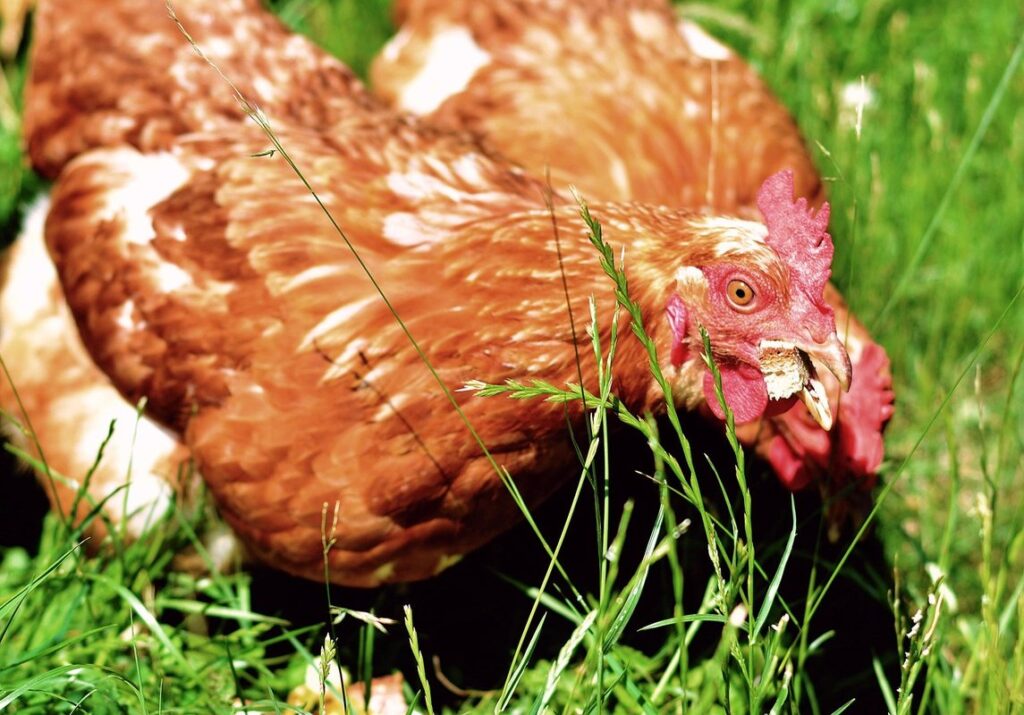
Benefits of Choosing Organic Chicken Feed
When it comes to choosing a high-quality chicken feed, opting for organic options can have a significant impact on your flock’s health and well-being. Let’s explore some compelling benefits of making this switch.
Reducing Chemical Exposure
When it comes to choosing organic chicken feed, one of the primary concerns for many backyard chicken keepers is reducing chemical exposure. Conventional chicken feed often contains a cocktail of chemicals, hormones, and antibiotics that can have serious health implications for both humans and animals.
The risks associated with conventional chicken feed are well-documented. For example, studies have shown that consuming eggs from hens fed antibiotics can lead to the development of antibiotic-resistant bacteria in humans. Similarly, exposure to hormone-laden feed has been linked to various cancers and reproductive issues.
Organic chicken feed options offer a much safer alternative. By choosing organic feed, you can minimize your flock’s exposure to these toxic substances. Look for feeds that are certified by organizations such as the USDA or third-party certifiers like Non-GMO Project Verified or Certified Humane.
When selecting an organic feed, be sure to read labels carefully and avoid products containing synthetic additives or fillers. Opting for locally sourced, non-GMO grains can also help reduce chemical exposure. By making this simple switch, you’ll not only protect your flock’s health but also contribute to a more sustainable food system.
Promoting Animal Welfare
When you choose organic chicken feed, you’re not only benefiting your family with healthier meals, but also promoting animal welfare. Organic chicken feed is made from non-GMO ingredients and doesn’t contain antibiotics, hormones, or pesticides, which can lead to improved living conditions for the birds.
For instance, organic chicken farms are often designed to provide more space and natural light for the animals, allowing them to engage in their natural behaviors like scratching and pecking. This not only makes the birds happier but also reduces stress levels, leading to a healthier immune system. With reduced disease risk, farmers can focus on providing optimal care rather than constantly treating illnesses.
Organic chicken feed also ensures that the birds receive essential nutrients for growth and development. By avoiding synthetic additives, you’re giving your chickens access to nutrient-rich ingredients like fruits, vegetables, and whole grains. This balanced diet not only promotes healthy growth but also reduces the likelihood of diseases and parasites. To maximize these benefits, look for certified organic feed from reputable suppliers, ensuring that your flock receives the best possible nutrition.
Types of Organic Chicken Feed
There are several types of organic chicken feed available, each offering unique benefits for your flock’s health and well-being. Let’s explore some of the most popular options together.
Grain-Based Options
When it comes to choosing organic chicken feed options, grain-based feeds are often a popular choice. Grains like oats, barley, and wheat provide essential nutrients and energy for your flock. However, it’s crucial to weigh the benefits against the potential drawbacks.
Oats, for instance, are an excellent source of fiber, which can help support digestive health in chickens. Barley is rich in phosphorus, a vital mineral for healthy bone growth. Wheat, on the other hand, is often used as a filler ingredient, providing carbohydrates and energy.
When selecting grain-based feeds, look for certified organic options that use locally sourced grains whenever possible. This not only supports local farmers but also ensures that your feed is free from pesticides and synthetic fertilizers.
To create a balanced grain-based diet, consider combining these ingredients with other organic sources like fruits, vegetables, and legumes. Aim to provide a mix of 60-70% grains, 20-30% protein-rich ingredients, and 5-10% supplements or treats.
Plant-Based Proteins
When it comes to organic chicken feed options, exploring alternative protein sources can be a game-changer for both the health of your flock and the environment. One promising area of investigation is plant-based proteins, which have gained significant attention in recent years due to their potential to enhance nutritional value while reducing environmental impact.
Legumes, such as peas, beans, and lentils, are excellent examples of plant-based protein sources that can be incorporated into organic chicken feed. These nutrient-dense foods are rich in protein, fiber, and minerals like iron and zinc. For instance, a study by the University of California found that adding legumes to layer hen diets improved egg production and reduced nitrogen excretion.
Other plant-based proteins worth considering include nuts and seeds, such as almonds, sunflower seeds, and chia seeds. These sources offer high-quality protein, healthy fats, and essential vitamins and minerals. To incorporate these into your flock’s feed, start by adding a small percentage (around 10%) of the alternative protein source to their existing diet. Gradually increase the proportion over time to allow for adaptation.
DIY Organic Chicken Feed Recipes
As you strive for a completely organic and natural diet for your flock, let’s dive into three simple recipes to make your own DIY chicken feed at home.
Mixing Your Own Feed
Creating custom blends of organic chicken feed using various ingredients can be an exciting and cost-effective way to provide your flock with a balanced diet. To get started, you’ll need to determine the nutritional requirements of your chickens, which will depend on their age, breed, and intended use (e.g., egg production or meat).
Begin by selecting a base ingredient, such as oats or barley, which provides fiber and energy. From there, add a protein source like beans or peas, followed by fruits and vegetables for added nutrients. Consider including supplements like alfalfa meal or kelp meal to enhance the feed’s nutritional profile.
Here are some examples of custom blends you can create:
* For young chickens, try mixing 20% oats with 30% beans and 50% chopped apples
* For egg-laying hens, combine 40% barley with 30% peas and 30% kale
When creating your own feed, be sure to follow these guidelines: use clean and dry ingredients; maintain the correct proportions; store the blend in a cool, dry place to preserve its nutritional value.
Nutrient-Rich Additives
When crafting your own organic chicken feed recipes, you may want to consider adding nutrient-rich supplements to provide your flock with a balanced diet. Kelp meal, alfalfa, and flaxseed are excellent options to explore.
Kelp meal is an excellent source of iodine, which is essential for thyroid health in chickens. However, be cautious not to overdo it – excessive kelp consumption can lead to iodine toxicity. A good starting point is to mix 1-2% kelp meal into your feed recipe.
Alfalfa, on the other hand, offers a rich source of protein and calcium, making it an excellent addition for laying hens. It’s essential to note that alfalfa should be introduced in moderation due to its high nutrient content; start with a small amount (about 5-10%) and adjust according to your flock’s needs.
Flaxseed provides a healthy dose of omega-3 fatty acids, which promote overall health and well-being in chickens. When incorporating flaxseed into your feed recipe, make sure to grind it finely to ensure optimal absorption.
Organic Chicken Feed Suppliers and Resources
Now that you’ve learned about different types of organic chicken feed, let’s talk about where to find high-quality suppliers and resources.
Recommended Brands
If you’re looking for reputable suppliers of organic chicken feed, here are some top brands to consider. These brands offer high-quality feed that meets strict USDA and Organic Federation standards.
* Purina Organic Chicken Feed: This brand offers a range of organic feeds, from starter to layer formulas. Their products contain no artificial preservatives or additives and are made with non-GMO ingredients.
* Manna Pro Organic Chicken Feed: Manna Pro’s organic feed is made with all-natural ingredients and contains no synthetic fertilizers or pesticides. They offer a variety of feed options, including a complete starter feed and layer feed.
* Scratch and Peck Feeds: This brand offers a range of certified organic chicken feeds that are made with non-GMO ingredients and contain no artificial preservatives or additives.
When choosing an organic chicken feed supplier, it’s essential to consider the following factors:
• Certification: Look for suppliers who have obtained certification from reputable organizations such as the USDA or Organic Federation.
• Ingredients: Choose a brand that uses high-quality, non-GMO ingredients and no artificial preservatives or additives.
• Price: While organic feed may be more expensive than conventional options, consider the long-term benefits to your flock’s health and well-being.
It’s also crucial to read customer reviews and ask for recommendations from fellow chicken keepers. This will give you a better understanding of each brand’s quality and reliability.
Online Communities and Forums
Connecting with fellow poultry keepers is an essential part of finding and utilizing the best organic chicken feed options. One of the most valuable resources for this community is online forums and social media groups where experienced breeders share their knowledge, successes, and failures.
Some popular platforms to explore include Facebook groups like “Organic Chicken Keeping” or “Pasture Raised Poultry”, Reddit’s r/BackyardChickens community, and specialized online forums such as BackYard Chickens Forum. These spaces are perfect for asking questions about specific feed requirements for your flock’s breed, age, and health conditions.
When joining these communities, it’s essential to be an active participant by sharing your own experiences and knowledge with others. This will not only help you get the best advice but also make meaningful connections that can lead to valuable recommendations on suppliers and recipes. You can also search for local or regional groups to connect with fellow breeders who may have access to unique, locally-sourced feed options. By engaging with online communities, you’ll be able to tap into a wealth of expertise and stay up-to-date on the latest trends in organic chicken feeding.
Challenges and Considerations
When it comes to choosing the right organic chicken feed, there are several challenges and considerations that you’ll want to be aware of to make an informed decision. These factors can impact your flock’s health and performance.
Cost and Accessibility
Switching to organic chicken feed can be a costly endeavor, especially for large-scale operations or backyard flock owners on a budget. However, it’s essential to weigh the financial constraints against the benefits of providing your flock with nutrient-rich, chemical-free feed.
A 1-ton bag of conventional corn-based layer feed typically costs between $150 and $250. In contrast, organic layer feed made from whole grains like oats or barley can range from $300 to $500 per ton, depending on the quality and source. While this may seem steep, consider the long-term implications: healthier birds, improved egg production, and reduced environmental impact.
To balance costs with nutritional needs, start by assessing your flock’s requirements and adjusting feeding strategies accordingly. Consider mixing organic feed with conventional options or using locally sourced grains to reduce costs. Additionally, explore alternative protein sources like mealworms or fishmeal, which can be more cost-effective than traditional soy-based products. By implementing these strategies, you can create a customized feeding program that meets your birds’ needs without breaking the bank.
Nutrient Balancing Act
When using organic ingredients for chicken feed, it’s essential to strike a balance between nutritional needs and the limitations of these ingredients. Organic feeds often lack certain nutrients that are commonly found in conventional feeds, such as protein sources like soybean meal or fishmeal. This means you’ll need to be intentional about selecting supplements to ensure your flock is getting all the necessary nutrients.
To maintain optimal nutrition levels, consider the following:
* Choose a balanced organic feed mix that’s specifically formulated for layers or growers.
* Consult with a veterinarian or poultry expert to determine which specific nutrients may be lacking in your chosen organic feed.
* Add supplements such as kelp meal, alfalfa meal, or fish oil to fill nutritional gaps. For example, kelp meal is rich in iodine and can help prevent goiter in chickens.
It’s also crucial to monitor your flock’s health and adjust their diet accordingly. Keep an eye out for signs of nutrient deficiencies, such as pale combs, soft-shelled eggs, or lethargy. By being mindful of these potential challenges, you can create a well-rounded organic chicken feed program that supports the overall health and productivity of your birds.
Conclusion and Future Directions
Now that you’ve explored various organic chicken feed options, let’s discuss where you can go from here to create a more sustainable backyard flock.
Recap of Key Takeaways
In conclusion to our comprehensive guide on organic chicken feed options, let’s recap the key takeaways that will help you make informed decisions for your flock’s health and the planet’s sustainability.
Choosing an organic chicken feed can have a significant impact on poultry health. By opting for certified organic feed, you’re reducing the risk of antibiotic resistance, eliminating the use of synthetic pesticides, and promoting a more natural gut microbiome. This, in turn, contributes to stronger immune systems, fewer illnesses, and healthier growth rates.
Another crucial aspect is the environmental benefits that come with choosing organic chicken feed. Conventional farming practices often rely on resource-intensive production methods, resulting in deforestation, water pollution, and soil degradation. Organic options, on the other hand, promote regenerative agriculture by encouraging diverse crop rotations, using cover crops to maintain soil health, and implementing integrated pest management techniques.
Some of the standout benefits of organic chicken feed include:
* Reduced reliance on chemical-based fertilizers and pesticides
* Improved soil fertility through the use of compost and manure amendments
* Enhanced biodiversity in farming ecosystems
* Lower carbon footprint due to reduced synthetic fertilizer usage
To integrate these principles into your flock’s diet, consider the following practical tips:
* Consult with a certified organic feed supplier or a local farmer for guidance on sourcing high-quality organic feed.
* Gradually transition your birds from conventional feed to an organic option to minimize potential digestive upset.
* Keep detailed records of your feeding practices and health outcomes to refine your approach over time.
By embracing these takeaways, you’ll be well on your way to creating a more sustainable and humane farming environment for both your chickens and the planet.
Frequently Asked Questions
Can I mix my own organic chicken feed without compromising the nutritional balance?
When creating your own DIY recipes, it’s essential to ensure that you’re providing a balanced diet for your flock. Consult with a veterinarian or experienced poultry keeper to get personalized advice on mixing your own feed. Start by using a base recipe and adjust as needed based on your birds’ individual needs.
How do I choose the right organic chicken feed supplier for my region?
Not all suppliers are created equal, especially when it comes to sourcing high-quality ingredients and meeting local regulations. Research reputable brands in your area that offer certified organic chicken feed. Check their ingredient lists, customer reviews, and certifications (e.g., USDA Organic) to ensure you’re getting a reliable product.
What’s the difference between labeled ‘organic’ and ‘natural’ chicken feeds?
While both terms may seem appealing, they have distinct meanings. Labeled ‘organic’ means that at least 95% of the ingredients are organic, whereas ‘natural’ feed can contain some non-organic additives. If you’re committed to an all-organic diet for your flock, choose products with strict labeling guidelines.
Can I use food scraps from my garden as a supplement to their regular feed?
While occasional treats from your garden won’t harm your birds, make sure not to overdo it. Fruits and vegetables should only comprise 10% of their daily intake. Stick to whole grains, legumes, and leafy greens that are safe for chickens to eat in moderation.
What’s the best way to store organic chicken feed to maintain its freshness?
Proper storage is crucial to preserve the nutritional value of your feed. Keep it in airtight containers, away from direct sunlight and moisture, and rotate your stock regularly to ensure you’re using the oldest bags first. This will prevent spoilage and contamination, keeping your flock healthy and happy.