
When it comes to raising healthy and thriving quails, providing the right food is crucial. Choosing the correct quail feed can be overwhelming, especially for new breeders or those who want their birds to reach optimal health and productivity. As a responsible quail owner, you’re probably wondering what nutrients your feathered friends need to grow strong and lay plenty of eggs. In this comprehensive guide, we’ll walk you through the essential elements to look for in commercial quail feed, share some homemade recipes that can be just as effective, and provide expert advice on how to ensure your birds are getting everything they need to thrive. Whether you’re a seasoned breeder or just starting out, our quail feed guide has got you covered.
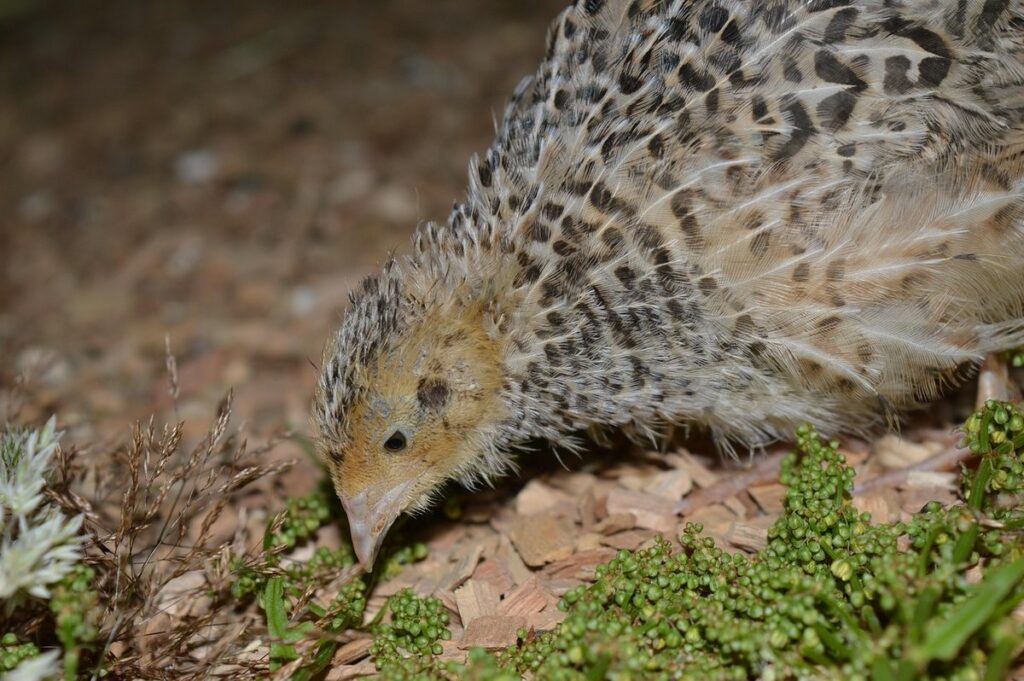
Understanding Quail Nutrition Basics
When it comes to feeding your quails, understanding their nutritional needs is crucial for maintaining their overall health and well-being. This section will break down the essential elements of quail nutrition basics.
Importance of a Balanced Diet
When it comes to keeping quails healthy and happy, providing them with a balanced diet is essential. A lack of essential nutrients can lead to various health issues, from reproductive problems to weakened immune systems. Imagine if your beloved pet was suffering from a preventable condition simply because you weren’t giving them the right food – it’s heartbreaking!
A well-balanced quail diet should include a mix of protein sources like insects, seeds, and grains. Quails also require a certain amount of calcium to maintain strong eggshell production in females and skeletal health in both males and females. You can ensure this by adding crushed eggshells or cuttlebone to their feed.
To avoid nutritional deficiencies, it’s crucial to provide quails with variety in their diet. A single type of food will not suffice; instead, offer a combination of foods that cater to their specific needs at different stages of life. For instance, young quails require more protein than adult quails, so you may need to adjust their feed accordingly.
By paying attention to the nutrient balance and variety in your quails’ diet, you’ll be able to keep them healthy and thriving for years to come.
Common Nutrient Deficiencies in Quails
When it comes to maintaining optimal health, quails require a balanced diet that addresses their unique nutritional needs. However, even with proper feed management, nutrient deficiencies can still occur. One of the most common deficiencies is protein deficiency, which can lead to stunted growth and weakened immune systems. Quails need a minimum of 16-20% protein in their diet to maintain optimal health.
Another critical nutrient that’s often deficient in quail diets is calcium. This essential mineral helps build strong eggshells, bone structure, and overall health. A lack of calcium can result in soft-shelled eggs, brittle bones, and an increased risk of metabolic disorders. Make sure your quail feed contains 2-3% calcium to avoid these issues.
Vitamin D3 is also a common deficiency in quails, especially those raised indoors without adequate sunlight exposure. Vitamin D3 helps regulate eggshell production and promotes overall health. Ensure your quail feed includes vitamin D3 supplements or choose a feed that’s fortified with this essential nutrient.
Factors Affecting Quail Nutrition
When it comes to providing optimal nutrition for your quails, several factors come into play. The nutritional needs of quails change significantly across different stages of their life cycle, starting from chicks to adults. Young quail chicks require more protein-rich feed to support rapid growth and development. In contrast, mature quails focus on maintaining muscle mass and regulating reproductive cycles.
Another crucial factor is sex, as male and female quails have distinct nutritional requirements. Males need a slightly higher amount of protein in their diet, whereas females prioritize calcium for egg production. Breed-specific needs also play a role in quail nutrition, with some breeds requiring more energy-dense feed to sustain their growth rates.
Environmental conditions like temperature, humidity, and access to water can impact quail nutrition as well. Extreme temperatures or poor ventilation can lead to dehydration and stress, affecting the quails’ ability to digest nutrients effectively. A balanced diet that takes these factors into account is essential for maintaining overall health and productivity in your quail flock.
Types of Quail Feed
There are several types of quail feed available, each formulated for a specific life stage and purpose to ensure your birds receive the nutrition they need. Let’s take a closer look at some popular options.
Commercial Quail Feed Options
When it comes to providing your quails with the best possible nutrition, commercial quail feed options are a convenient and widely available choice. These feeds come in various compositions, catering to different life stages and needs of your birds.
Pelleted feeds are one popular option, offering ease of use and balanced nutrient profiles. They typically contain around 16-18% protein, which is sufficient for adult quails but might be too high for young or breeding birds. On the other hand, crumb-based feeds offer a coarser texture, allowing quails to pick at them more naturally.
Some commercial options are specifically designed for specific life stages, such as starter feed for young quails or laying feed for egg-producing females. These tailored formulas ensure that your birds receive exactly what they need during critical periods of growth and development.
When choosing commercial quail feeds, consider factors like nutrient content, ingredient quality, and any potential allergens or sensitivities within your flock. Consult with a veterinarian or experienced breeder to determine the best feed option for your specific situation.
Homemade Quail Feed Recipes
When it comes to providing your quail with the nutrition they need, you can look beyond commercial feed options and create your own homemade recipes using natural ingredients. This approach allows for greater control over what goes into your birds’ diets and can be a cost-effective alternative.
To make your own quail feed, start by combining grains like oats, barley, or millet with vegetables such as leafy greens (kale, spinach), carrots, and sweet potatoes. Fruits like berries, apples, and bananas can also be added in moderation.
One example recipe is to mix 2 parts oats with 1 part chopped kale and 1/4 cup of sliced carrots. This blend provides essential fiber, vitamins, and minerals for optimal quail health. You can store any leftovers in an airtight container and feed it within a few days.
Some key points to keep in mind when making homemade quail feed are:
* Always use fresh ingredients
* Avoid giving too much fruit as it can cause digestive issues
* Rotate your ingredients seasonally to ensure a diverse nutrient profile
Supplementing Quail Feed
When it comes to providing the best possible nutrition for your quails, supplementing their feed with essential nutrients is crucial. Quail feed alone may not provide all the necessary vitamins and minerals that your birds require to stay healthy.
Consider adding protein sources such as mealworms, crickets, or even small pieces of meat like chicken liver or beef heart to their diet. These will help meet their high protein needs, especially for egg-laying quails. You can also supplement with vitamin D3, which is essential for calcium absorption and bone health.
Other important minerals that should be considered are calcium, phosphorus, and potassium. A balanced mix of these minerals will ensure strong bones, proper muscle function, and overall well-being. You can provide crushed eggshells or oyster shells as a source of calcium, while leafy greens like spinach and kale offer potassium-rich options.
Aim to supplement 1-2 times a week, depending on the age and size of your quails, and adjust according to their specific needs. A little creativity with the right ingredients can make all the difference in keeping your feathered friends happy and healthy.
Choosing the Right Quail Feed
When it comes to selecting the perfect quail feed for your birds, understanding the different types and formulations is crucial for their optimal health and well-being. This section will break down the key factors to consider when choosing a high-quality quail feed.
Age-Specific Nutrition Requirements
As quails grow and develop from hatch to maturity, their nutritional requirements change significantly. Understanding these age-specific needs is crucial for providing the right diet for your feathered friends.
At hatch, quail chicks require a nutrient-rich starter feed that’s high in protein (around 20-22%) to support rapid growth and development. They need calcium and phosphorus to build strong bones and beaks, as well as vitamins A, D3, and E for overall health. Offer a starter feed specifically formulated for young birds, with the right balance of energy and nutrients.
As quails mature (around 4-6 weeks), their diet can be gradually transitioned to a grower or finisher feed that’s lower in protein (15-18%) but higher in fiber. At this stage, they require more energy and less protein to support muscle growth and feather development. Avoid over-supplementing with calcium, as it can lead to health issues.
For adult quails, focus on providing a balanced maintenance feed that meets their nutritional needs for optimal health and egg production (if applicable). Consider factors like the bird’s age, sex, and activity level when choosing the right feed.
Breed-Specific Nutritional Needs
When it comes to choosing the right quail feed, breed-specific nutritional needs are often overlooked. However, different breeds of quails have varying requirements that can impact their health and productivity. For instance, Button Quails require a higher protein diet due to their high energy levels, while Japanese Quails require more calcium for strong eggshell production.
As you select a quail feed, consider the following breed-specific needs:
* Button Quails: 18-20% protein, with an emphasis on high-quality protein sources like soybean meal or fishmeal.
* Japanese Quails: 16-18% protein, with added calcium and phosphorus for strong eggshell production.
* California Quails: 15-17% protein, with a focus on energy-rich ingredients to support their high reproductive rates.
To determine the best quail feed for your breed, consult with a veterinarian or experienced breeder. They can help you identify specific nutritional requirements based on factors like climate, age, and productivity level.
Factors to Consider When Selecting Quail Feed
When selecting quail feed, there are several factors to consider beyond just the nutritional content. One of the most significant considerations is cost. Quail feed can vary greatly in price depending on the brand, quality, and type. While it may be tempting to opt for the cheapest option, keep in mind that low-cost feeds often sacrifice nutritional value.
Convenience is another factor to consider when choosing quail feed. If you have a large flock or are planning to breed quails, you’ll want a feed that’s easy to store and dispense. Some quail feed comes in compressed blocks, while others are loose pellets. Consider the storage space available and how easily the quails can access the feed.
Environmental sustainability is also an important consideration when selecting quail feed. Look for feeds made from locally sourced ingredients or those with minimal packaging waste. Some brands even offer biodegradable or compostable options. By choosing a sustainable feed, you’re not only reducing your carbon footprint but also promoting eco-friendly practices in the poultry industry.
Incorporating these factors into your decision-making process will help ensure that you choose a quail feed that meets the nutritional needs of your birds while being mindful of cost, convenience, and environmental sustainability.
Health Benefits of Quail Feed
When it comes to giving your quails a healthy and balanced diet, understanding the health benefits of their feed is crucial. This is where high-quality quail feed can make all the difference in maintaining optimal health.
Impact on Growth and Development
When it comes to providing optimal nutrition for your quail, the impact on growth and development is a crucial aspect to consider. A well-formulated quail feed can significantly influence the overall health and well-being of your birds.
One of the primary benefits of using high-quality quail feed is weight gain. Quails need a balanced diet that provides adequate protein, energy, and essential nutrients to support rapid growth rates. A good quail feed should contain around 20-25% protein content to promote muscle development and overall health. For example, research has shown that quails fed with a high-protein feed gained an average of 2 grams per day compared to those on a low-protein diet.
Feather quality is also a vital aspect to consider when evaluating the impact of quail feed on growth and development. A nutritious feed rich in omega-3 fatty acids, vitamins, and minerals helps maintain healthy feathers, which are essential for insulation and visual appeal. To promote optimal feather growth, ensure that your quail feed contains around 1% calcium content to support strong beak and skeletal development.
Adequate nutrition during the first few weeks of life is particularly crucial as it sets the stage for overall health and productivity later in life. It’s essential to choose a high-quality quail feed that meets the nutritional requirements of your birds, taking into account factors such as age, sex, and breed.
Disease Prevention and Management
When it comes to keeping your quails healthy and thriving, disease prevention is crucial. Quail feed plays a significant role in maintaining their immune system, making them less susceptible to diseases such as coccidiosis and respiratory infections.
Coccidiosis, caused by the protozoan parasite Eimeria, affects quails worldwide and can be fatal if left untreated. To prevent this disease, ensure your quails have access to a balanced diet rich in calcium, which helps strengthen their bones and immune system. Some quail feed brands also include coccidiostats as an additive, specifically designed to combat this parasite.
In addition to preventing diseases, proper nutrition can help manage existing health issues in your quails. For instance, respiratory infections can be caused by poor air quality or stress within the flock. Feeding your quails a nutrient-rich diet that includes high-quality protein and vitamins can boost their immune system, reducing the severity of these infections.
Regularly monitoring your quail’s feed intake, water consumption, and overall health is essential in preventing diseases. By choosing a reputable quail feed brand that meets your birds’ nutritional needs, you’re taking the first step towards maintaining their health and well-being.
Improved Egg Production
A well-balanced quail feed is crucial for improving egg production and fertility. When it comes to egg-laying birds like quails, nutrition plays a vital role in determining the quantity and quality of eggs produced. A high-quality feed should provide all the necessary nutrients, including proteins, vitamins, and minerals.
Proteins, particularly those from plant-based sources such as soybean meal or cottonseed meal, are essential for building strong egg yolks. Vitamin A is also crucial for maintaining reproductive health and fertility in quails. Calcium, phosphorus, and other minerals help build strong eggshell, making it an ideal environment for fertilized eggs to develop.
One of the best ways to improve egg production is by providing a balanced feed that meets your quail’s nutritional needs. You can achieve this by following these simple tips: provide clean water at all times, offer a high-quality commercial quail feed as the main staple, and supplement with fresh fruits and vegetables to meet any dietary requirements.
Some examples of successful quail farms have seen up to 20% increase in egg production after switching to a nutrient-rich feed. By investing time and effort into choosing the right nutrition for your feathered friends, you too can reap similar benefits and enjoy an abundance of healthy eggs from your backyard flock.
Conclusion
Now that we’ve explored the different types of quail feed, it’s time to summarize the key takeaways and provide a final recommendation for your feathered friends. Let’s wrap up this guide!
Recap of Key Takeaways
When it comes to providing the best nutrition for your quails, there are several key takeaways from this article that you should keep in mind. First and foremost, ensure that the feed you choose is formulated specifically for quails, as their nutritional needs differ significantly from those of other birds.
Some essential nutrients to look out for include protein-rich ingredients such as soybean meal or fishmeal, as well as calcium and phosphorus for strong eggshell production. You should also consider adding supplements like oyster shells or crushed limestone to promote healthy digestion and bone growth.
When selecting a quail feed, choose a reputable brand that offers a balanced formula with the right proportions of carbohydrates, proteins, fats, vitamins, and minerals. Consider factors such as your quails’ age, sex, breed, and activity level when choosing the best feed for them.
Final Thoughts and Recommendations
When it comes to selecting the right quail feed, remember that every bird is unique and has different nutritional needs. Consider factors such as age, health, and lifestyle when making a decision. For example, young chicks require a starter feed with high protein levels, while laying quails need a feed rich in calcium for eggshell production.
To ensure optimal health and well-being, choose a feed that meets the American Soybean Association (ASA) or National Research Council (NRC) standards for poultry nutrition. These organizations provide guidelines for essential nutrients like vitamins A, D, and E, as well as minerals like phosphorus and potassium.
Consider adding supplements to your quail’s diet if they’re not getting enough from their feed. Fresh fruits and vegetables can be a nutritious addition, but make sure to introduce new foods gradually to prevent digestive issues. Provide clean water at all times and ensure it’s free from contaminants and bacteria. By following these recommendations and choosing the right quail feed, you’ll be well on your way to raising happy and healthy birds.
Frequently Asked Questions
Can I mix homemade recipes with commercial quail feed?
You can mix homemade recipes with commercial quail feed, but it’s essential to ensure the nutritional balance remains optimal. Start by consulting with a veterinarian or experienced breeder to determine the correct ratio of homemade feed to commercial feed. Also, pay attention to the nutrient profile of your homemade recipe and adjust as needed.
What if I’m unsure about my quails’ age-specific nutrition requirements?
Yes, it’s common for new breeders to feel uncertain about their quails’ nutritional needs at different ages. Research age-specific guidelines or consult with a veterinarian to determine the ideal diet for each life stage. For example, young quails require more protein and energy during growth spurts.
Can I supplement commercial quail feed with fresh fruits and vegetables?
Yes, but only in moderation! Fresh fruits and veggies can provide essential nutrients, but over-supplementation can lead to nutritional imbalances. Stick to the recommended amounts, and choose nutrient-rich options like leafy greens, carrots, or berries. Also, ensure the fresh produce is free of pesticides and mold.
How do I prevent nutrient deficiencies in my quail flock?
Nutrient deficiencies can be prevented by regularly monitoring your quails’ health and adjusting their diet accordingly. Keep an eye out for signs of malnutrition, such as feather loss, lethargy, or reproductive issues. Consult with a veterinarian to identify potential deficiencies and implement corrective measures.
Can I feed my quails free-range or should they stick to commercial feed?
While it’s tempting to let your quails roam freely, providing access to a balanced diet is crucial for their health and well-being. Consider offering a mix of commercial feed and supplemental fresh produce, allowing them to forage in a controlled environment under close supervision.