
Improving chicken hatch rates is one of the most pressing concerns for backyard chicken keepers and commercial farmers alike. A high hatch rate not only reduces losses but also ensures a steady supply of healthy chicks to grow into productive laying hens or meat birds. However, many factors can affect fertility and hatchability, from breeding stock selection to incubation conditions. In this article, we’ll dive into the essential tips for boosting your chicken hatch rates, covering everything from choosing robust breeding stock to optimizing nutrition and biosecurity measures. We’ll also explore best practices for incubation and post-hatch care to help you increase fertility and reduce losses. By implementing these expert-approved strategies, you can take control of your flock’s reproductive success and enjoy a more profitable and stress-free poultry-raising experience.
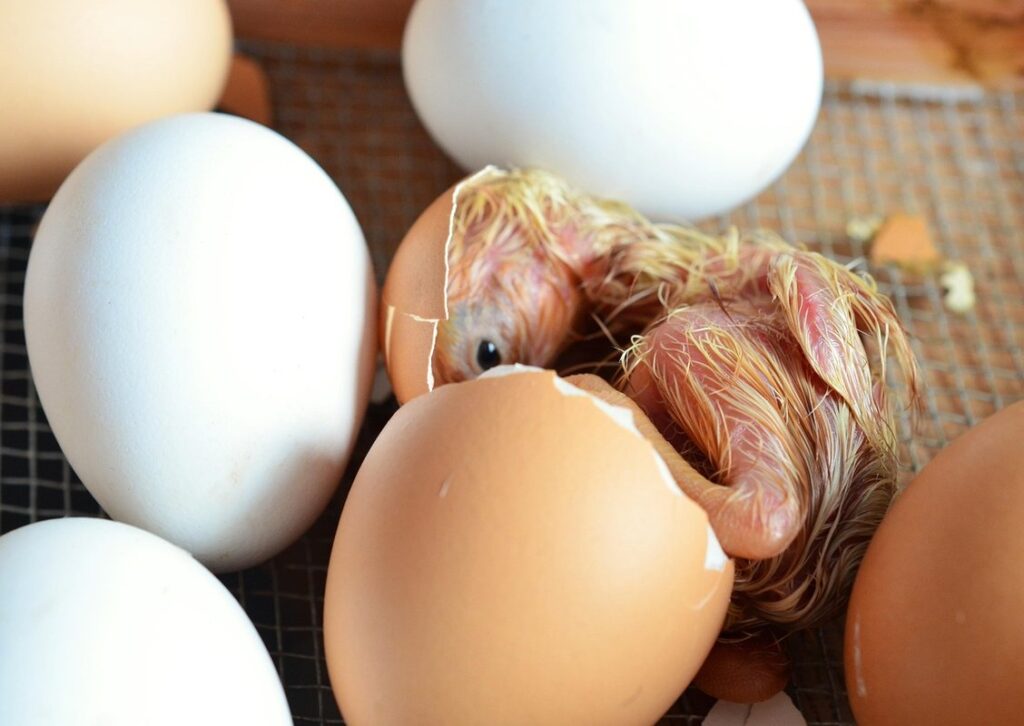
Understanding Hatch Rate Basics
To start off right, let’s break down the basics of hatch rates and what they mean for your chicken flock‘s overall health and productivity. We’ll explore the factors that affect these numbers.
Defining Hatch Rate and Its Importance
In poultry farming, hatch rate refers to the percentage of fertile eggs that successfully hatch into healthy chicks. It’s a critical metric for breeders and farmers as it directly affects their bottom line and overall profitability. A high hatch rate ensures that more chicks are available for sale or consumption, thereby generating revenue.
But why is hatch rate so crucial? Well, let’s do the math: if you’re incubating 100 eggs with an average hatch rate of 80%, you’ll get 80 live chicks. However, if your hatch rate falls to 60%, you’ll only have 60 live chicks. This drop in hatch rate can be a significant loss for breeders and farmers.
To put this into perspective, the global poultry industry is projected to reach $540 billion by 2025, with egg production being a major contributor. A higher hatch rate not only boosts individual farm profits but also supports the growth of the entire industry. As such, improving chicken hatch rates is a top priority for breeders and farmers seeking to remain competitive in this lucrative market.
To achieve optimal hatch rates, it’s essential to understand the factors that influence them, such as egg quality, incubation conditions, and breeding stock health.
Factors Affecting Hatch Rate
When it comes to improving chicken hatch rates, understanding the various factors that influence them is crucial. Breed, age of parents, nutrition, health, and environmental conditions are all significant contributors to a successful hatch.
The breed of chicken itself can play a substantial role in determining hatch rates. For instance, some breeds like Leghorns tend to have higher fertility rates compared to others. Similarly, the age of parents also affects hatch rates. Breeding stock between 18-24 months old tends to perform better than younger or older birds.
Nutrition is another critical factor affecting hatch rate. A well-balanced diet rich in essential nutrients ensures optimal reproductive health. Inadequate nutrition can lead to reduced fertility and lower hatch rates. Health issues, particularly those related to reproductive systems, also impact hatch success. Environmental conditions such as temperature fluctuations, humidity levels, and air quality can further affect hatch rates.
By understanding these factors, you can make informed decisions when selecting breeding stock, managing their diet, and maintaining a suitable environment for optimal hatch rates. Regular monitoring of your flock’s health and nutritional status will help you identify areas for improvement.
Breeding Stock Selection and Management
When it comes to improving hatch rates, choosing the right breeding stock is crucial. In this section, we’ll explore how to select and manage your flock for optimal reproduction results.
Selecting High-Quality Parent Stock
Selecting high-quality breeding stock is crucial to achieving high hatch rates. This is because parents with poor health, fertility issues, or genetic defects can significantly impact the quality and viability of their offspring. When selecting parent stock, look for birds that exhibit good physical condition, including clean plumage, firm breast muscles, and no visible signs of disease or injury.
It’s also essential to verify the fertility of potential breeding stock by checking for features such as a full vent (where males have a large, well-developed cloaca) and observing whether females are laying eggs regularly. Breeders can also assess fertility through artificial insemination or natural mating trials.
Moreover, consider the genetic diversity of your parent stock to minimize the risk of inbreeding depression, which can lower hatch rates. Select birds from reputable breeders who prioritize genetic integrity and have a good track record of producing high-quality offspring. By choosing healthy, fertile breeding stock with good genetics, you’ll be well on your way to improving your chicken hatch rates.
Nutrition and Health Programs for Parents
When it comes to improving chicken hatch rates, many breeders overlook one of the most crucial factors: nutrition and health management. A well-planned nutrition program can significantly enhance fertility, reduce stress, and promote overall well-being in breeding stock. Start by providing a balanced diet that meets the nutritional needs of your birds at different stages of their life cycle.
Ensure that your breeder flock is receiving adequate protein, energy, and essential vitamins and minerals. For example, adding calcium supplements to the feed can help support eggshell production and fertility. Moreover, provide fresh water and maintain optimal feeding practices to minimize stress caused by thirst or hunger.
In addition to nutrition, implementing a health program is also vital for improving hatch rates. Conduct regular health checks, monitor body condition scores, and implement vaccination programs as necessary to prevent diseases that can impact fertility. By prioritizing the nutritional needs and health of your breeding stock, you can create an environment conducive to optimal fertility and improved hatch rates.
Flock Management Practices
Effective flock management is crucial for improving chicken hatch rates, and good practices start from breeding stock selection to incubator maintenance. Let’s explore some essential techniques.
Biosecurity Measures for Reduced Disease Pressure
Effective biosecurity measures are crucial to reducing disease pressure in the flock. This not only improves the overall health of your chickens but also contributes significantly to increasing hatch rates. A clean and healthy environment is essential for optimal reproductive performance.
To minimize disease transmission, implement a thorough cleaning and disinfection protocol. Regularly remove soiled bedding, wash down all surfaces with a suitable disinfectant, and replace with new bedding material. Ensure that all equipment and tools are properly cleaned and disinfected before reusing them.
Isolate new birds from the main flock for at least 30 days to prevent disease transmission. Vaccination strategies should also be implemented to protect your flock against common diseases such as Newcastle and Infectious Bronchitis. Consult with a veterinarian to develop an effective vaccination plan tailored to your specific needs.
A robust biosecurity program can significantly reduce disease pressure, contributing to improved hatch rates. Regularly monitor your flocks for signs of illness and adjust your protocols accordingly. By combining effective biosecurity measures with other management practices, you’ll be well on the way to achieving healthier, more productive hens.
Stress Reduction Techniques for Improved Hatch Rates
Reducing stress on breeding flocks is crucial to improving hatch rates. When chickens are subjected to chronic stress, it can lead to a range of problems including decreased fertility, reduced egg production, and compromised immune function. This, in turn, can negatively impact the overall health and viability of embryos.
One effective way to reduce stress is through environmental enrichment. Providing adequate space for movement and exercise can help alleviate boredom and fatigue, both of which are significant contributors to stress. Consider implementing enrichment activities such as introducing new objects or toys into the coop, creating a dust bath area, or allowing chickens access to outdoor runs with grass and vegetation.
Social interaction management also plays a critical role in minimizing stress. Breeding flocks should be managed to ensure that birds have adequate space and are grouped in a way that minimizes aggression and competition for resources. This might involve rotating groups of birds through the coop, introducing new birds at a slow rate, or providing visual barriers to reduce stress caused by viewing other birds.
Exercise programs can also help mitigate stress by allowing chickens to engage in natural behaviors like pecking and scratching. These activities not only stimulate physical activity but also provide mental stimulation, which is essential for maintaining overall health and well-being.
Egg Collection and Storage
To ensure healthy hatch rates, it’s crucial to collect eggs from your flock regularly and store them properly to prevent damage and contamination. Effective egg collection and storage techniques can significantly impact hatch success.
Optimizing Egg Handling and Storage Conditions
When collecting eggs from the flock, it’s essential to handle them with care to minimize breakage and preserve fertility. Begin by gently placing a collection tray under each nesting box, allowing the hens to deposit their eggs freely. Use a soft-bristled brush or a clean cloth to sweep away any debris that may have accumulated on the boxes.
When collecting the eggs, make sure to handle them carefully, cradling them in one hand and supporting the egg’s length with your fingers. Avoid jostling or dropping the eggs, as this can cause breakage and reduce fertility. It’s also crucial to inspect each egg for any visible damage or cracks before storing them.
Storing eggs under optimal conditions is equally important. Keep the storage area cool (around 50°F to 55°F), dry, and well-ventilated. Store the eggs in a single layer, pointed end down, and make sure they’re not touching each other. This helps prevent breakage and maintains humidity levels, which is essential for maintaining fertility. Regularly clean and disinfect the storage area to prevent contamination.
By following these best practices, you can significantly reduce egg breakage and maintain high fertility rates, ultimately contributing to improved hatch rates.
Monitoring and Maintaining Egg Quality
Regular inspections are crucial to maintaining high-quality eggs that increase hatch rates. Start by checking for cleanliness – ensure eggs are free from dirt and debris. Cracks can significantly impact the chances of successful incubation, so closely examine each egg for any breaks or weaknesses.
When inspecting eggs, consider their position in the collection bin. Freshly laid eggs will be cleaner and have fewer visible imperfections. As eggs age, more often they become dirty due to bacterial contamination. Check temperature-controlled storage rooms regularly – ideal temperatures range from 55°F to 58°F (13°C to 14°C) for maintaining freshness.
When examining egg quality, assess the shape of the egg as well. Slightly pointed or asymmetrical shapes can indicate a problem with fertilization or incubation conditions in the hen house. Regularly checking eggs at collection reduces issues related to transport and storage that could lower hatch rates. Always handle eggs with care, keeping them away from light sources to prevent bacterial growth and maintain optimal humidity levels.
Inspecting eggs regularly is not just beneficial for maintaining egg quality; it’s also a valuable opportunity to monitor overall flock health and make adjustments as needed.
Incubation Best Practices
To achieve top-notch hatch rates, it’s crucial to focus on incubation techniques that create a precise and stable environment for your chicks to develop. This is where incubation best practices come into play.
Temperature and Humidity Control in Incubators
Maintaining precise temperature and humidity levels is crucial for successful incubation. Temperature fluctuations can affect embryonic development, leading to reduced hatch rates or even losses. A consistent temperature range of 99°F to 101°F (37°C to 38°C) is essential during the first 18 days of incubation.
Humidity control is equally important, particularly in the first 3 days when embryos are most vulnerable. Maintaining a humidity level of 50-60% will prevent water loss and ensure proper embryonic development. However, as the embryo develops, the humidity level should be gradually reduced to 30-40%.
Monitoring temperature and humidity levels can be done using thermometers and hygrometers placed inside the incubator. It’s also essential to maintain a clean and well-maintained incubation environment to prevent bacterial growth.
Regular checks on temperature and humidity readings will allow you to make adjustments as necessary. By maintaining precise control over these parameters, you’ll significantly reduce the risk of hatch rate failures and ensure healthier chicks at hatching.
Turning and Gassing Protocols for Optimal Hatch Rates
When it comes to achieving optimal hatch rates, turning and gassing protocols play a crucial role. The embryo’s development is highly sensitive to its environment, and proper management can make all the difference.
A recommended turning schedule involves rotating eggs at least 3-4 times per day during the first 7-8 days of incubation. This helps prevent adhesion of the embryo to the shell membrane and promotes even development. Some hatcheries advocate for a more frequent rotation schedule, while others argue that this can disrupt the delicate balance of the embryo’s environment. As a general rule, it’s essential to establish a consistent turning routine that works best for your specific setup.
Gas exchange protocols are equally vital in maintaining an optimal environment for embryonic development. A typical recommendation is to maintain a 10-15% oxygen level and 2-5% carbon dioxide concentration throughout the incubation period. However, this can vary depending on factors such as egg size, breed, and temperature. It’s essential to monitor these levels closely using specialized equipment and adjust them accordingly.
Regular monitoring of both turning schedules and gas exchange protocols will help you identify any issues that may be affecting your hatch rates. Be sure to keep detailed records of your incubation parameters, including temperature, humidity, and egg rotation frequency. This information will enable you to pinpoint potential areas for improvement and fine-tune your techniques accordingly.
To optimize these processes further, consider the following:
* Use a consistent turning schedule that suits your setup
* Monitor gas exchange levels regularly using specialized equipment
* Adjust oxygen and carbon dioxide concentrations based on specific breed or egg size requirements
* Maintain precise temperature control (around 99.5-100°F) during the last week of incubation when hatch rates are most sensitive
* Keep detailed records to track progress and identify areas for improvement
Remember, the key to achieving optimal hatch rates is consistency and attention to detail in your turning and gassing protocols. By implementing these strategies and monitoring their effectiveness, you’ll be well on your way to improving your chicken hatch rates.
Post-Hatch Care and Management
Now that you’ve successfully hatched your chicks, it’s time to focus on their post-hatch care and management, ensuring they grow strong and healthy. We’ll walk you through essential tips for optimal development.
Providing Optimal Brooding Conditions for Chicks
Providing optimal brooding conditions is crucial for healthy chick growth and development. When it comes to temperature control, the ideal range for chicks is between 90°F and 95°F (32°C to 35°C) for the first week of life. This can be achieved by using heat lamps or infrared heat emitters, but it’s essential to provide a way for the chicks to escape the heat if needed.
Ventilation management is also vital in brooding. Proper airflow helps prevent ammonia buildup and maintains a healthy humidity level. Aim for 1-2 air changes per hour, and ensure that the ventilation system is designed to handle the needs of your flock.
A well-planned feeding strategy is equally important. Chicks have different nutritional requirements at various stages of development. For example, starter feed should be 18-20% protein for the first week, increasing to 22-24% as they grow. Use a feeder that allows chicks to eat comfortably without overcrowding or wasting feed.
In addition, maintain a clean and dry brooding area by removing waste daily and disinfecting regularly. This will help prevent disease and promote healthy growth in your chicks.
Monitoring and Managing Chick Health
Monitoring chick health is an essential aspect of post-hatch care and management. It’s crucial to regularly inspect chicks for signs of illness or injury to ensure they receive prompt treatment if needed. Start by performing visual inspections at least twice a day, looking for symptoms such as labored breathing, lethargy, or unusual droppings. Also, check for any physical injuries, such as broken wings or legs.
In addition to visual inspections, maintain accurate records of chick health, including vaccination dates and any administered treatments. This will help you quickly identify potential issues and take corrective action if necessary. Implementing a treatment protocol in advance can save valuable time when dealing with an outbreak.
Some common signs of illness in chicks include respiratory problems, usually indicated by labored breathing or coughing. These symptoms often appear within the first few days after hatching. If you notice any unusual behavior or physical changes, don’t hesitate to seek advice from a veterinarian experienced in poultry health. Prompt attention can significantly reduce mortality rates and ensure optimal hatch rate improvement.
Frequently Asked Questions
What are some common mistakes to avoid when selecting breeding stock for improved hatch rates?
When choosing breeding stock, it’s easy to overlook the importance of genetics and bloodlines. To avoid this mistake, focus on purchasing from reputable breeders who have a proven track record of high-quality birds. Be cautious of buying from unknown or inexperienced sources, as their birds may not be optimal for your specific climate or management practices.
Can I still achieve good hatch rates if my incubator is older and doesn’t have all the latest features?
Yes, you can still achieve good hatch rates with an older incubator if it’s well-maintained and properly calibrated. However, consider upgrading to a modern incubator that includes advanced features like precise temperature control and automatic turning systems. These features can significantly improve hatch rates and reduce labor.
How often should I turn eggs during incubation, and what are the consequences of not doing so?
Turning eggs at least 2-3 times per day is essential for even development and preventing embryo malposition. Failure to do so can lead to reduced hatch rates, stuck chicks, or worse – embryo death. Make sure your incubator has a reliable turning system or perform manual turns regularly.
What are some signs that my chick’s brooding conditions may not be optimal?
Watch out for signs like lethargy, difficulty breathing, or increased mortality among chicks. These could indicate inadequate brooding temperature (too cold or too hot), poor ventilation, or inadequate feeding and watering systems. Regularly inspect your brooder to ensure it’s providing the best environment for your chicks.
Can I mix different breeds of chicken together to improve hatch rates?
No, mixing breeds can actually lead to reduced hatch rates due to genetic compatibility issues. Breeds with similar characteristics and temperaments tend to perform better when bred together. Consider sticking with a single breed or selecting compatible breeding pairs from reputable sources.