
If you’re an aspiring backyard farmer or simply curious about the fascinating world of chickens, you’re probably wondering: how many eggs can one chicken lay in a day? The answer is not as straightforward as you might think. While some breeds are prolific egg-layers, producing up to 300 eggs per year, others may only manage a few dozen. But what factors influence a chicken’s daily egg-laying capacity? In this article, we’ll dive into the essential elements that impact a flock’s production, from breed and nutrition to environment and health. By understanding these key influencers, you can optimize your flock’s performance and get the most out of their eggs. Whether you’re looking to boost your farm’s income or simply want to know more about chicken behavior, this article will give you expert tips to help you achieve your goals.
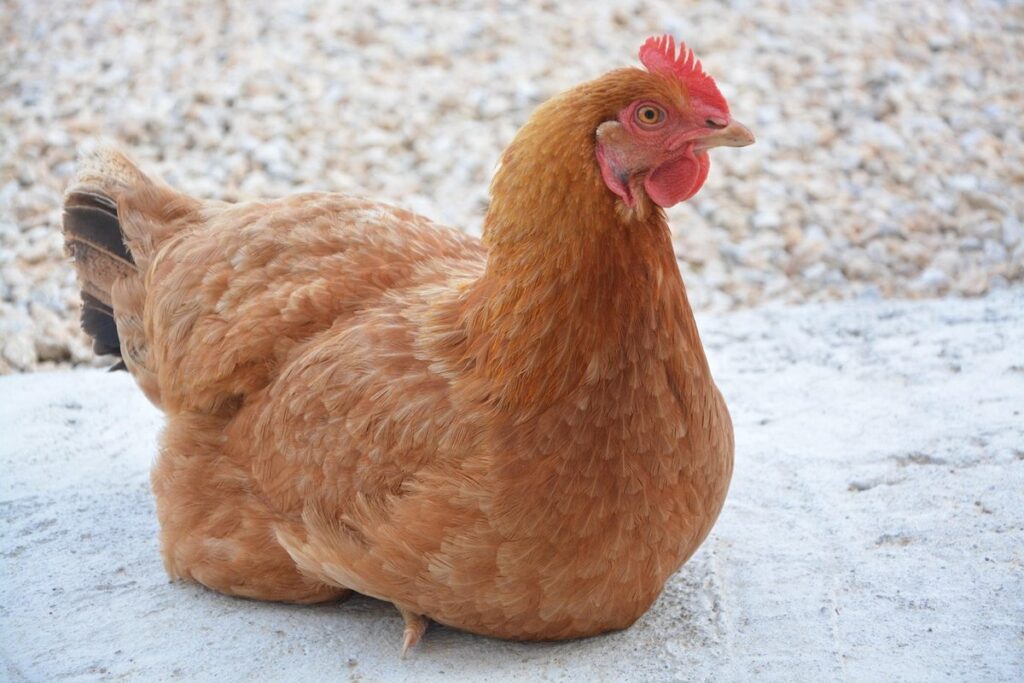
Understanding Chicken Egg Production
Let’s dive into the fascinating world of chicken egg production and explore how many eggs a single hen can lay in a day, which is actually quite remarkable!
Factors Affecting Egg Laying
When it comes to egg laying, you’ll want to consider several key factors that can impact your chicken’s production. Let’s dive into some of the most influential ones.
First and foremost, breed plays a significant role in determining how many eggs your chicken will lay in a day. Some breeds, such as Leghorns, are prolific layers and can produce up to 300 eggs per year, while others, like Orpingtons, may only lay around 200. This means that if you’re looking for high egg production, it’s essential to choose the right breed.
Age is another critical factor affecting egg laying. Chickens typically start laying eggs at around 18-24 weeks of age, and their production will peak between 1-3 years old. After this point, their output will gradually decline. Nutrition also plays a vital role, with adequate protein and calcium intake necessary for healthy egg production.
Lastly, health issues can significantly impact your chicken’s ability to lay eggs. Respiratory problems, parasites, or injuries can all cause stress, leading to reduced or stopped laying altogether. Regular check-ups and vaccinations are essential to maintaining your flock’s overall health and well-being.
Normal vs Abnormal Egg Laying Patterns
When it comes to egg-laying patterns, not all hens are created equal. Some may lay eggs regularly, while others may experience irregularities or even stop laying altogether. What constitutes a normal versus abnormal egg-laying pattern?
A hen’s egg-laying ability is influenced by her breed, age, nutrition, and overall health. Leghorns, for example, are bred specifically for their high egg production and can lay up to 300 eggs per year. On the other hand, some heritage breeds may only lay around 100-150 eggs per year. As hens mature, their egg-laying abilities naturally decline. A typical laying cycle lasts about a year, after which the hen will take a break before starting again.
Abnormal patterns can be caused by various factors, such as stress, lack of proper nutrition, or health issues like molting or reproductive problems. If you notice your hen’s egg production has decreased or stopped altogether, it’s essential to investigate and address any underlying causes. Regular check-ups with a veterinarian and providing optimal care can help identify and resolve any issues, ensuring your hens remain healthy and productive throughout their laying cycle.
Chicken Breed and Egg Production
Let’s dive into the different chicken breeds, each with its own unique egg-laying abilities, to help you estimate how many eggs your flock will produce daily. This section covers popular breeds and their average daily output.
Popular Breeds Known for High Egg Yield
When it comes to high egg yield, some chicken breeds stand out from the rest. If you’re looking to maximize your daily egg production, consider introducing Leghorns into your flock. These Italian natives are renowned for laying up to 300 large brown eggs per year, which translates to around 4-5 eggs per week or approximately 1 egg every 24 hours.
Another top contender is the Rhode Island Red, a hardy and prolific layer that can produce up to 200 large brown eggs annually. That’s roughly 2-3 eggs per day! They’re also known for their friendly and docile nature, making them an excellent choice for backyard flocks.
Last but not least, we have the Barred Rock, a reliable and consistent layer that can produce up to 200 large brown eggs each year. With proper care and nutrition, these birds can lay around 2-3 eggs daily, making them a popular choice among chicken keepers. When choosing breeds for high egg production, remember to consider factors such as climate, feed quality, and overall flock management to ensure optimal results.
Breeds with Low or Variable Egg Production
If you’re expecting to collect eggs from your backyard flock daily, it’s essential to understand that not all breeds are created equal when it comes to egg production. While many popular chicken varieties can lay several eggs per day, there are some breeds known for laying fewer eggs due to their size, temperament, or historical purpose.
For instance, Orpingtons are a beloved breed for their gentle nature and stunning plumage, but they’re not exactly prolific layers. They typically produce around 200-220 brown eggs per year, which works out to about 5-6 eggs per month. If you’re expecting daily deliveries from your Orpingtons, you might be disappointed.
Another example is the Silkie breed, prized for their unique appearance and soft feathers. Silkies are known to lay only a few small white eggs per week, making them more suitable as pets than egg-layers. They’re not alone in this category – other breeds like the Polish, Houdan, and Brahma also tend to produce fewer eggs.
If you’re considering adding one of these low-egg producers to your flock, be aware that you may need to adjust your expectations. You can still enjoy their companionship and unique characteristics without relying on them for a steady egg supply.
Nutrition and Egg Production
When it comes to egg production, nutrition plays a crucial role in determining how many eggs your chicken will lay each day. We’ll explore the essential nutrients that impact egg-laying.
Essential Nutrients for Optimal Egg Laying
For optimal egg laying, chickens require a balanced diet rich in essential nutrients. One of the most critical minerals is calcium, which plays a vital role in building strong eggshells. A deficiency in calcium can lead to soft-shelled eggs or even stop egg production altogether. Ensure that your flock receives adequate calcium through oyster shells or crushed eggshells added to their feed.
Another crucial nutrient is protein, which accounts for about 20% of the chicken’s diet. Laying hens require a minimum of 16% protein in their feed to maintain optimal egg production. Without sufficient protein, chickens may experience reduced egg size, weight, and frequency. To boost protein levels, consider adding high-protein ingredients like mealworms or sunflower seeds to your flock’s diet.
Vitamins A, D, and E are also vital for maintaining healthy reproductive systems in chickens. Vitamin A supports the development of eggs while vitamin D helps regulate calcium absorption. Vitamin E acts as an antioxidant, protecting against cell damage and supporting overall health.
Balancing Diet for High Egg Yield
When it comes to achieving high egg production, providing a balanced diet is crucial. The key is to offer a mix of grains, proteins, and supplements that cater to the nutritional needs of your flock. Aim for a ratio of 70-80% grains (such as oats or barley) to 20-30% proteins (like soybean meal or fishmeal). This balance ensures your hens receive essential amino acids, vitamins, and minerals.
To optimize this diet further, consider adding supplements such as calcium and phosphorus to support strong eggshell development. A good quality layer feed can also provide these nutrients in the right proportions. However, be cautious not to over-supplement, as this can lead to imbalances and health issues.
Clean water is equally important for maintaining high egg production. Ensure access to fresh, clean drinking water at all times. Stress can significantly impact egg production, so it’s essential to create a stress-free environment. This includes providing adequate space, shelter, and proper ventilation in the coop. By getting these basics right, you’ll be well on your way to achieving optimal egg yields from your flock.
Environmental Factors Influencing Egg Laying
Let’s dive into what affects a chicken’s daily egg-laying capacity, and we’ll explore how environmental factors play a crucial role in determining the number of eggs they produce.
Impact of Light and Darkness on Egg Production
Chickens’ circadian rhythms play a crucial role in regulating their egg-laying patterns. Light exposure, whether natural or artificial, has a significant impact on these rhythms. When daylight hours are sufficient, chickens tend to follow a normal diel rhythm, which means they’re most active during the day and less so at night. However, when days get shorter or lights are artificially manipulated, their internal clock is disrupted.
Artificial lighting can either promote or hinder egg production depending on its duration and intensity. For instance, providing 14 hours of supplemental light daily can stimulate chickens to lay more eggs, but if the light cycle becomes irregular, it may lead to reduced egg production. On the other hand, a complete lack of artificial lighting during winter months can result in significant declines in egg-laying rates.
Backyard farmers can adopt several strategies to optimize their flock’s lighting conditions for better egg yields. These include installing timers or automated systems that provide consistent and regular light cycles throughout the year. Some farmers also experiment with photoperiodic manipulation, adjusting the duration of artificial lighting based on seasonal changes.
Temperature and Humidity Effects on Egg Laying
When it comes to egg laying, environmental factors play a significant role in determining how many eggs your chicken will produce. Temperature and humidity levels are two crucial elements that can either promote healthy egg production or hinder it. Extreme heat and cold temperatures can stress your chickens, leading to reduced egg laying.
In hot climates, chickens may experience heat stress when the temperature exceeds 90°F (32°C). This can cause them to pant excessively, which leads to dehydration and reduced egg production. On the other hand, extremely cold temperatures can also impact egg laying. Chickens are most comfortable in temperatures between 40°F (4°C) and 80°F (27°C).
Maintaining optimal humidity levels is also crucial. High humidity can lead to fungal infections, while low humidity can cause respiratory issues. Aim for a relative humidity of 50-60% in your coop. To achieve this, ensure proper ventilation and consider using a dehumidifier or fan during hot months.
You can promote healthy egg production by providing shade, insulation, and adequate airflow in your coop. This will help regulate temperature fluctuations and maintain optimal humidity levels, ultimately leading to better egg laying results. By taking care of these environmental factors, you’ll be well on your way to maximizing your chicken’s potential egg production.
Health Factors Affecting Egg Laying
Let’s take a closer look at what affects your chicken’s ability to lay eggs, from age and health issues to nutrition and living conditions. These factors play a big role in determining egg production.
Common Health Issues Affecting Egg Production
As a chicken owner, it’s essential to be aware of common health issues that can affect egg production. Reproductive disorders are one of the primary causes of reduced or ceased egg laying in chickens. For example, conditions like egg yolk peritonitis and oviductal prolapse can lead to significant decreases in egg production. Regular veterinary check-ups can help identify these issues early on.
Parasites such as mites, lice, and internal worms can also impact a chicken’s ability to lay eggs. Maintaining good hygiene in the coop is crucial in preventing infestations. Keep the coop clean by removing droppings regularly, and disinfecting surfaces with a solution of 1 part white vinegar to 9 parts water. This simple step can go a long way in keeping your flock healthy.
In addition to these issues, diseases like respiratory infections and vitamin deficiencies can also affect egg production. Regular veterinary check-ups and a balanced diet rich in nutrients can help prevent or mitigate these problems. By staying on top of your flock’s health, you can minimize the risk of reduced or ceased egg laying due to illness or disease.
Managing Stress for Optimal Egg Laying
When it comes to egg laying, managing stress is crucial for your hens’ overall health and productivity. Overcrowding, predator threats, and high noise levels can all contribute to chronic stress, which can have a significant impact on egg production.
Chickens need space to roam and forage comfortably, so avoid overcrowding their coop or run. Aim for at least 3-4 square feet of floor space per bird inside the coop, and make sure they have plenty of room to move around outside. If you live in an area with high predator activity, consider investing in a sturdy coop or enclosure that can protect your birds.
Noise levels can also be a stressor for chickens, so keep their living environment as quiet as possible. Avoid placing the coop near busy roads or noisy neighbors, and consider adding some soothing sounds like running water or calming music to create a peaceful atmosphere.
By creating a stress-free environment, you’ll be supporting your hens’ overall well-being and egg-laying potential. For example, one study found that chickens living in a low-stress environment produced 10% more eggs than those living in high-stress conditions.
How to Monitor and Record Egg Production
To accurately track your flock’s egg-laying habits, you’ll need a reliable system for monitoring and recording their daily production. Let’s take a look at how to set up an effective tracking process.
Keeping Track of Daily Egg Yield
Monitoring daily egg production is crucial for understanding individual hens’ strengths and weaknesses. By tracking their egg yields, you’ll be able to identify which hens are laying more eggs than others, and which ones might need a little extra attention.
To keep track of your chickens’ daily egg production, consider keeping a log or using specialized software. A daily log is as simple as writing down the number of eggs laid by each hen every morning. You can use a spreadsheet or even a sticky note on your fridge to get started. This will help you identify any fluctuations in egg production over time.
For example, let’s say you have 5 hens and notice that one of them has suddenly stopped laying as many eggs. By reviewing your log, you might realize that this hen was due for a molting cycle or needs more calcium in her diet. On the other hand, if you notice that another hen is consistently producing more eggs than the others, you can adjust their feed to see if it makes a difference.
Using specialized software like Chicken Keeper or EggTrack can also make tracking egg production a breeze. These programs allow you to input data on each hen’s weight, breed, and feeding schedule, as well as track egg yields over time. This information can help you identify trends and make informed decisions about your flock’s care.
Identifying Trends in Egg Laying Patterns
As you collect data on your chickens’ daily egg production, you’ll start to notice patterns emerging. This is where analyzing recorded data becomes crucial – it helps you identify trends in their egg-laying habits. For instance, you might find that your hens tend to lay more eggs in the morning or that they have a peak production period around 6-8 weeks of age.
Looking at these trends can inform decisions on breeding and selection. If you notice a particular breed consistently produces more eggs during a specific time frame, it may be worth considering them for future breeding purposes. On the other hand, if your chickens seem to have a dip in production during winter months, adjusting their nutrition or providing additional lighting could help boost their egg output.
By examining these trends and making data-driven decisions, you can optimize your flock management practices and create an environment that supports maximum egg production. For example, ensuring adequate space and ventilation for your hens or rotating their feed to maintain optimal nutrition levels.
Conclusion: Maximizing Egg Yield with a Balanced Approach
To maximize egg yield with a balanced approach, consider the individual needs of your flock. A healthy diet rich in nutrients is essential for optimal egg production. Make sure to provide fresh water and adequate space for exercise, as these factors greatly impact egg laying. For example, a study found that hens given access to 10 hours of daylight produced significantly more eggs than those with limited light exposure.
A balanced approach also includes providing supplements tailored to your flock’s needs, such as calcium or omega-3 rich foods. Consider adding a layer feed specifically formulated for the age and breed of your chickens. By addressing individual needs and providing optimal living conditions, you can see an average increase in egg production by 10-20%. Regularly monitoring your flock’s health and adjusting their care accordingly will also help maximize egg yield.
Frequently Asked Questions
How can I apply the information from this article to a small flock of chickens?
You can start by selecting breeds that are known for high egg production, such as Leghorns or Rhode Island Reds. Make sure to provide a balanced diet and optimal living conditions, including adequate light and ventilation. Monitor your flock’s production regularly to identify any trends or issues that may impact egg laying.
What if I notice that my chicken’s egg-laying pattern changes suddenly?
Yes, sudden changes in egg production can be caused by various factors such as stress, health issues, or changes in lighting or temperature. Check for signs of illness or injury and provide a nutritious diet to support their well-being. If the issue persists, consult with a poultry expert or veterinarian for professional guidance.
How do I determine if my chicken’s egg-laying is within the normal range?
Compare your flock’s production to breed-specific averages, taking into account factors like age, nutrition, and environment. Keep accurate records of daily egg yield and monitor trends over time to identify areas for improvement. Consider consulting with a poultry expert or using online resources to determine average production rates for your breeds.
Can I use supplements to boost my chicken’s egg production?
While some supplements may claim to enhance egg laying, there is limited scientific evidence supporting their effectiveness. Focus on providing a balanced diet that includes essential nutrients like calcium, protein, and vitamins. Consult with a poultry expert or veterinarian before adding any supplements to your flock’s diet.
How often should I collect eggs from my chicken coop?
Collect eggs daily to prevent breakage and ensure cleanliness. Regular collection also helps you monitor egg production and identify any issues early on. Consider using an automated egg collector or a schedule to make the task more manageable, especially for larger flocks.