
If you’re like most backyard chicken enthusiasts, you know that there’s nothing quite as satisfying as collecting fresh eggs from your own coop. But have you ever wondered how to maximize your chickens’ egg-laying potential? Choosing the right breed, ensuring they receive the best nutrition, and understanding common challenges are just a few key factors in getting the most out of your flock. In this article, we’ll dive into the secrets of successful egg laying, covering everything from selecting breeds that excel at laying eggs to tips for collecting and storing fresh eggs safely. Whether you’re a seasoned chicken keeper or just starting out, our expert advice will help you optimize your chickens’ egg-laying potential and enjoy a bounty of delicious, healthy eggs straight from your own backyard.
The Biology of Egg Laying
Let’s dive into the fascinating process of how chickens produce eggs, a remarkable feat that involves intricate biology and complex physiological processes. This is where it all begins: the formation of an egg in your backyard flock’s reproductive system.
How Hens Develop Ovaries and Lays Eggs
As hens mature, their reproductive system begins to develop. The ovaries, specifically the left ovary, start to produce yolks that will eventually become eggs. This process is controlled by a complex interplay of hormones, primarily estrogen and progesterone, which regulate the reproductive cycle.
In a healthy hen, the reproductive cycle typically lasts around 24-26 hours. During this time, the ovaries release a yolk from the Graafian follicle, which is then released into the oviduct for further development. The oviduct is divided into four sections: the infundibulum, where the yolk enters; the magnum, where egg white production occurs; the isthmus, where pigmentation and shell formation take place; and the vagina, where the final egg is formed.
As hens cycle through these stages, their bodies prepare for potential fertilization. However, in most backyard flocks, eggs are laid unfertilized due to the absence of roosters. This natural process is essential for understanding why hens lay eggs, and by grasping this biological foundation, you’ll be better equipped to manage your flock’s reproductive health and optimize egg production.
Factors Influencing Egg Production in Chickens
When it comes to egg production, several factors come into play. Breed is one of the most significant influencers, as certain breeds are naturally more productive than others. For instance, Leghorns can lay up to 300 eggs per year, while Orpingtons may only produce around 200.
Age is another crucial factor. Chickens typically begin laying eggs at around 18-24 weeks of age, with production peaking between one and two years old. As chickens get older, their egg-laying abilities gradually decline.
Nutrition also plays a vital role in determining egg production. A balanced diet rich in protein, calcium, and other essential nutrients is essential for optimal egg laying. Inadequate nutrition can lead to reduced egg production, while over-supplementation with certain vitamins or minerals can cause health problems.
Light exposure is another important consideration. Chickens need around 14 hours of daylight to produce eggs efficiently, which is why many backyard flocks supplement their natural light with artificial lighting during the winter months.
Maintaining good health is also essential for optimal egg production. Common health issues like mites, lice, and respiratory problems can significantly impact a chicken’s ability to lay eggs. Regular health checks and preventative measures can help mitigate these risks.
Understanding the Different Stages of Egg Development
As you care for your backyard flock, it’s essential to understand how eggs develop from tiny yolks to fully formed, edible delights. Let’s explore the stages of egg formation.
Broodiness: The Stage Where Hens Incubate Eggs
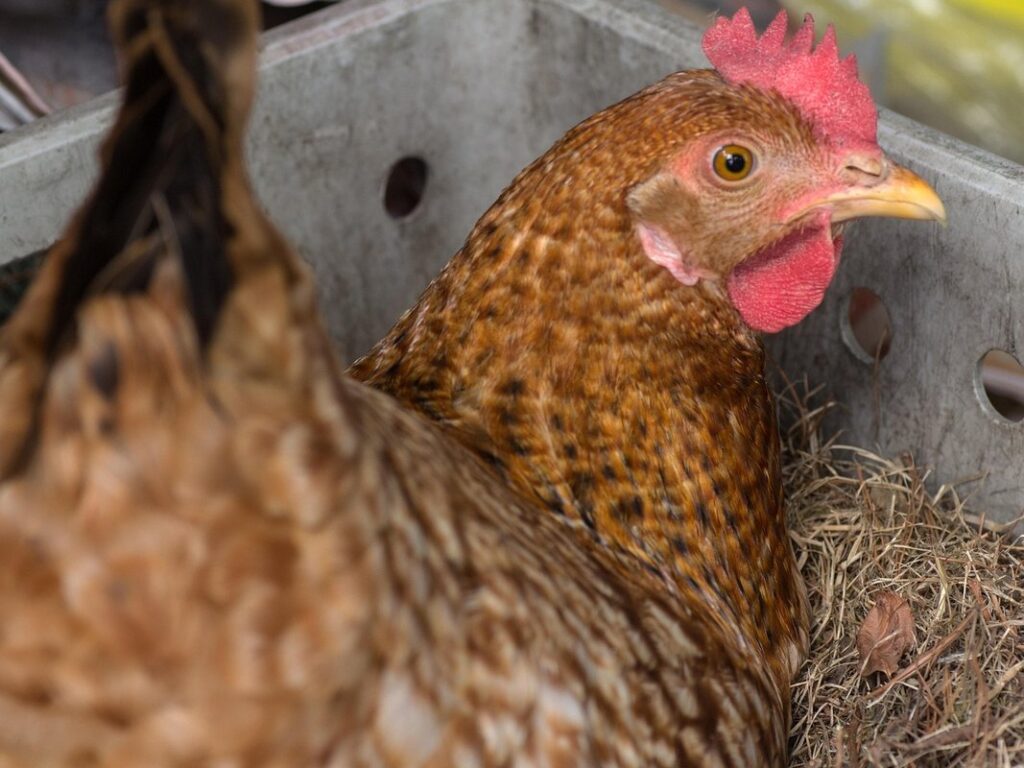
As hens reach the stage of broodiness, their behavior undergoes significant changes. A broody hen’s primary focus shifts from laying eggs to incubating them, and she becomes increasingly attentive to her own eggs or those of other females in the flock. During this period, she stops laying eggs altogether and dedicates herself to ensuring the fertile eggs under her care receive optimal conditions for development.
Some common signs of a broody hen include frequent visits to the nesting box, where she’ll often go without eating or drinking. She may also become aggressive if you attempt to remove her from the nest, as she’s now fiercely protective of her eggs. If you’re keeping multiple hens, it’s essential to separate your broody bird to prevent her from interfering with the other females’ reproductive cycles.
If you want to encourage a hen that’s showing signs of broodiness to return to laying eggs, try separating her from the rest of the flock for a few weeks. Provide her with a nutritious diet and plenty of exercise, as these factors can also help stimulate egg production.
Egg Yolk Formation and White Production
When it comes to egg production, understanding how egg yolks and whites are formed is crucial for backyard flock owners. The formation of these two essential components involves a complex interplay of nutrients, vitamins, and minerals.
The yolk, which makes up about 30% of the egg’s content, is rich in protein, fats, and cholesterol. It’s produced in the hen’s ovaries, where a yolk cell (a combination of nutrient-rich cells) grows into a mature yolk. This process is influenced by factors like age, breed, and nutrition. A balanced diet that includes sufficient calcium, phosphorus, and vitamin D helps promote strong eggshell production and supports yolk formation.
The white, also known as albumen, makes up the remaining 70% of the egg’s content. It’s produced in the hen’s uterus, where a mixture of water, proteins, and other substances coagulate to form the clear liquid we see in an egg. Adequate levels of protein, vitamins B5 and B12, and minerals like copper and zinc are essential for white production.
For backyard flock owners, ensuring their hens receive a balanced diet that meets these nutritional requirements is key to healthy egg production. Consider adding supplements or adjusting feed amounts based on your flock’s age, breed, and health status. By understanding the intricacies of yolk and white formation, you’ll be better equipped to provide optimal care for your chickens and promote a thriving backyard flock.
Tips for Maximizing Egg Laying Potential in Your Backyard Flock
To get the most out of your backyard flock, you’ll want to focus on providing a healthy and stimulating environment that encourages your hens to lay as many eggs as possible. This section offers practical advice to help you achieve peak egg production.
Nutrition and Vitamins Essential for Healthy Egg Production
To maximize egg laying potential in your backyard flock, it’s essential to provide them with a nutrient-rich diet that includes key vitamins and minerals. Let’s dive into the crucial nutrients required for healthy egg production.
Calcium is one of the most critical components for building strong eggshells. Laying hens need about 2-3% calcium in their diet to maintain bone health and prevent shell defects. Include a variety of dark leafy greens like kale, spinach, and collard greens in your flock’s feed or provide crushed oyster shells as a source of calcium.
Protein requirements are equally vital for optimal egg production. Laying hens need about 16-18% protein in their diet to support muscle growth, maintenance, and feather upkeep. Incorporate high-protein foods like mealworms, sunflower seeds, and flaxseeds into your flock’s feed or supplement with commercial laying pellets.
Vitamin D3 is also essential for calcium absorption and bone health. Natural sources of vitamin D3 include sunlight exposure and dietary sources like fish oil and egg yolks. Ensure your flock has adequate access to sunlight (at least 14 hours per day) or provide supplements during the winter months when natural light is scarce.
Other key vitamins that support healthy egg production include vitamin A, vitamin E, and B-complex vitamins. Include foods rich in these nutrients like sweet potatoes, carrots, and alfalfa meal in your flock’s feed. Maintain a balanced diet with a mix of grains, proteins, fruits, and vegetables to ensure overall health and well-being.
Remember that individual nutritional needs may vary depending on factors like breed, age, and climate. Consult with a veterinarian or poultry expert to determine the best dietary plan for your backyard flock.
Common Challenges to Egg Laying in Chickens
As you work towards maximizing your flock’s egg production, it’s essential to understand the common challenges that can impact their ability to lay eggs regularly. Stress, nutrition, and health issues are often at the root of these problems.
Heat Stress, Mites, and Other Pests Affecting Flocks
Heat stress can be a significant challenge for egg-laying hens, especially during hot summer months. Prolonged exposure to high temperatures can cause them to pant excessively, leading to dehydration and decreased egg production. In fact, research has shown that even mild heat stress can reduce egg production by up to 30%. To mitigate this issue, it’s essential to provide your flock with adequate shade, ventilation, and access to cool water at all times.
Another common challenge facing backyard flocks is the presence of external parasites such as mites. These tiny creatures feed on the blood of chickens, causing discomfort, stress, and decreased egg production. To manage mite infestations, it’s crucial to inspect your flock regularly for signs of mites and take prompt action if necessary. This may involve using a medicated powder or spray specifically designed to control mite populations.
Other external factors that can impact egg laying include poor nutrition, inadequate lighting, and stress caused by changes in environment or social hierarchy. For example, introducing new birds to an existing flock can cause significant stress, leading to decreased egg production and even health issues. To minimize the risk of these challenges, it’s essential to provide a balanced diet, ensure adequate light exposure (ideally 14 hours per day), and maintain a stable and calm environment for your flock.
Some practical tips for managing heat stress include:
• Providing plenty of fresh water at all times
• Offering deep litter or sand bedding to help regulate temperature
• Encouraging dust baths as a natural cooling mechanism
• Limiting direct sunlight exposure during peak hours
Best Practices for Collecting, Storing, and Handling Fresh Eggs
When collecting fresh eggs from your backyard flock, proper handling is crucial to ensure their quality and safety. This involves gentle gathering, careful storage, and precise temperature control.
Cleaning, Packaging, and Labeling for Optimal Quality Control
Collecting eggs from your backyard flock requires attention to detail and proper handling techniques. First, let’s discuss collection methods. It is recommended that you collect eggs at least twice a day, preferably early morning and late afternoon, when the hens are most active. Use clean and dry hands to handle the eggs, avoiding any oils or lotions that may transfer residue to the eggshell.
When collecting eggs, it’s essential to do so gently to prevent cracking or breakage. You can use a carton or basket specifically designed for collecting eggs, which helps maintain their cleanliness and prevents damage. When transferring eggs from the coop to storage, make sure they are in an upright position to prevent any potential leakage of contents.
Storage conditions also play a critical role in maintaining egg quality. Store collected eggs in a cool, dry place with consistent temperatures between 39°F and 50°F (4°C and 10°C). Avoid storing eggs near strong-smelling foods or chemicals, as odors can transfer to the eggs through the porous shell.
Labeling your stored eggs is crucial for tracking collection dates and ensuring proper rotation. Use a permanent marker to label each carton with the date it was collected, along with any additional relevant information such as batch numbers or storage locations.
Proper labeling also helps in organizing egg collections more efficiently. You can categorize eggs by collection date, size, or even breed. This organization system will enable you to easily identify which eggs are oldest and should be consumed first.
Conclusion: Maximizing the Potential of Your Backyard Flock
As you’ve now gained a deeper understanding of egg production in your backyard flock, it’s time to put this knowledge into action. By providing optimal living conditions, nutrition, and healthcare for your chickens, you’ll be able to maximize their potential and reap the rewards of fresh eggs from your own yard. Regularly monitoring feed intake, water quality, and coop cleanliness will help ensure a healthy environment. Don’t forget to collect eggs daily to encourage hens to continue laying regularly – a full egg basket is a sure sign that everything is running smoothly! By following these simple tips and staying attuned to the needs of your flock, you’ll be able to enjoy an abundance of fresh, delicious eggs for years to come.
Frequently Asked Questions
Can I expect my chickens to start laying eggs immediately after introducing them to the coop?
Yes, it’s common for young hens to take around 18-24 weeks before they begin laying eggs consistently. Factors like breed, nutrition, and health can influence this timeline.
How do I know if my hen is experiencing heat stress or nutritional deficiencies that affect egg production?
Monitor your flock closely for signs of heat stress (panting, lethargy) and nutritional deficiencies (loss of feathers, pale combs). Ensure adequate shade, ventilation, and nutrition to mitigate these issues. Consult a veterinarian or poultry expert for guidance.
Can I use supplements or additives in the feed to boost egg production?
Yes, certain supplements like oyster shells (calcium) and vitamins can support healthy egg production. However, over-supplementation can lead to negative consequences. Always consult with a veterinarian or experienced breeder before adding any supplements to your flock’s diet.
How do I handle broodiness in my laying hens? Should I intervene?
Yes, if you notice one of your hens becoming overly focused on incubating eggs (broodiness), it’s best to separate her from the rest of the flock and provide a safe environment for her to care for her eggs. Intervening too early can lead to stress and reduce future egg production.
What are some common pests that affect flocks, and how do I prevent them?
Pests like mites, lice, and rodents can all impact your flock’s health and egg production. Regular cleaning, providing a balanced diet, ensuring adequate coop ventilation, and using integrated pest management strategies can help minimize these risks. Consult with a poultry expert for tailored advice on managing specific pests in your area.