
When it comes to raising chickens, few things are as crucial as achieving high fertility levels. But have you ever wondered how eggs get fertilized in the first place? The process is more complex than you might think, and understanding it can be key to creating a healthier flock. From the intricate steps of ovary production to the careful art of artificial insemination, there’s a lot that goes into ensuring your hens’ eggs are fertile. In this article, we’ll take a closer look at the intricacies of egg fertilization in chickens and explore ways to improve fertility levels. Whether you’re an experienced farmer or just starting out, you’ll learn how to boost your flock’s chances of success and produce healthier, more viable eggs.
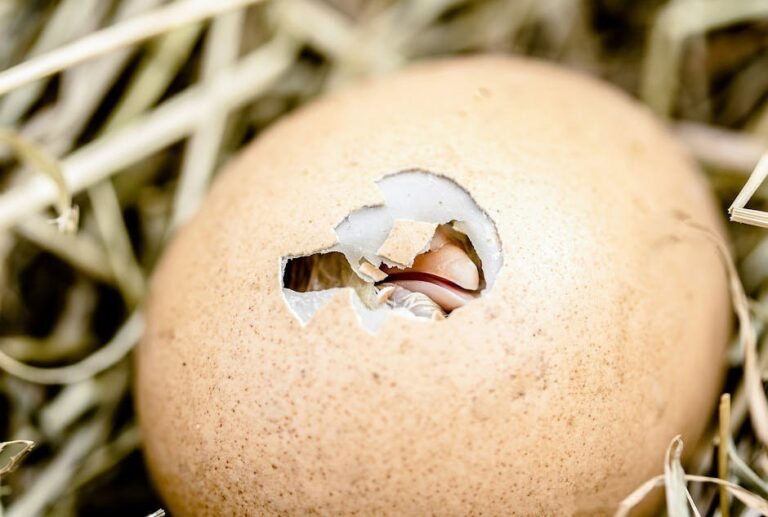
The Basics of Egg Production
Before we dive into the intricacies of egg fertilization, it’s essential to understand the basic process by which chickens produce eggs. This includes factors like breed, nutrition, and overall health.
How Chicken Ovaries Produce Eggs
Chicken ovaries are incredibly efficient at producing eggs, with some breeds capable of laying up to 300 eggs per year. The process begins when a yolk is released from the ovary, traveling through a narrow tube called the oviduct before entering the uterus.
Here’s where hormones come in: estrogen and progesterone play crucial roles in egg production. Estrogen triggers the formation of the yolk, while progesterone helps the egg move through the reproductive tract. The anatomy of a chicken’s reproductive system is designed for high productivity – a single ovary can produce multiple yolks at once.
It’s worth noting that chickens have two ovaries, but only one is functional in most breeds. This means that even if you’re raising chickens for eggs, not all will be laying fertile eggs. However, with proper care and nutrition, you can encourage your flock to lay healthier, more fertile eggs. To optimize egg production, ensure your chickens are getting enough calcium and a balanced diet – this will help support their reproductive health and fertility.
Characteristics of Fertile vs. Infertile Eggs
When it comes to egg production, not all eggs are created equal. One crucial distinction lies between fertile and infertile eggs, which significantly impacts the reproductive cycle of chickens. To identify whether an egg is fertile or infertile, you’ll need to consider its characteristics.
A fertile egg typically has a more rounded shape, with a slightly larger size compared to an infertile one. The coloration on the eggshell can also serve as a distinguishing factor: fertile eggs often exhibit a deeper, richer brown hue, while infertile eggs tend to have a lighter or duller appearance. However, it’s essential to note that these characteristics alone are not foolproof indicators of fertility.
An egg becomes fertile when it is successfully fertilized by sperm from the rooster during ovulation. This process typically occurs within 24 hours of laying and depends on various factors such as the chicken’s age, breed, nutrition, and overall health. To increase your chances of obtaining fertile eggs, ensure that your flock has a suitable ratio of hens to roosters and provide optimal living conditions.
In contrast, infertile eggs are either laid by chickens without access to a rooster or result from failed fertilization attempts. These eggs can still be useful for other purposes like baking or decoration, but they will not contain developing embryos.
The Role of Males in Egg Fertilization
Now that we’ve explored how eggs develop and are laid, let’s dive into what happens when a rooster is involved: the role males play in fertilizing eggs. This process may seem straightforward, but there’s more to it than you might think.
Sperm Production and Storage in Roosters
When it comes to egg fertilization, roosters play a crucial role. But have you ever wondered how they produce sperm and store it within their reproductive system? Let’s dive into the details.
Roosters have a pair of testes located near the kidneys, which produce sperm cells through a process called spermatogenesis. This process is influenced by the hormone testosterone, which stimulates the production of sperm. In fact, testosterone levels in roosters peak around 6-12 months of age, coinciding with their ability to fertilize eggs.
The testes are surrounded by a network of ducts and seminiferous tubules where sperm cells mature and mature. Mature sperm cells then pass through the vas deferens and into the cloaca, where they mix with seminal fluids before being ejaculated during mating.
In terms of storage, roosters have a unique reproductive system that allows them to store sperm for extended periods. They can produce multiple ejaculations in quick succession, each containing millions of sperm cells. This ability is essential for successful fertilization and ensures the continued genetic diversity of your flock.
Copulation and Fertilization
When it comes to egg fertilization in chickens, copulation between a rooster and hen is the initial step. This process typically occurs at dawn and dusk when both birds are most active. During mating, the rooster will mount the hen from behind, gripping her tightly with his spurs.
The timing of mating can vary depending on factors such as breed, age, and health status. Some chicken breeds may require more frequent mating sessions to ensure fertilization occurs successfully. In general, a rooster will mate with multiple hens throughout the day, and each mating session lasts around 2-5 minutes.
Fertilization in chickens is possible when sperm from the rooster’s semen meets the yolk of an egg released by the hen. This usually happens immediately after copulation, as sperm can fertilize the egg within a short period – typically between 15 to 30 minutes after mating. For optimal fertility, it’s essential to provide a suitable environment for your birds, including adequate space and a balanced diet.
Factors Affecting Egg Fertility
Several factors can influence whether a chicken egg is fertile, and understanding these variables is crucial for breeding purposes. Let’s explore some of the key influencers on egg fertility.
Age and Health of the Hen
As we delve into the factors affecting egg fertility, it’s essential to consider the age and health of the hen. A hen’s reproductive prime is between 18 to 24 months, after which her fertility gradually declines. Stress can significantly impact this timeline, as hens under chronic stress may experience premature decline in fertility.
Nutrition plays a vital role in maintaining egg fertility. A balanced diet rich in omega-3 fatty acids and essential vitamins is crucial for reproductive health. For instance, research has shown that hens fed with a diet supplemented with vitamin E had improved fertility rates compared to those on standard diets.
Diseases such as mites, lice, and internal parasites can also affect egg fertility. Keeping your flock healthy through regular vaccinations and parasite control measures is essential for maintaining optimal reproductive health. Moreover, maintaining a clean and stress-free coop environment will contribute significantly to the overall well-being of your hens, thereby supporting their fertility.
It’s also worth noting that individual personalities and breed characteristics can influence a hen’s fertility levels. Some breeds are naturally more fertile than others due to selective breeding for desirable traits.
Breeding Practices and Genetics
When it comes to egg fertilization in chickens, breeding practices and genetics play a significant role in determining fertility levels. Selecting for desirable traits can have both positive and negative effects on fertility.
For example, breeds that are selected for high egg production often prioritize quantity over quality, which can lead to lower fertility rates. On the other hand, some breeders select for specific characteristics like large eggs or fast growth rates, which may inadvertently reduce fertility.
Genetic factors also come into play when it comes to fertility. Some breeds are naturally more fertile than others due to their genetic makeup. For instance, Leghorns are known for their high fertility rates, while Orpingtons tend to be less fertile.
To improve fertility levels in your flock, consider the following:
* Select for breeds that are naturally more fertile or have been bred specifically for high fertility
* Balance egg production with fertility by incorporating breeds that excel in both areas
* Monitor and manage breeding stock to ensure optimal genetic diversity
By understanding how breeding practices and genetics affect egg fertility, you can make informed decisions to optimize your flock’s reproductive performance.
Artificial Insemination in Chickens
When it comes to artificial insemination in chickens, a crucial factor is identifying the correct rooster and carefully collecting his sperm for successful fertilization. This process requires great care and precision.
The Process of Artificial Insemination
Artificial insemination (AI) is a technique used to fertilize eggs in chickens by manually depositing sperm into the oviduct. To begin with AI, you’ll need specialized equipment such as a syringe or catheter specifically designed for poultry use.
The process of AI involves gently inserting the instrument into the vent of the hen, where it meets the reproductive tract. This is typically done by an experienced breeder or veterinarian who has received training in this procedure. It’s essential to choose a healthy and fertile rooster as the semen donor to ensure optimal results.
There are several advantages to using AI, including increased genetic diversity within your flock, improved fertility rates, and reduced stress on the breeding birds. However, it also comes with some limitations – for instance, the high cost of equipment and training, as well as the potential risks associated with improper technique. With proper training and care, AI can be a valuable tool in optimizing egg fertilization in chickens.
Advantages and Disadvantages of AI
When considering incorporating artificial insemination (AI) into chicken breeding programs, it’s essential to weigh the advantages and disadvantages of this technology. On one hand, AI can significantly improve egg fertility levels by increasing the accuracy of semen collection and transfer. This precision approach reduces the risk of contamination and ensures that only high-quality sperm is used for fertilization. According to a study published in Poultry Science, AI has been shown to increase fertility rates by up to 20% compared to traditional breeding methods.
However, there are also potential drawbacks to consider. For instance, AI requires specialized equipment and trained personnel, which can be costly and logistically challenging. Moreover, the use of AI may lead to decreased natural mating behaviors in chickens, potentially affecting overall flock health and welfare. To minimize these risks, breeders should carefully evaluate their resources and infrastructure before adopting AI technology.
While AI offers several benefits, it’s crucial to implement it responsibly and with consideration for the well-being of both the birds and the people involved.
Understanding Fertility Levels in Your Flock
To determine whether your flock is fertile, you’ll need to understand the basics of fertility levels and how they impact egg production and quality. Let’s dive into the details of poultry fertility.
Collecting and Analyzing Fertility Data
Collecting accurate fertility data is crucial to understanding and improving egg fertilization rates within your flock. Start by setting up a system for tracking individual bird’s reproductive history, including age, breeding status, and number of eggs laid per cycle. You can use a simple spreadsheet or fertility logbook to record this information.
To collect reliable data on fertility levels, it’s essential to track a consistent set of metrics, such as:
* Number of fertile eggs produced
* Total number of eggs laid
* Percentage of fertile eggs
* Average hatch rate
You’ll also want to monitor factors that can impact fertility, like egg temperature, feed quality, and environmental conditions. Regularly review your data to identify trends and patterns, and make adjustments accordingly.
For example, if you notice a drop in fertility rates during a specific time of the year or after introducing new breeds, you may need to adjust breeding schedules or feeding regimens. By analyzing your data and making informed decisions, you can optimize breeding practices and improve overall egg fertilization rates within your flock.
Strategies for Improving Fertility Levels
When it comes to improving fertility levels in your flock, a multi-faceted approach is necessary. Start by ensuring that your chickens are receiving a balanced diet rich in essential nutrients, such as protein, calcium, and phosphorus. A good quality layer feed can provide the necessary foundation for optimal health and fertility.
In addition to nutrition, maintaining good health management practices is crucial. Provide access to clean water at all times, ensure proper ventilation in coops, and monitor your flock regularly for signs of disease or stress. Healthy chickens are more likely to breed successfully.
Breeding program adjustments can also play a significant role in improving fertility levels. Consider introducing new breeds that are known for their high fertility rates or implementing artificial insemination techniques to increase genetic diversity. Keep detailed records of your breeding program, including fertility rates and hatchability percentages, to identify areas for improvement and make data-driven decisions about future breeding programs.
Regularly review and adjust these factors will help you optimize your flock’s fertility levels and achieve better reproductive performance.
Frequently Asked Questions
What are the most common mistakes breeders make when trying to improve fertility levels?
When attempting to boost fertility, it’s essential to remember that over-breeding can lead to exhaustion and decreased egg production in your hens. Be sure to rotate breeds and give your flock adequate time to rest between breeding cycles.
Can I use artificial insemination for all breeds of chickens?
While AI is a highly effective method for improving fertility levels, not all breeds are suitable for this process. Research the specific needs of your breed before attempting AI, as some may require specialized techniques or equipment.
How do I know if my rooster is healthy enough to fertilize eggs effectively?
A rooster’s health plays a significant role in egg fertility. Regularly check for signs of illness, injury, or stress, and ensure he has access to clean water and nutritious feed.
What are some additional factors that can affect egg fertility beyond breed and age?
Environmental factors like temperature, humidity, and air quality can all impact egg fertility. Keep your coop well-ventilated, maintain a consistent temperature range (around 60-70°F), and provide adequate space for your flock to move around.
Can I use store-bought semen or do I need to collect it from my own rooster?
While collecting semen from your own rooster can be a cost-effective option, using high-quality store-bought semen can ensure consistency and reliability in your breeding program. Research reputable suppliers before making a decision.