
Are you struggling to get your chicks off the ground? As a backyard chicken keeper, one of the most crucial factors in raising a healthy flock is achieving optimal hatch rates. But what exactly determines whether those precious eggs will crack open into adorable baby chicks or remain dormant? In this article, we’ll dive into the essential factors that influence hatch rates, including breed selection, incubation techniques, and environmental conditions. We’ll also explore post-hatch care to ensure your new arrivals thrive. By understanding these key elements, you’ll be well on your way to optimizing hatch rates for a successful flock. So, let’s crack open the mystery of hatch rates and get ready to raise a happy, healthy bunch!
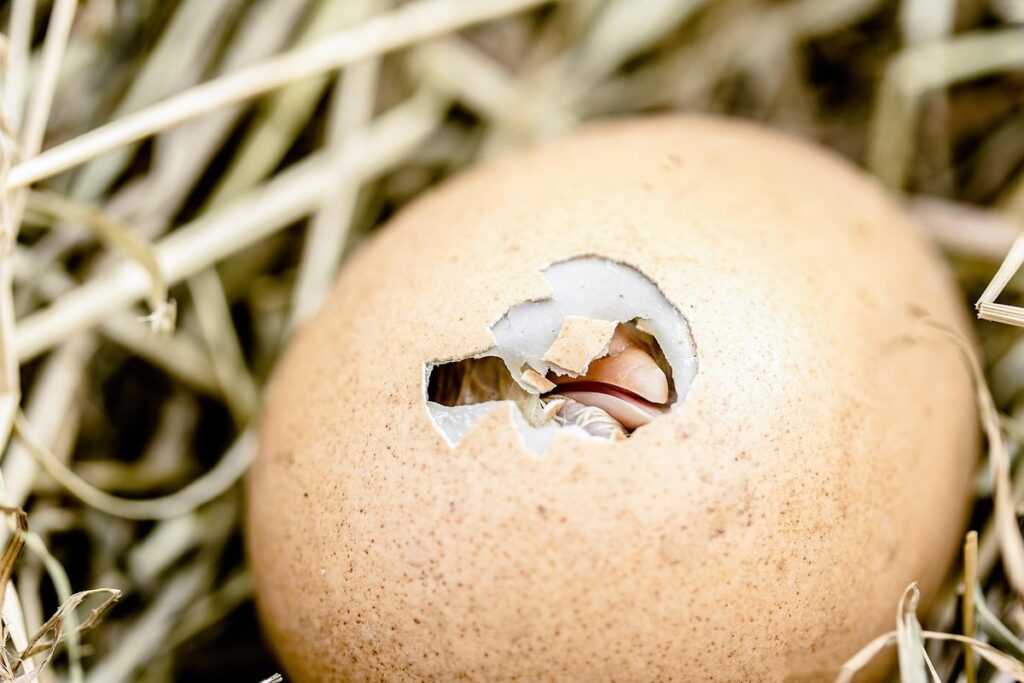
What is Hatch Rate and Why Is It Important?
Let’s dive into what hatch rate means and why it matters for chicken egg producers, helping you understand its significance in your backyard flock.
Definition of Hatch Rate
So you’ve got your hands on some chicken eggs and are wondering what hatch rate means. Simply put, hatch rate refers to the percentage of fertile eggs that successfully hatch into chicks. It’s an essential metric for breeders, farmers, and backyard enthusiasts alike to evaluate the overall quality and fertility of their eggs.
To calculate hatch rate, you’ll need two numbers: the total number of fertile eggs set under the brooder and the actual number of chicks that pip (break out of their eggshells) within a certain timeframe, usually 24 hours. The formula is straightforward:
Hatch Rate (%) = (Number of Chicks / Total Fertile Eggs Set) x 100
For example, let’s say you set 50 fertile eggs under the brooder and end up with 30 chicks that pip. To calculate your hatch rate, simply divide the number of chicks by the total fertile eggs set: 30 ÷ 50 = 0.6, then multiply by 100 to get a hatch rate of 60%. This means 60% of your fertile eggs successfully hatched into chicks – not bad!
Factors Influencing Hatch Rate
The hatch rate of chicken eggs can be influenced by several key factors, each playing a crucial role in determining the success of incubation. One significant factor is the breed of the chicken itself. Different breeds have varying levels of fertility and hatchability, with some being more reliable than others. For instance, Leghorn eggs tend to have lower hatch rates compared to Brahma or Orpington eggs.
Incubation temperature also significantly affects hatch rate. An ideal temperature range for incubation is between 99°F (37°C) and 100°F (38°C). Temperature fluctuations outside this range can lead to embryonic death, ultimately impacting the hatch rate. Moreover, maintaining consistent humidity levels during incubation is essential, as eggs require a certain level of moisture to develop properly.
It’s also worth noting that even if all conditions are optimal, natural factors such as egg quality and handling can still influence hatch rates. To minimize these risks, it’s crucial to handle eggs gently, store them in a cool, dry place, and monitor temperature and humidity levels during incubation.
Optimizing Hatch Rates for Different Breeds
When it comes to breeding chickens, understanding how hatch rates vary between breeds is crucial. Let’s dive into optimizing hatch rates for different breeds and what you need to know.
Temperament-Based Breed Analysis
Temperament-Based Breed Analysis is an essential consideration when optimizing hatch rates. Different breeds of chickens exhibit unique personalities and temperaments that can significantly impact the success rate of hatching eggs. For instance, some breeds are notorious for being high-strung or anxious, which can lead to reduced fertility and increased stress on the female.
Breeds like Leghorns and Rhode Island Reds are known to have relatively low hatch rates due to their active and energetic nature. On the other hand, breeds like Orpingtons and Brahmas tend to be more docile and laid-back, resulting in higher fertility rates.
If you’re working with high-strung breeds, there are steps you can take to improve hatch rates. First, ensure your flock is provided with a calm and stress-free environment. Provide adequate space, proper lighting, and nutritious feed to reduce anxiety. Additionally, consider implementing practices like gentle egg collection and reduced handling of females during peak breeding seasons.
By understanding the unique temperament characteristics of each breed, you can tailor your hatch rate optimization strategies to meet their specific needs, ultimately leading to improved success rates for hatching eggs.
Factors Affecting Hatch Rate in Specific Breeds
When it comes to optimizing hatch rates, different breeds can have unique requirements. For instance, Leghorns are known for their high fertility rate but tend to have lower hatch rates due to embryo mortality. This is because they often produce large numbers of eggs, which can lead to a higher incidence of poor-quality embryos.
In contrast, Orpingtons have a reputation for being slower and more deliberate in their breeding habits, resulting in a higher hatch rate. However, their eggs are also smaller and less frequent, making them less suitable for commercial egg production. Understanding these breed-specific characteristics is essential for optimizing hatch rates.
Another factor to consider is the age of the breeder rooster or hen. Young birds may have lower fertility rates due to immaturity, while older birds can suffer from declining fertility. Managing your flock’s breeding program to incorporate a mix of ages and breeds can help you achieve more consistent hatch rates.
The Role of Incubation in Achieving High Hatch Rates
Incubation plays a crucial role in achieving high hatch rates, and understanding its importance is key to ensuring your eggs hatch successfully. In this section, we’ll explore how incubation affects hatch rates.
Choosing the Right Incubator
Choosing the right incubator is crucial to achieving high hatch rates with chicken eggs. This decision can make all the difference between successfully hatching healthy chicks and facing disappointing losses. With various options available, manual and automatic incubators are two primary choices that come into play.
Manual incubators rely on careful monitoring by the user to regulate temperature, humidity, and turning of the eggs. While cost-effective, they demand a significant amount of time and effort from the operator, which can be challenging for those with limited experience or multiple responsibilities. Automatic incubators, on the other hand, utilize advanced technology to automate these processes, allowing users to focus on other aspects of their flock.
When selecting an incubator, consider your specific needs, including the number of eggs you plan to hatch and your level of expertise. If you’re new to incubation or have limited time to devote to manual monitoring, a high-quality automatic incubator is likely the better choice. Look for models with features such as precise temperature control, humidity management, and egg turning systems that minimize human error.
Setting Optimal Temperature and Humidity Levels
Proper temperature and humidity levels are crucial for optimal hatch rates. The ideal temperature range for incubation is between 99°F to 100°F (37°C to 38°C) during the first 18 days, followed by a decrease to 98°F to 99°F (36°C to 37°C) for the remaining three days. Humidity levels should be maintained between 50% and 60%. This is especially critical in the initial stages of incubation, as a deviation of just 1-2% can significantly impact hatch rates.
To set up optimal temperature and humidity levels, it’s essential to monitor your equipment regularly. You can use an incubator with built-in temperature and humidity controls or invest in separate devices to track these parameters. It’s also crucial to maintain a consistent environment, avoiding any sudden changes that could stress the embryos.
Keep in mind that different breeds have unique requirements. For example, some heritage breeds may prefer slightly cooler temperatures. Research the specific needs of your chicken breed to ensure you’re providing the optimal conditions for successful hatching.
Environmental Factors Affecting Hatch Rate
Let’s take a closer look at how environmental factors, such as temperature and humidity, can impact the hatch rate of your chicken eggs. Understanding these external influences is crucial for optimal incubation success.
The Impact of Light Exposure on Embryos
Light plays a crucial role in embryo development, and its impact on hatch rate cannot be overstated. In nature, embryos are exposed to a 24-hour day-night cycle, which triggers the release of certain hormones that facilitate growth and development. However, when it comes to artificial lighting, things can get tricky.
Research suggests that excessive light exposure can have detrimental effects on embryo development. For instance, studies have shown that prolonged exposure to intense light can lead to increased temperatures within the egg, causing stress to the developing embryo. This stress can result in reduced hatch rates and even lead to embryonic mortality.
When using artificial lighting, it’s essential to mimic natural daylight as closely as possible. This can be achieved by using LED or halogen lights specifically designed for incubation purposes. Aiming a light source at a 45-degree angle is also crucial, ensuring that the embryo receives an optimal amount of light without causing overheating.
To ensure optimal hatch rates, it’s recommended to maintain lighting levels between 1-2 lux, equivalent to a dimly lit room. This will provide enough light for the embryo to develop while minimizing the risk of overheating and stress.
Managing Stress and Nutrition During Incubation
When it comes to incubation, managing stress and nutrition is crucial to ensure a healthy hatch rate. High levels of stress can affect both the breeder and the embryo, leading to weakened immune systems and reduced fertility.
For breeders, excessive handling or manipulation of eggs during collection and storage can cause undue stress on the embryos inside. To minimize this, it’s essential to handle eggs gently and keep them in a calm environment until they’re transferred to the incubator. For example, consider using egg cartons or specialized containers that protect eggs from shocks and vibrations.
On the other hand, proper nutrition plays a vital role in supporting healthy embryonic development. A balanced diet rich in protein, vitamins, and minerals is essential for producing high-quality eggs with optimal hatch rates. For instance, providing supplemental calcium during peak production periods can significantly boost fertility and hatchability.
To optimize nutrition, consider the following tips:
* Provide access to fresh water at all times
* Maintain a clean and well-ventilated coop environment
* Offer a balanced commercial feed or layer pellets specifically formulated for high egg production
* Consider adding supplements like oyster shell or crushed limestone to support calcium levels
Post-Hatch Care: Factors Affecting Chick Survival
Now that you’ve cracked open your fertile eggs, it’s time to focus on what happens after hatching, as we explore the key factors influencing chick survival in this critical post-hatch care phase.
Chicks’ Sensitivity to Environment Changes
Newly hatched chicks are incredibly sensitive to changes in their environment. This is particularly true for temperature, humidity, and light exposure, which can have a significant impact on chick survival.
Temperature fluctuations of just 1-2°C (1.8-3.6°F) can cause stress, leading to increased mortality rates. Chicks require a consistent temperature range between 36-38°C (96.8-100.4°F) for the first week after hatching. It’s essential to maintain this temperature within a narrow margin to prevent heat stress or chilling.
Humidity levels also play a crucial role in maintaining healthy chicks. The ideal humidity level should be around 50-60%. High humidity can lead to respiratory issues, while low humidity causes dehydration. Monitor the environment closely and adjust as needed to maintain optimal conditions.
Light exposure is another critical factor. Chicks require photoperiods (daylight hours) to regulate their circadian rhythms. Provide a 24-hour cycle of light and dark to promote healthy growth and development. A sudden change in lighting can cause stress, so ensure that the environment remains stable throughout the chick’s early stages.
Importance of Hygiene and Nutrition After Hatching
Maintaining a clean environment and providing adequate nutrition are crucial for optimal chick survival. After hatching, chicks are vulnerable to infections and diseases due to their underdeveloped immune system. A dirty brooder can harbor bacteria such as E. coli and Salmonella, which can spread quickly among the chicks.
To prevent this, it’s essential to maintain a clean environment by removing soiled bedding daily and disinfecting all surfaces with a gentle bleach solution. Also, ensure proper ventilation in the brooder to remove ammonia from droppings and moisture from heat sources. This will help prevent respiratory issues such as bronchitis and pneumonia.
Proper nutrition is equally important for chick survival. Ensure that you’re offering a balanced starter feed specifically formulated for young chicks, with adequate protein (about 20%) to support growth and development. Fresh water should be available at all times, and make sure it’s changed daily to prevent bacterial contamination.
Frequently Asked Questions
How can I ensure consistent hatch rates across multiple breeding seasons?
Achieving consistent hatch rates requires maintaining a stable environment, including optimal temperature (98-100°F) and humidity levels (50-60%), as well as ensuring proper incubation techniques. Regularly cleaning and disinfecting the incubator, monitoring temperature fluctuations, and storing fertile eggs in a cool, dry place can also help maintain consistency.
What are some common mistakes that can lead to low hatch rates?
Common errors include incorrect incubation temperatures, inadequate humidity levels, and failing to provide enough light exposure. Additionally, poor egg storage conditions, over-handling of fertile eggs, and neglecting post-hatch care can all contribute to reduced hatch rates.
Can I use a DIY incubator or is it better to invest in a commercial one?
While a well-designed DIY incubator can be effective, investing in a commercial one ensures optimal temperature control and reduces the risk of human error. Commercial incubators also typically have features like automatic egg turning and humidity control, which can improve hatch rates.
How do I determine if my incubation equipment is causing issues with my hatch rate?
Monitor your equipment’s performance by tracking temperature fluctuations, ensuring proper ventilation, and regularly cleaning and disinfecting the incubator. If you notice any deviations from optimal conditions or signs of malfunction, investigate further to identify potential causes.
What role does breed selection play in achieving high hatch rates?
Breed selection is a critical factor, as some breeds naturally have higher fertility rates than others. Researching the specific fertility characteristics of your chosen breed can help you anticipate and plan for optimal hatch rates, as well as make informed decisions about incubation techniques and environmental conditions.