
Are you ready to boost your runner duck‘s egg-laying potential? Optimizing their production is crucial for any backyard or commercial poultry keeper, as it directly affects the quality and quantity of eggs produced. But have you ever wondered what makes a good breeding stock, how to ensure they’re getting the nutrients they need, or what environmental factors can impact their yield?
In this article, we’ll delve into the world of runner duck egg production, covering key characteristics, nutritional needs, breeding strategies, and environmental factors that influence egg output. By understanding these essential aspects, you’ll be able to make informed decisions about your flock’s care and management, ultimately leading to healthier, more productive birds and a more sustainable operation. Let’s explore the ins and outs of runner duck egg production together!
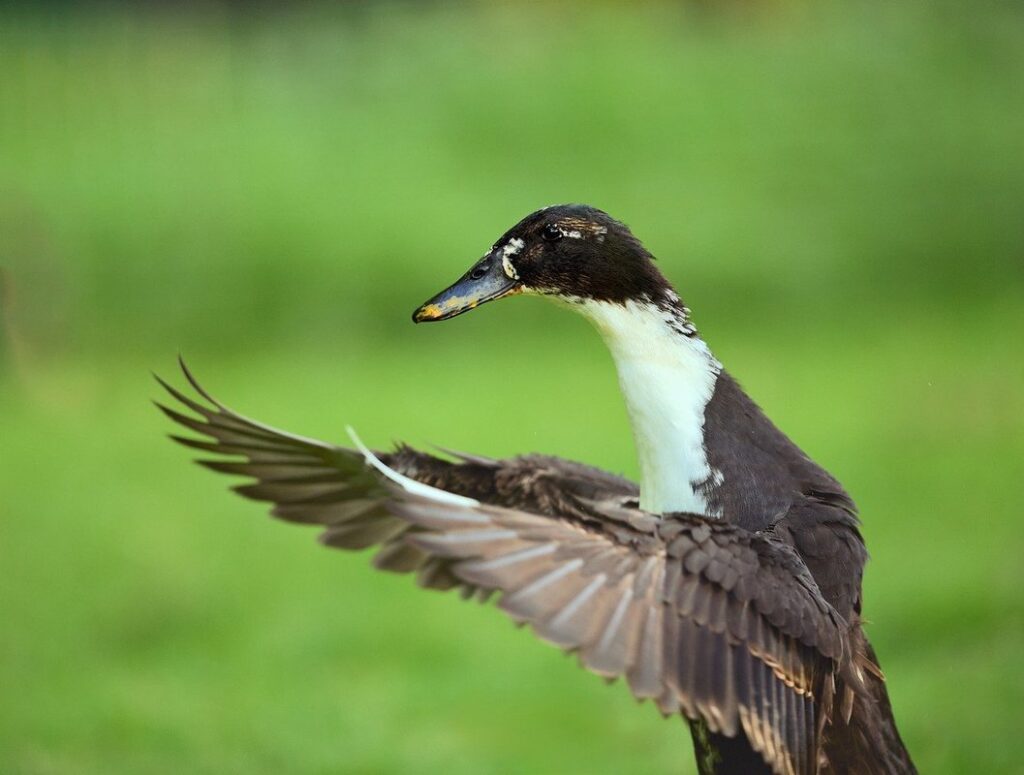
Understanding Runner Ducks and Their Egg-Laying Capacity
To truly maximize your runner duck egg production, it’s essential to understand their natural egg-laying capacity and how to encourage optimal fertility. We’ll explore these factors in more detail below.
Characteristics of Runner Ducks
Runner ducks are a popular choice for small-scale egg production due to their unique characteristics and temperament. Originating from England, these birds were bred specifically for their ability to thrive on marginal land and produce a steady supply of eggs.
Physically, runner ducks have a slender build, with males weighing around 6-8 pounds and females reaching 5-7 pounds. They have a distinctive orange beak and feet, with a mottled brown and white plumage that provides excellent camouflage in the wild.
In terms of temperament, runner ducks are known for their friendly and docile nature, making them an excellent choice for backyard egg production. They are social birds and do well in small groups, but can also thrive as solo residents. One unique trait of runner ducks is their ability to forage for food on marginal land, reducing the need for expensive feed supplements.
Their hardiness and adaptability make them a popular choice for small-scale egg producers. However, it’s essential to note that breed selection plays a crucial role in achieving optimal egg-laying performance. A balanced diet, adequate living space, and regular health checks will also contribute significantly to maximizing their potential as egg layers.
Factors Influencing Egg Production in Runner Ducks
Egg production in runner ducks is influenced by a complex interplay of factors that cannot be ignored. Nutrition plays a crucial role as an inadequate diet can lead to reduced egg yield. A balanced feed rich in calcium, phosphorus, and other essential nutrients is vital for maintaining strong eggshell quality and quantity. For instance, a study showed that increasing the calcium content in the feed by 1% resulted in a significant boost in egg production.
Good management practices are equally important as they determine the overall health of the flock. Providing adequate space, water, and shelter can help reduce stress levels, which in turn positively affects egg production. For example, ensuring a minimum of 5 square feet per duck can lead to improved egg laying.
Health conditions also impact egg production significantly. Respiratory diseases like avian influenza or chronic respiratory disease can severely affect the flocks’ overall health and productivity. Monitoring the flock regularly for signs of illness is essential to prevent such problems.
Environmental factors like light exposure and temperature also play a significant role in regulating egg production. Adequate lighting, especially during breeding seasons, can increase egg production significantly. Temperature fluctuations should be maintained within acceptable limits as extreme temperatures can stress the birds.
Regular monitoring of these factors will help you identify areas for improvement and optimize your runner duck’s egg production capabilities.
Nutrition and Diet for Optimal Egg Production
To produce a steady supply of eggs, runner ducks require a balanced diet rich in nutrients that cater to their specific needs, which we’ll explore in detail here.
Essential Nutrients for Runner Ducks
When it comes to optimal egg production, runner ducks require a well-balanced diet rich in essential nutrients. Protein is a top priority for these birds, as they need a significant amount to maintain muscle mass and support egg-laying. Aim to provide 16-20% protein content in their feed, which can be met through high-quality commercial duck pellets or by supplementing with ingredients like soybean meal, fishmeal, or insects.
Calcium is another critical nutrient for runner ducks, as it supports strong bone development and eggshell production. Ensure they receive 2-3% calcium content in their diet, which can be achieved through oyster shells, crushed eggshells, or commercial mineral supplements. Vitamins A, D3, E, K, and B12 are also vital for maintaining overall health and fertility. Include vitamin-rich ingredients like alfalfa meal, kelp meal, or fish oil to round out their diet.
In terms of minerals, runner ducks require a balanced mix of phosphorus, magnesium, and potassium. Phosphorus supports bone growth and development, while magnesium aids in energy production and eggshell formation. Aim for a 1:1 ratio of calcium to phosphorus (Ca:P) in their feed. Consult with a veterinarian or poultry expert to determine the best nutrient profile for your runner ducks based on their age, breed, and production level.
Feed Formulations and Supplements
When it comes to runner duck egg production, providing a well-balanced and nutritious diet is crucial for optimal health and productivity. The feed formulation you choose can significantly impact the quality and quantity of eggs produced by your flock.
Typically, commercial layer feeds are formulated with a balance of protein, energy, and other essential nutrients such as calcium, phosphorus, and vitamins A, D3, E, K, and B12. However, these standardized feeds may not meet the specific needs of runner ducks. You can consider customizing their feed by adding supplements or using specialty feeds that cater to their unique nutritional requirements.
For instance, if you’re looking to boost egg production in your flock, you might want to consider adding omega-3 fatty acids, vitamin E, or B vitamins to their diet. These nutrients have been shown to enhance fertility and overall health in poultry. You can also explore using probiotics to promote gut health and immune function.
When selecting a feed formulation or supplement, it’s essential to consider your farm’s management practices and resources. For example, if you’re raising your ducks on pasture, you may want to opt for a non-GMO, organic feed that aligns with your farming philosophy. Consult with a veterinarian or poultry nutritionist to determine the best approach for your flock.
Breeding and Management Practices
To produce high-quality eggs, it’s essential that you understand the breeding and management practices specific to runner ducks. Let’s dive into these key aspects together.
Breeding Strategies for Improved Egg Production
When it comes to improving egg production in runner ducks, breeding strategies play a crucial role. One of the most effective methods is selection techniques, where breeders identify and select individuals with desirable traits such as high egg-laying capacity, fertility, and robustness. This process involves evaluating factors like egg size, shape, color, and shell quality to create a pool of genetically superior birds.
Crossbreeding programs are another approach to improve egg production. By combining the strengths of different breeds, breeders can capitalize on genetic diversity and introduce new traits into their flock. For instance, crossing a runner duck with a Khaki Campbell or an Indian Runner can enhance fertility rates and increase egg size.
Genetic improvements through selective breeding have also been instrumental in boosting egg production. Modern runner duck genetics have allowed for significant gains in egg-laying capacity without compromising on quality. To replicate these results, breeders should focus on identifying top-performing individuals and using advanced reproductive technologies like artificial insemination to speed up the breeding process.
By incorporating these breeding strategies into their management practices, farmers can expect a notable increase in egg production, which can then be utilized for various purposes such as sales or consumption.
Flock Management Best Practices
Maintaining a healthy and productive flock is crucial for successful runner duck egg production. This means ensuring that your birds have suitable housing conditions, monitoring their health regularly, and implementing robust biosecurity measures.
Firstly, consider the housing requirements of your runner ducks. They need space to move around comfortably, especially as they age or breed. Provide an enclosure with adequate ventilation, protection from extreme weather, and easy access for cleaning and maintenance. You can also incorporate nesting boxes and perches to promote a stress-free environment.
Health monitoring is another critical aspect of flock management. Regularly inspect your birds for signs of illness or injury, such as changes in appetite, droppings, or feathers. Keep accurate records of vaccinations, health checks, and any treatments administered. This will help you identify potential issues before they become widespread problems.
To minimize the risk of disease outbreaks, implement strict biosecurity measures. These include limiting human contact with your birds, disinfecting equipment and shoes regularly, and maintaining a clean and well-ventilated environment.
Health Considerations for Runner Ducks
When it comes to raising runner ducks for egg production, keeping them healthy is crucial. This section will cover essential health considerations to ensure your flock stays in top condition.
Common Health Issues in Runner Ducks
As runners ducks are prone to certain health issues that can impact their egg production and overall well-being. One of the most significant threats is duck plague, a viral disease that affects waterfowl worldwide. This highly contagious condition can lead to high mortality rates if left untreated. Regular vaccinations and biosecurity measures can significantly reduce the risk of infection.
Another common issue affecting runner ducks is avian influenza, also known as bird flu. Outbreaks can have devastating effects on local flocks, resulting in significant economic losses for farmers. Preventative measures such as keeping birds isolated from wild waterfowl and implementing strict sanitation practices can help mitigate this risk.
Respiratory infections are another prevalent concern among runner ducks. These can be caused by various pathogens, including bacteria and viruses. Factors contributing to respiratory issues include poor ventilation, unsanitary living conditions, and inadequate nutrition. Maintaining a clean and well-ventilated coop, providing a balanced diet, and monitoring bird health closely can help prevent the onset of respiratory infections.
To effectively manage these health concerns, it is essential to establish a robust biosecurity protocol that includes regular vaccinations, rigorous sanitation practices, and timely medical intervention when necessary.
Biosecurity Measures for Disease Prevention
Preventing disease transmission among runner ducks is crucial for maintaining their health and productivity. To ensure this, you need to implement robust biosecurity measures on your farm. One of the most critical practices is sanitation. Regularly clean and disinfect all areas where the ducks come into contact with, including feeders, waterers, and nesting boxes. Remove any debris or droppings from the coop and run.
Another vital aspect of biosecurity is quarantine protocols. When introducing new birds to your flock, isolate them in a separate area for at least 30 days before mixing with the rest. This allows you to monitor their health closely and prevent potential diseases from spreading.
Controlling visitors is also essential. Limit access to the farm by requiring people to wear foot baths or cleaning their shoes thoroughly upon entry. Visitors should be aware of any biosecurity protocols in place, such as avoiding contact with ducks when they’re stressed, sick, or molting.
Proper ventilation and adequate space for the birds are also key factors in preventing disease transmission. By following these simple yet effective measures, you can significantly reduce the risk of diseases affecting your runner duck flock.
Environmental Factors Affecting Egg Production
Environmental factors can significantly impact egg production in runner ducks, affecting not only quantity but also quality of eggs. Understanding these factors is crucial for optimizing your flock’s performance.
Light Exposure and Temperature Control
Light exposure and temperature control play crucial roles in maintaining optimal egg-laying performance in runner ducks. Adequate lighting is essential for stimulating photoperiodism, which regulates the reproductive cycle of birds. Runner ducks require a photoperiod of 14 hours of light and 10 hours of darkness to induce ovulation.
To achieve this, you can use artificial lighting such as LED bulbs or fluorescent tubes. It’s recommended to install these lights in a way that provides an even distribution of light across the coop. For example, you could place lights at both ends of the coop or along the walls to ensure that all birds receive sufficient light.
Temperature control is also vital for runner duck egg production. A temperature range of 40°F to 90°F (4°C to 32°C) is ideal, with an average temperature of around 70°F (21°C). Extreme temperatures can disrupt egg-laying and lead to decreased fertility. To manage temperature fluctuations, ensure good ventilation in the coop and use insulation materials such as straw or foam board to regulate internal temperatures.
Flock Size and Space Requirements
When it comes to raising runner ducks for egg production, understanding the relationship between flock size and space requirements is crucial. The ideal stocking density will depend on various factors, including the available land, water supply, and feed resources.
A general rule of thumb is to allocate 2-4 square meters (6-12 square feet) per duck for free-range systems. However, this can be adjusted based on your specific setup. For example, if you have a small pond or lake with adequate vegetation, you may be able to get away with a lower stocking density.
It’s essential to strike a balance between maximizing egg production and ensuring the health and well-being of your flock. Overcrowding can lead to stress, disease, and decreased egg quality, while understocking can result in wasted resources and reduced efficiency. To determine the ideal stocking density for your operation, consider factors such as feed costs, water requirements, and labor needs.
In general, it’s recommended to start with a smaller flock size and gradually increase it as you gain experience and refine your management practices. This will allow you to monitor your birds’ behavior, egg production, and overall health, making adjustments as needed to achieve optimal results.
Conclusion: Optimizing Runner Duck Egg Production
Now that you’ve learned the ins and outs of raising runner ducks, let’s discuss how to optimize their egg production for a healthy and thriving flock. This is where the real magic happens!
Key Takeaways from This Guide
As you’ve navigated this comprehensive guide to runner duck egg production, it’s time to distill the key takeaways and apply them to optimize your own flock. Remember that each section has built upon the last, so integrate the knowledge from previous sections to achieve optimal results.
Key recommendations include selecting breeds suitable for your climate and management style, maintaining a balanced diet that meets nutritional requirements, and monitoring health to prevent common issues like mites and respiratory problems. Don’t forget to provide enough space for your ducks to roam and exercise freely.
It’s also crucial to prioritize egg collection methods that minimize stress on the birds while maximizing cleanliness and hygiene. Consider implementing a system where eggs are collected daily or every other day to maintain freshness.
Lastly, keep in mind that optimizing runner duck egg production is an ongoing process requiring regular monitoring and adjustments. Stay up-to-date with best practices, and be willing to adapt your strategies as you gather more data on your flock’s performance. By integrating these recommendations into your existing management routine, you’ll be well on your way to achieving optimal results from your runner ducks.
Future Directions and Recommendations
As we conclude this comprehensive guide to runner duck egg production, it’s essential to look ahead and explore emerging trends and research findings that may enhance egg production in the future. Recent studies have shown promising results in using precision breeding techniques to select for desirable traits in runner ducks, such as improved fertility and egg size. This could lead to increased efficiency and productivity in commercial flocks.
Another area of focus is optimizing nutrition for optimal egg production. Researchers are exploring new feed formulations that incorporate alternative protein sources, such as insects or algae, which can provide essential nutrients while reducing environmental impact. By incorporating these innovative approaches into management practices, producers may see significant improvements in overall flock health and productivity.
As the demand for sustainable and locally sourced eggs continues to grow, runner duck egg production is poised to play a key role in meeting this need. By embracing emerging trends and research findings, producers can stay ahead of the curve and remain competitive in the market.
Frequently Asked Questions
How often should I check on my runner duck’s egg production to ensure optimal fertility?
It’s essential to regularly monitor your flock’s fertility rate by collecting eggs daily or every other day, depending on the size of your operation. This will help you identify any issues early and make adjustments as needed.
What are some common signs that my runner ducks may be experiencing nutritional deficiencies impacting their egg production?
Watch out for changes in eggshell color, texture, or size, as well as reduced egg production itself. Keep an eye on your birds’ overall health and behavior; a balanced diet is crucial to maintaining optimal fertility.
Can I use supplements in addition to regular feed to boost my runner ducks’ egg production?
Yes, adding specific supplements can help ensure your flock gets the essential nutrients they need for maximum egg production. However, choose supplements that complement their regular feed and follow the manufacturer’s guidelines carefully to avoid over-supplementation.
How do environmental factors like light exposure and temperature control affect my runner duck’s egg-laying capacity?
Both light and temperature play crucial roles in regulating your birds’ reproductive cycles. Ensure they receive adequate natural or artificial lighting, and maintain a stable temperature range between 40-80°F (4-27°C) to promote optimal fertility.
Can I breed runner ducks with other duck breeds to improve their egg-laying capacity?
While it’s technically possible, breeding different duck species can be complex and may not guarantee the desired results. Research local regulations, consider genetic compatibility, and prioritize selecting high-quality birds from established breeding programs for consistent outcomes.