
If you’re considering bringing home a majestic Brahma rooster, one of the first things that might come to mind is their impressive size. These birds are indeed among the largest domesticated fowl in the world, and their massive stature can be both intimidating and awe-inspiring. But as much as we admire their grandeur, it’s essential to understand what drives their growth – from genetics to nutrition and environmental factors. In this article, we’ll delve into the specifics of Brahma rooster size standards, exploring what constitutes a healthy weight and length for these birds. We’ll also cover the benefits and potential drawbacks of raising larger roosters, as well as expert advice on providing optimal care for your feathered friend’s unique needs. By the end of this read, you’ll be equipped with all the knowledge necessary to make informed decisions about bringing a Brahma rooster into your flock.
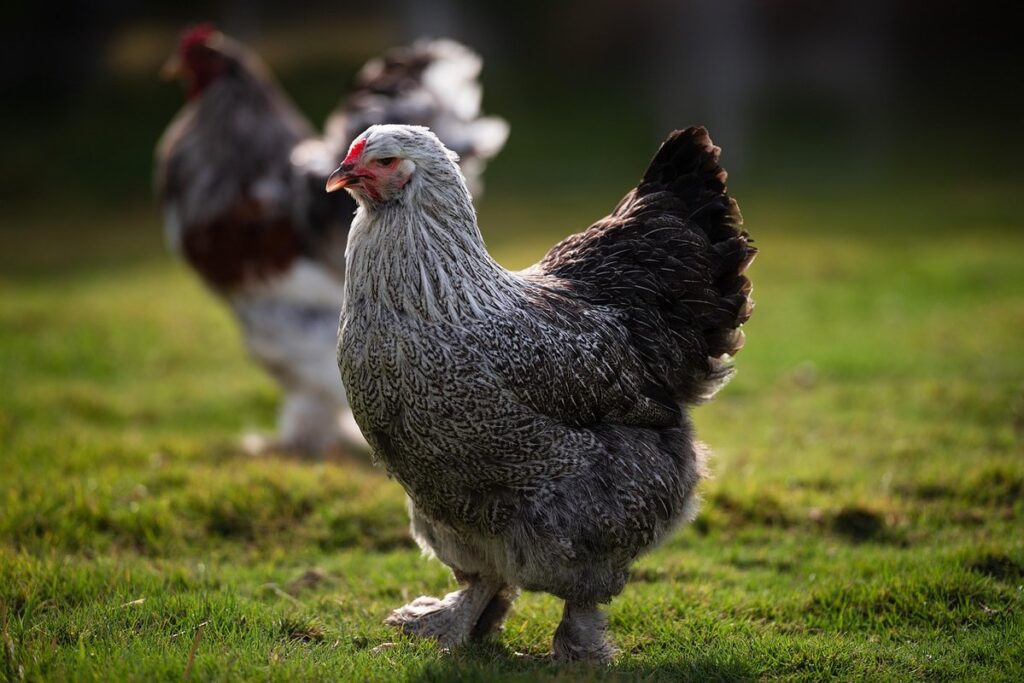
What is a Brahma Rooster?
So, you’re wondering what exactly makes a Brahma rooster a Brahma rooster? In this section, we’ll explore the unique characteristics that define these majestic birds.
Origin and History of Brahma Chickens
Brahma chickens have a rich and fascinating history that spans centuries. Originating from the Indian subcontinent, these gentle giants were first bred in the 19th century for their impressive size, calm temperament, and hardiness. They quickly gained popularity among farmers and poultry enthusiasts due to their ability to thrive in various climates and conditions.
As European traders and colonizers introduced Brahma chickens to other parts of the world, they adapted well to different environments, making them a sought-after breed globally. In the United States, for instance, Brahmans became one of the most popular breeds during the mid-19th century, prized for their size, egg-laying capabilities, and friendly nature.
Their popularity soon spread to other countries, including the UK, Australia, and Asia, where they were often crossed with local breeds to create new varieties. Today, Brahma chickens can be found on farms and homesteads worldwide, cherished for their unique characteristics and versatility.
Characteristics of Brahma Chickens
Brahma roosters are known for their impressive physical characteristics, making them one of the most recognizable breeds in the chicken world. When it comes to size, Brahma roosters can grow up to 24-27 inches (61-69 cm) tall and weigh anywhere from 11-19 pounds (5-9 kg), with some individuals reaching weights of over 20 pounds (9 kg).
Their plumage is another distinctive feature, with most Brahma roosters sporting a beautiful lustrous sheen on their feathers. The breed comes in a range of colors including white, buff, black, and blue, but the most common color is light brown.
One of the most striking features of the Brahma rooster is its impressive comb. A large, red comb can be quite intimidating, especially if you’re new to chicken-keeping. However, it’s worth noting that a healthy, well-cared-for Brahma rooster will have a robust and vibrant comb that’s free from any signs of disease.
In terms of overall appearance, Brahma roosters are often described as majestic and regal, with their large size, shiny feathers, and impressive comb making them a true sight to behold.
Size Comparison: Brahma Rooster vs. Other Breeds
Let’s compare the massive size of a Brahma rooster to other popular breeds, and explore why it stands out in terms of sheer scale.
Comparing Size to Other Large Breeds
When comparing the size of Brahma roosters to other large breeds, it’s essential to consider their overall growth patterns and mature weights. The Cochin breed, for example, can grow up to 12-15 inches tall and weigh between 10-13 pounds. While they may not be as massive as some other breeds, they still pack a significant amount of weight and bulk.
In contrast, Orpington roosters tend to be slightly smaller, reaching heights of around 9-12 inches and weighing between 8-11 pounds. However, their compact build can make them appear more substantial than they actually are.
The Jersey Giant, as its name suggests, is one of the largest breeds around, with some males reaching up to 19-20 inches in height and weighing over 15 pounds. While Brahma roosters may not quite reach these heights, they still possess a commanding presence that’s hard to ignore.
When deciding which breed to raise, consider factors such as available space, feed requirements, and desired egg production (if applicable). By understanding the unique characteristics of each breed, you can make an informed decision that suits your needs.
Factors Affecting Growth Rate and Size
A Brahma rooster’s growth rate and final size are influenced by several key factors. Proper nutrition plays a crucial role in determining a rooster’s growth potential. Ensure that you’re providing a balanced diet rich in protein, calcium, and other essential nutrients. A good quality feed should account for about 80-90% of the rooster’s daily nutrient intake.
Genetics also have a significant impact on size. Brahma roosters are known for their large size, but even within this breed, there can be variations. If you’re looking to raise larger roosters, consider selecting birds from parents that are known for their size and conformation.
Environmental conditions such as climate, space, and health also play a role in determining growth rate and final size. A suitable environment with adequate space for movement and proper ventilation is essential. Regular vaccinations and healthcare check-ups can help prevent diseases that might slow down growth or stunt development.
In addition to these factors, it’s worth noting that overfeeding can have negative effects on a rooster’s growth and overall health. Monitor your bird’s weight closely and adjust feeding accordingly to avoid obesity.
Understanding Rooster Size Standards
When it comes to Brahmas, understanding size standards is crucial for breeders and owners alike. In this next part, we’ll dive into what these standards are all about.
American Poultry Association (APA) Standards
When it comes to determining the size of a Brahma rooster, one essential resource is the American Poultry Association (APA) standards. The APA sets minimum weight requirements for various age groups, which can help you determine if your bird meets the breed’s specifications.
The APA has established the following minimum weights for Brahma roosters at different ages:
* Chick: 1 pound (0.45 kg)
* Starter (up to 20 weeks): 2 pounds (0.91 kg) for males
* Grower (21-30 weeks): 3.5 pounds (1.59 kg) for males
* Mature: 10 pounds (4.54 kg) or more for males
It’s essential to note that these weights are minimum requirements, and many breeders aim for significantly larger birds. To ensure your Brahma rooster meets the APA standards, weigh it regularly from an early age and adjust its diet accordingly. Keep in mind that overfeeding can lead to health issues, so monitor your bird’s growth carefully.
To give you a better idea of what to expect, consider the following: a mature Brahma rooster should be at least 10 pounds (4.54 kg) but ideally closer to 15-18 pounds (6.8-8.2 kg) or more for optimal size and feathering.
Other Organizations’ Standards
When considering the ideal size of a Brahma rooster, it’s essential to take into account other organizations’ standards. The British Poultry Standards, for instance, provide guidelines on the maximum weight and length of various breeds, including Brahmas.
According to their guidelines, a mature Brahma rooster should weigh between 12-15 pounds (5.4-6.8 kg) and measure around 38 inches (97 cm) in length. The British Poultry Standards emphasize that these dimensions are crucial for determining the quality of the breed. Other organizations, such as the American Bantam Association (ABA), may have slightly different standards.
It’s worth noting that while adhering to other organizations’ guidelines can be beneficial, it’s essential to prioritize your own bird’s unique needs and characteristics. What works for a Brahma rooster in one flock or region might not work for another.
To determine whether your Brahma rooster meets the ideal size standards, consider measuring its length from the tip of the tail to the base of the neck, as well as weighing it regularly to track its growth.
The Benefits and Challenges of Large Roosters
When it comes to large roosters, you’ll want to weigh the pros against the cons – understanding both will help you make an informed decision about your flock. Let’s dive into the benefits and challenges of having a big boy around.
Pros of Keeping Larger Roosters
Keeping larger roosters can have its advantages, particularly when it comes to their impressive appearance and potential for exhibition. Many backyard chicken enthusiasts appreciate the majestic look of a well-developed Brahma rooster, with his broad shoulders, muscular build, and proud demeanor. Not only do these birds make a statement in terms of aesthetics, but they also command respect from other animals on the farm.
In fact, larger roosters like Brahmas are often in high demand for exhibition purposes, such as at poultry shows or breed associations. Their impressive size, feathering, and overall appearance make them stand out among other breeds. If you’re considering keeping a larger rooster for exhibition purposes, it’s essential to research the specific requirements of your local breed association and familiarize yourself with their rules and regulations.
Additionally, having a large rooster can also be beneficial in terms of fertilization. With proper training and management, they can effectively cover multiple hens, ensuring successful breeding and egg production.
Cons of Large Roosters: Space and Resource Requirements
When it comes to owning a large rooster like the Brahma, one of the biggest challenges is providing enough space and resources to meet their needs. These birds are massive, with some males weighing up to 24 pounds and standing over two feet tall. To give you an idea of just how much room they need, consider this: a single Brahma rooster requires about twice as much space as a standard-sized chicken.
In reality, it’s not just about providing enough physical space – it’s also about giving them the resources to live comfortably. This means plenty of fresh water, nutritious food, and regular cleaning of their living area. With large birds like the Brahma, you’ll need to budget more for feed, as they eat significantly more than smaller breeds. A general rule of thumb is to provide at least 2-3 square feet per bird inside the coop, and about 8-10 square feet outside in a fenced run.
Ultimately, owning a large rooster like the Brahma requires careful planning and preparation to ensure their space and resource needs are met. If you’re considering bringing one of these birds into your life, make sure you have the time, money, and space to give them the care they deserve.
Health Considerations for Large Roosters
When it comes to caring for your Brahma rooster, their large size means you’ll need to pay extra attention to certain health considerations that can affect their well-being. We’ll dive into these important details next.
Common Health Issues in Large Breeds
As you care for your majestic Brahma roosters, it’s essential to be aware of the common health issues that can affect them due to their large size. Unfortunately, these gentle giants are prone to mobility problems and respiratory issues.
Mobility problems are a significant concern for large breeds like Brahmas. Their massive frames can put excessive strain on their joints, leading to conditions such as osteoarthritis and hip dysplasia. Imagine trying to walk with heavy backpacks on; that’s what it must feel like for your Brahma rooster. Regular exercise, a balanced diet, and maintaining a healthy weight through portion control can help mitigate these issues.
Respiratory problems are another common issue in large breeds. Their massive chests can make breathing more difficult, especially during hot summer months or high-altitude living conditions. Keep your Brahma’s enclosure well-ventilated, provide plenty of fresh air, and ensure they have access to a shaded area to help alleviate these issues.
It’s not all doom and gloom, though! With proper care, attention, and regular veterinary check-ups, you can minimize the risk of these health concerns.
Strategies for Maintaining Good Health
Maintaining good health is crucial for large roosters, particularly those of Brahma breed. As these birds grow bigger and more energetic, their dietary needs increase accordingly. Ensure they have access to high-quality feed that’s rich in protein and essential nutrients. You can supplement with fruits and vegetables, but avoid overfeeding as it may lead to obesity.
Regular exercise is also vital for large roosters. Provide a spacious enclosure where they can move freely and engage in physical activities like running and flapping their wings. Aim for at least 2-3 hours of exercise per day, divided into shorter sessions to prevent fatigue. You can also try interactive toys or puzzles filled with treats to stimulate mental activity.
Some specific health considerations for large roosters include monitoring their weight closely, watching out for signs of respiratory problems due to obesity, and ensuring they have enough space to stretch their wings. Keep an eye out for any unusual behavior or physical symptoms, such as labored breathing or difficulty walking. Consult with a veterinarian if you notice anything concerning.
Conclusion: Understanding Brahma Rooster Size
In conclusion, understanding Brahma rooster size is crucial for any chicken keeper or breeder. By now, you should have a good grasp of the typical growth patterns and characteristics of these majestic birds. Remember that every bird is unique, and size can vary depending on genetics, nutrition, and overall health. To ensure your Brahma roosters reach their full potential, provide them with a balanced diet, plenty of space to roam, and regular veterinary check-ups.
When assessing the size of your Brahma rooster, look for the following characteristics: feather length, comb size, and body mass. A healthy Brahma rooster should have a robust build, with long, flowing feathers and a prominent comb. Don’t be discouraged if your bird doesn’t reach the full weight of 22 pounds – focus on maintaining their overall health and well-being instead.
Frequently Asked Questions
Can I expect my Brahma rooster to reach the maximum size mentioned in the article if I provide optimal care?
Yes, with proper nutrition, a healthy environment, and regular veterinary check-ups, your Brahma rooster should reach its full potential. However, individual growth rates can vary due to genetics and other factors. It’s essential to monitor your bird’s progress and adjust their diet and living conditions accordingly.
How do I ensure my large rooster has enough space in the coop and run?
When housing a large breed like the Brahma, it’s crucial to provide ample space for movement and exercise. A minimum of 2-3 square feet per bird inside the coop is recommended, along with a spacious run that allows for at least 10-15 square feet per bird. This will help prevent overcrowding and related health issues.
Are there any specific health concerns I should be aware of when raising large roosters?
Yes, larger breeds like the Brahma are prone to certain health issues, such as joint problems, obesity, and respiratory difficulties. Regular veterinary check-ups, a balanced diet, and plenty of exercise can help mitigate these risks. Additionally, keeping your birds clean and dry will also contribute to their overall well-being.
Can I keep multiple large roosters together, or is it better to separate them?
While some large breeds get along peacefully, others may exhibit aggressive behavior towards each other. It’s best to introduce new birds gradually and under close supervision. If you plan to keep multiple roosters together, ensure they have ample space, resources, and a stable social hierarchy.
How do I determine if my Brahma rooster is overweight or underweight?
Monitoring your bird’s weight and body condition score (BCS) regularly will help you identify any potential issues. A BCS of 1-3 indicates underweight, while 5-6 indicates obesity. Use a poultry scale to track your rooster’s weight, and consult with a veterinarian if you notice any significant changes or concerns.