
Breeding bantam chickens can be a rewarding experience, but it requires careful planning and attention to detail. If you’re new to raising backyard chickens, selecting the right breed is crucial to ensure success. With so many varieties to choose from, understanding their characteristics and temperaments will help you decide which ones are best suited for your needs.
As you embark on this journey, it’s essential to consider health considerations, mating seasons, and nutrition to raise healthy chicks. A well-planned breeding program can lead to a thriving flock, but without proper care, it can be stressful and time-consuming. In this ultimate guide, we’ll walk you through the process of breeding bantam chickens, covering breed selection, health considerations, and expert tips on raising chicks, nutrition, hygiene, and record-keeping.
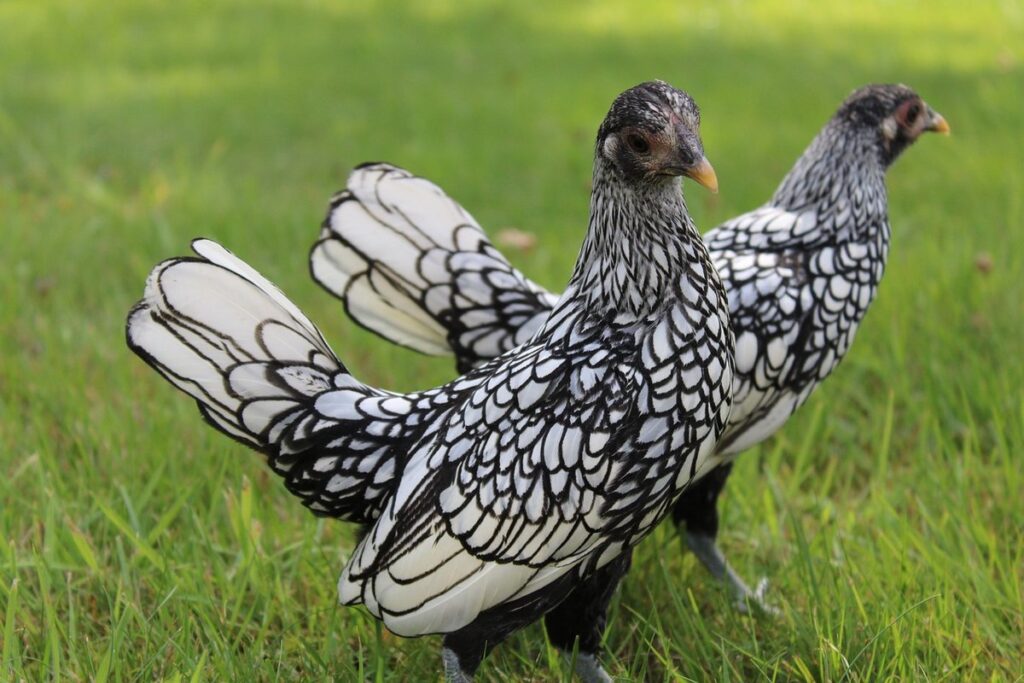
Choosing the Right Bantam Breed
When selecting a bantam breed, it’s essential to consider factors such as temperament, egg-laying ability, and feather quality. This will help you find the perfect fit for your breeding program.
Characteristics of Popular Bantam Breeds
When it comes to choosing the right bantam breed for your flock, understanding their characteristics is crucial. Let’s dive into three popular breeds: Silkies, Polish, and Campines.
Silkies are known for their gentle nature, making them an excellent choice for families with children or for those who want a calm companion chicken. They’re relatively low-maintenance, requiring less space and exercise than larger breeds. However, they can be prone to health issues like respiratory problems due to their fluffy coat.
Polish chickens, on the other hand, are often described as “crested” due to their unique head feathers. They’re friendly, curious birds that thrive in social environments. But, be warned: Polish hens are notorious for being prolific layers of tiny eggs!
Campines are another popular bantam breed, prized for their striking appearance and affectionate personalities. They’re relatively easy-going, but they do require regular grooming to prevent matting of their feathers.
When selecting a bantam breed, consider factors like your living situation, the climate in your area, and the amount of time you can dedicate to caring for your flock. Researching specific breeds and reading reviews from other breeders will help you make an informed decision.
Considering Size and Weight
When it comes to choosing the right bantam breed for your needs, size and weight are crucial considerations. Bantams come in a variety of sizes, ranging from miniature to toy varieties. The miniature bantams weigh around 1-2 pounds (0.5-1 kg) and stand about 6-8 inches (15-20 cm) tall, while the toy bantams weigh less than 1 pound (0.5 kg) and stand around 4-6 inches (10-15 cm) tall.
To determine which size is right for you, consider your space constraints, climate, and purpose of breeding. If you have limited space or want to breed chickens for small backyards or urban areas, a miniature bantam might be the perfect choice. On the other hand, if you have more space or are looking for a pet chicken that’s easy to handle, a toy bantam could be the better option.
It’s essential to note that larger bantams, weighing around 2-3 pounds (1-1.5 kg), can also make excellent pets and provide more eggs per week compared to their smaller counterparts. Ultimately, research different breeds and consider your specific needs before making a decision.
Preparing Your Flock for Breeding
Before you start breeding, it’s essential to ensure your flock is healthy and well-suited for reproduction. This means selecting birds that are in prime condition and will pass on their desirable traits.
Health Considerations for Bantam Chickens
When it comes to breeding bantam chickens, maintaining a healthy flock is of utmost importance. Vaccinations play a crucial role in protecting your birds from diseases such as Marek’s disease and Newcastle disease. Make sure to consult with a veterinarian or a poultry expert to determine the best vaccination schedule for your flock.
In addition to vaccinations, parasite control is also essential. Internal parasites like worms can significantly impact your bantam’s health, while external parasites like mites and lice can cause discomfort and stress. Use a combination of methods such as deworming medications, diatomaceous earth, and regular cleaning to keep parasites under control.
A well-balanced diet is also vital for maintaining the health of your bantam flock. Provide access to fresh water and feed high-quality layers’ pellets or mash specifically formulated for chickens. Avoid overfeeding, as this can lead to obesity and related health issues. Monitor your birds’ weight regularly and adjust their feed accordingly.
Some common health issues in bantams include respiratory problems, egg binding, and reproductive disorders. Regular monitoring of your flock’s behavior, appetite, and droppings will help you identify potential issues early on, allowing for prompt action to be taken.
Sexing and Identifying Bantams
When it comes to breeding bantams, accurately identifying the sex of your birds is crucial. This is particularly challenging with young chicks, as their physical characteristics can be subtle and easily misinterpreted. To ensure you’re making informed decisions about which birds to breed, let’s explore the visual cues and methods for distinguishing between males and females.
For bantam chickens, one of the most reliable ways to sex them is by looking at their vents (the area around the vent opening). Males typically have a slightly larger, more prominent vent than females. In young chicks, this difference can be subtle, but it’s still a useful indicator. Another key visual cue is the presence or absence of a spur on the male’s leg. Spurred males are usually a dead giveaway, as females lack spurs altogether.
It’s essential to remember that these characteristics may not be immediately apparent in very young chicks or in certain breeds. In such cases, it’s often more practical to wait until they’re slightly older (around 5-6 weeks) before attempting to sex them accurately.
Breeding Basics
When it comes to breeding bantam chickens, understanding the basics is crucial for success. Let’s dive into the fundamental principles of selecting and pairing your birds.
Understanding Bantam Chicken Mating Seasons
When it comes to breeding bantams, understanding their mating seasons is crucial for successful reproduction. The ideal time for breeding bantams depends on various factors, including climate, daylight hours, and molting.
In most regions, spring is the best season for breeding bantams. As the weather warms up and daylight hours increase, hens are more likely to be in egg-laying mode. In fact, studies have shown that hens produce eggs with better fertility during this time. For instance, a study on Bantam Leghorns found that egg production peaked at 12-14 hours of daylight.
Conversely, fall and winter months can be challenging for breeding bantams due to the shorter daylight hours and colder temperatures. Molting, which typically occurs in the fall, also affects hens’ fertility during this time. To ensure successful breeding, breeders should focus on preparing their birds for spring by providing adequate nutrition and promoting overall health.
It’s essential to note that these are general guidelines and may vary depending on your specific region and climate. Consult with experienced breeders or veterinarians to determine the best breeding schedule for your flock.
Selecting a Mate
When it comes to breeding bantams, selecting a suitable mate is one of the most critical decisions you’ll make. A good match can make all the difference in the quality and diversity of your flock’s offspring. To start, consider the age of your potential mate. Ideally, you want to breed birds that are at least 6-8 months old, as they need time to mature physically and hormonally before breeding.
Health is also a top priority when selecting a mate. Look for birds with clean, shiny feathers, bright eyes, and a plump, well-nourished appearance. Check their legs and feet for signs of lameness or weakness. A healthy bird will be more likely to pass on its good genetics to your chicks. Temperament is another essential factor. You want a mate that’s friendly, docile, and not too aggressive. A calm bird will help create well-adjusted offspring.
Some breeders also consider the genetic diversity of their potential mate. Avoid breeding close relatives, as this can lead to inbreeding depression and weakened immunity in your flock. By carefully selecting a suitable mate, you’ll be well on your way to producing healthy, thriving bantam chicks.
Raising Chicks
Now that you have a breeding program up and running, it’s time to think about raising healthy chicks from your bantam birds. This section covers the basics of chick care and hatching techniques.
Brooding and Keeping Chicks Warm
When it comes to raising bantam chicks, providing them with a safe and warm environment is crucial for their survival. This process is known as brooding. The primary goal of brooding is to keep the temperature stable between 90-100°F (32-38°C) during the first week after hatching. You can achieve this by using a heat source such as a heat lamp or a hot plate, but it’s essential to monitor their temperature carefully.
Adequate ventilation is also vital for healthy brooding. Chicks produce moisture through respiration and urination, which can lead to ammonia buildup if the area isn’t well-ventilated. Ensure that there are sufficient gaps in the enclosure for air circulation while keeping the chicks contained within a safe space. Maintaining humidity levels between 50-60% is also essential, as it prevents dehydration and supports their development.
Remember to place the brooder on a sturdy base and away from drafts to prevent accidents. A temperature gauge or thermometer can help you monitor the conditions, and it’s not uncommon for chicks to huddle together in cold weather, so be attentive to their needs.
Nutrition and Hydration for Young Chicks
When it comes to raising young bantam chicks, providing them with the right nutrition and hydration is crucial for their growth and development. Bantam chickens have different nutritional needs compared to larger breeds, so it’s essential to understand their requirements.
Newly hatched chicks need a diet rich in protein to support rapid growth and development. A starter feed specifically formulated for young chickens should contain around 20% protein. Offer the starter feed free-choice, allowing your chicks to eat as much or as little as they want. It’s also essential to provide fresh water at all times, changing it frequently to prevent bacterial contamination.
As your chicks grow, you can gradually transition them to a layer feed containing around 16-18% protein. Aim to do this by the time they’re about 4-6 weeks old. Remember to always check the feed’s nutritional content and follow the manufacturer’s recommendations for feeding bantam chickens.
Caring for Baby Bantams
When it comes to caring for your baby bantam chicks, proper nutrition and environment are crucial for their growth and development into healthy adults. This is where attention to detail really matters!
Handling and Socialization
When handling baby bantams, it’s essential to be gentle and patient. These tiny birds are fragile and can easily get injured if handled roughly. Start by picking them up carefully, supporting their body and wings, and making sure not to squeeze them too tightly. As they grow and become more confident, you can gradually increase handling time and interaction.
Socialization is also critical for baby bantams. Introduce them to humans from an early age, allowing them to get accustomed to voices, faces, and gentle touch. You can start by letting them explore their surroundings while you’re nearby, then gradually progress to direct interaction. Provide a safe environment with plenty of space for them to roam and exercise. Enrichment activities like offering treats or toys can also help stimulate their minds and keep them engaged.
Aim to spend at least 30 minutes a day interacting with your baby bantams, including handling and playtime. This will not only socialize them but also help you bond with your flock. Remember to always supervise interactions between birds and humans to ensure everyone’s safety. By following these simple tips, you’ll be well on your way to raising confident, friendly, and healthy baby bantams.
Recognizing Health Issues in Young Chicks
As a breeder of bantam chickens, it’s essential to recognize and address health issues early on to ensure the well-being and productivity of your flock. Young bantams are particularly susceptible to certain health problems that can be fatal if left untreated.
Common health issues affecting young bantams include respiratory infections, coccidiosis, and Marek’s disease. Respiratory infections often manifest as labored breathing, wheezing, or coughing. Coccidiosis causes diarrhea, lethargy, and weight loss. Marek’s disease can lead to paralysis, blindness, and death.
Watch for these signs in your chicks: ruffled feathers, lack of appetite, lethargy, and changes in droppings. Monitor their temperature, ensuring it stays within a safe range (around 98-100°F). Keep an eye on their vaccination records to ensure they’re up-to-date.
If you suspect any health issues, isolate the affected chicks immediately, and consult with a veterinarian or poultry expert. With proper care and attention, many of these problems can be prevented or treated effectively, ensuring the long-term health and success of your bantam flock.
Tips for Successful Breeding Programs
To ensure the success of your breeding program, consider these practical tips on selecting and maintaining a healthy flock, and managing genetic diversity to achieve your goals.
Record Keeping and Tracking Progress
Accurate record-keeping is essential for tracking progress and making informed decisions in your bantam chicken breeding program. You’ll want to keep detailed records of fertility rates, hatchability, and chick growth to identify areas for improvement.
Start by monitoring the fertility rate of your breeders’ eggs. This can be done through a simple spreadsheet or using specialized software like poultry management apps. Set aside time each week to record egg-laying dates, breeding pairings, and any subsequent hatch or incubation results. Regularly reviewing these records will help you identify patterns and areas for improvement.
To track hatchability rates, maintain a log of eggs incubated and the resulting chicks’ weights at various stages of growth. This information can be used to refine your breeding program and optimize egg-laying periods for optimal fertility and chick growth.
As you collect data, analyze it regularly to identify trends and make adjustments as needed. By keeping meticulous records and tracking progress, you’ll be better equipped to fine-tune your breeding program and achieve success with your bantam chicken flock.
Continuously Improving Your Flock
As you continue to build and refine your bantam chicken breeding program, it’s essential to regularly evaluate your flock’s health, temperament, and productivity. This ongoing assessment will enable you to pinpoint areas for improvement and make targeted adjustments to enhance the overall quality of your birds.
Start by monitoring your flock’s health through regular weighing, vaccination schedules, and parasite control measures. Identify any signs of illness or disease early on, and implement strategies to prevent their spread. For example, maintain a strict biosecurity protocol, including frequent cleaning of coops, removal of debris, and isolation of new additions to the flock.
In addition to physical health, assess your birds’ temperament by observing their behavior during breeding seasons, foraging activities, and social interactions. Identify any behavioral issues and implement training programs or changes in habitat design to promote a more harmonious environment.
Lastly, evaluate your flock’s productivity by tracking egg production rates, hatchability percentages, and chick viability. Use this data to refine your selection process and make informed decisions about which birds to breed next season.
Troubleshooting Common Issues
Even experienced breeders can encounter problems, so let’s tackle some of the most common issues that may arise when breeding bantam chickens. From fertility issues to incubation woes, we’ve got you covered.
Addressing Low Fertility Rates
Low fertility rates can be frustrating for bantam breeders, but identifying and addressing the causes is key to improvement. One common cause of low fertility is nutritional deficiencies, particularly in protein and energy. Ensure your birds have access to a balanced diet rich in these nutrients. A good quality layer feed supplemented with treats like mealworms or sunflower seeds can help support reproductive health.
Another factor contributing to low fertility is stress. Bantams under stress may experience reduced fertility rates due to elevated levels of cortisol, which can interfere with reproduction. Provide a stress-free environment by maintaining a clean coop, ensuring adequate space and providing plenty of hiding places for your birds.
Monitoring the water temperature is also crucial, as cold temperatures can lower fertility rates. Make sure the water is not too cold (around 40-45°F) to prevent reduced sperm motility. Regularly checking the flock’s health and making adjustments accordingly can help boost fertility rates.
Additionally, ensure a balanced sex ratio within your flock, with an optimal male-to-female ratio of around 1:5 to reduce competition for mates.
Identifying and Correcting Breeding Mistakes
Identifying and correcting mistakes made during breeding is crucial to maintaining the health and integrity of your bantam flock. Incorrect mating can lead to a range of issues, from decreased fertility to genetic defects. This may be due to a lack of research into the breed characteristics or inexperience with breeding. To avoid this, it’s essential to understand the genetics of the breeds you’re working with.
For example, if you’re breeding two bantam chicken varieties that have different egg-laying frequencies, you risk creating offspring with unpredictable behavior. Similarly, inadequate care during breeding can also lead to complications. This includes neglecting to provide adequate nutrition, failing to monitor health, or ignoring signs of stress in your birds. To correct these issues, focus on providing optimal living conditions and a balanced diet for your breeders.
Regularly inspect your flock’s health and behavior will help you identify potential problems early on. Keep accurate records of breeding pairs, offspring, and any challenges encountered during the process. This will enable you to refine your breeding strategy over time and avoid making the same mistakes in the future.
Frequently Asked Questions
How do I determine the optimal breeding season for my bantam flock?
Consider factors such as your climate, breed selection, and desired chick production schedule to determine the best mating season for your flock. Typically, spring and early summer are ideal times for breeding due to improved daylight hours and more favorable temperatures.
What’s a good starting point for keeping records of my breeding program?
Develop a habit of tracking key metrics such as egg-laying ability, fertility rates, hatch success, and chick health from the outset. You can use dedicated software or spreadsheets to log your progress and identify areas for improvement over time.
How do I handle broody hens that don’t want to leave their nests?
If a broody hen refuses to leave her nest, it’s essential to ensure her chicks are healthy and thriving before intervening. Gradually encourage her to take breaks from the nest by offering treats or creating distractions at the door. Monitor chick development and intervene if necessary to prevent over-mothering.
What’s the ideal ratio of males to females in a bantam breeding program?
A general rule of thumb is to maintain a 1:3 to 1:5 male-to-female ratio for optimal fertility rates. This allows you to manage your flock size, prevent overcrowding, and promote healthy genetic diversity.
Can I breed bantams from chicks hatched in the same clutch?
Yes, it’s possible but not recommended unless you’re experienced in identifying sex differences early on or using advanced DNA sexing techniques. Breeding siblings can increase the risk of inherited health issues and reduce genetic diversity within your flock.