
Are you a backyard chicken enthusiast looking to take your flock to the next level? Breeding chickens can be a rewarding experience, but it requires careful planning and attention to detail. Choosing the right breeds for your needs is just the beginning – you’ll also need to consider the health and nutrition requirements of your birds, as well as setting up a suitable coop and run. With so many variables to consider, it’s no wonder that many chicken keepers feel overwhelmed by the prospect of breeding their own chickens. But with our comprehensive guide, you’ll be well on your way to successfully breeding chickens in no time. We’ll cover everything from selecting breeds to managing health and nutrition, so you can focus on building a thriving flock.
Choosing the Right Chicken Breed
When selecting a chicken breed, consider factors such as egg-laying frequency, size requirements, and feather maintenance to ensure your needs are met. This will make a big difference in the success of your breeding project.
Researching Suitable Breeds
When it comes to breeding chickens, selecting the right breed is crucial for success. With so many breeds to choose from, it’s essential to research and select a breed that suits your climate, available space, and desired egg production.
Consider your region’s temperature and humidity levels when choosing a breed. For example, if you live in a hot and humid climate, look for breeds that are heat-tolerant and resistant to diseases such as the Leghorn or the Rhode Island Red. On the other hand, if you live in a cold climate, choose breeds that can thrive in cooler temperatures like the Plymouth Rock or the Brahma.
Think about your available space too – some breeds require more room than others to roam and exercise. For small backyards, consider breeds like the Bantam or the Silkie, which are compact and don’t require as much space. Another key factor is egg production – if you want a breed that lays large eggs, look for breeds like the Orpington or the Australorp.
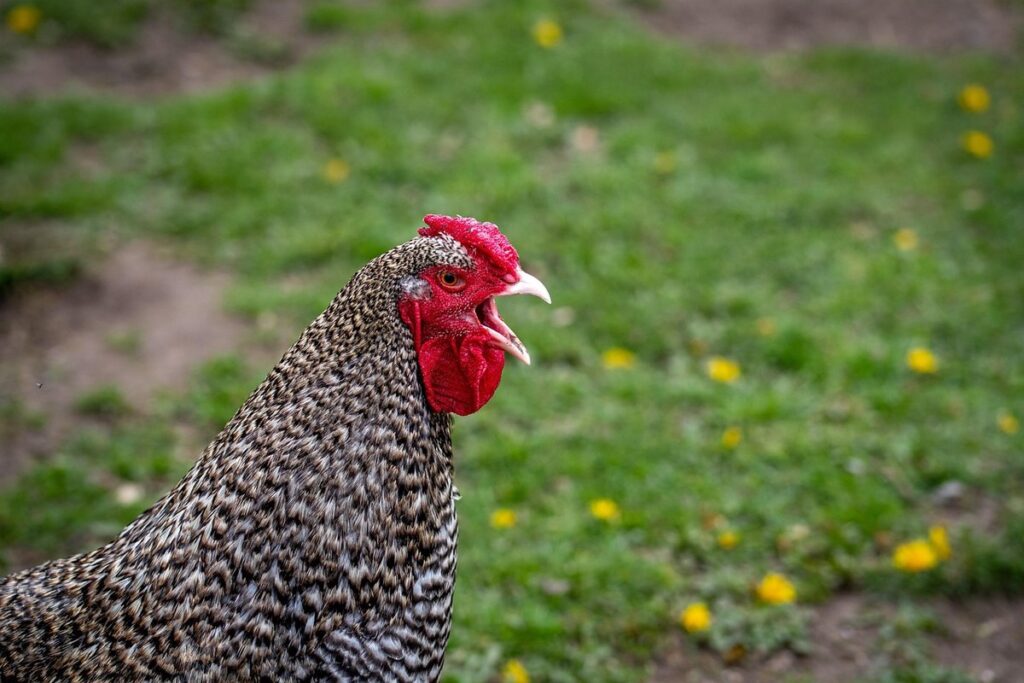
Research popular breeds suitable for beginners, such as the Golden Comet or the Barred Plymouth Rock. These breeds are easy to care for and produce well. Ultimately, choose a breed that fits your lifestyle and needs.
Considering Egg Production and Temperament
When it comes to choosing the right chicken breed for breeding purposes, two key factors come into play: egg production and temperament. While many breeds excel in one area, few excel in both. For example, Leghorns are renowned for their high egg-laying capacity, producing an average of 300 eggs per year, but they can be quite skittish and difficult to handle.
On the other hand, breeds like Orpingtons have a more laid-back temperament, making them perfect for families with children or those who want low-maintenance pets. However, their egg production is significantly lower than that of Leghorns, averaging around 200 eggs per year.
To determine which breed suits your needs, consider the following:
• If you’re looking to maximize egg production, focus on breeds like Leghorns, Rhode Island Reds, or Barred Rocks.
• If temperament is a top priority, look into breeds like Orpingtons, Sussex, or Plymouth Rock.
• Consider your available space and resources: if you have limited room for foraging and exercise, a breed with lower energy needs might be more suitable.
Ultimately, it’s essential to research the specific needs of each breed and choose one that balances your requirements.
Setting Up Your Chicken Coop
When it comes to breeding chickens, a well-designed coop is crucial for their health and happiness. Let’s dive into setting up your chicken coop from scratch.
Building or Purchasing a Coop
When setting up your chicken coop, it’s essential to consider the needs of your birds. A well-designed coop should provide adequate space, ventilation, and protection from predators. The size of the coop will depend on the number of chickens you plan to keep, with a minimum of 3-4 square feet per bird inside the coop and 8-10 square feet in the run.
When it comes to building or purchasing a coop, weigh the pros and cons carefully. Building a coop can be cost-effective and tailored to your specific needs, but it requires time and expertise. Purchasing a pre-made coop is quicker and easier, but may not fit your space perfectly. Ensure that your coop meets local regulations by checking with your municipality for any building codes or zoning restrictions.
Aim to provide at least 1 foot of ventilation per 4 square feet of coop space to prevent ammonia buildup. Consider using hardware cloth or chicken wire to protect against predators like raccoons, coyotes, and hawks. With careful planning, you can create a safe and healthy environment for your chickens to thrive in.
Health and Hygiene Considerations
When setting up your chicken coop, it’s essential to prioritize health and hygiene considerations to create a safe and healthy environment for your birds. A clean coop is not only crucial for the well-being of your chickens but also for preventing the spread of diseases.
To ensure good ventilation, install windows or vents that allow for cross- airflow, which will help remove ammonia from the coop. You can also use fans to circulate air and reduce moisture levels. This will not only keep your chickens healthy but also prevent the growth of bacteria and fungi.
When it comes to bedding materials, opt for absorbent options like straw or pine shavings. These will help soak up droppings and urine, making cleaning easier and reducing odors. Avoid using wood shavings, as they can be toxic to chickens if ingested.
Pest control measures are also crucial in maintaining a clean coop. Use hardware cloth or chicken wire to cover windows and vents, preventing rodents from entering the coop. Regularly check your coop for signs of pests and take prompt action if you notice any issues.
Understanding Chickens’ Housing Requirements
When it comes to breeding chickens, their living quarters play a crucial role in their health and well-being. Let’s explore the essential housing requirements for your flock.
Space and Aeration Requirements
When it comes to breeding chickens, providing an adequate and healthy environment is crucial for their well-being. One of the most critical aspects of chicken housing is space and aeration requirements. A general rule of thumb is to provide at least 3-4 square feet per bird inside the coop. However, if you’re planning to breed chickens, it’s recommended to increase this space to 5-6 square feet per bird.
Adequate aeration in your coop is also vital to prevent ammonia buildup and maintain a healthy atmosphere for your birds. You can achieve this by installing windows or vents that allow fresh air to circulate. Consider placing the coop in an area with partial shade, as direct sunlight can cause overheating. Furthermore, natural light plays a significant role in regulating the chickens’ circadian rhythms and overall health. Ensure that the coop receives sufficient daylight hours to promote a healthy environment for breeding.
A well-ventilated coop will also help reduce moisture levels, which is essential for preventing respiratory issues in your birds. By following these guidelines and considering the specific needs of your flock, you’ll be creating an ideal environment for successful chicken breeding.
Nesting Box Considerations
When it comes to breeding chickens, providing a suitable nesting box for your egg-laying hens is crucial. A well-designed nesting box not only encourages healthy laying habits but also helps reduce stress and prevent injuries.
To set up an ideal nesting box, consider the following factors:
* Size: Ensure the nesting box is at least 12 inches wide, 12 inches deep, and 18 inches tall to provide ample space for your hens. A larger box may be necessary if you have bigger breeds or multiple birds sharing a coop.
* Placement: Position the nesting box in a quiet, draft-free area of the coop, ideally at a comfortable height for your hens to access easily. Avoid placing it near feeders or waterers to prevent messes and stress.
* Accessibility: Install a ramp or ladder leading up to the nesting box, ensuring easy entry and exit for your birds. This will also help reduce pecking order issues and encourage more hens to use the box.
Remember, the nesting box should be equipped with soft bedding material like straw or wood shavings to provide comfort and cleanliness for your hens.
Chick Health and Nutrition
When it comes to breeding chickens, providing top-notch nutrition is essential for your flock’s overall health. This includes a balanced diet, access to fresh water, and regular health checks to ensure optimal well-being.
Common Chicken Diseases and Pests
As you start breeding chickens, it’s essential to understand common health issues that can affect their flock. Recognizing symptoms early on is crucial for preventing the spread of diseases and maintaining a healthy population.
Diseases such as Avian Influenza, Marek’s disease, and Newcastle Disease are all significant threats to chicken flocks worldwide. Symptoms can range from respiratory problems to lethargy, appetite loss, and discolored combs. Be aware that some diseases may only show mild symptoms in the early stages, making it harder to detect.
Parasites like mites, lice, and fleas can also cause significant discomfort for your chickens. They may exhibit excessive scratching, skin lesions, or poor feather condition. Nutritional deficiencies, such as vitamin D3 or calcium deficiencies, can lead to soft eggshell syndrome, leg weakness, or rickets in young chicks.
Regular health checks, proper ventilation, cleanliness, and a balanced diet are all key factors in maintaining your flock’s overall well-being. Keep an eye out for unusual behavior, changes in droppings, or unexplained mortality rates. Consult with a veterinarian if you suspect any issues to get professional guidance on treatment and prevention strategies.
Nutritional Requirements for Healthy Flock
Providing a balanced diet for your flock is crucial to ensure their overall health and well-being. A good starting point is to understand the nutritional requirements of chickens at different stages of their life cycle. Layer feed, which contains around 16-18% protein, calcium, and other essential nutrients, is designed specifically for laying hens. However, it’s worth noting that many breeders prefer to supplement their flock with natural ingredients to enhance egg quality and fertility.
Some popular supplements include crushed oyster shells for added calcium and probiotics to support digestive health. You can also consider adding fresh fruits and vegetables to their diet, such as leafy greens, carrots, and apples. A good rule of thumb is to provide at least 50% of their feed intake in the form of fresh produce.
When introducing new foods, do so gradually to prevent digestive upset. Aim for a mix of around 70-80% layer feed, 10-20% supplements, and 10-20% fresh produce. This balance will help support optimal egg production, feather quality, and overall health in your flock.
Breeding Chickens: Understanding Sexing and Mating
When it comes to breeding chickens, understanding how to sex and mate your birds is crucial for success. This section will guide you through these essential steps, ensuring healthy and viable hatchlings.
Sexing Chicks and Pullets
Accurate sexing is crucial in breeding programs as it ensures that roosters are used for breeding and hens are reserved for egg production. Sexing chicks and pullets can be challenging, but with practice and knowledge of visual identification techniques, you can become proficient.
For chicks under one week old, sexing is more difficult due to their undeveloped genitalia. However, as they grow, certain characteristics become apparent. For example, male chicks tend to have a more prominent comb and wattle, while females have a smaller, rounded appearance. Look for the shape of the vent, which is the opening between the legs; males typically have a larger, more angular shape.
As pullets mature (around 4-6 weeks old), sexing becomes easier. Females will begin to show signs of feminization, such as a decrease in leg length and an increase in breast size. Males, on the other hand, will exhibit prominent feather growth around the vent area. It’s essential to observe your birds regularly to learn their unique characteristics and develop your skills.
Practice sexing a few chicks or pullets daily to build your confidence and accuracy. With time and experience, you’ll become proficient in distinguishing between males and females.
Choosing a Mate for Your Hen
When it comes to choosing a mate for your hen, there are several factors to consider. The rooster’s temperament is crucial in ensuring that he will be a good fit for your flock. You want to select a bird that is calm and even-tempered, as aggression can be a major issue in a small space. Look for birds with good breeding stock and ask breeders about the parentage of their roosters.
Consider the size of the rooster as well – if he’s too large, he may bully your hens or even hurt them. A larger bird can also dominate feeding areas and make it difficult for smaller birds to access food and water. Research different breeds and their characteristics to find one that suits your needs. Some breeds, like Silkies or Polish, are known for being docile and gentle, while others may be more aggressive.
When introducing a new rooster to your flock, do so gradually and under close supervision. Start by keeping them separated at first and then gradually introduce them to each other. This will allow you to monitor their behavior and ensure that they get along peacefully.
Raising Chicks: Tips and Considerations
Raising chicks can be a fun and rewarding experience, but it requires careful planning and attention to detail. In this section, we’ll cover essential tips and considerations for raising healthy, happy chicks.
Brooder Setup and Chick Care
When raising chicks, their early days are crucial for their growth and development. To create an optimal brooding environment, you’ll need to provide a heat source, ensure proper ventilation, and establish a feeding routine that meets their nutritional needs.
For the first week or so after hatching, maintain a temperature of around 90°F (32°C) in the brooder by using heat lamps or ceramic heat emitters. As the chicks grow, you’ll need to gradually decrease the temperature by about 5°F (3°C) every few days until they’re big enough for their adult coop.
Ventilation is equally important; ensure good airflow by placing the brooder near a window or installing a ventilation fan to prevent the buildup of ammonia from chick droppings. A clean and well-ventilated environment will not only keep your chicks healthy but also promote growth and development.
In terms of feeding, provide starter feed specifically formulated for young chickens until they’re about six weeks old. The feed should be free of mold and contain 18-20% protein to support their rapid growth rate. Make sure to provide fresh water at all times and change it frequently to prevent bacterial contamination.
Integration with Older Hens
Introducing new chicks to an existing flock can be a delicate process. As you prepare for breeding, it’s essential to ensure that the integration goes smoothly. The goal is to create a harmonious and stress-free environment for all birds.
When introducing new chicks to older hens, start by separating them from the main flock during the first few days. This will allow both groups to get used to each other’s presence without any direct interaction. Once this initial separation period has passed, you can begin a gradual introduction process. This involves placing the chicks in a separate enclosure or coop adjacent to the older hens, allowing them to become familiar with each other through sight and sound.
To prevent bullying or fighting, it’s crucial to monitor their behavior closely during the integration process. If necessary, reintroduce new chicks gradually over time, keeping an eye out for any signs of aggression or stress. A good rule of thumb is to introduce one chick at a time to avoid overwhelming your flock.
Conclusion
As you’ve reached the end of this comprehensive guide on breeding chickens, you’re now equipped with the knowledge to successfully start or enhance your poultry project. Remember that breeding chickens requires patience, dedication, and attention to detail. Don’t be discouraged if your first attempts don’t yield the desired results – it’s a learning process that takes time.
To ensure success, carefully consider your goals for breeding chickens and choose breeds that align with those objectives. Regularly monitor your flock’s health and make adjustments as needed to maintain optimal living conditions. Keep detailed records of your progress, including notes on egg production, growth rates, and any challenges encountered.
By following the advice outlined in this guide, you’ll be well on your way to developing a thriving and productive chicken breeding operation.
Frequently Asked Questions
What are some common mistakes to avoid when selecting a breed for breeding chickens?
When choosing breeds, many beginners overlook the importance of considering temperament and egg production. Researching and understanding the specific needs and characteristics of your chosen breed is crucial. Avoid selecting breeds that may not thrive in your climate or available space. For example, if you live in an area with extreme temperatures, choose heat-tolerant breeds to prevent health issues.
How often should I check my flock’s health and nutrition requirements?
Regular monitoring of your flock’s health and nutrition is essential for successful breeding. Set aside time each week to inspect your birds’ living conditions, feed, and water. Check for signs of illness or stress, and adjust their diet as needed. A healthy flock is the foundation of a successful breeding project.
Can I breed chickens from different breeds together?
Breeding chickens from different breeds can be done, but it’s essential to understand the potential consequences. Combining breeds may result in reduced fertility, increased susceptibility to disease, or undesirable traits in offspring. It’s generally recommended to stick with purebred stock for optimal breeding results.
How do I determine the sex of my chicks and pullets?
Determining the sex of young chickens can be a challenge, especially for beginners. Use a combination of physical characteristics, such as comb shape and size, feather growth, and behavior, to make an educated guess. Consult with experienced breeders or take your birds to a veterinarian for professional advice.
What are some essential tools I need to set up a breeding program?
Setting up a breeding program requires more than just a coop and run. Invest in high-quality feeders, waterers, and nesting boxes designed specifically for breeding chickens. A good brooder and chick-rearing equipment will also be necessary for raising young birds. Consider investing in health testing kits and record-keeping software to track your flock’s progress.