
If you’re looking to get into chicken breeding, Orpingtons are an excellent choice. These friendly birds have been a favorite among backyard flock owners for generations, and it’s easy to see why: their gentle nature makes them perfect for families with children or as pets in themselves. But if you’re thinking of taking your Orpington hobby to the next level by breeding these beautiful birds, there are some essential things to know.
First, let’s talk about origins: where did the Orpington breed come from and what makes it unique? Then, we’ll delve into temperament – why are Orpingtons so laid-back and easy-going? Next up, we’ll cover the basics of breeding principles, including how to select a healthy rooster and hen pair. Finally, we’ll discuss marketing your flock, whether you’re selling chicks online or at local farm markets. With this comprehensive guide, you’ll be well on your way to becoming an Orpington breeding expert in no time!
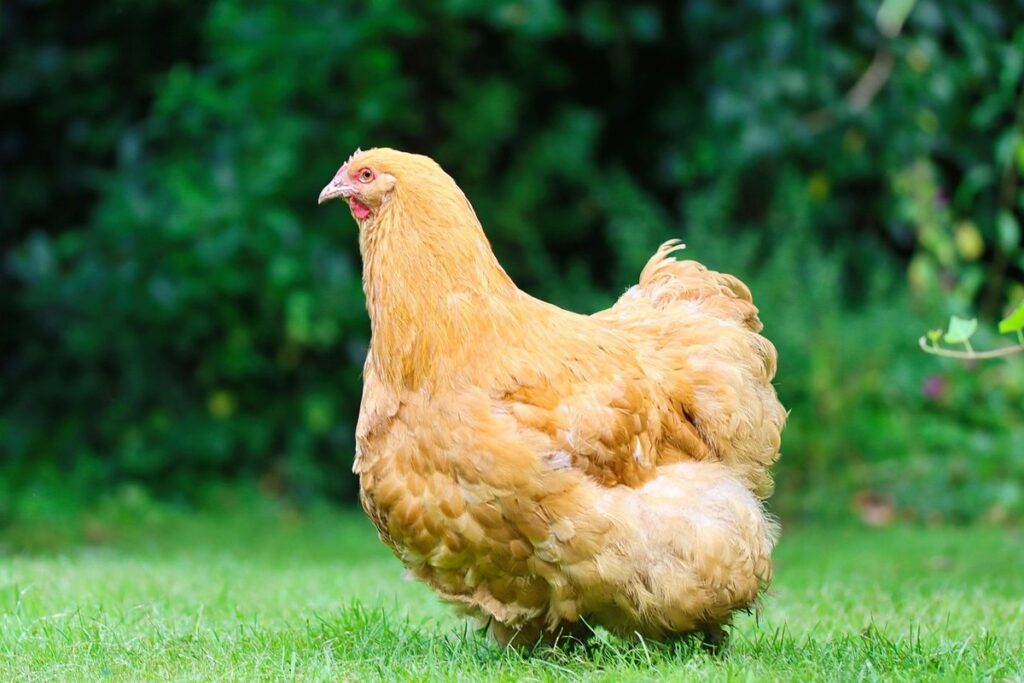
Understanding Orpington Chickens
To get started on breeding beautiful Orpington chickens, it’s essential to understand their characteristics and temperament. Let’s dive into what makes these gentle giants tick.
Origin and History of Orpingtons
The Orpington breed has its roots in England, where it was first developed in the late 19th century. The story of its creation is a fascinating one, and it’s a testament to the innovative spirit of poultry breeders at the time. In the 1860s, William Cook, an English breeder, set out to create a chicken that would be both beautiful and productive.
Cook’s vision was for a bird that would thrive in the British climate, with a thick, fluffy coat and a friendly demeanor. He achieved this by crossing various breeds, including the Langshan, the Brahma, and the Sussex. The result was a stunning bird with a unique appearance and excellent temperament.
The Orpington quickly gained popularity among backyard chicken keepers due to its impressive characteristics. Not only is it an attractive breed, but it’s also known for its gentle nature, making it an ideal choice for families with children or for those who want a low-maintenance pet. Its large size and rich plumage make it a standout in any flock, and its friendly personality has won the hearts of many chicken enthusiasts.
Temperament and Personality Traits
One of the most appealing aspects of Orpington chickens is their temperament and personality traits. These gentle giants are renowned for their docile nature, making them an excellent choice for families with children or as pets. Their calm demeanor allows them to thrive in a variety of living situations, from small backyards to large farms.
Orpingtons are often described as “lap chickens” due to their affectionate and loving personalities. They have a natural instinct to follow and be close to their owners, which makes them great companions for those who want a loyal feathered friend. In fact, many Orpington breeders recommend hand-rearing chicks from an early age to help develop this friendly nature.
To integrate your Orpington into family life or as a pet, it’s essential to establish a trusting relationship. Spend time with your chickens, handle them gently and regularly, and provide a safe and comfortable living space. With patience and consistency, you’ll find that your Orpington will grow into a well-socialized and loving member of the household.
Some breeders also swear by introducing multiple breeds together to create unique and harmonious flocks. Experimenting with different combinations can result in fascinating and friendly interactions between various bird personalities, further highlighting the adaptable nature of Orpingtons.
Choosing the Right Breeding Stock
When it comes to breeding Orpington chickens, selecting top-notch stock is crucial for producing healthy, thriving birds. In this next section, we’ll explore key factors to consider when choosing your breeding stock.
Selecting Foundation Hens
When selecting foundation hens for breeding purposes, it’s crucial to prioritize high-quality stock that will set the standard for future generations. Your initial flock will serve as the foundation of your breeding program, and their characteristics will be passed down to their offspring.
To ensure you’re getting top-notch birds, look for hens with excellent egg production records. A minimum of 200-220 eggs per year is a good starting point, but ideally, you’ll want hens that produce at least 250-260 eggs annually. Fertility is also essential; your rooster should be able to successfully fertilize most of the eggs laid by the hens.
It’s also vital to consider the overall health and resilience of your foundation hens. Select birds from reputable breeders who have a proven track record of producing healthy, robust offspring. Look for hens with strong immune systems, good feather condition, and minimal signs of stress or disease. This will help you avoid introducing potential health issues into your breeding program.
Cockerel Selection for Fertility
When selecting a stud rooster for breeding purposes, fertility is of utmost importance. A cock with excellent fertility rates will not only increase the chances of successful hatchings but also help maintain the overall health and vigor of your flock. So, how do you evaluate cocks for desirable traits like plumage, temperament, and reproductive capabilities?
Start by looking for a rooster with good genetics. Choose one from a reputable breeder who has a proven track record of producing healthy, fertile offspring. Next, observe the cock’s overall health and condition. A robust rooster with bright, alert eyes and a plump, firm comb is more likely to be fertile than one that appears scrappy or lethargic.
When evaluating temperament, consider whether the cock is calm and docile around humans and other birds. Avoid aggressive or overly dominant cocks, as they can stress your hens and lead to reduced fertility.
In terms of reproductive capabilities, look for a rooster with good breeding habits, such as regular mating and a strong instinct to fertilize eggs.
Breeding Principles and Techniques
When it comes to breeding Orpington chickens, understanding key principles and techniques is crucial for success. Let’s dive into the fundamental methods that will help you raise healthy and desirable birds.
Understanding Orpington Egg Production
When it comes to breeding Orpington chickens, egg production is a crucial aspect of the program. Not only does it ensure that you have a steady supply of eggs for consumption, but it also provides valuable information on the hens’ overall health and reproductive capabilities.
As an Orpington breeder, setting realistic expectations for egg-laying abilities is essential. On average, a healthy Orpington hen will lay around 200-220 brown eggs per year. However, this number can vary depending on factors such as nutrition, management, and genetics. It’s also worth noting that hens tend to peak in production between 2-5 years of age, after which egg numbers may decline.
To gauge your flock’s productivity, keep accurate records of each hen’s laying performance. Monitor their weight gain, body condition score, and overall health to identify any potential issues. Regularly reviewing these metrics will enable you to make informed decisions about selecting breeding stock and implementing improvements in your program.
Mate Selection Strategies
When it comes to breeding Orpington chickens, selecting the right mates is crucial for producing healthy, high-quality offspring. To achieve this, poultry breeders employ various mating strategies that prioritize genetic diversity and minimize inbreeding.
One common approach is linebreeding, where two birds from a related but distinct family are mated. This method preserves desirable traits while introducing new genetics to the flock. However, it requires careful planning to avoid exacerbating inherited health issues or reducing fertility.
Outbreeding, on the other hand, involves crossing unrelated individuals from different bloodlines. While this can bring in fresh genes and improve overall diversity, it carries risks if not managed properly – for instance, introducing unwanted characteristics or diluting the breed’s signature traits.
To maintain genetic diversity within a flock, breeders can implement rotational breeding programs. This means regularly swapping birds between families to promote gene flow and prevent stagnation. It’s also essential to keep detailed records of your birds’ ancestry, health, and performance to inform future mating decisions and avoid inbreeding. By adopting these strategies, you’ll increase the chances of producing robust, thriving Orpington chickens that meet your breeding goals.
Breeding for Specific Traits
When breeding Orpington chickens, you may want to focus on specific traits such as plumage color, size, or egg-laying ability. Let’s explore how to achieve these desired characteristics in your flock.
Increasing Egg Size or Production
Breeding Orpingtons with desirable traits like increased egg size or improved fertility requires careful consideration of genetic factors and potential trade-offs. When it comes to increasing egg size, you’re looking for hens that inherit the trait from their parents through a dominant gene. This means selecting roosters with large egg-laying mothers as mates can increase the chances of producing offspring with larger eggs.
Genetic diversity is also crucial in breeding programs. You’ll want to introduce new bloodlines or select birds with unique genetic combinations to avoid inbreeding and ensure your flock remains healthy. However, introducing too many new genes at once can dilute desirable traits. A balanced approach involves selecting a few key birds each year and carefully planning breedings to achieve the desired outcome.
For example, if you’re aiming for improved fertility, you may want to prioritize roosters with high fertility rates as sires. But keep in mind that improving one trait often comes at the cost of another, such as egg size or hatch rate. Be prepared to make tough decisions and monitor your flock’s performance closely to optimize breeding outcomes.
When selecting birds for breedings, focus on those with a proven track record of producing quality offspring. Look for characteristics like strong growth rates, robust health, and desirable egg-laying patterns. With careful planning and selection, you can create a thriving Orpington flock that excels in multiple areas.
Developing New Colors or Varieties
Developing new colors or varieties within the Orpington breed can be an exciting and rewarding experience for breeders. However, it requires a thorough understanding of color genetics to avoid unintended consequences.
When introducing new colors or varieties, breeders must consider the genetic makeup of their birds. For example, adding a black gene to an existing blue Orpington flock may not produce the desired result due to the interaction between genes. A comprehensive knowledge of Mendelian inheritance patterns is essential to predict the outcome and avoid dilution or loss of desirable traits.
To develop new colors or varieties, breeders can select birds with the desired characteristics and breed them together to create a new line. However, selective breeding can lead to issues such as reduced fertility, poor egg quality, or increased susceptibility to disease. To mitigate these risks, it’s essential to maintain genetic diversity by introducing new bloodlines and regularly evaluating the health and performance of your flock.
It’s also crucial to research existing breed standards and ensure that any new color or variety complies with them. This not only ensures that your birds are recognized within the breed but also helps preserve the integrity of the Orpington breed as a whole.
Managing a Breeding Flock
When it comes time to manage your breeding flock, there are several key considerations to keep in mind to ensure success and healthy birds. Let’s break down these essential factors.
Health Considerations in Breeding Stock
When it comes to breeding Orpingtons, maintaining robust flock health is crucial. Unfortunately, this breed can be prone to certain health concerns that are specific to their characteristics and needs.
One of the most common issues affecting Orpingtons is obesity. Their large size and gentle nature make them susceptible to overeating, which can lead to a range of health problems, including heart disease, diabetes, and mobility issues. To mitigate this risk, it’s essential to provide a balanced diet that meets their nutritional needs, along with regular exercise and monitoring.
Another concern specific to Orpingtons is their susceptibility to respiratory infections. Their large size can make it difficult for them to clear mucus from their airways, which can lead to serious illness if left untreated. To minimize the risk of respiratory problems, ensure your flock has adequate ventilation, and consider vaccinating against diseases like Marek’s.
Regular parasite control is also essential in maintaining a healthy flock. Regularly inspect birds for signs of internal parasites such as worms, and use preventative measures like worming medication to keep infestations under control.
Record Keeping and Tracking Progress
Accurate record-keeping is essential for successful breeding programs. Without it, you risk losing track of individual bird’s performance, making data-driven decisions impossible. When tracking progress, start by creating a spreadsheet to log information such as egg-laying dates, hatch rates, and chick weights.
Record keeping also involves documenting any health issues or genetic defects that may arise in your flock. This data can help you identify potential breeding problems and make informed decisions about which birds to keep for future breeding. For instance, if you notice a high incidence of feather pecking among certain hatches, it’s likely due to genetics.
Regularly reviewing and analyzing these records will allow you to refine your breeding program over time. Look for patterns in the data that indicate successful pairings or those that need improvement. Adjust your breeding strategy accordingly by culling underperforming birds and focusing on proven pairs. Remember, this process requires patience and dedication – tracking progress is an ongoing task that demands regular attention to see real results.
Marketing and Selling Breeding Stock
If you’re planning to breed Orpingtons for sale, understanding how to effectively market and sell your breeding stock is crucial for success in the poultry industry. This section will cover valuable tips on pricing, advertising, and selling your prized birds.
Building a Brand or Business
When building a reputable brand or business associated with your Orpington breeding program, it’s essential to focus on quality, consistency, and customer satisfaction. Start by developing a clear mission statement that outlines your goals, values, and commitment to excellence. This will serve as the foundation for your brand identity.
To market your flock effectively, create high-quality photos and videos showcasing your birds’ characteristics, temperament, and conformation. Share these on social media platforms, breed association websites, and your own website or blog. Engage with potential customers by responding promptly to inquiries and providing detailed information about each bird’s ancestry, health testing, and breeding history.
Consider partnering with reputable hatcheries, feed companies, or other poultry suppliers to expand your network and reach new customers. Attend local and national poultry shows to showcase your birds and connect with experienced breeders and enthusiasts. By focusing on quality, consistency, and customer satisfaction, you can build a loyal following and establish a successful business associated with your Orpington breeding program.
When interacting with customers, remember that transparency is key – be open about any challenges or setbacks you may face, and demonstrate your commitment to continuous improvement. This will help foster trust and loyalty among your customers, setting your brand apart from competitors.
Regulations and Requirements for Selling Chickens
When selling Orpington chickens, it’s essential to familiarize yourself with the regulations and requirements governing the sale of poultry across different regions. This can vary significantly depending on where you’re located.
In the United States, for instance, the US Department of Agriculture (USDA) regulates the interstate movement of birds, including chicks and hatching eggs. You may need to obtain a federal permit to ship birds or eggs beyond your state’s borders. To do this, you’ll need to register with the National Poultry Improvement Plan (NPIP) and have your flock tested for diseases like Salmonella.
Even within states, regulations differ. Some require sellers to be licensed or registered, while others may demand specific documentation, such as health certificates for birds sold in person. Research local laws before selling chickens, as fines can range from $500 to over $5,000 for non-compliance. It’s also worth noting that online sales often fall under federal regulations.
To ensure compliance, create a checklist of necessary permits and certifications, and familiarize yourself with regional differences. Consult your state department of agriculture or a local veterinarian for guidance on specific requirements in your area.
Frequently Asked Questions
How do I determine the ideal sex ratio for my breeding flock?
Determine your goals: are you looking to breed for meat, eggs, or companionship? A general rule of thumb is to have a 1:10 rooster-to-hen ratio for commercial egg production and a 1:5-1:7 ratio for small-scale operations. Consider factors like space, feed, and potential conflicts between birds when deciding on the sex ratio.
What are some common health issues I should watch out for in my Orpingtons?
Be aware of breedspecific conditions like obesity, feather pecking, and reproductive problems. Regularly check for signs of illness or injury, maintain a clean coop and living area, and keep accurate records to monitor your flock’s health over time.
Can I breed Orpingtons with other chicken breeds to create new varieties?
Yes, but careful consideration is necessary when crossing different breeds. Research the characteristics you want to introduce from the other breed and ensure compatibility. Keep in mind that introducing new genetics can increase the risk of inherited diseases or reduce fertility.
How do I select the perfect foundation hens for my breeding program?
Choose birds with excellent egg-laying ability, desirable conformation, and a good temperament. Look for birds with high fertility rates and consider their ancestry when selecting foundation stock. It’s also essential to evaluate your flock regularly to identify the best birds for future generations.
What are some tips for increasing egg size or production in my Orpingtons?
Ensure optimal nutrition by providing a balanced feed that includes calcium, protein, and other essential nutrients. Maintain a stress-free environment with adequate space, light, and ventilation. Also, monitor your flock’s reproductive health through regular health checks and adjust breeding strategies as needed to optimize egg production.