
Are you ready to take your poultry hobby to the next level by learning how to breed Sebright bantams? These charming birds are not only stunningly beautiful, but they’re also known for their friendly and affectionate nature. As a breeder, selecting reputable stock and preparing your flock is crucial for success. But it’s not just about throwing two healthy chickens together – you need expert advice on health checks, nutrition, and more to ensure that you’re raising strong, healthy chicks.
In this comprehensive guide, we’ll walk you through everything you need to know to breed Sebright bantams with confidence. We’ll cover selecting reputable breeders, preparing your flock for breeding, and providing expert tips on how to raise healthy chicks. By the end of this article, you’ll be equipped with all the knowledge you need to start your own successful breeding program. Whether you’re a seasoned breeder or just starting out, we’ve got you covered.
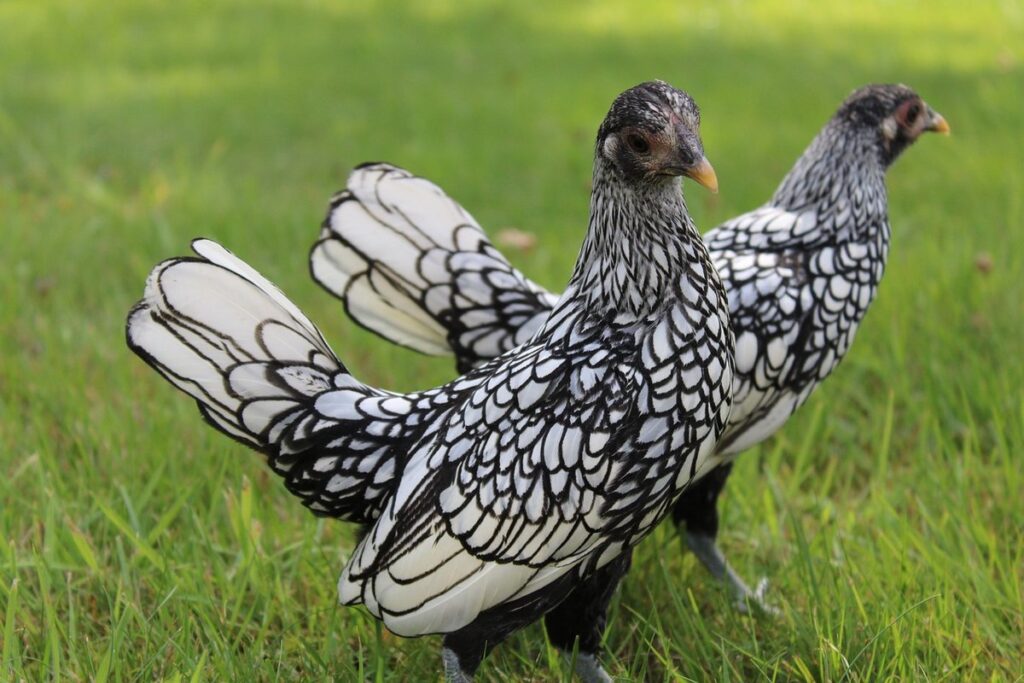
Choosing the Right Breeder
When selecting a breeder, it’s essential to research and find someone who prioritizes the health, temperament, and genetics of their birds. A good breeder will be happy to answer your questions about their flock and breeding program.
Researching Reputable Breeders
When it comes to finding the perfect Sebright Bantam for your flock, selecting a reputable breeder is essential. Not only will they ensure you receive a healthy and well-socialized bird, but you’ll also be supporting responsible breeding practices.
To research potential breeders, start by checking if they are registered with poultry associations such as the American Bantam Association (ABA) or the British Poultry Standards (BPS). This guarantees that their birds have been bred to meet specific standards and guidelines. Look for breeders who prioritize health, temperament, and conformation.
Read online reviews from other customers to gauge a breeder’s reputation. Check websites like Google Reviews or social media platforms where customers share their experiences with the breeder. Ask fellow bird enthusiasts for referrals – word of mouth is often the best way to find reliable breeders. Be wary of breeders who are reluctant to provide references or information about their birds. A reputable breeder will be transparent and proud of their breeding program, so trust your instincts if something seems off.
Understanding Breeding Ethics
Breeding Sebright bantams responsibly requires careful consideration of several ethical factors. At its core, breeding is about creating a healthy and thriving flock while prioritizing animal welfare. This means avoiding inbreeding, which can lead to genetic disorders and reduced fertility. Instead, aim for a diverse gene pool by introducing new bloodlines or incorporating unrelated birds into your breeding program.
To maintain genetic diversity, consider participating in breed clubs or working with reputable breeders who adhere to strict breeding standards. Look for breeders who provide health clearances for their birds, such as MBI (Musculo-Skeletal) and ESB (Eye Score Board) certificates. These clearances help ensure that your birds are free from inherited conditions.
When selecting breeding stock, prioritize temperament and overall health. Ensure that your birds have ample space to roam and engage in natural behaviors. By prioritizing animal welfare and genetic diversity, you’ll not only produce healthier birds but also contribute to the preservation of this beloved breed for generations to come.
Preparing Your Flock for Breeding
Before you start breeding your Sebright bantams, it’s essential to prepare a healthy flock and ensure that all birds are in top condition. This section will walk you through the key considerations for achieving this goal.
Health Checks and Vaccinations
Before introducing new birds to your breeding program, it’s essential to conduct thorough health checks on each individual. This involves examining the bird’s plumage, eyes, beak, and overall physical condition for any signs of illness or injury. A healthy bird will have shiny feathers, clear eyes, and a strong, well-shaped beak.
Health checks should also include a visual examination of the feet and legs for signs of mites, lice, or scaly leg syndrome. In addition to these visual inspections, you can also perform simple tests such as weighing your birds and checking their droppings for any abnormalities.
Regular vaccinations are another crucial aspect of maintaining a healthy breeding flock. Consult with a veterinarian experienced in poultry care to determine the best vaccination schedule for your region and the specific diseases prevalent in your area. Typically, vaccinations protect against diseases like Newcastle disease, Infectious bronchitis, and Avian influenza. Ensure that you follow proper vaccination procedures to avoid causing unnecessary stress or harm to your birds.
Nutrition and Supplements
When it comes to breeding successful Sebright Bantams, nutrition plays a crucial role in their overall health and fertility. A well-balanced diet provides the necessary energy, nutrients, and minerals for optimal egg production and reproductive health.
To ensure you’re providing an optimal diet for your flock, start by offering a high-quality layer feed as the main staple. Look for a feed that’s formulated specifically for breeding hens, as it will provide the necessary protein and calcium levels to support egg development and strong bones. In addition to their regular feed, supplement with fresh fruits and vegetables daily, such as leafy greens, berries, and carrots.
Consider adding specific supplements to enhance fertility and egg production. Calcium carbonate can help fortify eggshells and promote stronger bone health, while Omega-3 fatty acids support reproductive health and reduce stress. Provide a source of probiotics, like yogurt or kefir, to maintain gut health and boost the immune system. Ensure access to clean, fresh water at all times, as hydration is essential for optimal breeding performance.
Selecting Mating Birds
When selecting birds for breeding, finding healthy, genetically diverse pairs is crucial for producing robust offspring. Here’s how to pick the perfect pairing for your sebright bantams.
Choosing the Right Stock
When it comes to selecting mating birds for your Sebright Bantam flock, there are several key factors to consider. Genetic diversity is crucial to ensure the health and vitality of your birds. Look for a mix of different bloodlines and genetics to create a robust gene pool. You can achieve this by breeding with multiple roosters or hens from various breeders.
Temperament is also vital, as you want your mating birds to be calm and even-tempered. Avoid birds that are aggressive or flighty, as they may stress your other birds and make the breeding process more difficult. Instead, opt for birds with a gentle disposition that will complement each other well.
Conformation is another essential consideration. Check that your birds meet the breed standard in terms of size, plumage, and overall appearance. Look for birds with good posture, clean feet, and a well-set tail. This will not only enhance their aesthetic appeal but also ensure they are healthy and robust.
When evaluating potential mating pairs, consider their interaction with each other as well. Do they get along peacefully, or do you notice any signs of aggression or stress? The more harmonious the pair, the easier it will be to manage them during breeding season.
Avoiding Inbreeding
When breeding sebright bantams, it’s essential to be mindful of the risks associated with inbreeding. Inbreeding occurs when closely related birds are bred together, which can lead to a range of health problems and reduced fertility. Some potential issues that may arise from inbreeding include increased susceptibility to disease, lower immune function, and a higher incidence of genetic disorders.
To minimize the occurrence of inbreeding, it’s crucial to maintain accurate breeding records. This will enable you to track the lineage of your birds and identify any close relationships between individuals. A good starting point is to draw up a family tree for each of your birds, highlighting their ancestry and connections to other birds in your flock.
When selecting pairs for breeding, prioritize diversity over familiarity. This may involve importing new bloodlines or seeking out unrelated breeders to exchange birds with. By doing so, you’ll be able to introduce fresh genetics into your flock while minimizing the risk of inbreeding.
Breeding Process
To successfully breed Sebright bantams, understanding their unique characteristics and breeding requirements is crucial. This guide will walk you through the essential steps of creating healthy and thriving offspring.
Courtship and Mating Behavior
When it comes to breeding Sebright bantams, understanding their courtship and mating behavior is crucial for successful reproduction. These birds are known for their energetic and passionate nature when it comes to pairing up.
During the breeding season, typically from spring to early fall, male Sebrights will begin to display intense courtship behaviors towards females in heat. This may include singing, preening, and even performing elaborate aerial displays. If a female is receptive, she’ll signal her interest by returning the male’s attentions and even initiating copulation.
Signs of receptivity can be subtle, but look for a relaxed posture, gentle pecking, or active engagement with the male’s advances. When copulating, both birds will lock beaks, and the male will perform a brief thrust before releasing. Keep in mind that Sebrights are prolific breeders and may produce multiple clutches per season, so be prepared to manage their mating activity.
To maximize breeding success, ensure your birds have ample space, quality food, and suitable shelter. Monitor their behavior closely to identify signs of receptivity and intervene if necessary to prevent unwanted matings or stress on the females. With careful observation and attention to detail, you can successfully breed Sebright bantams and enjoy a thriving flock.
Incubation and Brood Management
When it comes to incubation and brood management for your Sebright Bantams, the goal is to create a safe and nurturing environment that supports healthy growth and development. To start, make sure you have a reliable incubator with precise temperature control. A consistent temperature between 99°F and 100°F (37°C to 38°C) is crucial during the first 18 days of incubation.
Maintaining optimal humidity levels is also essential. Aim for a humidity level of around 50-60% during the first 24 hours, then gradually decrease it to 30-40% for the remaining incubation period. This can be achieved by using a water pan or a misting system within your incubator.
Regular monitoring is vital to identify any potential issues early on. Check the eggs daily for any signs of cracking or abnormal development. Also, ensure that the incubator’s ventilation and airflow are adequate to prevent CO2 buildup and maintain a healthy environment for your developing chicks. By following these guidelines, you’ll be well-equipped to manage your brood successfully and increase your chances of healthy hatchlings.
Raising Chicks
Now that you have your new Sebright Bantam chicks, it’s time to get hands-on and start raising them successfully. This is where patience, care, and attention come into play.
Hand-Rearing Techniques
Hand-rearing Sebright Bantam Chicks: A Guide to Success
When it comes to raising chicks, hand-rearing can be a challenging but rewarding experience. As a breeder of Sebright bantams, you’ll want to ensure that your young birds receive the best possible start in life. To achieve this, it’s essential to have a solid understanding of hand-rearing techniques.
First and foremost, setting up a brooder is crucial for the health and well-being of your chicks. A brooder should be well-ventilated, draft-free, and kept at a temperature of around 90°F (32°C) for the first week or two after hatching. You’ll also need to provide a heat source, such as a heat lamp or ceramic heat emitter, to maintain the optimal temperature.
A feeding schedule is also vital when hand-rearing chicks. It’s essential to offer a starter crumb or pellet specifically formulated for young birds, mixed with grit and oyster shells, at least 3-4 times a day. Be sure to monitor your chicks’ weight and adjust their diet accordingly.
Socialization and Introduction to the Flock
Socialization is a critical aspect of raising healthy and well-adjusted birds. From an early age, chicks learn social cues from their flock members, which shapes their behavior and temperament as adults. When introducing new chicks to the existing flock, it’s essential to do so gradually to avoid stressing either group.
Begin by placing the chicks in a separate enclosure within visual range of the adult birds, allowing them to become familiar with each other’s presence without direct contact. This can be achieved by hanging a bird-proof screen or mesh between the two areas. Once the chicks appear comfortable and non-aggressive towards the adults, it’s time for supervised introductions.
Start with short periods of supervised interaction, monitoring both groups’ behavior closely. If you notice signs of aggression or stress, intervene promptly to separate them. With patience and careful planning, your new Sebright Bantam chicks will integrate seamlessly into the flock, contributing positively to their overall social dynamics.
Common Issues and Challenges
Breeding sebright bantams can be a rewarding experience, but it’s not without its challenges. Let’s take a look at some of the common issues that may arise in your breeding program.
Health Problems
When breeding Sebright bantams, it’s essential to be aware of common health issues that can arise during this time. One of the most critical concerns is heat stress, which can be a significant problem for these birds due to their small size and dense feathering. In extreme temperatures, especially above 80°F (27°C), Sebrights can quickly become dehydrated and overheated.
Another issue you may encounter is respiratory problems, often caused by dust or mold in the coop. Regular cleaning and ventilation are crucial to prevent this. Additionally, be on the lookout for signs of mites and lice infestations, which can spread disease among your flock.
To prevent health issues, ensure your Sebrights have access to clean water at all times, and make sure their living space is well-ventilated and maintained. Regularly inspect your birds for any signs of illness or stress, and keep a close eye on temperature fluctuations in your area. Consult with a veterinarian experienced in poultry care if you suspect any health problems.
It’s also vital to note that certain genetic conditions can affect Sebrights, including crossed beak and dwarfism. If you’re breeding these birds, it’s crucial to research and understand the potential risks associated with these traits.
Behavioral Problems
Breeding Sebright Bantams can be a delightful and rewarding experience, but like any form of animal husbandry, it’s not without its challenges. One common issue that breeders may encounter is behavioral problems. These can arise from various factors, including genetics, environment, and handling practices.
For example, some Sebright Bantam males can develop aggressive behavior towards other birds or even their owners due to testosterone levels. In such cases, it’s essential to separate them early on to prevent any harm. You should also ensure that they have adequate space and stimulation to reduce stress and aggression.
Another behavioral issue is feather pecking, which can be a problem in flocks with high-energy birds. To address this, provide plenty of foraging opportunities and stimulate their beaks with toys and treats. Proper handling practices from an early age are also crucial; handle your birds gently, regularly, and in a way that doesn’t cause them undue stress.
By being aware of these potential behavioral problems and taking proactive steps to address them, you can minimize the risk of issues arising and enjoy a more harmonious breeding experience with your Sebright Bantams.
Conclusion
Now that you’ve successfully bred your first batch of Sebright bantams, it’s essential to take a step back and assess what worked well and what didn’t. Reflecting on your experience will help you refine your breeding techniques and improve the quality of your birds in future endeavors. Consider keeping a record of your breeding progress, including notes on hatch rates, egg production, and chick viability. This documentation will serve as a valuable resource for future reference, allowing you to identify patterns and areas for improvement.
As you continue to breed Sebright bantams, remember that practice makes perfect. Don’t be discouraged by setbacks or unexpected outcomes – instead, view them as opportunities to learn and grow. Stay committed to your passion, and with patience and dedication, you’ll become a skilled breeder, renowned for producing high-quality birds that bring joy to their owners.
Frequently Asked Questions
What are the key factors to consider when selecting a breeding program for Sebright Bantams?
When choosing a breeding program, prioritize those that emphasize genetic diversity, health checks, and responsible breeding practices. Look for breeders who share their breeding goals, flock management strategies, and commitment to improving the breed.
How do I handle common issues like infertility or egg-related problems in my breeding stock?
If you encounter fertility or egg-related issues in your breeding stock, consult with a veterinarian or experienced breeder to identify potential causes. Implement targeted nutritional supplements, health checks, and manage stress levels to address these issues. Be prepared to adjust your breeding program accordingly.
What are some signs of genetic diversity in Sebright Bantams that I should look for?
Genetic diversity is crucial for maintaining the health and vigor of your flock. Look for breeders who have incorporated new bloodlines into their programs, and assess your own flock’s diversity by evaluating their plumage patterns, beak shapes, and overall physical characteristics.
Can I use my existing Sebright Bantam flock as breeding stock without introducing outside birds?
Using only your existing flock can lead to inbreeding and reduce genetic diversity. Introducing outside birds from reputable breeders will introduce new genetics, promote health, and ensure the long-term success of your breeding program.
What are some essential tools or resources I need to establish a successful breeding program for Sebright Bantams?
To set up an effective breeding program, you’ll need basic poultry management tools (e.g., nesting boxes, brooders), nutritional supplements, a first-aid kit, and access to veterinary care. Consider investing in genetic testing kits to monitor the health of your flock and identify potential issues early on.