
As you navigate the complex world of large-scale poultry production, optimizing broiler growth stages is crucial for achieving efficiency, health, and optimal weight gain. From day-old chicks to harvest readiness, understanding the various growth stages of broilers is essential for making informed decisions that impact your operation’s bottom line. But with so many factors at play – feed management, climate control, disease prevention, and more – it can be overwhelming to know where to start.
In this article, we’ll break down the key broiler growth stages, providing you with a clear understanding of what to expect from day-old chicks to market-ready birds. We’ll also explore proven strategies for optimizing weight gain, maintaining health, and streamlining production processes to maximize efficiency and profits. By the end of this article, you’ll be equipped with actionable insights to take your poultry operation to the next level.
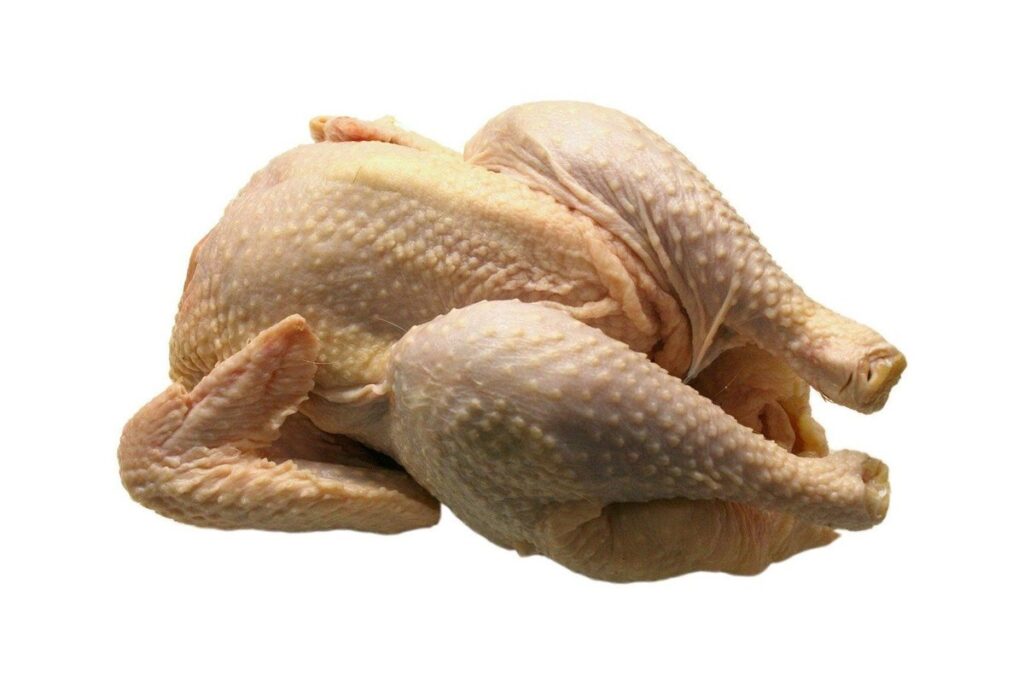
Stage 1: Day Old to 1 Week Old Chickens
This crucial stage sets the foundation for your broilers’ future growth, so let’s dive into how they develop from day old to one week old. Proper care during this period is essential for their overall health and development.
Arrival and Acclimation
When day-old broiler chicks arrive at the farm or hatchery, it’s essential to prioritize their acclimation and care. This crucial period sets the stage for their overall growth and development. Upon arrival, ensure a gentle transition by providing a quiet, draft-free environment with adequate ventilation.
Temperature is a critical factor during this initial phase. Most broiler farms maintain a temperature range of 90-95°F (32-35°C) for the first few days to simulate the warmth of the hatchery. This helps reduce stress and promotes heat-seeking behavior, which is vital for their growth.
Upon entering the brooder house, chicks need time to explore and adjust to their new surroundings. Ensure adequate lighting, as a dark environment can cause stress and weaken their immune system. Water and feed should be readily available, but ensure access points are placed at a comfortable height to prevent drowning or choking risks.
By prioritizing these basic care procedures and providing a nurturing environment, you’ll set your chicks up for success in the early stages of their growth.
Health Checks and Vaccinations
As you bring home your day-old chicks, it’s essential to prioritize their health and well-being. Conducting regular health checks is crucial during this stage, especially within the first week of life. Look for signs of illness, such as labored breathing, lethargy, or changes in appetite. Make sure to also monitor the flock’s temperature, humidity levels, and overall environment.
Schedule your vaccinations according to a reliable poultry schedule. For broilers, the most common vaccinations include Newcastle disease (ND) and Infectious Bronchitis (IB). Administer these vaccinations on day 1 and 7 of age, respectively. For IB, some farms may choose to administer it in two doses: one at day 7 and another 2-3 weeks later.
When administering vaccinations, follow strict protocols to prevent cross-contamination and ensure accurate dosing. Wear protective gear, including gloves and masks, when handling live birds or vaccines. Store the vaccine according to the manufacturer’s instructions and maintain a clean environment during administration.
Nutrition and Hydration in Early Stages
During the critical first week of life, broilers require precise nutrition to establish a strong foundation for growth and development. At day-old, chicks start pecking at feed immediately, signaling their readiness for nutrient uptake. Producers typically provide starter crumbs or mash specifically formulated for day-old broilers, rich in protein (around 18-20%) and energy-dense ingredients.
Water is also introduced concurrently with feed to ensure proper hydration and digestion. It’s essential to provide access to clean water at all times, as dehydration can quickly become a problem in young chicks. In fact, a study by the University of Kentucky found that even mild dehydration can reduce growth rates by up to 20%.
To promote optimal growth during this period, producers should aim for a starter feed with a calcium content between 1-2%. Calcium is crucial for bone development and will be continuously replenished through subsequent feed transitions. Monitor your chicks’ consumption patterns closely to adjust feeding schedules as needed, ensuring they always have access to fresh feed and water.
Stage 2: 1-4 Weeks Old Broilers
During this critical period, your young broilers will require careful attention to their nutrition and environment as they adapt to life outside the hatchery. Proper management is key to ensuring healthy growth and development during these first few weeks.
Weight Gain and Feeding Strategies
In the first month of life, broilers experience rapid weight gain, with some breeds growing up to 50% of their adult weight. To optimize growth rates and ensure a healthy flock, it’s essential to implement effective feeding strategies. A balanced diet is crucial during this period, providing the necessary nutrients for muscle development and energy production.
A well-planned feeding schedule can make all the difference. Divide daily feed intake into several meals, rather than one or two large ones, to prevent gorging and reduce waste. Aim for 20-25% protein content in starter feeds, gradually increasing it to 30-35% as birds approach adulthood. Ensure access to clean water at all times, and consider supplementing with probiotics or electrolytes to support gut health.
By adopting these feeding strategies, you can promote optimal growth rates and reduce the risk of developmental issues. Keep a close eye on your flock’s weight gain, adjusting feed rations accordingly. Consult with a poultry expert or veterinarian for personalized advice tailored to your specific breed and operation. Remember, a healthy diet is just one aspect of successful broiler production – stay tuned for our next section on environmental factors influencing growth.
Health Challenges and Monitoring
As broilers grow and develop during the 1-4 weeks old stage, they become increasingly susceptible to various health challenges. Marek’s disease is a significant concern at this age, caused by a herpesvirus that can lead to inflammation of the nervous system, resulting in paralysis or even death. It’s essential for producers to maintain strict biosecurity measures, including proper vaccination protocols and sanitation practices.
Another common issue faced during this stage is coccidiosis, a parasitic disease affecting the broiler’s digestive system. Monitoring for symptoms such as watery droppings, lethargy, and loss of appetite is crucial. Producers can implement preventive measures like offering oocyst-free feed or supplementing with ionophores to reduce the risk.
Regular health checks involve monitoring temperature, humidity levels, and observing bird behavior. Keep an eye out for unusual signs such as labored breathing, coughing, or changes in droppings. Early detection enables prompt intervention, reducing the risk of disease spread and minimizing economic losses.
Brooder Management and Biosecurity
As broilers transition from stage 1 to stage 2, it’s essential to focus on brooder management and biosecurity practices that promote a healthy environment for rapid growth. A key aspect of brooder management is providing adequate ventilation, temperature control, and lighting. Ensure that the brooder is well-ventilated to prevent ammonia buildup and maintain optimal temperatures between 90°F and 100°F (32°C and 38°C). Proper lighting also plays a crucial role in promoting growth; ensure that the broiler has access to natural light or use artificial lighting systems that mimic daylight.
Biosecurity measures are vital in preventing disease spread. Implement strict hygiene protocols, including regular cleaning and disinfection of equipment and feeders. Ensure that all personnel entering the brooder wear personal protective equipment (PPE) such as gloves, masks, and eye protection. Monitor the broiler’s health closely, and implement a vaccination program if necessary. Regularly inspect the brooder for any signs of disease or stress, and take prompt action to address any issues. By following these best practices, you can create an environment that fosters healthy growth and minimizes the risk of disease.
Stage 3: 4-6 Weeks Old Broilers
At four to six weeks old, your broiler chicks have reached a critical growth stage where their diet and environment play a crucial role in determining their overall health and productivity. In this section, we’ll explore what you need to know about raising them effectively during this period.
Sexual Maturity and Growth Rate
As broilers approach 4-6 weeks of age, they begin to experience significant changes that signal their transition into sexual maturity. This stage is characterized by noticeable behavioral and physiological shifts that can impact growth rates.
At around 4 weeks, males start to develop testicular function, while females enter the follicular phase of egg development. As a result, broilers may exhibit increased aggression, territorial behavior, or changes in feeding patterns. For example, males might become more dominant, leading to pecking order disputes among flock members.
Physiological changes also occur during this period, including increased sex hormone production and adrenal gland activity. These hormonal fluctuations can lead to variations in growth rates, with some birds experiencing accelerated weight gain while others may slow down.
To mitigate the impact of these changes on your flock’s overall performance, ensure a balanced diet that meets their nutritional needs. Monitor feeding behavior closely, as increased aggression or stress may affect feed intake and efficiency.
Feed Conversion Ratio (FCR) Optimization
As broilers reach 4-6 weeks of age, optimizing their Feed Conversion Ratio (FCR) becomes increasingly crucial for efficient production. FCR is a measure of how much feed is required to produce one kilogram of body weight gain. By fine-tuning feed formulation, nutritional management, and feeding practices, you can minimize waste and maximize efficiency.
To achieve optimal FCR, start by formulating feeds that meet the broilers’ changing nutrient requirements during this growth phase. This may involve adjusting protein levels, adding essential amino acids, or incorporating phytogenic compounds to enhance digestibility. A 2% increase in protein levels has been shown to result in a corresponding 1.3% decrease in FCR (Source: Poultury Science Journal).
In terms of feeding practices, consider implementing a step-up feeding program where birds are gradually transitioned from starter feeds to finisher feeds over the course of several days. This helps prevent digestive upsets and ensures that broilers receive the optimal nutrient profile at each growth stage.
Another key strategy is to monitor and adjust FCR regularly through data analysis and bird performance tracking. By identifying areas for improvement, you can make targeted adjustments to feed formulation and feeding practices, ultimately driving down waste and increasing efficiency.
Ventilation and Air Quality Management
Proper ventilation and air quality management are crucial aspects of large-scale broiler production facilities. As broilers grow and develop, they produce a significant amount of waste heat, moisture, and carbon dioxide, which can lead to respiratory problems and decreased growth rates if not managed effectively.
In fact, studies have shown that even small increases in temperature and humidity levels can result in reduced growth rates and increased mortality rates among broilers. To maintain optimal air quality, facilities must ensure adequate ventilation rates, typically between 0.5-1.5 cubic meters per second (m³/s) per animal.
Some key strategies for managing ventilation and air quality include:
• Implementing a comprehensive monitoring system to track temperature, humidity, and CO2 levels
• Utilizing natural ventilation methods, such as wind tunnels or vents, in conjunction with mechanical systems
• Conducting regular cleaning and maintenance of ventilation equipment and facilities to prevent clogging and bacterial growth
By prioritizing proper ventilation and air quality management, broiler farmers can minimize the risk of health problems and optimize growth rates, ultimately resulting in improved efficiency and profitability.
Stage 4: 6-12 Weeks Old Broilers
At six to twelve weeks old, your broiler chickens are almost fully grown, and it’s essential to provide them with optimal nutrition, space, and care to maximize their weight gain. Let’s explore the key considerations for this critical growth phase.
Peak Growth Rate and Feed Formulation
During this critical period of 6-12 weeks, broilers experience their peak growth rate. Their daily weight gain increases significantly, requiring adjustments to feed formulation to support continued weight gain and optimal nutritional needs. At around 8-10 weeks, broilers begin to plateau due to limited nutrient absorption and metabolic constraints.
To maximize growth during this period, ensure your broiler feed contains adequate levels of essential amino acids (EAAs), particularly methionine, lysine, and threonine. These nutrients are vital for protein synthesis and tissue development. A balanced EAA profile will help optimize growth rate and improve overall performance.
Consider the following adjustments to feed formulation:
* Increase energy density by 5-10% to support rapid weight gain
* Add additional vitamins and minerals, such as vitamin B6 and niacin, which play critical roles in energy metabolism
* Maintain optimal levels of calcium and phosphorus for strong bone growth and development
Monitor your flock’s response to these adjustments and make further refinements as needed.
Health Challenges and Disease Management
As broilers enter the 6-12 weeks old stage, they become more susceptible to various health challenges that can significantly impact their growth and productivity. One of the most common issues during this period is ascites, a condition characterized by an accumulation of fluid in the abdomen due to liver damage or heart failure. Ascites can be caused by a range of factors including genetics, nutrition, and environmental stressors.
Breast blisters are another significant concern for broiler farmers at this stage. These painful growths on the breast area can lead to reduced feed intake, decreased egg production, and even lameness in some cases. To manage these issues effectively, it’s essential to implement a robust disease prevention strategy that includes proper ventilation, sanitation, and vaccination programs.
Proper nutrition is also crucial in preventing ascites and breast blisters. Ensure that your broilers are receiving a balanced diet rich in fiber, vitamins, and minerals to promote healthy growth and development. Monitor their drinking water closely for any signs of contamination or bacterial growth, which can exacerbate these health issues.
Implementing a comprehensive biosecurity plan is also vital in preventing disease outbreaks. This includes regularly disinfecting equipment, maintaining clean housing conditions, and ensuring good personal hygiene practices among farm staff. By taking proactive measures to prevent and manage common health challenges, you can ensure the optimal growth and productivity of your broilers during this critical stage.
Debeaking and Decapping Procedures
At 6-12 weeks old, broilers are at a critical stage where they begin to exhibit natural behaviors such as pecking and cannibalism. To prevent feather pecking and cannibalism, debeaking and decapping procedures become essential. Debeaking involves cutting or trimming the beak of the broiler using specialized equipment. This procedure helps reduce aggression and injury among birds caused by excessive beak growth.
Decapping, on the other hand, removes the hard cap covering the broiler’s beak to prevent pecking and feather plucking. It’s essential to note that debeaking should be performed carefully and humanely to avoid causing unnecessary pain or stress to the birds. To minimize discomfort, this procedure is usually done when the chicks are young, around 2-3 days old.
When debeaking or decapping your broilers, it’s crucial to follow proper sanitation and hygiene practices to prevent the risk of infection or disease transmission among the flock.
Stage 5: Finishing Phase (12-18 Weeks Old)
As you approach the final stages of broiler growth, it’s essential to understand the key developments and milestones that occur during this critical period. Here, we’ll explore what to expect at 12-18 weeks old.
Weight Gain and Feed Restriction Strategies
During the finishing phase (12-18 weeks old), weight gain optimization is crucial to ensure broilers reach their maximum marketable weight efficiently. Feed restriction strategies play a vital role in minimizing fat deposition and maintaining lean muscle mass.
One common approach to optimize weight gain during this phase is through controlled feed allocation. This involves feeding birds at 95% of their ad libitum intake, with a reduction in daily feed allowance as they reach 15-16 weeks of age. For instance, if a bird requires 120g of feed per day at 12 weeks, it can be gradually reduced to 100g by 16 weeks.
Another strategy is implementing cyclic feeding, where birds are fed a higher energy diet for two days followed by a two-day restriction period. This approach has been shown to promote weight gain while reducing fat deposition by up to 20%. However, the specific implementation of feed restriction strategies must be based on individual farm conditions and bird performance.
Monitoring and adjusting feed allocation and cyclic feeding schedules regularly is essential to optimize weight gain and minimize waste.
Health Monitoring and Biosecurity Measures
During the finishing phase (12-18 weeks old), it’s essential to continue monitoring the flock’s health and maintain strict biosecurity measures to prevent disease introduction. A healthy flock is crucial for optimal growth, efficiency, and meat quality.
Regular monitoring involves observing birds’ behavior, appetite, and water intake. Watch for any signs of illness, such as lethargy, labored breathing, or changes in droppings. Implement a robust health program that includes vaccinations, deworming, and parasite control according to the flock’s specific needs.
To maintain biosecurity, ensure all personnel entering the farm wear clean clothing and footwear, and follow strict hygiene practices. Disinfect equipment, vehicles, and facilities regularly, especially when moving birds or introducing new stock. Implement a rodent control program, as rodents can carry diseases. Keep accurate records of vaccinations, treatments, and health observations to aid in disease detection and management.
By maintaining a clean and healthy environment, you’ll reduce the risk of disease outbreaks and ensure your flock reaches its full growth potential. Regular monitoring and biosecurity measures will help you make informed decisions and take prompt action when issues arise.
Harvest Readiness and Preparation
As broilers approach the end of their growth cycle, it’s crucial to ensure they’re prepared for harvest. This involves a series of procedures designed to prevent disease and maintain animal welfare.
Firstly, cleaning and disinfection protocols become essential. All equipment, pens, and feeding troughs must be thoroughly cleaned with a solution of water and bleach or quaternary ammonium compounds. Ensure the concentration is as per manufacturer’s instructions, typically between 100-200 ppm. Cleaning should be carried out at least twice a week, focusing on areas where birds come into contact with surfaces.
It’s also vital to implement a robust disinfection program, using foot dips and misters to prevent bacteria from spreading. The use of antimicrobial agents can help reduce the risk of disease outbreaks during this critical period. Regular cleaning and disinfection routines will pay dividends in maintaining bird health and preventing costly losses due to illness or injury.
Proper documentation of these procedures is equally important, so ensure that records are kept detailing cleaning schedules, disinfectant usage, and any notable issues encountered.
Stage 6: Processing and Marketing
Now that we’ve covered broiler growth from chick to market weight, let’s dive into the final stage of their journey: processing and marketing. This is where your birds are transformed into a valuable product for consumers.
Post-Mortem Examination and Grading
The post-mortem examination and grading process is a crucial step in determining the market value of broilers. This evaluation assesses the quality and fitness of the birds for human consumption. The process involves evaluating various factors, including liveweight, carcass weight, breast and leg meat yield, and external characteristics such as plumage condition and any visible defects.
A trained grader conducts the post-mortem examination, taking into account breed type, sex, and production system to determine the bird’s quality grade. The grading process considers multiple factors, including:
* Liveweight: This is a critical factor in determining market value.
* Carcass weight: A higher carcass weight indicates better meat yield.
* Breast and leg meat yield: These are key indicators of the bird’s overall quality.
* External characteristics: Plumage condition, visibility of defects, and other external factors contribute to the bird’s overall grade.
Accurate assessment is essential for market value determination. A well-conducted post-mortem examination and grading process ensures that producers receive fair compensation for their birds. It also helps maintain transparency in the poultry industry by ensuring that buyers understand the quality of the products they’re purchasing.
Meat Quality and Yield Optimization
Meat quality and yield optimization are crucial considerations for broiler producers. Breed selection plays a significant role in determining meat quality and yield. Some breeds are bred specifically for their ability to produce leaner meat, while others prioritize rapid growth rates.
Nutritional management also affects meat quality. A well-balanced diet is essential for optimal growth and development. Key nutrients like protein, energy, and vitamins must be provided in adequate quantities. For example, research has shown that higher levels of lysine can improve breast meat yield without compromising growth rate.
Handling practices can also impact final product quality. Proper handling and transportation techniques can minimize stress on birds, reducing the risk of bruising or damage to muscles. This is especially important when moving birds from farms to processing plants. It’s essential for producers to invest in proper equipment and training to ensure that their birds are handled with care.
Effective management of these factors can result in higher-quality products that meet consumer demands.
Market Trends and Consumer Preferences
The poultry industry is constantly evolving, with changing market trends and consumer preferences shaping the way broilers are grown and marketed. Currently, there’s a growing demand for organic, free-range, and hormone-free products, driven by increasing concerns about animal welfare and health.
According to a recent survey, 62% of consumers are willing to pay more for chicken produced without antibiotics. This shift towards antibiotic-free production is not only beneficial for consumer health but also presents opportunities for poultry farmers to differentiate their products in the market.
Another significant trend is the rise of e-commerce and online grocery shopping. As consumers increasingly rely on digital platforms for purchasing meat, poultry farmers need to adapt by having a strong online presence and engaging with customers directly.
To stay competitive, it’s essential for producers to understand these changing consumer preferences and trends. This includes investing in quality control measures, such as regular health checks and proper record-keeping, to ensure products meet the required standards.
By staying informed about market developments and adapting production methods accordingly, poultry farmers can capitalize on emerging opportunities and build a loyal customer base.
Conclusion: Optimizing Broiler Growth
In conclusion, optimizing broiler growth requires a deep understanding of their unique developmental stages. By recognizing the distinct characteristics and needs of each stage, you can tailor your management strategies for maximum efficiency. For example, during the starter phase, it’s essential to provide ample nutrition and space for rapid growth. In contrast, during the finisher phase, focus on promoting muscle growth and reducing stress through proper ventilation and temperature control. Remember that every flock is different, so be prepared to adjust your approach as needed. By staying attuned to their growth patterns and adapting to changing circumstances, you can help your broilers reach their full potential and achieve optimal weight gain. This comprehensive understanding will ultimately lead to improved profitability and better animal welfare.
Frequently Asked Questions
How can I ensure consistency across all broiler growth stages, considering the unique needs of each stage?
Consistency is key to successful large-scale poultry production. To achieve this, establish a standardized protocol for care and management that outlines specific goals and procedures for each growth stage. Regularly review and adjust your protocols as needed to address emerging challenges or optimize performance.
What are some common health challenges I should be prepared to face during the broiler growth stages?
Common health issues include respiratory problems, infectious diseases like salmonella and E. coli, and metabolic disorders. Implement robust biosecurity measures, maintain precise climate control, and monitor bird health closely to mitigate these risks.
How can I optimize feed conversion ratio (FCR) across all broiler growth stages?
Optimizing FCR involves carefully managing nutrient intake and adjusting feed formulations based on the birds’ growth stage. Monitor feed consumption and adjust formulations accordingly to ensure optimal nutrition and minimize waste. Additionally, consider implementing precision feeding systems that account for individual bird needs.
What is the ideal ratio of male to female broilers in a large-scale poultry operation?
The ideal ratio depends on your production goals and market demand. In general, most commercial operations aim for a 50:50 sex ratio or adjust their proportions based on specific market requirements. However, consider factors like growth rate, feed efficiency, and disease susceptibility when determining the optimal sex ratio for your operation.
How do I prepare for potential health challenges during the finishing phase (12-18 weeks old)?
Prepare for common issues in this stage by maintaining excellent biosecurity practices, closely monitoring bird health, and implementing robust disease management strategies. Ensure that vaccinations are up-to-date and consider implementing preventative measures like probiotics or antimicrobial treatments to maintain optimal gut health.