
When it comes to poultry farming, two distinct categories of birds are often raised for different purposes: broilers and layers. While they share some similarities, their breeding objectives, management practices, and health considerations set them apart. As a chicken farmer or enthusiast, understanding these differences is crucial to making informed decisions about your operation’s productivity and profitability. This article delves into the key distinctions between broilers and layers, exploring how their unique characteristics impact production, welfare, and economics. We’ll examine breeding objectives, management practices, health concerns, and economic factors that affect their use in different settings. By the end of this article, you’ll have a clear understanding of what sets these two types of birds apart and be better equipped to make informed choices about your poultry operation or interests.
What are Broilers and Layers?
Let’s start by understanding the basics: broilers are raised for their meat, while layers are raised for their eggs, making these two types of birds very distinct.
Definition of Broilers
Broilers are specifically bred and raised for their meat production. They are designed to reach maturity quickly, typically within 5-7 weeks, compared to layers which take around 18-20 weeks to mature. This faster growth rate enables broilers to achieve higher body weights, making them ideal for the table egg or meat market.
One of the key characteristics of broilers is their ability to grow rapidly, allowing farmers to produce a steady supply of meat. For instance, a chicken can go from hatching to being ready for slaughter in as little as 5 weeks. In contrast, layers take much longer to reach maturity and are primarily raised for egg production.
Broilers have specific genetic traits that enhance their growth rate and body weight. They require more protein-rich feed to support their rapid growth, making them a higher maintenance bird compared to layers. Farmers must closely monitor broiler nutrition and manage their diet carefully to ensure optimal health and performance.
Definition of Layers
Layers are a type of poultry that is specifically bred for their egg-laying ability. They play a crucial role in commercial poultry production as they provide a steady supply of eggs to meet the demand of consumers. Unlike broilers, layers have a slower growth rate and their development is focused on achieving optimal egg production.
A key characteristic of layers is their emphasis on egg-laying ability. This means that breeders select for traits such as large ovaries, strong reproductive organs, and efficient nutrient utilization to maximize egg production. Layers are typically grown to around 18-20 weeks of age before they reach peak production, at which point they can produce an average of 280-300 eggs per year.
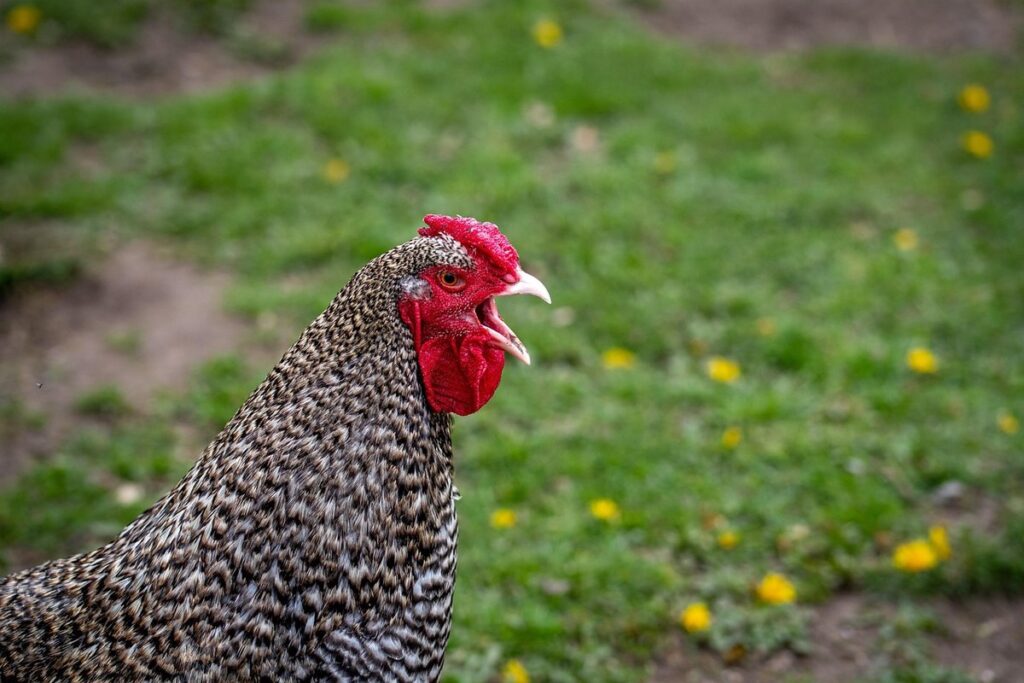
To distinguish layers from broilers, look for breeds such as Leghorns, Rhode Island Reds, and Barred Plymouth Rock. These birds have been specifically selected for their egg-laying ability and are well-suited to commercial layer production.
Breeding Objectives for Broilers and Layers
When it comes to breeding, farmers have specific objectives for broilers and layers that impact their overall health, growth rates, and egg-laying abilities. Understanding these goals helps you choose the right birds for your farm.
Broiler Breeding Objectives
When breeding broilers, the primary objectives are to create birds that can thrive under intensive production conditions. This involves selecting for faster growth rates, improved feed conversion efficiency, and enhanced meat quality.
Faster growth rate is a key objective, as it enables farmers to quickly turn over stock and meet market demands. Breeding programs aim to increase the rate at which broilers reach market weight, often through selective breeding for desirable traits such as rapid muscle deposition. This can be achieved by identifying genetic markers associated with accelerated growth.
Improved feed conversion efficiency is another critical objective. Breeders strive to create birds that convert feed into body weight more efficiently, reducing costs and environmental impact. This involves selecting for traits like reduced nitrogen excretion and improved energy utilization. By doing so, farmers can save on feed costs and minimize the environmental footprint of their operations.
Enhanced meat quality is also a key focus area in broiler breeding programs. Breeders work to improve carcass yield, meat tenderness, and juiciness while minimizing defects like condemnations or downgrading. This requires identifying genetic markers associated with these traits and selecting for birds that exhibit them. By prioritizing meat quality, farmers can increase their market share and improve customer satisfaction.
By achieving these breeding objectives, farmers can optimize broiler production and meet the demands of a rapidly changing market. By understanding the breeding objectives behind broilers, you can better appreciate the intricacies involved in raising high-performance birds for meat production.
Layer Breeding Objectives
When it comes to layer breeding objectives, the focus is on producing birds that excel in egg production, while also meeting other essential criteria. The primary goal of selecting for high egg production involves identifying birds with a strong genetic predisposition to lay large numbers of eggs throughout their lifespan. This can be achieved through various methods such as selective breeding and genetic testing.
In addition to high egg production, breeders are also looking for improvements in egg size and shape. This includes selecting for larger eggs with better symmetry and fewer cracks during handling. Enhanced fertility is another key objective, which involves breeding birds that can maintain a high level of reproductive efficiency throughout their lives.
To achieve these objectives, breeders use advanced selection tools such as pedigree analysis and genomic testing to identify the best-performing individuals within each flock. By doing so, they can make informed decisions about which birds to breed from and how to structure their breeding programs to maximize gains in desirable traits.
Management Practices for Broilers and Layers
To raise healthy broilers and layers, understanding their specific management needs is crucial. In this next section, we’ll dive into practices tailored to each type of bird.
Housing and Environmental Conditions
When it comes to housing and environmental conditions, broilers and layers have distinct requirements. Broilers, for example, need a warm environment to grow quickly, with temperatures ranging from 32°C to 35°C (90°F-95°F) during the first few weeks of life. In contrast, layers require a cooler temperature, around 21°C to 24°C (70°F-75°F), as they reach maturity and lay eggs.
Humidity levels also differ between broilers and layers. Broilers need a relatively high humidity level, around 60-80%, to prevent dehydration. Layers, on the other hand, prefer a slightly lower humidity level, around 50-60%. Proper ventilation is crucial for both broilers and layers, but it’s especially important for broilers as they grow rapidly and produce a lot of heat.
In terms of lighting, broilers require more intense lighting to promote growth, while layers need softer light to stimulate egg production. The intensity and duration of lighting vary depending on the stage of production and breed characteristics. Ultimately, providing suitable housing and environmental conditions is crucial for the health and productivity of both broiler and layer flocks.
Nutrition and Feeding Programs
When it comes to nutrition and feeding programs, broilers and layers have distinct requirements that set them apart. Broiler feed formulation focuses on rapid growth and weight gain, with a higher energy content and protein levels to support intense muscle development. In contrast, layer feed is formulated for sustained egg production, prioritizing calcium and phosphorus for strong bone health and optimal reproductive efficiency.
Nutrient requirements also differ between the two species. Broilers need more amino acids, such as methionine and lysine, to facilitate rapid growth, whereas layers require higher levels of calcium and phosphorus to support eggshell formation. Feeding schedules are also tailored to meet specific needs: broilers are typically fed ad libitum, while layers may benefit from restricted feeding programs that promote weight management and reduce the risk of obesity-related disorders.
For example, a broiler farm might use a feed containing 20-22% protein levels, whereas a layer operation would opt for a lower-protein feed (16-18%). This targeted approach ensures optimal performance and health outcomes for each species.
Health Considerations for Broilers and Layers
When choosing between raising broilers and layers, it’s essential to consider their unique health requirements, which can significantly impact your flock’s overall well-being. Let’s dive into these critical health considerations together.
Disease Resistance and Immune System
When it comes to disease resistance and immune systems, broilers and layers have distinct differences. Broilers, being bred for rapid growth and meat production, often prioritize high-yielding traits over robust health. This can lead to a compromised immune system, making them more susceptible to diseases. In contrast, laying hens are selected for their ability to withstand the rigors of continuous egg production, resulting in a stronger innate immunity.
Genetic selection plays a significant role in shaping the disease resistance and immune systems of broilers and layers. Modern broiler breeds may have undergone extensive genetic manipulation to enhance growth rates, which can inadvertently reduce their ability to fight off diseases. On the other hand, layer breeds are often developed from robust and disease-resistant strains, allowing them to maintain optimal health throughout their lifespan.
Health management practices also vary between the two groups. Broilers are typically vaccinated against common diseases such as Marek’s disease and infectious bursal disease at an early age. However, their vaccination programs may not be as comprehensive as those for layers. To mitigate this, farmers can implement proactive health measures like providing access to clean water, maintaining proper ventilation, and ensuring a balanced diet rich in essential nutrients. By understanding these differences, farmers can take targeted steps to support the health of their birds.
Biosecurity Measures
When it comes to biosecurity measures, broiler and layer operations have distinct approaches due to their differing production cycles and housing requirements. For instance, visitor protocols are more stringent in broiler facilities, where birds are reared for a shorter period and are more susceptible to disease outbreaks.
In contrast, layer farms often allow visitors with greater frequency as hens have longer lifespans and the risk of disease is lower. Cleaning and disinfection procedures also vary between the two types of operations. Broiler houses require more frequent cleaning due to the high stocking density, while layer facilities may focus on removing manure and maintaining dry litter conditions.
Personnel hygiene practices are another critical aspect where differences exist. In broilers, workers often have direct contact with birds, increasing the risk of disease transmission. Thus, strict hand hygiene protocols and protective clothing become essential in these environments. In layers, workers typically handle eggs or operate machinery, necessitating a different set of personal hygiene guidelines.
Welfare Considerations for Broilers and Layers
When it comes to raising broilers and layers, their welfare is a top priority. We’ll delve into the specific needs of each type to ensure you’re providing optimal care.
Stacking and Stocking Density
When it comes to stacking and stocking density, broilers and layers have distinct requirements that impact their welfare, productivity, and disease risk. Broiler stocking densities are typically higher than those for layers due to the shorter production cycle of broilers. For example, a common stocking density for broilers is around 20-24 square feet per bird, while layer farms often aim for 30-36 square feet per hen.
However, the ideal stocking density can vary depending on factors such as breed, age, and climate. Overcrowding can lead to increased stress, disease transmission, and reduced productivity. On the other hand, maintaining optimal stocking densities can help reduce feed costs, improve egg quality, and enhance animal welfare. For instance, a study found that reducing broiler stocking density by 10% led to a 5% increase in growth rate and a 12% decrease in mortality rates.
As a producer, understanding the specific needs of your birds is crucial for implementing effective stacking and stocking strategies. By striking the right balance between productivity and welfare, you can create healthier environments that support both animal well-being and farm efficiency.
Access to Water and Feed
Access to water and feed is a crucial aspect of poultry welfare. While both broilers and layers require adequate nutrition and hydration, their feeding systems differ significantly.
For broiler operations, the focus is on efficient feeding to promote rapid growth. This often involves using automated feeding systems that can dispense feed at precise intervals, ensuring birds are fed frequently throughout the day. The design of these systems typically allows for easy cleaning and maintenance to minimize waste and prevent contamination. However, it’s essential for farmers to ensure that these systems are calibrated correctly to avoid overfeeding or underfeeding.
In contrast, layer operations prioritize feeding systems that promote optimal egg production while minimizing waste. These systems often incorporate features such as automated feeding gates and feed pushers to distribute feed evenly throughout the flock. Regular maintenance is still crucial to prevent clogging and contamination of the feeding system.
Waste management practices also vary between broiler and layer operations, with layers producing significantly more manure than broilers. Farmers should prioritize implementing efficient waste management systems that minimize environmental impact and maintain a clean living environment for the birds.
Economic Considerations for Broilers and Layers
When it comes to choosing between broilers and layers, understanding the economic implications is crucial. Let’s explore how these differences impact your bottom line as a poultry producer.
Production Costs and Efficiency
When it comes to production costs and efficiency, there are significant differences between broiler and layer operations. Broilers, raised for meat production, tend to have higher feed conversion ratios compared to layers, which are bred for egg-laying purposes. According to industry reports, the average feed conversion ratio for broilers is around 1.7-2.0 kilograms of feed per kilogram of live weight gain, whereas layer operations typically hover around 1.3-1.5 kilograms. This disparity can be attributed to the distinct nutritional requirements and growth rates between the two types.
Mortality rates also vary between broiler and layer farms. Broilers are more susceptible to disease due to their fast-paced growth rate, resulting in higher mortality rates compared to layers. To mitigate this issue, many broiler farms implement stricter biosecurity measures and vaccination protocols to minimize losses. Labor requirements, another crucial aspect of production costs, differ as well. Layer operations tend to have lower labor needs due to the slower pace of egg production and relatively low maintenance requirements.
To optimize efficiency in either operation, it’s essential to monitor key performance indicators such as feed conversion ratio, mortality rates, and overall productivity. Regular audits and adjustments can help identify areas for improvement, enabling farmers to make data-driven decisions that drive profitability and competitiveness.
Market Demand and Pricing
Market demand and pricing differ significantly between broilers and layers, influenced by consumer preferences, industry trends, and global trade agreements. Broilers, primarily raised for meat production, are subject to fluctuations in market demand due to factors like economic conditions, cultural dietary trends, and food safety concerns. For instance, the COVID-19 pandemic led to increased demand for home-cooked meals, boosting sales of fresh chicken.
In contrast, layer hens are often produced for egg production, with demand driven by household consumption and commercial baking industries. However, changes in consumer behavior, such as a growing preference for plant-based diets or environmental concerns about egg farming practices, can impact layer market demand.
Global trade agreements also play a crucial role in determining prices and supply of both broilers and layers. Factors like tariffs, quotas, and import/export regulations can either boost or restrict the flow of chicken products across borders, ultimately affecting local market prices.
If you’re planning to venture into the poultry industry, it’s essential to stay updated on these market dynamics and adjust your production strategies accordingly. This may involve diversifying your product line, adjusting your pricing strategy, or exploring export opportunities.
Frequently Asked Questions
How do I determine which breed is best for my small-scale poultry operation?
When choosing between broilers and layers, consider your farm’s purpose, resources, and market demand. If you’re looking to produce meat, select a fast-growing broiler breed. For egg production, choose a layer breed that suits your climate and desired egg quality.
What are some common health concerns in broilers versus layers?
Broilers are more prone to heat stress and growth-related issues due to their rapid growth rate. Layers, on the other hand, may experience reproductive problems, such as egg binding or prolapse, related to their breeding objectives. Ensure you have a solid biosecurity plan and monitor bird health closely.
How can I ensure optimal nutrition for both broilers and layers?
Provide balanced diets that cater to each breed’s specific needs. Broilers require more protein-rich feed to support rapid growth, while layers benefit from calcium-rich feed for strong eggshell production. Consult with a poultry nutritionist or conduct thorough research to create tailored feeding programs.
Can I raise both broilers and layers on the same farm?
Yes, it is possible to integrate both breeds onto your farm. However, ensure you have separate facilities, equipment, and management strategies in place to maintain their unique needs and prevent cross-contamination of diseases.
What are some key welfare considerations for both broiler and layer flocks?
Both breeds require access to clean water, adequate ventilation, and space to move. Ensure that your housing meets these standards and consider implementing enrichment activities to promote bird health and well-being.