
When it comes to raising poultry for meat or eggs, many farmers and producers face a crucial decision: whether to raise broiler chickens or layer hens. While both types have their own unique characteristics, they require different breeding, nutrition, health, and environmental considerations. As a poultry producer, understanding the key differences between these two types can help you make informed decisions about your operation. In this article, we’ll delve into the distinct needs of broiler chickens and layer hens, covering topics such as breeding programs, nutritional requirements, and environmental factors that impact their health and productivity. Whether you’re looking to optimize your flock’s performance or simply want to know more about these two popular types of poultry, keep reading to learn how to make informed choices for your farm or production facility.
Introduction to Broilers and Layers
Let’s start by understanding the basics of broiler chickens and layers, two types of poultry that serve different purposes on your farm. We’ll explore their unique characteristics.
What are Broiler Chickens?
Broiler chickens are a specific type of chicken raised for meat production. Their primary purpose is to provide consumers with fresh and nutritious poultry products. These birds are bred to grow rapidly, mature early, and reach market weight quickly, typically within 5-7 weeks of age.
The unique characteristics of broilers make them well-suited for the demands of commercial meat production. For instance, they have a higher feed conversion ratio, meaning they can produce more meat with less feed compared to layers. This efficient growth rate allows poultry farmers to raise multiple batches throughout the year, meeting the high demand for chicken products.
To ensure optimal growth and health, broiler chickens are typically raised in controlled environments that provide precise temperature, humidity, and ventilation controls. This includes providing adequate space, sanitation, and nutrition to prevent disease and promote uniform growth.
Characteristics of Layer Chickens
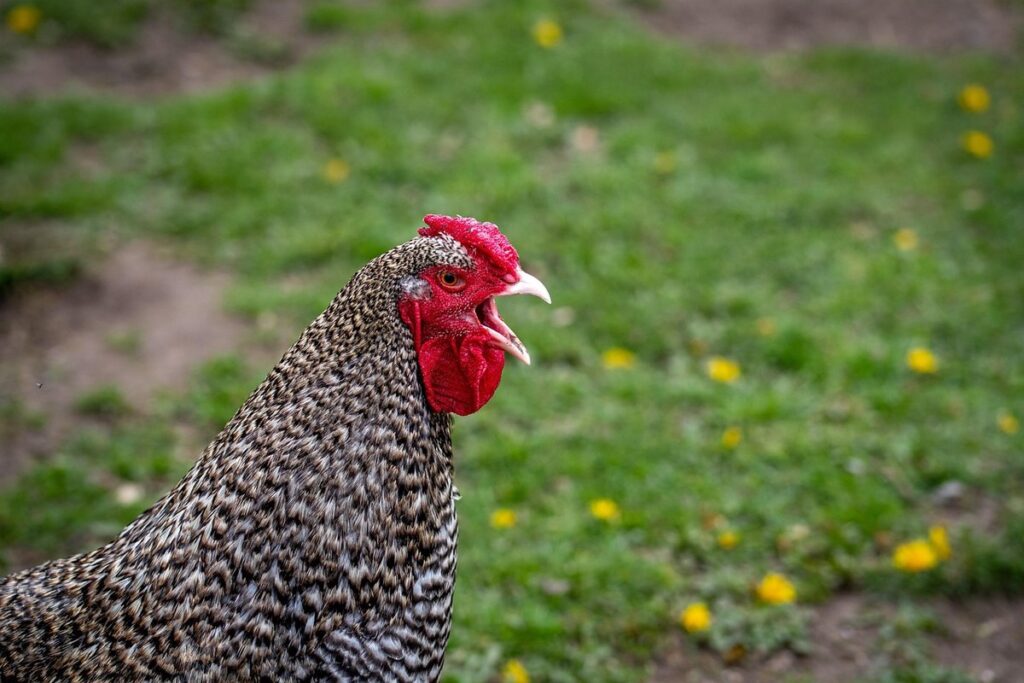
Layer chickens are a unique breed of poultry known for their exceptional egg-laying abilities and docile nature. There are several breed types that fall under the layer category, including Leghorns, Rhode Island Reds, Barred Rocks, and Plymouth Rock, among others. These breeds have been selectively bred over the years to prioritize egg production, resulting in impressive laying averages of 280-300 eggs per year.
One of the most notable characteristics of layer chickens is their temperament. They are generally calm, quiet, and easy-going, making them a popular choice for backyard chicken keepers. This gentle nature also makes them an excellent choice for beginners who may not have prior experience with raising poultry.
In terms of egg-laying abilities, layers are capable of producing eggs consistently throughout the year. However, it’s worth noting that their production will slow down significantly around 3-4 years of age, at which point they are considered to be in decline. This is why many farmers choose to replace their layer flock every few years to maintain optimal egg production.
Importance of Understanding the Difference
Understanding the difference between broilers and layers is crucial for poultry farmers and enthusiasts alike. Without this knowledge, it can be challenging to meet the specific needs of each breed, leading to suboptimal performance and potentially harming the birds.
When raising chickens for meat (broilers) or eggs (layers), their nutritional requirements, growth rates, and health considerations differ significantly. Broilers require more protein and energy to grow quickly, while layers need a balanced diet that promotes egg production without compromising their overall health. Failing to recognize these differences can result in decreased productivity, reduced egg quality, or increased susceptibility to disease.
To succeed in poultry farming, it’s essential to understand the distinct needs of broilers and layers. This involves not only providing tailored nutrition but also managing environments, such as space allocation and temperature control. For instance, a farm raising both breeds should ensure that each group has its designated area and equipment, minimizing stress and promoting optimal health and productivity.
Breeding and Genetics
When it comes to breeding and genetics, broiler chickens and layers differ significantly, reflecting their distinct purposes in egg production and meat consumption. Let’s explore these genetic differences up close.
Broiler Chicken Breeds
When it comes to broiler chicken production, certain breeds have proven themselves to be more efficient and productive than others. The Ross 308, Cobb 500, and Aviagen are among the most popular breeds used globally for this purpose.
The Ross 308 breed is a cross between a male and female of another breed, resulting in faster growth rates and higher weight gains. This makes it an ideal choice for large-scale commercial farms where speed to market is crucial. One notable characteristic of the Ross 308 is its ability to reach market weight in just 42 days.
The Cobb 500 breed is another widely used broiler chicken variety. Known for its high feed conversion ratio, this breed excels at converting feed into meat efficiently. It’s also noted for its robust immune system and ability to withstand various environmental stresses.
Aviagen, on the other hand, has developed a range of broiler breeds that offer unique benefits to farmers. Their Arbor Acres and Ross breeds are particularly popular among large-scale producers due to their exceptional growth rates and high yields.
Layer Chicken Breeds
When it comes to layer chicken breeds, there are several popular varieties that excel at producing eggs. One of the most well-known is the Leghorn, which can lay up to 300 large white eggs per year. These birds are known for their high egg production and are often used in commercial settings.
Another popular breed is the Rhode Island Red, which lays around 200-220 brown eggs annually. They’re a hardy and friendly bird that’s relatively low maintenance, making them a great choice for small-scale farmers or backyard flock owners.
The Barred Plymouth Rock, also known as the Barred Rock, is another popular layer breed. They lay approximately 200-220 brown eggs per year and are prized for their docile nature and high egg production. These birds are relatively easy to care for and can thrive in a variety of environments.
When choosing a layer breed, consider your specific needs and preferences. For example, if you’re looking for a high egg yield, the Leghorn may be the best choice. However, if you prioritize temperament and ease of care, the Barred Rock or Rhode Island Red might be a better fit.
Genetic Considerations for Each Type
Genetics play a vital role in determining the productivity, growth rate, and health of both broiler chickens and layers. When it comes to selecting breeding stock for commercial production, genetic considerations are crucial.
Broilers, for instance, require specific genetics that promote rapid growth, efficient feed conversion, and desirable meat quality traits such as firmness, texture, and color. To achieve this, breeders focus on developing lines with high growth rates, leaner muscle mass, and enhanced immune systems to combat disease pressures in intensive production environments.
Layers, on the other hand, need genetics that optimize egg-laying efficiency, fertility, and shell quality. Breeders prioritize birds with traits such as longer productive lifespans, improved hatchability rates, and robust immune systems to withstand diseases common in layer flocks.
To determine which genetic traits are most beneficial for your operation, it’s essential to consider factors such as climate, feed availability, and target market requirements. By carefully selecting breeding stock based on these considerations, you can maximize the productivity and profitability of your flock. Consult with a qualified poultry geneticist or veterinarian to develop a breeding program tailored to your specific needs.
Nutrition and Feed Requirements
When it comes to raising broiler chickens versus layers, one crucial aspect that sets them apart is their nutritional needs. Let’s take a closer look at the differences in feed requirements for each type of bird.
Broiler Chicken Nutritional Needs
When it comes to broiler chickens, their nutritional needs are quite distinct from those of layers. These birds require a high-energy diet that prioritizes growth and weight gain over egg production.
To meet the energy requirements of broilers, feed manufacturers often use ingredients like corn and soybean meal as primary sources of energy and protein. The recommended daily intake of energy for broiler chickens is around 1,200-1,300 kcal/kg, which translates to approximately 70% of their total diet. To achieve this, farmers can provide a mix of high-energy grains and supplements that boost the bird’s metabolism.
In terms of micronutrients, broilers require adequate amounts of vitamins and minerals like vitamin A, D, E, and K, as well as essential minerals such as calcium, phosphorus, sodium, and potassium. A deficiency in these nutrients can lead to health issues, reduced growth rates, or even mortality. Farmers can address this by adding micronutrient supplements to the broiler’s feed or providing access to free-range grazing areas with diverse plant species.
To ensure optimal growth and development, farmers should also monitor their broilers’ water intake closely, as dehydration can have severe consequences on their overall health and performance. Regular monitoring of feed consumption, water intake, and bird activity will help identify any potential nutritional imbalances or deficiencies before they become critical issues.
Layer Chicken Dietary Needs
When it comes to layer chickens, their dietary needs are specifically tailored to support egg production. A balanced diet rich in calcium and phosphorus is essential for building strong eggshells and promoting healthy bone development.
Calcium, in particular, plays a crucial role in layer chicken nutrition. Laying hens require about 3-4% calcium in their diet to produce eggs with strong shells. Failure to provide adequate calcium can lead to weakened eggshells, increased risk of breakage, and reduced fertility. To ensure your laying hens get enough calcium, consider adding crushed oyster shells or limestone grit to their feed.
Phosphorus is another essential nutrient for layer chickens, making up about 1-2% of their diet. It helps with energy production, nerve function, and bone growth. Adequate phosphorus intake also supports the transfer of calcium into the eggshell, preventing weakened shell syndrome.
A well-balanced commercial layer feed should provide a mix of other essential nutrients like protein, vitamins, and minerals to support overall health and egg production.
Comparison of Nutrition Strategies
When it comes to nutrition and feed requirements, broiler chickens and layers have distinct needs. A key difference is that broilers require a more energy-dense diet due to their fast growth rate and high protein demands. In contrast, layers need a higher calcium content in their feed to support eggshell production.
The most effective way to meet these varying nutritional needs is through precision feeding strategies. This involves tailoring feed formulations based on the bird’s age, sex, and production cycle. For broilers, this means focusing on high-quality protein sources like soybean meal or fishmeal, whereas layers require a more moderate approach with added calcium supplements.
Nutritionists often use mathematical models to determine optimal nutrient intake for these birds. According to research, broiler chicks should receive 1.2-1.5% of their body weight in feed per day, while layer hens require around 0.8-1.2%. By understanding and implementing these specific nutritional requirements, you can optimize the health, productivity, and overall efficiency of your flock. Regular monitoring and adjustments will ensure that both broilers and layers receive exactly what they need to thrive.
Health Considerations and Disease Management
When it comes to broiler chickens versus layers, understanding their health considerations is crucial for responsible chicken keeping. This includes disease management strategies unique to each breed.
Common Health Issues in Broilers
As a broiler chicken producer, it’s essential to be aware of the common health issues that can affect your flock. Leg problems are a significant concern in broilers, particularly in fast-growing breeds. These birds can develop conditions like tibial dyschondroplasia (TD) and slipped tendons due to rapid growth rates and inadequate nutrition.
Respiratory infections are also prevalent in broiler flocks, often caused by viruses such as infectious bronchitis and avian influenza. Gut issues like necrotic enteritis and coccidiosis can also occur, leading to reduced growth rates and increased mortality. To prevent these issues, maintain a clean environment, ensure proper ventilation, and implement vaccination programs.
Monitoring your flock’s health closely is crucial to identifying any potential problems early on. Regularly check for signs of illness, such as labored breathing, lethargy, or changes in appetite. Implementing biosecurity measures, like foot baths and disinfectant use, can also help reduce the risk of disease transmission between flocks.
In addition to these general health concerns, it’s also essential to address specific issues related to broiler chickens’ growth rates. For instance, fast-growing breeds are more susceptible to leg problems due to their rapid development. Therefore, consider slower-growing breeds or implement strategies like slow feathering and reduced beak trimming to mitigate these risks.
It’s also important to note that antibiotics should not be used as the primary means of disease prevention. This approach can lead to antimicrobial resistance and harm the environment. Instead, focus on creating a healthy flock through proper nutrition, sanitation, and vaccination programs.
Health Challenges Faced by Layers
As we’ve seen with broilers, health considerations are crucial for layers as well. However, their health challenges differ significantly due to their reproductive focus. Egg binding is a common issue in layer hens, where the hen struggles to pass an egg from its body. This can be caused by several factors such as genetics, environment, and inadequate calcium levels.
Reproductive problems are also prevalent among layers, with issues like infertility, ovulation disorders, and prolapse being reported. To mitigate these issues, it’s essential for farmers to provide optimal nutrition, ensure a clean and comfortable living space, and monitor their flock regularly.
Another critical health concern for layer hens is stress-related issues, which can have severe consequences on egg production and overall well-being. Factors like overcrowding, poor lighting, and inadequate perches contribute significantly to stress levels in layers. Farmers must therefore prioritize these factors when setting up their layer flocks to ensure a healthy and productive environment.
Disease Prevention Strategies for Both Types
When it comes to disease prevention strategies for both broiler chickens and layers, there are some key similarities as well as differences. A crucial aspect of maintaining flock health is ensuring proper vaccination protocols. For example, Newcastle disease virus (NDV) and infectious bursal disease (IBD) vaccines are commonly used in commercial flocks. However, the timing and administration of these vaccinations can vary depending on the production type.
Broiler chicken farms often focus on prevention through strict biosecurity measures, such as regular cleaning and disinfection of equipment and facilities. This helps reduce the risk of introducing diseases into the flock. On the other hand, layer farms tend to prioritize monitoring for signs of disease and implementing control measures if an outbreak occurs.
In terms of nutrition, providing balanced diets that meet the specific nutritional needs of each type can help prevent disease. For instance, layers require higher calcium levels in their feed to support eggshell production, while broilers benefit from a diet rich in protein for optimal growth.
By understanding these differences and implementing targeted strategies, farmers can significantly reduce the risk of disease in both broiler and layer flocks. This includes regular health checks, proper ventilation, and maintaining a clean and stress-free environment for the birds.
Environmental and Welfare Considerations
When it comes to raising chickens, their environmental impact and welfare are crucial factors to consider. Let’s explore some key considerations for both broiler and layer flocks in this section.
Housing Requirements for Broilers
When it comes to housing requirements for broiler chickens, there are specific guidelines that must be followed to ensure their welfare and productivity. First and foremost, space is crucial. The European Union’s Welfare of Laying Hens and Broilers Directive recommends a minimum of 0.0275 square meters per bird for broilers. This might seem like ample space, but consider this: studies have shown that overcrowding can lead to stress, disease, and even cannibalism among birds.
To combat these issues, it’s essential to ensure proper ventilation in the housing facility. A well-designed ventilation system will help remove ammonia, dust, and other pollutants from the air, creating a healthier environment for the broilers. This is especially important since broilers are more sensitive to environmental stressors due to their rapid growth rate.
Regular cleaning and disinfection of the housing area are also vital to maintaining hygiene. Aim to clean the facility at least once a week, removing any soiled bedding material and thoroughly disinfecting all surfaces. By following these guidelines, you can create an environment that promotes the health, well-being, and productivity of your broiler chickens.
Environmental Factors Affecting Layers
When it comes to layer chicken welfare, environmental factors play a crucial role. Temperature and humidity are two critical aspects that can significantly impact layers’ comfort and productivity. For instance, extreme temperatures above 28°C (82°F) or below 15°C (59°F) can lead to heat stress or cold stress in layers. This can result in decreased egg production, increased mortality rates, and a compromised immune system.
Proper ventilation and air circulation are essential to maintain an optimal temperature range of between 18-22°C (64-72°F). Additionally, ensuring adequate humidity levels is vital, especially during hot weather. When humidity levels are too high, it can lead to respiratory problems and decreased egg production.
Light exposure also affects layer chicken welfare, with the ideal lighting system varying depending on the breed and age of the layers. Most layer breeds require around 14-16 hours of light per day for optimal egg production. However, excessive light can cause stress, leading to reduced egg quality and quantity. Providing a photoperiod-controlled lighting system is recommended to regulate light exposure and promote a healthy environment for your layers.
Creating Optimal Environments for Both Types
When creating optimal environments for both broiler chickens and layers, it’s essential to understand their unique needs. For example, broilers require more space per bird due to their rapid growth rate and larger size at maturity. In contrast, layers need slightly more space than expected, but less than broilers, as they are also active birds that benefit from some room to move around.
To create an optimal environment for both types of chickens, consider the following:
* For broilers: Provide a minimum of 1-2 square feet of space per bird in the grow-out phase, and increase ventilation rates to maintain optimal air quality. Consider raising them in climate-controlled facilities with controlled temperature and humidity levels.
* For layers: Allocate around 4-5 square feet of space per bird, with adequate nesting boxes for each flock member (around 1/2 to 3/4 square foot per box). Ensure proper lighting, as layers need more light than broilers to maintain egg production.
It’s also crucial to ensure that both types have access to clean water, a balanced diet, and suitable shelter from the elements. Consider incorporating enrichment activities and toys to keep both birds engaged and stimulated, reducing stress levels and promoting overall well-being.
Economic Considerations and Production Costs
When it comes to raising chickens, understanding production costs is crucial for making informed decisions. Let’s dive into the economic considerations of broiler vs layer chicken farming.
Initial Investment and Setup Costs for Broilers
Setting up a broiler operation requires a significant initial investment. This includes infrastructure costs such as building construction or renovation, ventilation systems, and feeding and watering equipment. The cost of chicks is another major expense, with prices varying depending on breed, sex, and origin. On average, you can expect to pay around $0.50 to $1.50 per chick, depending on the quality.
To give you a better idea, here’s a rough breakdown of the initial investment costs for setting up a broiler operation:
* Infrastructure: $10,000 to $30,000
* Equipment (feeding and watering, ventilation, etc.): $5,000 to $15,000
* Chick cost (for 1,000 chicks): $500 to $1,500
Keep in mind that these are rough estimates and can vary depending on your location, climate, and operation size. It’s essential to create a detailed budget and consider factors like labor costs, marketing expenses, and contingency planning before making a significant investment.
To minimize initial investment costs, it’s crucial to plan carefully and make informed decisions about infrastructure, equipment, and chick sourcing.
Ongoing Expenses for Layer Operations
When it comes to layer production, there are several ongoing expenses that you’ll need to factor into your budget. One of the largest recurring costs is feed. Layers require a diet rich in calcium and protein to produce eggs, which can be expensive. For example, if you’re raising 1,000 layers, you may spend upwards of $30,000 per year on feed alone.
Labor is another significant ongoing expense for layer operations. You’ll need to hire staff to collect eggs, clean the coop, and perform other tasks. This can range from a few thousand dollars per month to several tens of thousands, depending on the size of your operation. Veterinary care is also essential for maintaining the health of your flock. This may include vaccinations, parasite control, and treatment for illnesses or injuries.
To minimize these costs, consider implementing efficient feeding systems, streamlining labor tasks through automation or delegation, and investing in preventive veterinary care to avoid costly treatments down the line. Regular monitoring of feed consumption, egg production, and flock health can also help you identify areas where costs can be reduced.
Breaking Down Production Costs for Both Types
When it comes to production costs, both broiler chickens and layers have their own set of expenses. To give you a better understanding of these costs, let’s break down the main expenditures for each type.
Broiler Chickens:
The primary cost associated with raising broilers is feed, which accounts for approximately 70% of the total production cost. This is because broilers are bred specifically for their meat and require a high-energy diet to achieve optimal growth rates. Other significant expenses include vaccinations, medication, and labor costs.
Layers:
Layer farms, on the other hand, have higher fixed costs due to the need for specialized equipment and infrastructure. These costs include henhouse construction, feeding systems, and egg collection machinery. Layer feed is also more expensive than broiler feed, as it needs to provide the necessary nutrients for egg production. However, layer farms can generate revenue from both egg sales and manure utilization.
It’s essential to consider these varying costs when deciding which type of poultry farm to start or manage. By understanding your expenses, you can make informed decisions about resource allocation and pricing strategy to maintain profitability.
Conclusion: Choosing Between Broilers and Layers
Now that we’ve explored the key differences between broiler chickens and layers, let’s discuss how to choose the right breed for your needs.
Summary of Key Differences
When it comes to raising chickens for meat and eggs, two distinct categories exist: broiler chickens and layers. While both types share some similarities, their breeding, nutrition, health, and environmental needs diverge significantly.
Breeding is a crucial aspect where broilers and layers differ. Broilers are bred for their rapid growth rate and large size, often resulting in breeds like the Ross 308 or the Cobb 500. In contrast, layer breeds prioritize egg production and may include Leghorns or Rhode Island Reds. Nutrition-wise, broilers require higher protein diets to support their accelerated growth, whereas layers need a balanced diet with adequate calcium for strong eggshell formation.
Health considerations also vary between the two types. Broilers are more susceptible to certain health issues due to their fast growth rate and large size, making them more prone to diseases like ascites. Layers, on the other hand, require regular health checks to monitor egg production and detect potential issues early on. Environmentally, broilers need larger spaces for movement due to their size and increased feed consumption, whereas layers can thrive in smaller enclosures with adequate perches and nesting boxes.
In summary, understanding these key differences is essential when deciding between raising broiler chickens or layers.
Factors to Consider When Making a Decision
When making a decision between broilers and layers, several factors come into play. Start by considering your primary goal: do you want to produce meat or eggs? If it’s the latter, you’ll need to think about the demand for eggs in your area and whether there’s enough market for your farm.
Next, evaluate the pros and cons of each type. For broilers, think about the initial investment in feed, vaccinations, and growth supplements. Layers, on the other hand, require less capital upfront but may involve more labor to collect eggs daily. You’ll also need to consider breed selection: popular broiler breeds like Leghorns or Cornish Cross can grow quickly, while layers often have slower growth rates.
Another crucial factor is your available land and infrastructure. If you’re short on space, a layer flock might be more suitable due to their smaller size and lower feed requirements. Conversely, if you have ample room for expansion, broilers could be the better choice.
Finally, don’t overlook the environmental impact of each type. Broilers often require more resources and generate greater waste, while layers can help reduce your farm’s ecological footprint by providing a renewable source of protein. By carefully weighing these factors, you’ll make an informed decision that suits your unique circumstances.
Frequently Asked Questions
Can I raise both broiler chickens and layer hens on the same farm?
Yes, many farmers successfully raise both types of poultry on their farms. However, it’s essential to consider separate breeding, nutrition, health, and environmental requirements for each type. This can be managed by having dedicated facilities or implementing strict biosecurity measures to prevent disease transfer between flocks.
How do I determine the ideal breed mix for my broiler flock?
Choosing the right breed mix depends on factors such as climate, available space, feed quality, and market demand. Consider consulting with a poultry expert or veterinarian to help you select breeds that are well-suited to your specific conditions and production goals.
What are some common health issues in layer hens, and how can I prevent them?
Common health issues in layers include reproductive problems, respiratory diseases, and parasites. To prevent these issues, maintain proper ventilation, provide adequate lighting and space, ensure access to clean water and nutritious feed, and implement regular health checks and parasite control measures.
Can I use the same feeding strategy for both broiler chickens and layer hens?
No, due to their different growth rates and nutritional requirements. Broilers need a high-protein diet that supports rapid growth, while layers require a balanced diet that promotes egg production. A nutritionist or poultry expert can help you develop customized feeding strategies for each type of flock.
What are some key differences in housing requirements between broiler chickens and layer hens?
Broiler chickens require more space per bird due to their rapid growth rate, while layers need adequate nesting boxes and perches to encourage egg laying. Housing for broilers should also prioritize ventilation and temperature control to prevent heat stress. Ensure that your facilities meet the specific needs of each type of flock to optimize health and productivity.