
Are you thinking of raising turkeys for meat or keeping them as pets, but not sure which breed to choose? Look no further than the Bronze Tom Turkey. With its rich history and impressive physical characteristics, this breed has gained popularity among farmers and poultry enthusiasts alike.
Native to Europe, the Bronze Tom is known for its stunning plumage, which shimmers with a warm bronze hue. But beyond its attractive appearance, this breed offers many practical benefits for those looking to raise turkeys. Whether you’re interested in raising them for meat production or keeping them as pets, understanding the ins and outs of the Bronze Tom’s needs is crucial.
In this article, we’ll delve into the world of the Bronze Tom Turkey, covering its origins, physical characteristics, and care requirements. We’ll also explore how to raise and care for this breed successfully, including tips on nutrition, health, and management. By the end of this post, you’ll be well-equipped to make an informed decision about whether the Bronze Tom is right for you.
Characteristics and History
Let’s dive into the fascinating history of the Bronze Tom Turkey, a breed known for its distinctive bronze-colored plumage. We’ll explore its origins and evolution over time.
Origins of the Bronze Breed
The Bronze breed of turkey has its roots in the early 19th century, when farmers began to selectively breed wild turkeys for desirable traits such as size, plumage, and egg-laying ability. The result was a hardy, adaptable bird that excelled on small farms and homesteads.
One of the key figures responsible for developing the Bronze breed was Colonel Edward Brown, who in 1870 developed a flock of over 100 birds on his farm in Kentucky. Brown’s goal was to create a turkey that could thrive in a variety of environments, from lush pastures to rugged mountains. He achieved this by combining the strength and vigor of the Narragansett breed with the gentle disposition and rich plumage of the White Holland.
The Bronze breed quickly gained popularity among farmers for its hardiness, docility, and rich, bronze-colored feathers. Today, it is one of the most recognizable and sought-after heritage breeds in the United States, prized for its unique appearance and robust constitution. Whether you’re a seasoned farmer or just starting out with backyard chickens, the Bronze turkey is an excellent choice for anyone looking to add some excitement to their flock.
Physical Characteristics
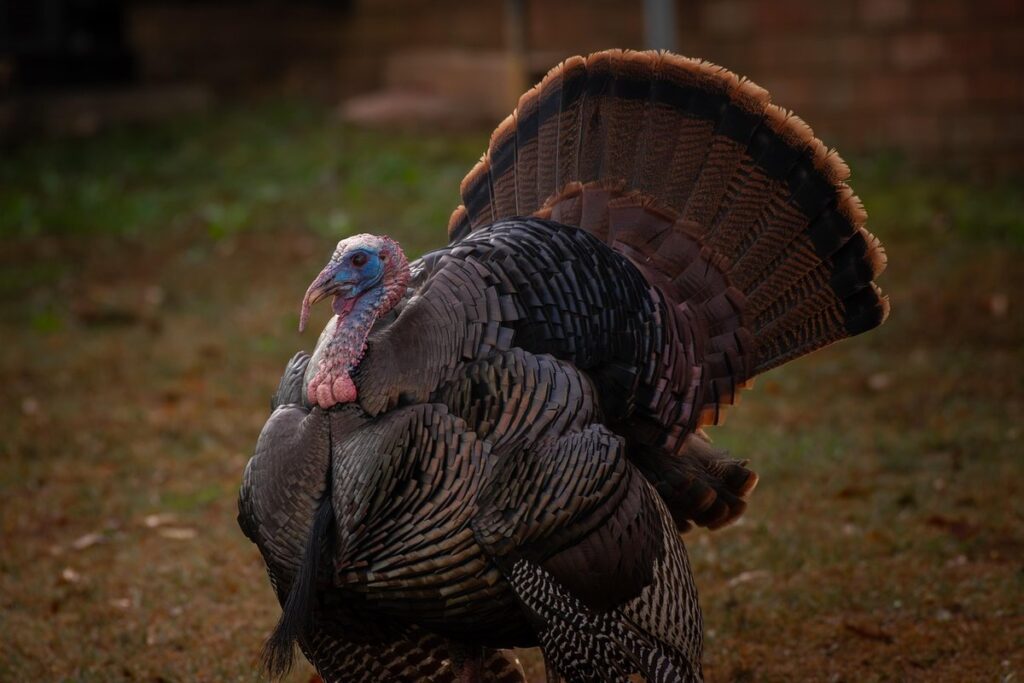
The Bronze Tom Turkey’s physical characteristics are truly one of its most distinctive and endearing features. One of the first things you’ll notice about this breed is its plumage – a beautiful blend of golden brown, bronze, and copper tones that give it an unmistakable sheen in the sunlight.
In terms of size, Bronze Tom Turkeys tend to be on the larger side, with males weighing anywhere from 18-22 pounds (8-10 kg) and females coming in at around 14-16 pounds (6-7 kg). They’re also known for their impressive stature, with long, powerful necks and sturdy legs that can support their robust frames.
When it comes to overall appearance, the Bronze breed has a unique “saddleback” pattern on its back feathers, which gives them an extra touch of charm. Their eyes are a bright, expressive brown, and their beaks are strong and curved – perfect for scratching up tasty bugs and seeds in the yard. Whether you’re a seasoned farmer or just starting out, the Bronze Tom Turkey’s rugged good looks are sure to win you over!
Temperament and Personality
Bronze turkeys are known for their unique and fascinating temperament. One of the most distinctive characteristics of this breed is their social behavior. They are highly social birds that thrive on interaction with humans and other animals. In fact, they can become quite demanding if left alone for too long, so it’s essential to provide them with plenty of attention and stimulation.
When it comes to docility, Bronze turkeys are generally considered to be one of the friendliest breeds around. They are extremely gentle and calm, making them an excellent choice for families with children or for those who want a low-maintenance pet. However, as with any animal, they can become aggressive if handled roughly or if they feel threatened.
In terms of adaptability, Bronze turkeys are quite versatile and can adjust to different environments with ease. They do well in small backyards, but they also require plenty of space to roam freely. With proper care and attention, they can thrive in a variety of settings, from rural farms to urban homes.
Raising and Caring for Bronze Turkeys
Raising a Bronze Tom Turkey requires careful consideration of its unique needs, from housing and nutrition to health and socialization. Proper care will ensure your bird thrives under your stewardship.
Housing and Enclosures
When it comes to raising and caring for your Bronze turkeys, providing suitable housing and enclosures is crucial for their health, safety, and well-being. A well-designed coop and enclosure will not only protect them from predators but also give you peace of mind knowing that they’re safe.
First and foremost, consider the size of your coop. Aim for a minimum of 2-3 square feet per bird inside the coop, and at least 8-10 square feet in the enclosed run. This will give your turkeys enough space to move around comfortably and engage in natural behaviors like foraging and exercising. Make sure the coop is well-ventilated, dry, and protected from harsh weather conditions.
When it comes to fencing, use sturdy materials that are at least 3 feet high to prevent flying predators like hawks or owls from swooping in. For ground-dwelling predators like coyotes or foxes, consider using electric fencing or burying the fence a foot underground to create an impenetrable barrier.
Consider adding netting around the top of the enclosure to prevent birds from escaping or aerial predators from getting in. You can also add visual deterrents like reflective tape or shiny objects to scare away potential threats. Remember to check your coop and fencing regularly for any signs of wear or damage, and make repairs promptly to keep your turkeys safe.
Nutrition and Feeding
When it comes to feeding your Bronze turkeys, it’s essential to understand their specific dietary needs. These birds are opportunistic omnivores, meaning they’ll eat a wide range of plants and insects if given the chance. In the wild, they would forage for grains, seeds, fruits, and berries, as well as small invertebrates like insects and worms.
As a responsible turkey breeder or owner, you’ll want to replicate this diverse diet in captivity. Start by providing a high-quality commercial turkey feed that’s formulated specifically for the stage of growth your birds are at – starter feed for young poults, grower feed for adolescents, and layer feed for mature females. In addition to their main feed, offer plenty of fresh fruits and vegetables daily, such as apples, carrots, and leafy greens.
For a boost of protein and variety, supplement with nutritious treats like mealworms or sunflower seeds. Be sure to provide fresh water at all times, and limit their access to grains that are high in carbohydrates, as these can lead to obesity and other health issues. By following this feeding plan, you’ll be well on your way to raising healthy, thriving Bronze turkeys.
Health Considerations
Bronze turkeys are generally hardy birds, but like all poultry, they can be susceptible to certain health issues. One common problem is disease susceptibility, particularly with regards to respiratory diseases such as avian influenza and Newcastle disease. These conditions can spread quickly through a flock, so it’s essential to take preventative measures, such as vaccinating your turkeys against these diseases.
Another issue that can affect Bronze turkeys is parasites like mites, lice, and fleas. Regularly checking for these pests and treating infestations promptly can help prevent discomfort and stress for the birds. It’s also crucial to maintain a clean living environment by regularly cleaning their enclosures and changing bedding material.
Injuries are another potential health issue that can arise from accidents or poor handling practices. Make sure your turkeys have enough space to move around, and handle them gently when necessary. By being aware of these common health issues and taking proactive steps to prevent them, you can help keep your Bronze turkeys healthy and thriving.
Breeding and Egg Production
When it comes to raising Bronze Tom turkeys, understanding their breeding habits and egg-laying capabilities is crucial for successful flock management. This section will delve into these essential aspects of Bronze Tom care.
Selecting a Mate
When it comes to breeding your prized Bronze hen, selecting a suitable mate is crucial for maintaining the integrity of your flock’s genetics. As you begin the process of finding a suitable breeding tom, consider factors such as temperament, fertility, and overall health.
It’s essential to choose a tom with desirable traits that complement those of your hen. If you’re looking to maintain or improve specific characteristics like feather quality or egg-laying ability, look for a tom with these traits in his own lineage. Conversely, if you want to introduce new characteristics into your flock, consider a tom with a diverse genetic background.
To ensure genetic diversity within your flock, choose a tom from a different bloodline than your hen’s sire and dam. This will help prevent the potential for inbreeding, which can lead to weakened immunity and reduced fertility in your birds. Consider consulting with experienced breeders or taking a DNA test to determine the genetic makeup of your birds before making a decision.
Broodiness and Incubation
If you’re planning to breed Bronze turkeys, understanding broodiness and incubation is crucial for successful hatch rates. Bronze hens typically go broody once a year, with the onset of spring or fall being ideal breeding seasons.
Broodiness usually begins around 18-20 weeks of age, but some hens may exhibit early signs as young as 12 weeks old. Look out for these telltale behaviors: increased nesting behavior, aggressive defense of potential nesting areas, and a decrease in egg production. A hen is considered ready to hatch when she stops laying eggs entirely and begins to sit on a clutch.
When it comes to incubation techniques, Bronze hens are relatively low-maintenance compared to other breeds. They require a clean, dry, and well-ventilated brooding area with adequate bedding material. Keep the temperature between 90°F and 95°F (32°C and 35°C) for the first week, gradually decreasing it by 5°F (3°C) each subsequent week.
To maximize hatch rates, ensure your hens are healthy and stress-free before breeding. Provide a balanced diet rich in protein to support optimal egg development. Maintain a clean environment to prevent disease outbreaks. With proper care and attention, you can expect an average hatch rate of 80-90% or more with Bronze turkeys.
Egg Production and Quality
When it comes to egg production and quality, Bronze hens have some distinct characteristics that set them apart from other breeds. One of the most notable features is their large egg size, with an average weight of around 60-65 grams per egg. This is slightly larger than many commercial egg-laying breeds, making Bronze eggs a popular choice for those who want bigger and more impressive eggs.
In terms of color, Bronze eggs tend to have a medium-brown tint, often described as a warm, rich brown. The shell quality is also noteworthy, with a thick and firm texture that’s less prone to cracking than some other breeds. While there isn’t a significant difference in egg production between Bronze hens and other breeds, they do have a slightly longer laying period, which can be beneficial for farmers looking to maximize their egg output.
It’s worth noting that while Bronze hens are known for their impressive eggs, they’re not as prolific egg-layers as some commercial breeds. On average, a healthy Bronze hen will produce around 200-220 eggs per year, which is slightly lower than the 250-300 eggs per year produced by some other breeds. However, this can be offset by the unique characteristics and benefits that Bronze hens bring to the table.
Uses and Benefits of the Bronze Breed
Whether you’re raising bronze tom turkeys for meat, eggs, or companionship, you’ll love their versatility and unique benefits that set them apart from other breeds. Let’s explore their uses and advantages in more detail!
Meat and Poultry Production
Raising Bronze turkeys for meat and poultry production offers several benefits that make them an attractive choice for farmers and consumers alike. One of the key advantages is their rich, savory flavor profile. Bronze turkeys are known for their robust taste, which is often described as more complex than that of other breeds. This makes them a popular choice for specialty butcher shops and high-end restaurants.
In terms of nutritional value, Bronze turkeys are a good source of lean protein, vitamins B6 and B12, and minerals like potassium and phosphorus. They also tend to have higher levels of omega-3 fatty acids compared to other breeds, making them a healthier option for consumers. With the growing demand for sustainable and locally sourced meat products, Bronze turkeys can help farmers tap into this market.
In fact, many consumers are willing to pay a premium for heritage breed turkeys like the Bronze due to their unique flavor profile and nutritional benefits. By incorporating Bronze turkeys into your farm or menu offerings, you can capitalize on this trend and differentiate yourself from competitors. With proper handling and processing, Bronze turkeys can also fetch higher prices at market, making them a lucrative choice for farmers.
Ornamental Value
When it comes to ornamental value, Bronze turkeys truly shine. As pets or show birds, they bring a unique charm and character that’s hard to resist. Their striking plumage, with its iridescent sheen, makes them a standout attraction in any backyard or exhibition setting.
One of the key factors contributing to their appeal is their ability to forage and roam freely, much like wild turkeys. This allows owners to showcase their natural behaviors and instincts, making interactions with these birds an engaging experience. For enthusiasts, the opportunity to observe and learn from these magnificent creatures is a significant part of their ornamental value.
If you’re considering adding a Bronze tom turkey to your flock or showcasing them in a poultry exhibition, be prepared for attention – both from visitors and potential breeders. Their striking appearance, combined with their unique personality traits, makes them an asset to any collection.
Conservation Efforts
Heritage breeds like the Bronze tom turkey are facing significant challenges in modern times. One of the main concerns is their dwindling population due to intensive farming practices and lack of genetic diversity. To combat this, various conservation efforts have been initiated by organizations such as the Livestock Conservancy and the American Bantam Association.
These initiatives focus on promoting breeding programs for heritage breeds, supporting farmers who raise them, and educating consumers about the importance of preserving these unique birds. For instance, the Livestock Conservancy’s breed adoption program helps match farmers with heritage breeds in need of a home. By adopting a Bronze tom turkey, individuals can not only gain experience raising this rare breed but also contribute to its conservation.
Individuals can also get involved by purchasing heritage breed eggs or meat from farms that prioritize their conservation. Many organizations offer certification programs for farms that raise heritage breeds, ensuring consumers are supporting responsible and sustainable farming practices. By making conscious choices about the birds we eat and raise, we can collectively help preserve the Bronze tom turkey’s genetic legacy for future generations.
Conclusion
In conclusion, raising a Bronze Tom Turkey can be an incredibly rewarding experience for backyard poultry enthusiasts. By following the guidelines outlined in this comprehensive guide, you’ll be well on your way to successfully caring for these majestic birds. Remember to provide plenty of space for them to roam and exercise, as well as a balanced diet that meets their nutritional needs. With proper care and attention, your Bronze Tom Turkey will thrive and become a beloved addition to your family.
Don’t forget to do your research and understand local regulations regarding the keeping of turkeys in your area. With the right knowledge and preparation, you’ll be able to enjoy the many benefits of raising a Bronze Tom Turkey, including fresh eggs and delicious meat. Happy farming!
Frequently Asked Questions
What are some essential considerations when introducing Bronze Tom Turkeys to my existing flock?
When integrating new turkeys, consider their temperament and personality. Ensure they have enough space, feeders, and waterers for the entire group. Monitor interactions closely during the initial introduction period (around 2-3 weeks) to prevent conflicts and establish a peaceful hierarchy.
Can I raise Bronze Tom Turkeys in smaller backyards or urban areas?
Yes, but it’s crucial to provide adequate space and housing for these birds. Aim for at least 5-6 square feet per turkey inside the coop and 10-15 square feet outside for exercise. Make sure you have sufficient fencing (at least 3 feet high) around your yard to prevent escape and predators.
How often should I collect eggs from my Bronze Tom hens, and what are some tips for storing them?
Collect eggs daily, as they can become damaged if left unattended. Store eggs in a clean, dry container, pointed end down, with the large end facing up. Keep them refrigerated at 40°F (4°C) or below to maintain quality.
What should I do if my Bronze Tom Turkey shows signs of stress or illness?
Monitor your flock regularly for any signs of stress, such as loss of appetite, lethargy, or changes in droppings. Consult a veterinarian experienced with poultry care for proper diagnosis and treatment. Implement strategies like providing adequate shelter, reducing crowding, and ensuring access to clean water.
Can I use automatic feeders and waterers for my Bronze Tom Turkeys?
Yes, but ensure they’re designed specifically for turkeys and can accommodate their unique feeding patterns. Regularly inspect and maintain these systems to prevent issues with jammed or overflowing feeders and waterers.