
If you’re about to welcome a new batch of chicks into your life, congratulations! Raising healthy and happy chickens requires attention to detail, and one crucial aspect is providing them with an optimal brooding temperature. You see, young chicks need a warm environment to grow strong and develop their immune systems properly. But what’s the ideal range for your brooder? And how can you ensure that it stays within the safe zone?
In this comprehensive guide, we’ll walk you through the essential facts about brooding chick temperatures. From understanding the risks of overheating or underheating to learning how to adjust the temperature based on age and breed, we’ve got you covered. By the end of this article, you’ll be equipped with the knowledge to create a healthy brooding environment for your chicks. Let’s dive in and get started!
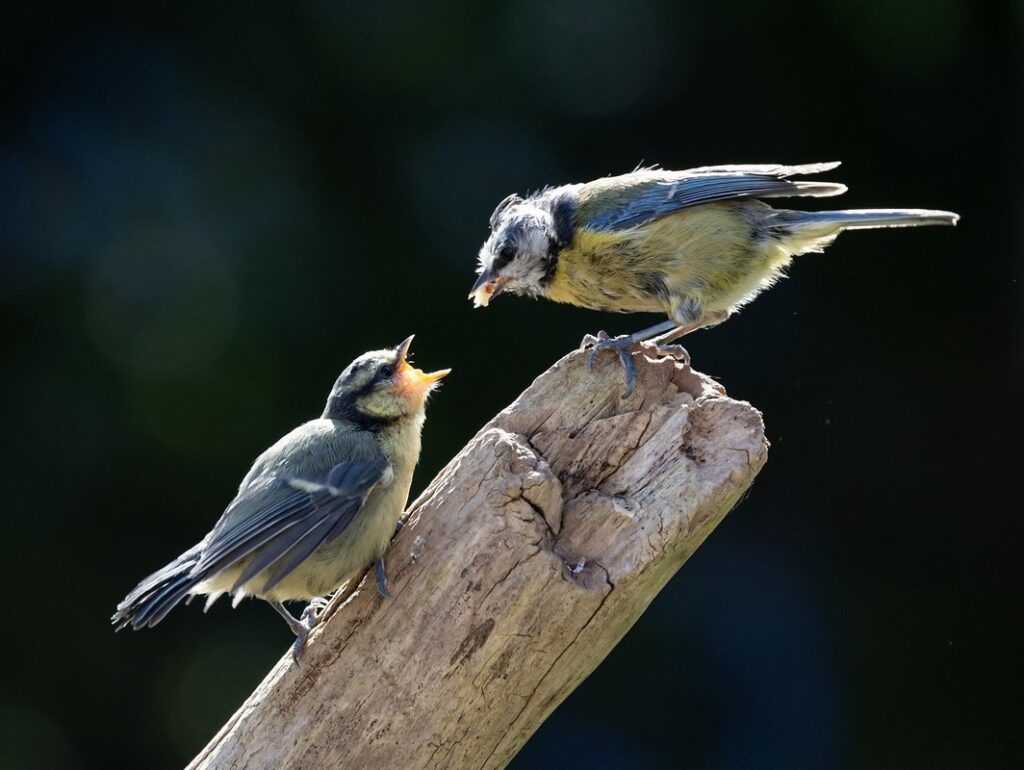
Understanding Chick Development and Temperature Requirements
Understanding chick development and temperature requirements is crucial for raising healthy birds. In this next part, we’ll explore how temperature affects their growth and development stages.
Importance of Temperature Control in Brooding
Temperature control plays a vital role in the development of chicks, significantly impacting their growth rate, health, and survival. When temperatures are not managed correctly, it can lead to stress, discomfort, and even death for the chicks.
A temperature range of 90-100°F (32-38°C) is ideal for the first week after hatching, with a gradual decrease in temperature as they grow older. This allows them to thrive and reach their maximum growth potential. For instance, research has shown that when brooded at optimal temperatures, chicks can grow up to 1.5 times faster than those raised in less-than-ideal conditions.
Proper temperature control also reduces the risk of disease and health issues. When chicks are not comfortable, they’re more susceptible to respiratory problems, scours, and other ailments. By maintaining a stable and suitable environment, you’ll help your flock develop into strong, healthy birds. To achieve this, it’s essential to monitor temperatures closely, using a thermometer or digital temperature gauge to ensure accuracy. Regularly checking the brooder will also allow you to make any necessary adjustments to maintain an optimal temperature range.
Optimal Temperature Ranges for Different Ages
As chicks grow and develop, their temperature requirements change significantly. It’s essential to provide them with optimal temperature ranges at different stages of growth to ensure healthy development.
Between 0-7 days, the ideal temperature range is between 90°F (32°C) and 95°F (35°C). This is because newly hatched chicks are unable to regulate their body temperature effectively, making it crucial for you to provide a warm environment. A temperature drop of even 5°F (3°C) can lead to chilling stress, which can be fatal.
Between 8-14 days, the ideal temperature range cools down to between 80°F (27°C) and 85°F (29°C). At this stage, chicks begin to develop their feathers and start regulating their body temperature more effectively. Providing a slightly cooler environment helps prevent overheating, which can lead to respiratory problems.
Remember, these temperature ranges are crucial for healthy growth and development. Ensure you’re monitoring the temperature in your brooder regularly to avoid any temperature-related issues. A temperature range that’s too high or too low can have serious consequences on chick health.
Factors Affecting Temperature Requirements
When it comes to determining the optimal temperature for brooding chicks, several factors come into play. Breed is one such factor that significantly influences temperature requirements. Different breeds have varying levels of tolerance to cold and heat. For example, some breeds like Leghorns are more sensitive to heat and require cooler temperatures, while others like Orpingtons can tolerate warmer conditions.
Climate also plays a crucial role in determining the ideal brooding temperature. In areas with extreme temperatures, you’ll need to adjust your temperature settings accordingly. For instance, if you live in an area with very cold winters or hot summers, you may need to invest in climate-controlled coops or use supplemental heating/cooling systems.
Individual chick characteristics can also impact temperature requirements. Some chicks, especially those from large egg-laying breeds, tend to be more sensitive to heat stress than others. Additionally, the age and health of your chicks should also be taken into account when determining the ideal brooding temperature.
Setting Up an Optimal Brooding Environment
To create a healthy and thriving environment for your chicks, setting up the right temperature is crucial, but it’s equally important to consider the overall brooding conditions.
Creating a Suitable Brooder Space
When it comes to setting up an optimal brooder space for your chicks, there are several key considerations to keep in mind. First and foremost, you’ll want to ensure that the area is well-ventilated. Chicks produce a lot of heat and moisture as they grow, so good airflow is essential to prevent the buildup of ammonia from their droppings.
Aim to provide at least 2-3 square feet of space per chick in the brooder, taking into account any future growth and movement around feeders and waterers. Positioning the brooder near a window can be beneficial for natural light, but avoid direct sunlight which can cause overheating. You’ll also want to consider installing a heat source that’s easily adjustable, such as a heat lamp or ceramic heat emitter.
It’s crucial to monitor the temperature in your brooder closely during the first week, especially at night when it can drop rapidly. A good rule of thumb is to maintain a temperature range between 90-100°F (32-38°C) for the first few days, gradually reducing the temperature by 5-10 degrees each day until you reach around 70-80°F (21-27°C).
Choosing the Right Heating Sources
When it comes to maintaining an optimal brooding environment for your chicks, choosing the right heating source is crucial. You’ll want to consider various options such as heat lamps, ceramic heat emitters, infrared heaters, and radiant heaters.
Heat lamps are a popular choice due to their affordability and ease of use. They provide a concentrated source of warmth that can be directed towards the brooder. However, they may not be suitable for extremely cold climates or for larger flocks, as they can create hot spots. Ceramic heat emitters, on the other hand, offer a more even distribution of heat without the risk of burns. They’re ideal for larger flocks and can help maintain a consistent temperature.
Infrared heaters are another option that provides a wide range of heat while minimizing the risk of overheating. Radiant heaters work by emitting heat through radiation rather than convection, making them energy-efficient. Consider factors like the size of your flock, climate, and available space when selecting a heating source. It’s also essential to monitor temperature levels closely to ensure the chicks’ comfort.
When using any heating source, remember to follow safety guidelines to prevent accidents. Always place heat sources at a safe distance from bedding materials to avoid fires. Additionally, keep an eye on ventilation levels to prevent overheating or chilling of your chicks.
Monitoring and Controlling Temperature
Monitoring and controlling temperature is crucial to creating an optimal brooding environment. You can’t rely on guesswork or manual checks alone; instead, invest in a reliable thermometer and thermostat system. Digital thermometers are more accurate than analog ones, so opt for these if possible.
In addition to thermometers, consider using temperature guns to scan the brooder area quickly and efficiently. These handheld devices provide instant readings and help you identify hotspots or areas that require attention. Be sure to calibrate your thermometer regularly to ensure accuracy.
When it comes to controlling temperature, thermostats are a must-have. Look for models with precise temperature settings (0.1-0.5°F) and consider investing in multiple sensors to monitor the entire brooder area. You can also use fans or heaters to regulate temperature fluctuations. For example, if the temperature is too high, you can switch on a fan to circulate air; conversely, when it drops below optimal levels, turn on a heater.
Regularly check your thermometer and thermostat readings against the ideal temperature range (95-100°F) for your chicks. Make adjustments as needed to maintain an optimal environment.
Managing Temperature Fluctuations and Emergencies
Understanding temperature fluctuations is crucial for keeping your chicks healthy, which is why it’s essential to know what to do when temperatures soar or drop unexpectedly. This section will walk you through emergency procedures and prevention tips.
Recognizing the Signs of Temperature Stress
Recognizing temperature stress in chicks is crucial to prevent long-term damage and ensure their optimal growth. Behavioral signs of temperature stress include increased restlessness, erratic movement, and a lack of appetite. Chicks may also exhibit abnormal droppings, such as watery or loose stools.
Physically, stressed chicks may experience rapid breathing rates, labored breathing, or a decrease in egg-laying capacity (in females). They may appear lethargic, have a dull plumage, or develop a condition known as “pipping” where they constantly peck at the air due to discomfort. Monitor your flock closely for these signs, especially during extreme temperature fluctuations.
Keep an eye out for chicks that are huddled together in a corner of their enclosure, indicating a lack of comfort. If you notice any of these behavioral or physical changes, take immediate action to adjust the brooder’s temperature and humidity levels. Aim for a temperature range between 90-100°F (32-38°C) during the first week, gradually decreasing it by 5 degrees every subsequent day.
Monitor your chicks’ environment closely, and don’t hesitate to consult with a veterinarian if you suspect temperature stress.
Strategies for Mitigating Temperature-Related Issues
When dealing with sudden temperature fluctuations or equipment failures, it’s essential to have emergency procedures in place. This ensures that you can quickly and effectively respond to the situation, minimizing stress on both yourself and the chicks.
In such cases, prioritize their safety above all else. If the brooder temperature suddenly drops or rises significantly, check the thermostat and heating/cooling units for any issues. Verify that they’re functioning correctly and adjust settings as needed. If the problem persists, consult the equipment’s manual or contact the manufacturer for assistance.
If a power outage occurs during an extreme temperature event, consider investing in a backup generator or alternative heat source to maintain a stable environment. Keep emergency supplies on hand, including candles, flashlights, and battery-powered heating pads, which can be used to provide supplemental warmth to the chicks.
During periods of equipment failure, it’s crucial to monitor the chicks’ behavior closely for signs of distress, such as panting, lethargy, or increased activity. If you notice any adverse reactions, take immediate action by relocating them to a more stable environment or contacting a veterinarian for advice.
Recovery from Temperature-Related Distress
Recovering from temperature-related distress is crucial to ensure the health and well-being of your chicks. If you’ve experienced a temperature fluctuation that’s affected their health, don’t panic – with the right care and attention, they can make a full recovery.
Firstly, assess the situation: how severe was the temperature drop or rise? Were the chicks exposed to cold for an extended period? The quicker you act, the better. Remove any chicks showing signs of distress, such as lethargy or labored breathing, from the brooder and place them in a safe, warm environment.
Administer warmth and hydration immediately: offer your chicks lukewarm water to drink, and consider using heat lamps or warm packs wrapped in towels to maintain a stable temperature. You can also use a brooding box specifically designed for this purpose.
Monitor their health closely over the next few days, watching for signs of improvement – or deterioration. Be prepared to adjust your care strategy as needed. If you’re unsure about any aspect of recovery, consult with a veterinarian for guidance.
Optimizing Brooding Practices for Different Climate Zones
As you’re setting up your brooder, it’s essential to consider how different climate zones can affect chick health and development. We’ll break down temperature adjustments by region to ensure optimal care.
Regional Considerations for Temperature Control
When it comes to brooding chicks, temperature control is crucial, but it’s not one-size-fits-all. Different regions have unique climate conditions that require tailored approaches to ensure the health and well-being of your chicks.
In hot climates, such as those found in tropical or desert regions, temperatures can soar above 90°F (32°C). In these areas, it’s essential to maintain a cooler environment for your chicks, with temperatures ranging from 80-85°F (27-29°C) during the first week and gradually increasing by 5°F (3°C) every week thereafter. This helps prevent heat stress, which can lead to respiratory issues, growth problems, and even mortality.
On the other hand, in cold climates, such as those found in temperate or northern regions, temperatures can drop significantly, especially at night. In these areas, it’s crucial to maintain a warmer environment for your chicks, with temperatures ranging from 90-95°F (32-35°C) during the first week and gradually decreasing by 5°F (3°C) every week thereafter.
Consider the following when adapting your brooding practices to regional temperature requirements:
* Monitor local weather forecasts to adjust temperature settings accordingly
* Use climate-controlled ventilation systems or evaporative cooling methods to regulate temperatures in hot climates
* Provide adequate bedding, such as straw or shavings, to maintain a warm microclimate in cold climates
* Ensure proper feed and water accessibility to prevent chilling in cold climates
By understanding regional temperature requirements and adjusting your brooding practices accordingly, you can provide the best possible environment for your chicks to thrive.
Adapting Brooding Techniques for Local Conditions
When adapting brooding techniques for local conditions, it’s essential to consider the regional temperature profile. A simple way to do this is by using a temperature zone map to identify the average temperature ranges for different areas. For example, if you’re located in a region with mild winters and hot summers, you’ll need to adjust your brooder setup accordingly.
In warmer climates, it’s crucial to provide adequate ventilation to prevent overheating, which can be fatal to young chicks. This might involve installing fans or adjusting the angle of the vents to ensure proper airflow. On the other hand, in colder regions, you may need to increase the temperature within the brooder using heat lamps or ceramic heaters.
To make these adjustments, consider factors such as humidity levels and wind chill. For instance, if your region experiences frequent cold snaps, you’ll want to prioritize maintaining a consistent internal temperature within the brooder. By understanding the unique temperature conditions in your area, you can tailor your brooding strategy to meet the specific needs of your chicks.
Special Considerations for Different Breeds and Species
Some breeds, like Silkies and Polish, have unique needs when it comes to brooding temperature due to their thick feathers and compact bodies. Others require special care too!
Breed-Specific Temperature Requirements
When it comes to brooding chicks, understanding breed-specific temperature requirements is crucial for ensuring their optimal growth and development. Different breeds of chickens have unique characteristics that affect their thermoregulation needs. For example, large breeds like Orpingtons and Plymouth Rockers require a slightly lower temperature than smaller breeds such as Leghorns and Cornish.
A good rule of thumb is to consider the breed’s average weight and growth rate when determining the ideal temperature range. Breeds that grow faster, such as those mentioned above, tend to thrive in temperatures between 95°F and 100°F (35°C-38°C) during the first week. As they mature, you can gradually lower the temperature by 5-10°F (3-6°C) each week.
Some breeds, like Silkies and Polish, are known for their slow growth rate and may require a more stable and warmer environment, often between 98°F and 102°F (36°C-39°C). Researching specific breed requirements will help you provide the best possible temperature conditions for your chicks.
Temperature Needs for Other Poultry Species
When it comes to brooding chicks, many backyard chicken keepers focus on their needs. However, other poultry species have different temperature requirements that can’t be ignored.
Ducks, for instance, are more tolerant of cold temperatures than chickens. They can thrive in temperatures as low as 40°F (4°C), making them ideal for keeping in areas with mild winters. On the other hand, turkeys require a warmer environment and can start to feel uncomfortable if the temperature drops below 50°F (10°C).
Other poultry species like guinea fowl and pheasants also have unique temperature needs. These birds prefer temperatures between 60-70°F (15-21°C) during the day and around 50°F (10°C) at night.
To ensure you’re providing the best environment for your flock, consider the following:
* Research the specific temperature requirements of each species.
* Gradually introduce changes to their environment to prevent stress.
* Monitor their behavior and adjust the temperature accordingly.
Long-Term Consequences of Inadequate Temperature Control
If you’re not careful, even minor temperature fluctuations can have serious long-term effects on your chicks’ health and productivity. Let’s examine the potential consequences in detail now.
Impact on Flock Health and Productivity
Inadequate temperature control during brooding can have far-reaching consequences for the health and productivity of your flock. Prolonged exposure to temperatures that are too high or too low can lead to a range of long-term issues, from respiratory problems to decreased egg production.
When chicks are subjected to suboptimal temperatures, their immune systems may be weakened, making them more susceptible to disease outbreaks. This is particularly concerning in young birds, as their developing immune systems may not be able to cope with the stress of environmental temperature fluctuations.
Decreased productivity can also occur when chicks are raised at inconsistent or extreme temperatures. This may manifest as reduced growth rates, lower egg production, and increased mortality rates. For example, research has shown that broilers raised in temperatures above 28°C (82°F) experienced significant weight loss and increased susceptibility to disease compared to those raised in optimal temperature ranges.
To mitigate these risks, it’s essential to invest in reliable temperature control systems and ensure that your ventilation and insulation are adequate to maintain a consistent temperature range. Regular monitoring of temperature levels and humidity will also help you identify potential issues before they become major problems. By prioritizing temperature control from the outset, you can create a healthy and productive environment for your flock to thrive in.
Economic Implications of Suboptimal Brooding Practices
When it comes to maintaining optimal temperature control during brooding, the consequences of suboptimal practices are far-reaching and have significant economic implications. For instance, increased mortality rates can be devastating for poultry farmers. According to a study by the National Chicken Council, even a 1°C difference in temperature can result in up to 15% higher mortality rates among chicks.
Moreover, if brooding temperatures are not adequately controlled, it can also lead to reduced growth rates. Chicks require precise temperature conditions to regulate their metabolism and grow efficiently. When these requirements are compromised, the outcome is typically stunted growth, which in turn affects profitability. Furthermore, suboptimal temperature control has been linked to decreased egg production, as hens are more susceptible to stress when temperatures fluctuate.
To mitigate these risks, it’s essential for farmers to invest in robust temperature monitoring systems and ensure that their equipment is properly calibrated and maintained. Regular checks on the environment and swift action to address any anomalies can also go a long way in preventing suboptimal brooding practices and their attendant economic consequences.
Frequently Asked Questions
What’s the safest way to monitor temperature fluctuations in my brooder?
Monitor temperature fluctuations by using a reliable thermometer, such as a digital thermometer or an infrared thermometer. Place it near the chicks but not directly over them. Regularly check the temperature readings and make adjustments as needed to maintain the optimal range.
Can I use a heat lamp for very young chicks, especially those under 1 week old?
No, it’s generally recommended to avoid using heat lamps for chicks under 1 week old due to the risk of burns or overheating. Instead, opt for ceramic heat emitters or red heat mats, which are specifically designed for brooding chicks.
How often should I check on my chicks during extreme temperatures?
During extreme temperatures (either hot or cold), it’s essential to check on your chicks more frequently. This could be every 30 minutes to an hour during hot weather and every 15-20 minutes in extremely cold conditions. Keep a close eye on their behavior, temperature, and humidity levels.
What are some common signs of temperature stress that I should watch out for?
Look for signs like panting, labored breathing, lethargy, or excessive water intake. If you notice any of these symptoms, adjust the temperature immediately and provide plenty of fresh air. Also, ensure your chicks have access to clean water and a balanced diet.
Can I use a brooder with multiple heating sources, such as heat lamps and ceramic emitters?
Yes, using multiple heating sources can be beneficial in achieving optimal temperature control. However, make sure they are placed correctly and not too close together to avoid creating hot spots or uneven temperature distribution. Also, consider using a thermostat to regulate the overall temperature.