
Are you experiencing the joys of backyard chicken keeping, only to have your prized laying hen suddenly go on lockdown? If so, you’re not alone. Many a chicken keeper has fallen victim to the charms of broodiness – that all-consuming desire to sit on eggs and raise her own chicks. As lovable as this trait can be, it’s essential to manage broody hens effectively to ensure their health, happiness, and your sanity remain intact. In this article, we’ll delve into the world of broody hen care and management, exploring signs of broodiness, nutrition, health considerations, environmental factors, and expert tips for raising healthy chicks. By the end of it, you’ll be equipped with the knowledge to navigate this natural but sometimes challenging phenomenon with confidence.
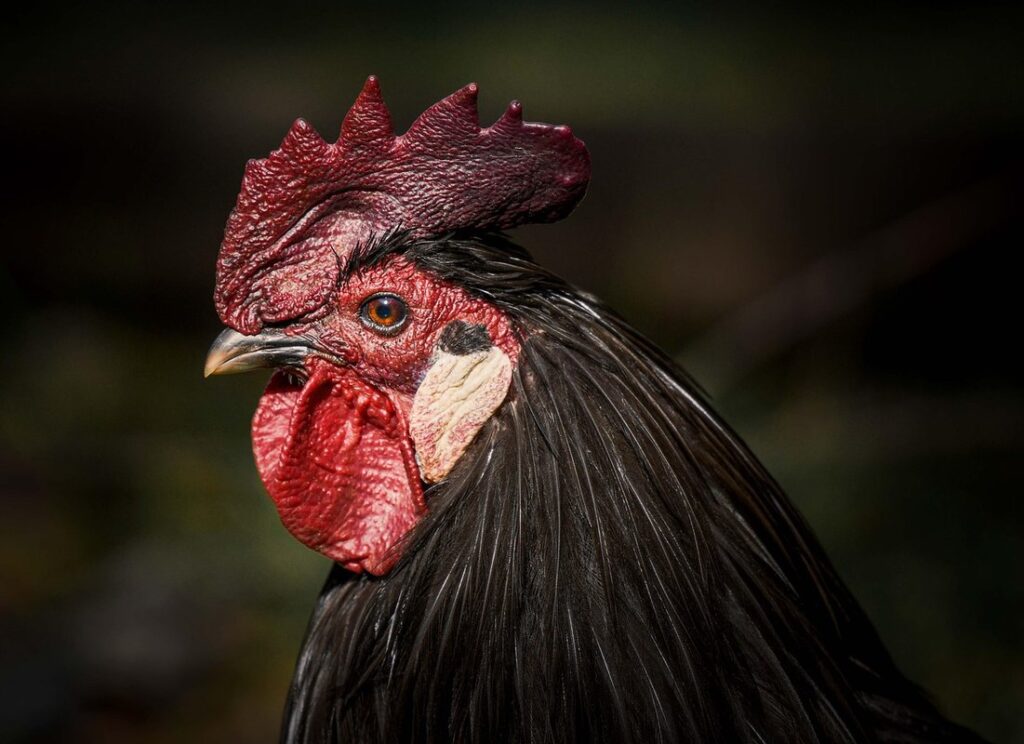
Understanding Broodiness in Chickens
When it comes to caring for a broody hen, understanding why she’s exhibiting broody behavior is crucial – and that’s exactly what we’ll cover next. Let’s dive into the ins and outs of broodiness in chickens!
Identifying the Signs of Broodiness
As a chicken keeper, it’s essential to recognize the signs of broodiness in your hens to provide them with proper care and management. A broody hen is one that has stopped laying eggs and becomes obsessed with sitting on a nest, often refusing to leave her eggs or chicks even when they’re no longer fertile.
One of the most obvious signs of broodiness is a sudden stop in egg production. If you notice your hen’s usual egg-laying schedule slowing down or coming to a complete halt, it could be a sign that she’s going broody. Another indicator is increased nesting behavior – your hen may start to spend more time on her nest, fluffing out her feathers and making herself look as big and round as possible.
When a hen goes broodiness, she’ll often puff out her feathers, especially around the neck and breast area, to make herself appear larger. This is an attempt to intimidate any potential predators that might think she’s vulnerable due to her sitting eggs or chicks. If you notice these behaviors in your hen, it’s time to take action – we’ll discuss how to manage a broody hen in the next section.
It’s crucial to monitor your hen closely for these signs and intervene if necessary to prevent her from exhausting herself by sitting on cold eggs or chicks that won’t hatch. By recognizing the signs of broodiness early, you can provide your hen with the care and management she needs to stay healthy and happy.
Causes of Broodiness in Hens
When it comes to broodiness in hens, understanding its causes is crucial for effective management and care. Genetics play a significant role, with some breeds being more prone to broodiness than others. For instance, Orpingtons and Plymouth Rock are notorious for their tendency to go broody frequently.
Hormonal imbalances can also trigger broodiness in hens. Fluctuations in estrogen levels, particularly during the spring and summer months when daylight hours increase, can stimulate the reproductive cycle. Managing stress is essential as high-stress situations can disrupt a hen’s hormonal balance, leading to broodiness.
Environmental influences, such as temperature fluctuations, light exposure, and access to nesting boxes, also contribute to broodiness. A hen may become fixated on laying eggs if she has limited access to nesting boxes or feels secure in her environment. By providing adequate nesting boxes, managing heat stress, and regulating daylight hours, you can mitigate the risk of broodiness.
Regular health checks and monitoring your flock’s behavior will help you identify potential triggers for broodiness.
Preparing for a Broody Hen: Nesting Box Setup and Environment
To set your broody hen up for success, it’s essential to create an ideal nesting box environment that meets her specific needs and promotes healthy incubation. Let’s dive into the details of setting up a cozy nesting area.
Creating an Optimal Nesting Area
When it comes to creating an optimal nesting area for your broody hen, attention to detail is crucial. A well-designed and placed nesting box will not only make life easier for you but also promote a healthy and happy broody hen.
Start by selecting a quiet, draft-free location for the nesting box. Avoid areas with direct sunlight or extreme temperatures, as these can be uncomfortable for your hen. Ideally, position the nesting box in a spot that’s easily accessible to prevent straining or injury.
The ideal size of a nesting box is approximately 12 inches wide, 18 inches deep, and 6 inches tall. This allows your hen to comfortably stand up, turn around, and lay eggs without feeling cramped. A good rule of thumb is to provide one nesting box per three to four hens in the flock.
Proper ventilation is also essential to prevent ammonia buildup from droppings. Ensure the nesting box has adequate airflow by adding a small window or ventilation panel. Make sure the nesting box is at least 6-8 inches off the ground to allow for easy cleaning and maintenance.
Environmental Considerations for Broody Hens
Creating an environment that encourages broodiness is crucial for a healthy and stress-free broody hen. To do this, you’ll want to consider the lighting levels in their enclosure. Natural light can stimulate broodiness, but it’s essential to provide some shade as well, especially during peak sun hours. A simple awning or shade cloth can help filter the intense sunlight.
Temperature control is also vital for a broody hen. Most breeds prefer temperatures between 60-70°F (15-21°C), which is slightly cooler than their normal living temperature. You can use thermostats to maintain this range, and ensure good ventilation in the coop to prevent moisture buildup.
Maintaining optimal humidity levels will help prevent respiratory issues in your broody hen. A humidistat can be used to regulate the moisture levels, keeping them between 50-60%. It’s also essential to provide adequate air circulation by installing vents or using fans.
By carefully controlling these factors, you’ll create an environment that encourages broodiness while supporting a healthy and stress-free experience for your hen.
Managing a Broody Hen: What You Need to Know
Managing a broody hen can be challenging, but understanding the basics of her behavior and needs is key to ensuring both her health and the safety of your other birds. Here, we’ll cover essential tips for successfully managing a broody hen.
Recognizing the Risks of Prolonged Broodiness
Prolonged broodiness can have severe consequences on a hen’s health if left unchecked. One of the most critical issues is egg binding, where the hen struggles to pass an egg from her vent due to its size or position. This condition requires immediate veterinary attention and can lead to fatal outcomes if not addressed promptly.
Another potential consequence of prolonged broodiness is prolapse, a condition where the hen’s reproductive organs protrude from her vent. This can be caused by excessive straining during laying or an underlying issue with the hen’s pelvic structure. Monitoring your broody hen for signs of prolapse is crucial to prevent long-term damage and ensure her overall well-being.
Reduced fertility is also a common outcome of prolonged broodiness, as it can lead to a range of reproductive issues. Hens may experience a decrease in egg production or lay soft-shelled eggs due to stress on their reproductive systems. Regular health checks and monitoring for these signs will help you identify potential problems early on, allowing you to take corrective action before the issue worsens.
Intervening in Prolonged Broodiness
When you’ve determined that intervening is necessary, it’s essential to do so safely and humanely. Gently removing a broody hen from her nesting box can be an effective method, but this should only be done when she’s left the eggs alone or if she’s been broody for an extended period.
To remove her, approach calmly and carefully, speaking softly to reassure her. Hold her securely but gently, supporting her wings and body, then lift her out of the nesting box. If she struggles, place a towel or cloth over her head and shoulders to help calm her down.
Another option is using a ‘broody breaker‘ device, which can be purchased online or made at home using a broody trap and some creativity. These devices mimic the presence of chicks, enticing the hen to leave the nest. Be cautious when introducing these devices as they may not work with every bird, and always follow manufacturer instructions.
In both cases, it’s crucial to provide an alternative environment for the hen to incubate her eggs if she shows a strong desire to do so.
Nutrition and Health During Broodiness
When your hen goes broody, her nutritional needs change, and it’s essential to ensure she gets the right balance of nutrients for herself and the developing chicks inside her. Proper nutrition is crucial during this period.
Dietary Needs of Broody Hens
When it comes to providing an optimal diet for broody hens, their nutritional needs are crucial for successful incubation and chick development. A calcium-rich diet is essential for eggshell production, as the hen will need to provide adequate calcium for the developing eggs. Include leafy greens like kale, spinach, and collard greens in your hen’s diet, along with crushed oyster shells or cuttlebone to supplement their calcium intake.
In addition to calcium-rich foods, broody hens require energy sources to sustain themselves during incubation. Offer high-calorie foods like mealworms, suet, or sunflower seeds to provide the necessary energy for egg production and chick development.
Proper hydration is also vital for broody hens. Ensure they have access to fresh, clean water at all times. A general rule of thumb is to provide 1-2 cups of water per hen per day. You can also add a few drops of apple cider vinegar to the water to help maintain electrolyte balance and support overall health.
Monitor your broody hen’s diet closely to ensure she is receiving the necessary nutrients for a successful incubation. By providing an optimal diet, you’ll be supporting her overall health and increasing the chances of healthy chicks hatching successfully.
Managing Health Issues in Broody Hens
As broodiness progresses, health issues can arise due to prolonged sitting and changes in diet. One common issue is impacted crops, where food accumulates in the crop (a pouch-like structure at the base of the throat) and prevents it from emptying properly. This can lead to respiratory problems and discomfort for the hen.
To address impacted crops, increase moisture content in their feed by adding fruits, vegetables, or grains high in water content, such as apples or oats. A mix of fresh greens like kale or spinach also helps stimulate digestion.
Prolapse is another potential health issue during broodiness, caused by prolonged straining while sitting on eggs. To prevent prolapse, provide a safe and clean nesting box with adequate space to turn around comfortably, reducing strain on the hen’s reproductive organs.
Monitor your broody hen closely for signs of distress, such as lethargy or changes in droppings, and take prompt action if you notice any issues. Regular veterinary check-ups during this period are also crucial for early detection and treatment of potential health problems.
Raising Chicks from a Broody Hen: The Next Steps
Now that your broody hen has successfully hatched her chicks, it’s time to focus on their development and transition to independence. This section will guide you through the essential steps to raise healthy, thriving chickens from a brood.
Caring for Newly Hatched Chicks
When you finally see those precious chicks emerge from their shells, it’s time to provide them with the right environment for growth and development. The first few days are critical, so let’s dive into the specifics of caring for newly hatched chicks.
Provide a Safe Environment: Move the chicks to a warm, draft-free area, such as a brooder or a large box. Maintain a temperature between 90-100°F (32-38°C) for the first week by using heat lamps or hot water bottles. Ensure adequate ventilation and keep an eye on humidity levels, aiming for around 50-60%.
Adequate Nutrition: Chicks need starter feed specifically formulated for their age group. Offer it in a shallow dish to prevent feeding difficulties. Place a chick grit container nearby, as the chicks will start pecking at it immediately.
Proper Hydration: Provide fresh water in a shallow dish and place a few rocks or marbles inside to allow the chicks to easily access the water while minimizing drowning risks. Change the water frequently to keep it clean and free from bacterial contamination.
Monitor their overall health, looking for signs of stress or illness such as lethargy, labored breathing, or changes in droppings. Consult a veterinarian experienced in poultry care if you notice any unusual behavior or symptoms.
Integrating New Chicks into Your Flock
Introducing new chicks to an existing flock can be a delicate process, but with careful planning and execution, you can minimize stress and maintain order. When integrating new chicks, it’s essential to consider their age and size relative to the older birds. Generally, chicks under 4 weeks old are more vulnerable and should be introduced gradually, starting from visual introductions through a divider or gate.
Begin by placing the new chicks in a separate area within the coop or enclosure, allowing them to become familiar with the sights and sounds of the existing flock without feeling threatened. As they grow older, usually around 4-6 weeks, you can start introducing them to the rest of the flock under close supervision. Monitor their behavior closely for signs of stress, such as feather pecking, aggression, or hiding.
To promote a smooth transition, ensure that your coop has ample space and adequate ventilation for all birds. A well-managed introduction process will not only reduce stress but also help prevent disease transmission.
Tips for Reducing Broodiness in Hens
If you’re struggling to break your hen from its broody cycle, don’t worry – we’ve got some practical tips to help you reduce broodiness and get her back to normal behavior. We’ll explore simple techniques to make this process easier for both you and your bird.
Genetic Selection and Breeding
When it comes to managing broodiness in hens, selecting breeds that are less prone to this behavior can be a game-changer. Through selective breeding programs and choosing genetic lines known for reduced broody behavior, you can significantly reduce the incidence of broodiness on your farm.
To get started, research breeds that have been developed specifically with broodiness reduction in mind. Some examples include Silkies, Polish, and Campine chickens. These breeds are naturally less inclined to go broody due to their genetic makeup.
When selecting breeding stock, look for birds that exhibit minimal or no broodiness. You can also consider cross-breeding with non-broody lines to introduce desirable traits into your flock. Keep in mind that every breed has its unique characteristics, and some may still exhibit occasional broodiness.
Genetic selection is an ongoing process, and it may take several generations to achieve the desired results. However, with patience and persistence, you can develop a flock that requires less management and attention during breeding seasons.
Environmental Strategies for Preventing Broodiness
When managing broody hens, making adjustments to their environment can help discourage broodiness without negatively impacting egg production. One of the most effective strategies is to manipulate lighting levels. Hens are naturally drawn to darkness and quiet, which triggers their instinct to incubate eggs. By providing artificial light, especially during periods when you suspect your hen may be going broody, you can break this cycle.
Maintaining a consistent temperature range is also crucial in discouraging broodiness. A cooler environment with temperatures between 60°F and 70°F (15°C and 21°C) can help reduce the likelihood of your hen becoming broody. Avoid placing the coop near direct sunlight or sources of heat, as this can cause the temperature to fluctuate.
Consider introducing a ‘broody breaker’ – a small, well-ventilated enclosure within the coop where hens can still access their nesting box but are separated from the rest of the flock. This allows them to focus on egg-laying rather than incubating eggs. Keep in mind that individual responses may vary, so monitor your hen’s behavior closely and adjust environmental strategies accordingly.
Conclusion and Final Considerations
As you’ve made it through this comprehensive guide on broody hen care and management, you’re now equipped with the knowledge to handle any brood-related situation that may arise. Remember, a broody hen can be a wonderful addition to your flock, but it’s essential to intervene when necessary to prevent stress and potential health issues for both the hen and her chicks. Don’t be afraid to ask for help if you’re unsure about what steps to take next. If you’ve successfully hatched some healthy chicks under a broody hen’s care, be sure to monitor their growth closely and ensure they receive proper nutrition and care until they’re old enough to integrate with the rest of your flock. By being proactive and attentive, you’ll set yourself up for success in managing your flock and enjoying the joys of backyard chicken keeping.
Frequently Asked Questions
Can I still collect eggs from a broody hen’s nesting box if she’s not interested in leaving her nest?
While it’s possible to manually remove the eggs or chicks, this is generally discouraged as it can be stressful for the hen. If you must collect eggs from a broody hen’s nesting box, do so gently and carefully to avoid disturbing her.
How long should I expect my broody hen to stay on her nest?
The duration of broodiness varies among individual hens but typically lasts around 18-24 days. However, some hens may stay on their nest for as little as a week or up to several weeks.
What are the chances that chicks will hatch successfully from a broody hen’s eggs?
Even if your hen is sitting on fertile eggs, the success rate of hatching is relatively low. Factors such as egg quality, incubation temperature, and environmental conditions all contribute to the likelihood of healthy chick development.
Can I intervene in my broody hen’s behavior by removing her from her nesting box or using a ‘hatcher’?
Intervening too aggressively can cause unnecessary stress for your hen and may lead to health issues. Instead, focus on providing a suitable environment for your hen and ensuring the eggs are fertile before allowing her to incubate them.
How do I transition my broody hen back into regular egg-laying after she’s finished raising chicks?
Gradually reintroduce your hen to her normal routine by removing any remaining chicks or nest materials from her nesting box. This should encourage her to resume laying eggs, but be patient as this can take some time for her to adjust.