
If you’re looking to start or expand your backyard flock, chances are you’ve considered the joys of raising chickens that lay brown eggs. Not only do these birds provide a steady supply of fresh, delicious eggs, but they can also be incredibly entertaining and rewarding pets. But with so many breeds to choose from, it’s hard to know where to begin.
In this ultimate guide to brown egg laying chicken breeds, we’ll take you on a journey through the characteristics, benefits, and popular varieties of these amazing birds. We’ll cover everything from their egg-laying abilities to their temperaments, so you can make an informed decision when choosing the perfect breed for your flock. Whether you’re a seasoned chicken keeper or just starting out, this article will provide expert tips and advice on raising and caring for brown egg laying chickens.
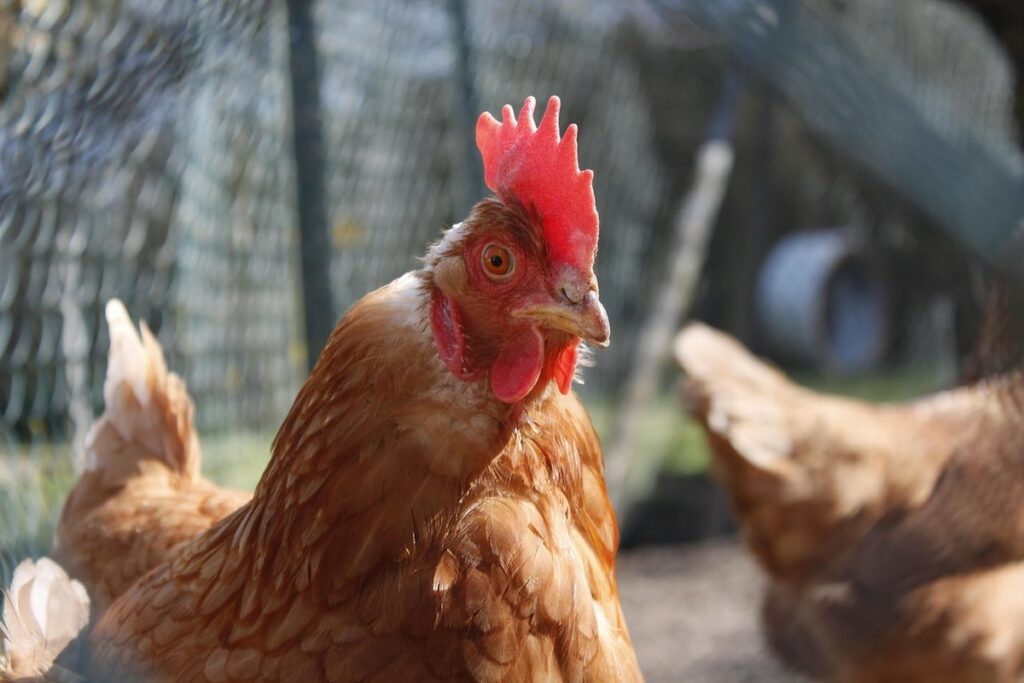
Characteristics and Benefits of Brown Egg Layers
When it comes to brown egg layers, there are several key characteristics and benefits that make them a great choice for backyard chicken keepers. Let’s explore what sets these breeds apart.
Physical Traits and Temperament
Brown egg-laying breeds come in a variety of shapes and sizes, but they often share certain physical characteristics that set them apart from other chicken types. One of the most distinctive features is their plumage color, which can range from rich browns to deep tans and golden hues. For example, the Marans breed boasts a stunning dark chocolate-brown coat, while the Barred Plymouth Rock has a warm, golden brown color with darker stripes.
In addition to their striking appearances, many brown egg-laying breeds also have distinct beak shapes and sizes. The Leghorn, for instance, is known for its slender, curved beak, which is well-suited for pecking at grain. On the other hand, the Brahma has a sturdy, broad beak that’s perfect for breaking open seeds.
When it comes to temperament, brown egg-laying breeds tend to be friendly and docile, making them an excellent choice for backyard chicken keepers. Many of these breeds are known for their gentle nature and are often described as “sweet” or “affectionate.” The Orpington, for example, is famous for its calm demeanor and willingness to follow its owners around the yard.
In terms of body size, brown egg-laying breeds can range from small (around 5 pounds) to large (up to 12 pounds), so it’s essential to choose a breed that suits your available space. By considering these physical characteristics and temperament traits, you can select the perfect brown egg-laying breed for your needs and enjoy years of happy, healthy hens laying delicious eggs.
Health and Hardiness
Brown egg layers are generally known for their hardiness and robust health, but like all living creatures, they can be susceptible to certain health issues if not properly cared for. One common problem affecting brown egg layers is parasites, such as mites and lice, which can lead to anemia and other complications if left untreated. Regular cleaning of the coop and prompt removal of any infected birds can help prevent these issues.
Proper nutrition also plays a crucial role in maintaining the health and well-being of your brown egg layer flock. A balanced diet that includes a mix of protein-rich feed, calcium supplements, and fresh fruits and vegetables will ensure they receive all necessary nutrients for optimal health. Consider adding oyster shells or crushed eggshells to their feeding area for an extra boost of calcium.
It’s also essential to provide regular veterinary check-ups to identify any potential health issues early on. Implementing a vaccination program and maintaining proper hygiene practices within the coop can help prevent diseases such as Newcastle disease and avian influenza. By taking proactive steps in managing your flock’s health, you’ll be able to enjoy a long and productive laying cycle from your brown egg layers.
Egg-Laying Capacity and Size
When it comes to brown egg-laying chicken breeds, one of the most significant factors to consider is their egg-laying capacity and size. Different breeds have varying abilities when it comes to producing eggs, with some laying more than others.
For example, the Marans breed is known for its high egg production, typically laying around 200-220 brown eggs per year. On the other hand, the Barnevelder breed lays slightly fewer eggs, averaging around 180-200 per year. The Orpington breed is another popular choice among backyard chicken keepers, with an average of 180-190 eggs laid annually.
In terms of egg size and shape, most brown egg-laying breeds produce medium to large-sized eggs. The average weight for a brown egg from one of these breeds ranges from 50-60 grams. It’s worth noting that while some breeds may lay smaller or larger eggs, the overall quality and consistency are usually consistent.
When selecting a breed for your backyard flock, consider your personal needs and preferences regarding egg production and size. With proper care and management, many brown egg-laying breeds can thrive in a variety of settings, making them an excellent choice for both hobbyists and commercial producers alike.
Popular Brown Egg-Laying Chicken Breeds
If you’re looking for a reliable source of fresh brown eggs, consider these popular breeds that consistently deliver: Marans, Barnevelder, and Australorp.
1. Marans
If you’re looking for a chicken breed that lays eggs with a rich, dark chocolate-brown hue, look no further than the Marans. Hailing from France, this beautiful breed is prized not only for its stunning plumage but also for its exceptional egg-laying abilities.
One of the most distinctive characteristics of the Marans is its unique egg coloration. Laid by the hens in shades ranging from dark brown to almost black, these eggs are sure to be a conversation starter on any kitchen counter. The breed’s large, oval-shaped eggs are also notable for their thick, smooth shells.
Marans chickens themselves are quite attractive, with their glossy feathers in shades of dark chocolate and silver. They have a distinctive “mottled” appearance due to the intermixing of two main colors: black and gold. As for temperament, Marans are known to be friendly, docile birds that make excellent additions to backyard flocks.
When keeping Marans as pets, it’s essential to provide them with adequate space to roam and exercise, as they can become prone to obesity if overfed. With proper care and attention, however, these lovely hens will reward you with an abundance of delicious brown eggs for years to come.
2. Barnevelder
The Barnevelder breed originated from the Netherlands and has been around since the 19th century. They are known for their distinctive physical traits, which include a mix of brown, white, and black feathers on their bodies. Adult Barnevelders can grow up to 18-20 inches in height and weigh between 8-10 pounds.
One of the most notable features of the Barnevelder breed is their egg-laying capacity. They are prolific layers, producing around 200-220 brown eggs per year. The eggs themselves are large, weighing about 60 grams each. If you’re planning to raise a flock, keep in mind that Barnevelders can be quite loud and may require regular noise checks.
In terms of adaptability, Barnevelders are relatively hardy birds that can thrive in various climates. They do best in temperate conditions with plenty of space to roam around. If you live in an area with hot summers or cold winters, consider providing shade for your flock during the summer months and ensuring their coop is well-insulated during the winter.
As a layer breed, Barnevelders are generally considered easy-going and docile. With proper care and attention, they can make wonderful additions to any backyard flock.
3. Penedesenca
The Penedesenca breed hails from Catalonia, Spain, where it has been prized for its high-quality eggs and amiable nature. This heritage bird is known for producing large to extra-large brown eggs, making them a popular choice among backyard chicken keepers. One of the key advantages of keeping Penedesencas is their friendly and docile temperament – they are an excellent breed for families with children or those who want a low-maintenance flock.
If you’re considering adding Penedesencas to your backyard flock, be prepared to enjoy a high egg yield: hens will typically lay around 250-280 brown eggs per year. Their robust build and hardiness also make them well-suited for harsher climates or regions with variable weather conditions. To get the most out of your Penedesenca flock, provide plenty of space for exercise and enrichment activities – they’ll thrive in a spacious coop with adequate ventilation and a balanced diet.
Their adaptability to different environments makes Penedesencas an attractive choice for many chicken enthusiasts.
Raising Brown Egg-Layers: Tips and Considerations
When it comes to raising brown egg-laying chickens, there are several key factors to consider, including nutrition, health checks, and coop maintenance. Proper care will ensure your flock thrives.
Choosing the Right Breed for Your Needs
When choosing a brown egg-laying breed, it’s essential to consider several factors that will ensure you find the perfect fit for your needs. Think about your personal preferences: do you want a friendly and docile bird, or are you okay with something more assertive? Some breeds, like the Marans, can be quite laid-back, while others, such as the Barnevelder, can be more demanding.
Also consider your climate – some brown egg-layers, like the Sussex, do well in cold temperatures, while others, like the Golden Comet, prefer milder climates. This is especially important if you live in an area with harsh winters or hot summers.
Another crucial factor is available space: make sure to choose a breed that will thrive in your backyard, whether it’s a small yard or a sprawling farm. Consider breeds like the Leghorn, which are great for small spaces, and those like the Brahma, which require more room to roam. By considering these factors, you can select a brown egg-laying breed that will not only meet but exceed your expectations.
Housing and Nutrition Requirements
When it comes to raising brown egg layers, providing them with adequate housing and nutrition is crucial for their optimal health and high-quality egg production. When it comes to coop size, a good rule of thumb is to allocate at least 3-4 square feet per chicken inside the coop. This will give your birds enough space to stretch their wings and move around comfortably.
In terms of ventilation, brown egg layers need adequate airflow to stay cool and dry. Ensure that your coop has proper windows or vents to provide a cross breeze. This is especially important in warmer climates where humidity can be high.
Brown egg layers require a balanced diet rich in protein, calcium, and other essential nutrients. Offer them a mix of commercial layer feed, supplemented with fresh fruits and vegetables. A rough guide for their nutritional requirements includes:
* Protein: 16-18% of total diet
* Calcium: 3.5-4% of total diet
* Phosphorus: 1-2% of total diet
By meeting these basic housing and nutrition needs, you’ll be well on your way to raising healthy, high-producing brown egg layers.
Integrating Brown Egg Layers into Your Flock
Introducing new birds into an existing flock can be a challenging process, but with some planning and caution, you can ensure a smooth transition for both old and new members. When integrating brown egg layers into your flock, start by preparing a separate area where the new birds can become accustomed to their surroundings without feeling threatened or stressed.
Begin by introducing the new birds in a controlled environment, such as a quarantine enclosure, before letting them mingle with the rest of the flock. This allows you to monitor their behavior and ensure they’re healthy before releasing them into the general population.
When it’s time for the integration, do it gradually by starting with visual introductions through wire mesh or netting, allowing the birds to get used to each other’s presence without direct contact. Gradually increase face-to-face interactions under close supervision to prevent any potential conflicts. Keep a watchful eye on body language and behavior, intervening if necessary to maintain harmony within your flock.
By following these steps and taking it slow, you can create a harmonious environment for both your existing and new brown egg layers to thrive in.
Caring for Brown Egg-Laying Chickens: Health and Hygiene
To keep your brown egg-layers happy and healthy, it’s essential to maintain a clean coop, provide regular vaccinations, and monitor their behavior for signs of illness. Proper care will ensure they thrive in your backyard flock.
Vaccinations and Disease Prevention
As a responsible chicken owner, it’s essential to prioritize vaccinations and disease prevention strategies for your brown egg-laying flock. Brown eggs layers are prone to certain health issues that can be prevented with proper care and attention.
Common health concerns affecting brown egg layers include respiratory problems, such as bronchitis and pneumonia, which can spread quickly through a flock. Additionally, diseases like Marek’s disease and avian influenza (AI) can also affect brown egg layers. To manage these risks, it’s crucial to maintain good biosecurity practices, including providing clean living quarters, regular disinfection of coops and runs, and proper waste management.
Regular vaccinations are also vital in preventing diseases that affect brown egg layers. Consult with a veterinarian to determine the best vaccination schedule for your flock, taking into account factors like age, breed, and environmental conditions. By staying proactive and informed about disease prevention strategies, you can create a healthy environment for your brown egg-laying chickens.
Some practical steps to take:
* Ensure all feeders and water sources are clean and easily accessible
* Monitor your flock regularly for signs of illness or stress
* Implement a quarantine system in case a bird becomes sick
* Practice good hygiene when handling birds, including washing hands thoroughly
Biosecurity Measures
When it comes to caring for your brown egg-laying chickens, maintaining their health and hygiene is crucial. One of the most critical aspects of this is implementing biosecurity measures to protect your flock from diseases. Proper sanitation is essential; make sure to clean and disinfect all surfaces, equipment, and feeders regularly with a solution of 1 part white vinegar to 9 parts water.
Disinfection should also be done on a regular basis, especially after introducing new birds or if you suspect an illness. Use a broad-spectrum disinfectant that’s safe for use around chickens, and always follow the manufacturer’s instructions. In addition, establish quarantine procedures in case of any suspected illnesses to prevent the spread of disease throughout your flock.
It’s also vital to maintain good ventilation and air quality in your chicken coop. This can be achieved by ensuring adequate airflow, using a fan or opening windows regularly. Furthermore, avoid overcrowding your coop as this can lead to stress, which weakens your birds’ immune systems making them more susceptible to disease.
Breeding and Raising Brown Egg-Layers
If you’re planning to raise brown egg-laying chickens, learning how to breed and raise them successfully is crucial for a steady supply of eggs. In this section, we’ll cover the essential tips and techniques.
Selective Breeding
Selective breeding is a crucial aspect of maintaining and improving brown egg-layer breeds. This process involves intentionally selecting and mating individual birds with desirable traits to enhance their offspring’s characteristics. When it comes to brown egg layers, breeders focus on attributes such as egg production rate, egg size, shell quality, and feather type.
Genetic considerations play a significant role in selective breeding. Breeders must understand the genetic makeup of their flock and identify the genes responsible for desirable traits. This knowledge allows them to make informed decisions when selecting parents for mating, ensuring that they are not inadvertently introducing detrimental genes into their breed.
Maintaining breed integrity is also essential. This involves preserving the unique characteristics and heritage of each breed, rather than allowing it to become diluted by cross-breeding with other strains. By prioritizing breed integrity, breeders can ensure that their brown egg layers remain true to form, providing consistent performance year after year.
Sexing Chicks
Accurately sexing chicks is crucial when raising brown egg-layers for egg production. Female chicks are needed to ensure a steady supply of eggs from your flock. However, sexing chicks can be a challenging task, especially for beginners. It’s essential to have the right techniques and knowledge to determine the sex of your chicks accurately.
Start by observing the chick’s behavior and physical characteristics at around 3-4 weeks old. Females tend to grow faster than males, so look for differences in size and development. Males will often exhibit more aggressive behavior, such as pecking or fighting, while females are generally more docile. Another way to sex chicks is by looking for the presence of a cloaca, which is a single opening used for reproduction, digestion, and excretion. Females have a larger cloaca than males, making it easier to spot.
A simple method to determine sex is by vent sexing, where you gently open the chick’s vent and examine the reproductive organs. However, this requires some experience and practice to get accurate results. A safer alternative is to use a sex linked gene that causes certain breeds or crossbreeds to develop specific characteristics based on their sex.
To ensure accuracy when sexing chicks, it’s crucial to have the right tools and knowledge. Here are some tips:
* Start with a reputable breeder who has experience sexing chicks.
* Use high-quality sexing equipment, such as a good quality microscope or a well-maintained sexing tool.
* Practice makes perfect – try sexing a few chicks under supervision to develop your skills.
* Consider using a sex linked gene that can simplify the process.
By following these tips and techniques, you’ll be able to accurately determine the sex of your chicks and raise healthy, productive females for your brown egg-laying flock.
Conclusion and Final Thoughts
In conclusion, brown egg-laying chicken breeds are an excellent choice for backyard chicken keepers. They offer a reliable source of fresh eggs and can thrive in a variety of environments. By choosing one of these breeds, you’ll not only be enjoying delicious brown eggs but also contributing to sustainable living. When selecting a breed, consider factors such as climate, space, and egg production rate. For example, if you live in a hot and humid region, a breed like the Marans or Barnevelder may be more suitable due to their heat tolerance.
Ultimately, the key to success with any chicken breed is proper care and attention. Make sure to provide your flock with a balanced diet, adequate shelter, and regular health checks. With these simple steps in mind, you’ll be well on your way to raising happy and healthy brown egg-laying chickens that will reward you with fresh eggs for years to come.
Frequently Asked Questions
How do I determine the right breed of brown egg layer for my backyard flock?
If you’re new to chicken keeping, it’s essential to consider factors like climate, available space, and desired egg-laying capacity when choosing a breed. Research different breeds, their characteristics, and temperament to find the best fit for your needs.
Can I integrate brown egg layers with other breeds in my existing flock?
Yes, many brown egg layer breeds are compatible with other chicken varieties. However, it’s crucial to ensure compatibility through research or trial-and-error. Introducing new birds can be challenging, so start slowly and monitor their behavior to prevent conflicts.
How often should I clean and disinfect the coop to maintain biosecurity for my brown egg layers?
Regular cleaning and disinfection are vital for maintaining a healthy flock. Aim to clean the coop at least once every 2-3 months, removing droppings and debris, and disinfecting all surfaces with a pet-safe solution.
What is the average lifespan of a brown egg layer breed, and when can I expect peak egg production?
The average lifespan of a brown egg layer varies by breed, but most can live for 5-7 years. Peak egg production typically occurs within the first 2-3 years of a bird’s life, after which production may gradually decline.
Can I raise brown egg layers from chicks or should I purchase adult birds?
Both options are viable, depending on your experience and resources. Raising chicks requires careful attention to their needs during growth, while purchasing adult birds can provide immediate gratification but may come with unknown health histories.