
Are you considering adding a new feathered friend to your backyard flock, or perhaps looking to learn more about these beautiful birds? The Buff Brahma hen is a popular choice among chicken enthusiasts for its stunning appearance and gentle nature. But what makes this breed so special, and how can it thrive in your care? In this comprehensive guide, we’ll delve into the history of the Buff Brahma, exploring its origins and evolution over time. We’ll also examine their physical characteristics, including their impressive size and striking plumage. Additionally, we’ll discuss health considerations and egg production, providing you with a thorough understanding of what to expect from your Buff Brahma hens. Whether you’re an experienced chicken keeper or just starting out, this guide has everything you need to know about these wonderful birds.
History and Origins of the Breed
The Buff Brahma hen has a rich and fascinating history that spans over 200 years, originating from the Indian subcontinent. Let’s dive into its origins and evolution as a distinct breed.
Origin Story: Where Did the Buff Brahma Come From?
The Buff Brahma hen’s origin story begins in the 19th century when French breeders sought to create a heat-tolerant and disease-resistant bird. By crossing the Cochin with the Indian Game, they developed the Brahma, one of the largest chicken breeds known for its size and gentle nature.
As the popularity of the Brahma grew, American farmers began experimenting with the breed to adapt it to their climate and market demands. They crossed the Brahma with other large breeds like the Modern Game to create a bird that combined the Brahmas’ excellent mothering instincts with the Modern Games’ impressive size and plumage quality.
This cross-breeding led to the development of several distinct strains, including the Buff Brahma. Known for its stunning golden-brown feathers and friendly demeanor, the Buff Brahma quickly gained popularity among backyard chicken keepers and commercial farmers alike. Today, this hardy and affectionate breed remains a favorite among poultry enthusiasts worldwide.
The Buff Brahma’s remarkable adaptability and versatility make it an excellent choice for small-scale farming operations or family homesteads.
Early Development and Breed Standards
The early development of the Buff Brahma breed is rooted in its ancestors, the large and gentle Brahmas from India. In the mid-19th century, a British breeder crossed these Brahmas with other breeds to create a larger and more robust chicken. This selective breeding process led to the establishment of several distinct Brahma varieties, including the Buff Brahma.
Key milestones in the development of the breed include its introduction to the United States in 1854 and subsequent recognition by the American Poultry Association (APA) in 1875. Breeders continued to refine the breed’s characteristics through selective breeding, focusing on its gentle nature, massive size, and rich, golden-brown plumage.
The Buff Brahma breed standard established by the APA emphasizes several key traits, including a minimum weight of 7 pounds for hens and 12 pounds for cocks. The breed’s unique features include its broad, deep breast, long neck, and well-feathered legs. By understanding these key milestones and breed standards, you can make informed decisions when selecting Buff Brahma hens or breeding them to enhance their distinctive characteristics.
Physical Characteristics and Temperament
When it comes to buff Brahma hens, their physical characteristics and temperament can give you a good idea of what to expect from these lovable birds. Let’s take a closer look at their unique traits.
Appearance: What Do Buff Brahmas Look Like?
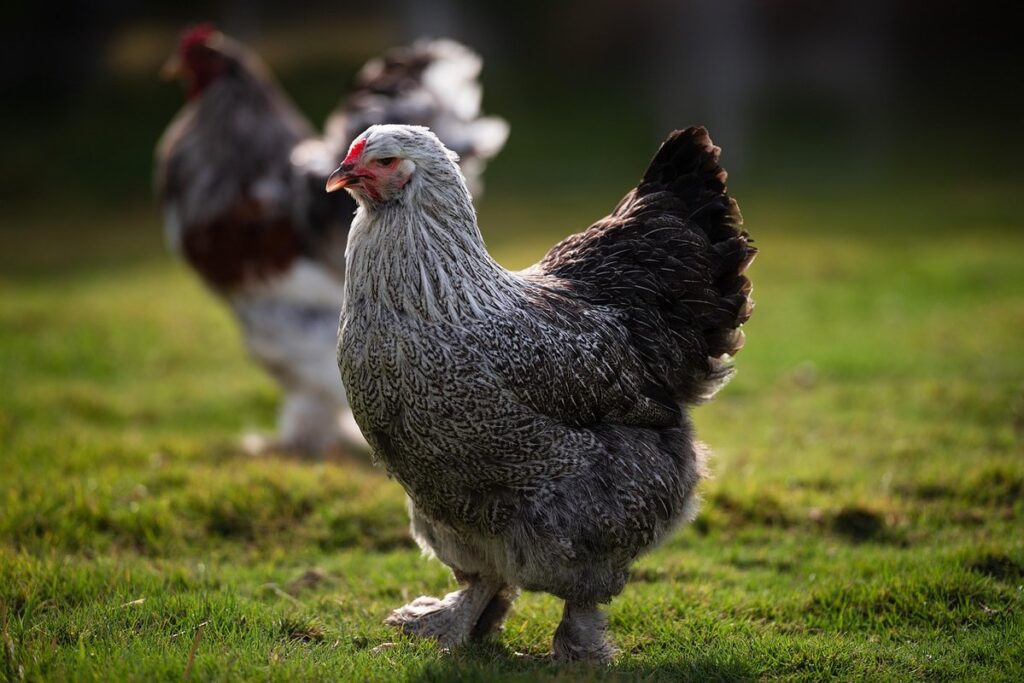
Buff Brahmas are one of the most recognizable and majestic breeds due to their impressive appearance. On average, Buff Brahma hens stand at about 40-45 pounds, making them a substantial addition to any flock. Their size is complemented by their stunning plumage, which features soft, fluffy feathers in shades of golden-brown, buff, and cream. The plumage is long and flowing, with some hens displaying more pronounced feathering on the breast and thighs.
One notable feature of Buff Brahmas is their unique beak shape. Rather than being sharp or pointed like other breeds, the Buff Brahma’s beak is broad and rounded at the tip. This shape is well-suited to foraging and scratching in the dirt, which helps them uncover seeds and insects that other birds might miss.
In terms of leg type, Buff Brahmas have large, sturdy legs with a slight tapering towards the feet. Their feathers often cover their lower legs, giving them a rather elegant appearance. Within the breed, you’ll find different variations, such as the buff and gold varieties, each with slightly distinct coloration patterns. When selecting a Buff Brahma hen, look for birds with clean, well-groomed plumage and no signs of obesity or feather loss.
Personality Traits and Temperament
Buff Brahma hens are known for their gentle and docile nature, making them an excellent choice for backyard flocks. In terms of temperament, they are often described as calm and laid-back, even in the face of loud noises or sudden movements. When it comes to interacting with humans, Buff Brahmas tend to be friendly and curious, enjoying human attention and interaction.
When introduced to other animals, Buff Brahma hens generally get along well, especially if socialized from a young age. However, as with any breed, there may be instances where they exhibit aggression or dominance. In these cases, it’s essential to intervene promptly and separate the birds to prevent conflicts.
Some key personality traits to keep in mind when owning Buff Brahma hens include:
* They are not flighty or nervous, making them an excellent choice for urban backyards.
* They are relatively quiet compared to other breeds, producing minimal noise.
* They have a unique ability to adapt to different living situations and environments.
By understanding the temperament and personality traits of your Buff Brahma hens, you can create a harmonious and stress-free environment for both your birds and yourself.
Health Considerations for Buff Brahmas
When it comes to raising buff brahma hens, their unique characteristics can also pose specific health risks that you should be aware of as a responsible owner. Let’s take a closer look at these potential health concerns.
Common Health Issues Affecting Buff Brahmas
Buff Brahmas are prone to certain health issues that can affect their overall well-being and lifespan. One of the most common genetic predispositions is obesity, which can lead to a range of complications including heart disease, diabetes, and respiratory problems. This is often due to overfeeding or lack of regular exercise.
Environmental factors also play a significant role in Buff Brahma health. Dusty living conditions can exacerbate respiratory issues such as bronchitis and asthma, while extreme temperatures can cause heatstroke or hypothermia. It’s essential to provide your Buff Brahmas with a clean, well-ventilated coop that’s protected from the elements.
To prevent these health issues, it’s crucial to maintain a healthy weight through balanced feeding and regular exercise. Provide fresh fruits and vegetables daily, and ensure access to clean water at all times. Regular veterinary check-ups can also help identify potential problems early on, allowing for prompt treatment and minimizing the risk of long-term complications.
Nutrition and Care Recommendations
Buff Brahmas are known for their gentle and calm nature, making them an ideal choice for backyard chicken keepers. However, to ensure they thrive, it’s essential to provide the right nutrition and care. A balanced diet is crucial for maintaining their overall health and well-being.
When it comes to dietary requirements, Buff Brahmas need a high-quality layer feed that is rich in protein and calcium. A good quality feed should contain around 16-18% protein and 2-3% calcium. You can also supplement their diet with fruits, vegetables, and grains like oats and barley. It’s essential to provide fresh water at all times and ensure access to a clean feeding area.
In terms of exercise needs, Buff Brahmas require regular movement to stay healthy. They need space to roam around, stretch their wings, and engage in natural behaviors like foraging and scratching. A minimum of 2-4 square feet per bird is recommended, but more space is always better. Make sure to provide a safe and secure enclosure with adequate ventilation and protection from predators.
Providing enough space and allowing your Buff Brahmas to engage in natural behaviors will keep them happy and healthy.
Raising and Caring for Buff Brahma Chicks
If you’re bringing home buff brahma chicks, it’s essential to know how to provide them with the best care from day one. This section will guide you through every step of raising and caring for your new feathered friends.
Introduction to Young Chicks: Tips for Success
When introducing young buff brahma chicks to their new environment, it’s crucial to consider their fragile nature and need for gentle adaptation. Start by placing them in a brooder specifically designed for young chicks, equipped with adequate ventilation and heat sources. A temperature range of 90-100°F is ideal for the first week, gradually decreasing by 5°F every few days.
Provide a starter feed with 20% protein content to support their growth. Fresh water should be easily accessible, changed daily to prevent bacterial contamination. Ensure adequate lighting in the brooder, as buff brahma chicks require at least 14 hours of light per day for optimal development.
For successful adaptation, handle your chicks gently and briefly several times a day to acclimate them to human interaction. Keep their living area clean by removing droppings daily and disinfecting food and water dishes regularly. This initial care sets the stage for healthy growth and reduces stress in young buff brahma chicks.
Growing and Developing Your Buff Brahma Flock
As your Buff Brahma chicks grow into adult birds, it’s essential to continue providing them with optimal care and management. Vaccinations are crucial during this stage, as they help protect against diseases that can be detrimental to the flock. Consult with a veterinarian to determine the best vaccination schedule for your birds.
Molting is another significant aspect of their development. Buff Brahma hens typically undergo two molts per year, which means they’ll shed and regrow new feathers twice annually. During this time, ensure they have access to a balanced diet rich in calcium and vitamins to support healthy feather growth.
Socialization is also vital for the overall well-being of your flock. As they mature, provide opportunities for them to interact with each other, as well as with humans. This can be achieved through regular handling, playtime, and even introducing new birds to the flock at a slow pace. By doing so, you’ll create a harmonious and stress-free environment that allows your Buff Brahma hens to thrive.
Regular monitoring of their health, along with maintaining cleanliness and hygiene within the coop, will also be essential as they grow.
Egg Production and Breeding
When it comes to egg production, buff Brahmas are renowned for their impressive laying abilities, and breeding them requires a good understanding of their unique characteristics. Let’s take a closer look at these essential aspects.
Egg Laying Patterns in Buff Brahmas
Buff Brahmas are known for their impressive egg-laying abilities, producing an average of 180-200 large brown eggs per year. As with many breeds, the frequency and quality of eggs can vary depending on factors such as nutrition, health, and individual bird characteristics.
In terms of frequency, Buff Brahmas tend to lay one large brown egg every 24-26 hours. This consistent production is due in part to their relaxed and calm nature, which reduces stress and promotes overall well-being. However, some owners have reported that their Buff Brahams may go on occasional laying breaks, typically during periods of intense heat or when the flock is experiencing social changes.
When it comes to egg quality, Buff Brahmas are known for producing large, dark brown eggs with sturdy shells. The texture and flavor of these eggs are often described as rich and full-bodied, making them a favorite among chefs and home cooks alike. If you’re looking to optimize your Buff Brahma’s egg-laying abilities, ensure they have access to a balanced diet rich in calcium and other essential nutrients.
Breeding and Genetic Considerations for Buff Brahmas
When it comes to breeding and selecting Buff Brahmas for optimal egg production, several key considerations come into play. Genetic selection is crucial to ensure that the birds are bred with desirable traits such as high fertility rates, strong reproductive health, and a robust immune system.
To achieve this, breeders must focus on selecting hens with a proven track record of laying large numbers of fertile eggs. This involves evaluating individual birds’ egg production, fertility, and overall health before breeding them to other top-performing individuals.
Aim for a minimum inbreeding coefficient of 10% to maintain genetic diversity while still benefiting from the advantages of inbreeding. Regularly evaluate your flock’s reproductive performance using metrics such as hatch rates, fertility percentages, and embryonic mortality. Monitor your birds’ overall health by tracking mortality rates, examining their physical condition, and conducting regular health checks.
By carefully selecting breeding stock with desirable traits and maintaining a healthy, genetically diverse flock, you can ensure the long-term success of your Buff Brahma breeding program.
Conclusion: Why Keep a Buff Brahma Hen?
Now that you’ve learned all about buff Brahmas, let’s talk about why keeping one as a pet can be such a rewarding experience for backyard chicken enthusiasts.
Summary of Key Points
So you’ve decided to bring home a Buff Brahma hen, and for good reason. With their impressive size, gentle nature, and striking appearance, it’s no wonder they’re a favorite among poultry enthusiasts. As we’ve explored throughout this guide, the Buff Brahma is an excellent choice for many reasons.
Let’s recap some of the key points that make them stand out:
* Their large size makes them ideal for providing eggs, with some hens producing up to 200 brown eggs per year.
* Their friendly and docile nature makes them a great addition to any backyard flock, even for families with children.
* With proper care, Buff Brahmas can live for up to 10 years, making them a long-term companion.
* They’re relatively low-maintenance birds, requiring minimal space and care compared to some other breeds.
As you prepare to bring your new feathered friend home, remember that the key to their happiness and health lies in providing a safe, comfortable environment and proper nutrition. With these basics covered, you’ll be well on your way to enjoying many happy years with your Buff Brahma hen.
Final Thoughts and Recommendations
As you’ve reached the end of this comprehensive guide on the Buff Brahma Hen, it’s time to reflect on what makes these gentle giants truly special. From their striking appearance and impressive size to their docile nature and egg-laying abilities, there are countless reasons why a Buff Brahma Hen can be an excellent addition to any backyard flock.
If you’re considering bringing one of these magnificent birds into your life, here are some final recommendations: start by doing plenty of research on the breed’s specific needs, including space requirements, diet, and health considerations. Join online communities or forums to connect with other Buff Brahma owners who can offer valuable insights and advice. When introducing a new hen to your flock, do it slowly and under close supervision to ensure a smooth transition.
Lastly, be prepared for the long-term commitment of caring for a Buff Brahma Hen – these birds can live up to 10 years or more with proper care and attention. By following these guidelines and being willing to adapt to their unique needs, you’ll be well on your way to creating a harmonious and happy home for your new feathered friend.
Frequently Asked Questions
Can I keep Buff Brahmas as pets, or are they better suited for egg production?
Yes, Buff Brahmas can make excellent pets due to their gentle nature and stunning appearance. However, if you’re looking for a breed primarily for egg production, other breeds might be more suitable. Buff Brahmas lay around 200 eggs per year, which is relatively moderate compared to some commercial egg-laying breeds.
How do I introduce new Buff Brahma chicks to my existing flock?
When introducing new chicks to your flock, it’s essential to follow a gradual integration process. Start by keeping the new chicks in a separate area and allowing them to get accustomed to each other’s sounds and presence. Once they appear comfortable with each other, you can begin supervised interactions under close supervision.
What are some common health issues I should be aware of when raising Buff Brahmas?
Buff Brahmas are generally hardy birds but may be prone to certain health issues like vent prolapse, frostbite, and heat stress due to their large size. Regular monitoring of their health, a balanced diet, and providing adequate shelter from extreme temperatures can help mitigate these risks.
Can I breed my Buff Brahma hens with other breeds, or do they have specific breeding requirements?
Buff Brahmas are considered a pure breed and should be bred with other Buff Brahmas to preserve their distinct characteristics. However, if you’re looking to create hybrid offspring, it’s best to consult with experienced breeders or a poultry expert to ensure the health and viability of your birds.
How long do Buff Brahma hens typically live, and what factors influence their lifespan?
Buff Brahma hens can live for around 8-10 years with proper care and management. Factors influencing their lifespan include nutrition, health issues, climate conditions, and genetics. Regular veterinary check-ups, a balanced diet, and providing a safe living environment can all contribute to a long and healthy life for your Buff Brahmas.