
If you’re considering adding some new feathered friends to your farm or backyard flock, you might be wondering which breed is right for you. One popular choice among chicken enthusiasts are the beautiful Buff Orpington hens. Not only do they bring a touch of warmth and charm with their golden-brown plumage, but they also offer numerous benefits as pets or farm additions. In this article, we’ll delve into the key characteristics of Buff Orpington hens, including their temperament, egg-laying capacity, and health considerations. We’ll explore why these lovely ladies make excellent additions to any flock, from their friendly nature to their impressive egg production. Whether you’re a seasoned farmer or just starting out with backyard chickens, this guide will help you understand the ins and outs of Buff Orpington hens and how they can thrive under your care.
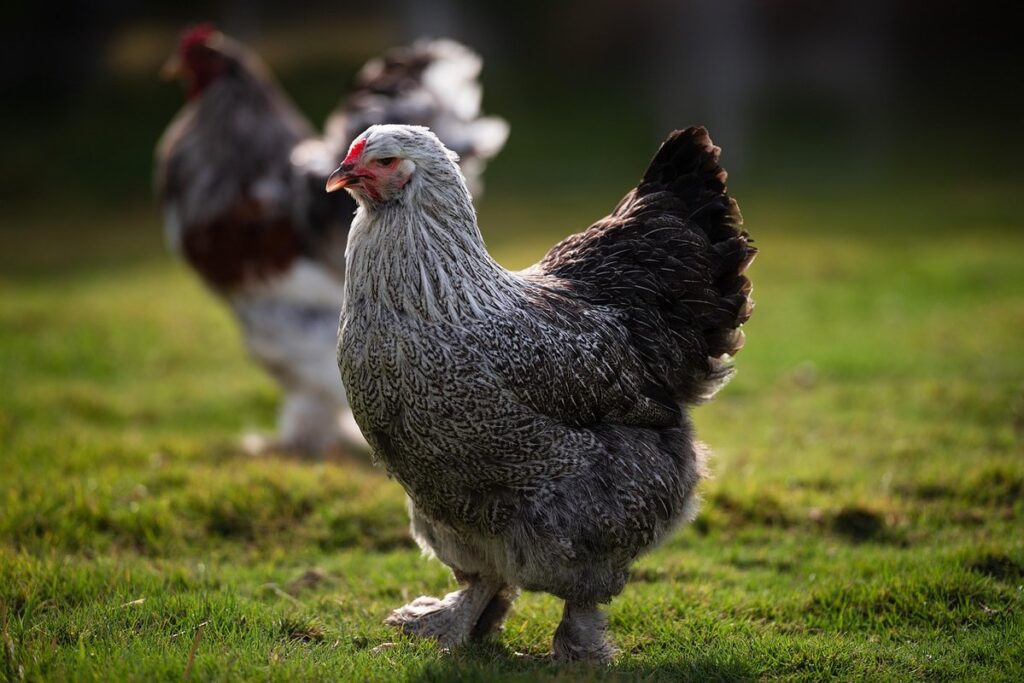
History and Origin of Buff Orpington Hens
These gentle ladies have been delighting backyard chicken keepers for over a century, so let’s dive into their fascinating history and origins. Their charm goes beyond their beautiful golden feathers!
Early Development and Introduction
Buff Orpington hens have a rich history that dates back to the late 19th century. Their origins can be traced back to England, where they were first bred by William Cook, a renowned poultry breeder. In fact, the breed was developed specifically for its desirable characteristics, such as its friendly and docile nature.
According to historical records, Cook’s initial goal was to create a hen that would excel in egg-laying capabilities while also possessing a unique appearance. He successfully combined the strengths of various breeds, including the Black Orpington and the Light Brahma, to produce a bird that would meet his high standards.
This early development of Buff Orpington hens laid the foundation for their widespread popularity among backyard chicken enthusiasts today. With their impressive egg-laying abilities, stunning golden-brown plumage, and gentle demeanor, it’s no wonder why they have become a favorite among poultry breeders and owners alike.
The initial introduction of Buff Orpington hens to the market marked the beginning of a successful breeding program that would go on to shape the modern-day characteristics of this beloved breed.
Key Breeders and Their Impact
Buff Orpington hens owe a significant debt to the pioneering breeders who helped establish their reputation as gentle giants. Among these early champions was William Cobb, an English poultry breeder who first exhibited Buff Orpingtons at the Birmingham National Show in 1894. Cobb’s dedication to refining the breed resulted in the distinctive golden-brown plumage and friendly temperament that have become synonymous with Buff Orpingtons.
Another key figure in the breed’s development was George E. Codd, an English breeder who worked tirelessly to improve the breed’s egg-laying capacity without compromising its size or temperament. His efforts paid off, as Buff Orpingtons soon became known for their impressive production of large, brown eggs.
The impact of these early breeders cannot be overstated. Their commitment to perfection paved the way for modern-day enthusiasts to enjoy the many benefits of owning a Buff Orpington hen – from its striking appearance to its exceptional egg-laying abilities and gentle disposition.
Early Characteristics and Traits
When the Buff Orpington breed was first introduced in the late 19th century, it quickly gained popularity among farmers due to its exceptional characteristics. One of the primary reasons for its success was its impressive egg-laying abilities. A typical Buff Orpington hen can lay between 200-220 large brown eggs per year, making them an ideal choice for small-scale farms and backyard flocks.
In addition to their high egg production, Buff Orpingtons are also known for their friendly and docile nature. They are easy-going birds that get along well with other poultry and even children. This makes them a great choice for families or individuals who want to keep chickens but may not have extensive experience in chicken keeping.
Their gentle temperament is also beneficial for farmers, as it allows them to be handled regularly without stress or aggression. This characteristic, combined with their high egg production and attractive plumage, made Buff Orpingtons an instant hit among farmers seeking a reliable and low-maintenance breed.
Physical Characteristics of Buff Orpington Hens
When it comes to identifying your buff brahma hen, there are several key physical characteristics you should know, such as their plumage and beak shape. Let’s take a closer look at what makes them unique.
Size, Weight, and Plumage
When it comes to physical characteristics, mature Buff Orpington hens are known for their impressive size and weight. On average, a fully grown Buff Orpington hen can weigh anywhere from 8 to 11 pounds (3.6 to 5 kilograms), making them one of the larger breeds of domestic chickens.
In terms of length, they typically range between 24 to 27 inches (61-69 centimeters) in height, with some hens reaching up to 30 inches (76 centimeters) or more. This size and weight make them a great choice for backyard flocks where space is available.
The plumage of Buff Orpington hens is also quite notable. They have a beautiful golden-brown coat with a slight wave in the feathers, giving them a soft and luscious appearance. One distinctive feature is their golden undertones on their wings and tail, which add to their stunning looks. Overall, the combination of size, weight, and plumage makes Buff Orpington hens a sight to behold.
It’s worth noting that individual birds may vary slightly in terms of size and plumage, but these characteristics are generally consistent among mature Buff Orpington hens.
Egg-Laying Capacity and Color
Buff Orpington hens are renowned for their remarkable egg-laying abilities. On average, they produce around 200-220 large brown eggs per year, making them an excellent choice for backyard chicken keepers and small-scale farmers alike. Their eggshell color is typically a rich, dark brown that is both attractive and durable.
However, it’s worth noting that some Buff Orpington hens may exhibit variations in their egg-laying capacity due to factors such as nutrition, health, and breed genetics. Some individuals may lay more frequently or produce smaller eggs, while others might experience a slight decrease in production during the winter months when daylight hours are shorter.
To encourage optimal egg-laying in your Buff Orpington hens, ensure they receive a balanced diet rich in protein and calcium, as these nutrients play a crucial role in eggshell development. Additionally, provide access to fresh water, sunlight, and adequate space for exercise and activity. By doing so, you can expect an average of 5-6 eggs per week from each hen, making them a reliable source of fresh, homegrown produce.
Comb and Wattle Characteristics
Buff Orpington hens are known for their stunning physical characteristics, and their combs and wattles are a big part of that. These fleshy growths on the head and neck serve several purposes, including regulating body temperature and attracting mates.
One of the most distinctive features of Buff Orpington combs is their size. They tend to be quite large, which can make them more prone to frostbite in colder climates. If you live in an area with harsh winters, it’s essential to take steps to protect your hens’ combs from freezing temperatures.
The wattles themselves are also notable for their length and fluffiness. While some breeds have very short or even absent wattles, Buff Orpingtons sport long, droopy ones that add to their endearing appearance.
To keep your Buff Orpington’s comb and wattle healthy, make sure they always have access to clean drinking water and a balanced diet rich in vitamins A and E. You can also trim back any overgrown wattles or combs to prevent them from becoming too long and prone to disease.
Keep an eye out for signs of frostbite or irritation on your hen’s comb and wattle, such as redness, swelling, or discharge. If you notice any of these symptoms, consult with a veterinarian experienced in poultry care to get the best advice for treatment.
Temperament and Personality
When it comes to personality, Buff Orpington hens are known for their friendly and docile nature, making them a great fit for families and small farms. They’re also surprisingly adaptable to new environments.
Friendliness and Social Nature
Buff Orpington hens are renowned for their affectionate and docile nature. They quickly become comfortable around humans and often seek attention from their owners. This friendly disposition makes them an excellent choice for families with children, as well as for novice chicken keepers who want a stress-free experience.
One of the key characteristics of Buff Orpingtons is their ability to adapt to new environments. They are relatively easy-going birds that can thrive in small backyards or large farms alike. When introducing new hens to your flock, consider starting with a few calm and gentle birds like Buff Orpingtons. They will help ease the transition for more timid breeds.
When it comes to interacting with humans, Buff Orpingtons are known to follow their owners around the yard, often seeking scratches or treats. This behavior is not only endearing but also a great way to strengthen your bond with them. To encourage this friendly nature, make sure to spend quality time with your hens daily, and provide a safe and comfortable living space that promotes relaxation.
Buff Orpingtons are generally quiet birds, making them an excellent choice for those who live in close proximity to neighbors or prefer a peaceful environment. With proper care and attention, these gentle hens can become an integral part of your family and make wonderful additions to any backyard flock.
Adaptability to New Environments
When it comes to adapting to new environments, Buff Orpington hens are known for their remarkable flexibility and calm nature. They thrive in a variety of living situations, from small backyard coops to larger farm settings. This adaptability makes them an excellent choice for homesteaders or those new to raising chickens.
One key factor that contributes to their ease of adaptation is their gentle temperament. Buff Orpingtons are less prone to stress and anxiety than other breeds, which allows them to settle in quickly to new surroundings. They’re also relatively low-maintenance birds, requiring minimal fuss and attention when transitioning to a new environment.
In terms of practical advice, it’s essential to introduce your Buff Orpington hens to their new surroundings gradually. Start by allowing them to explore the coop and surrounding area at their own pace. This will help them become familiar with their new space and reduce stress levels. Additionally, ensure that their living situation provides adequate ventilation, lighting, and space for exercise. With proper care and attention, your Buff Orpington hens will quickly settle in and become an integral part of your flock.
Handling and Training Tips
When it comes to handling and training Buff Orpington hens, it’s essential to establish trust and respect from an early age. Start by letting them come to you, rather than reaching for them directly. Move slowly and calmly around the coop or run, allowing them to become familiar with your presence.
Begin training sessions in short intervals, using positive reinforcement techniques such as treats and praise. Introduce new activities gradually, like stepping onto a perch or exploring a new area of the coop. Be patient, as Buff Orpingtons can be wary of change and may require time to adjust.
For optimal results, establish a routine that includes regular interaction and socialization. Spend time with your hens daily, engaging in activities such as dust baths, foraging, or simply spending time together. This will help strengthen the bond between you and your Buff Orpingtons, making handling and training a more enjoyable experience for both parties.
Remember to always supervise interactions between children and hens, especially during training sessions. By following these guidelines, you’ll be well on your way to developing well-adjusted, confident birds that thrive under your care.
Health Considerations and Care
When it comes to caring for your Buff Orpington hens, their health should always be a top priority. This is where understanding common health issues and providing proper care come into play.
Common Health Issues
As much as you’ll love having your Buff Orpington hens around, it’s essential to be aware of potential health issues that can arise. These lovable ladies are prone to certain conditions that, if left unchecked, can lead to serious problems.
One common issue is obesity. Due to their friendly nature and tendency to forage for food enthusiastically, Buff Orpingtons can easily overeat, leading to weight gain. This increases the risk of various health issues, including diabetes and heart disease. To prevent this, make sure your hens have plenty of space to roam and exercise. Limit treats and ensure they’re getting a balanced diet.
Egg-laying problems are another concern for Buff Orpingtons. They’re prolific layers, producing an average of 200-220 brown eggs per year. However, some females may experience health issues related to egg production, such as reproductive tract infections or prolapse. Keep a close eye on your hens’ behavior and watch for signs like lethargy, loss of appetite, or changes in egg-laying patterns. Regular veterinary check-ups can also help identify any potential issues early on.
Maintaining good ventilation in your coop is crucial to preventing respiratory problems in Buff Orpingtons. Dust and moisture can exacerbate conditions like bronchitis and pneumonia. Ensure proper airflow by installing windows, using a fan, or incorporating a misting system to keep the air clean and dry.
Keep an eye out for signs of stress, which can lead to weakened immune systems and make your hens more susceptible to disease. Provide a safe, comfortable environment with adequate shelter, reduce handling stress during breeding season, and ensure they have access to fresh water at all times.
Dietary Requirements and Recommendations
When it comes to providing optimal nutrition for your Buff Orpington hens, understanding their dietary requirements is crucial. These birds are omnivores, which means they need a balanced diet that includes both plant and animal matter.
A good quality layer feed should make up the bulk of their diet, but supplementing with fresh fruits, vegetables, and grains can provide essential vitamins and minerals. For example, adding leafy greens like kale or spinach to their diet will boost their intake of calcium, vitamin A, and other vital nutrients.
Some key dietary requirements for Buff Orpingtons include:
• Calcium: important for strong eggshell production
• Protein: necessary for muscle growth and maintenance
• Vitamin D3: essential for calcium absorption and bone health
Aim to provide your hens with a balanced diet that includes around 16-18% protein, 2.5-3% calcium, and 0.5-1% phosphorus. You can also offer treats like mealworms or sunflower seeds in moderation to add variety and interest.
By following these dietary guidelines, you’ll be well on your way to raising healthy and happy Buff Orpington hens.
Housing and Living Conditions
When it comes to housing and living conditions for your Buff Orpington hens, providing them with ample space and a suitable environment is crucial for their overall health and well-being. According to the American Society for the Prevention of Cruelty to Animals (ASPCA), at least 8 square feet of indoor space per hen is recommended, while outdoor enclosures should be at least 2-3 times larger than the coop itself.
In addition to physical space, it’s essential to consider the environmental conditions that will impact your hens’ living arrangements. For example, buff brahma hens require a balanced climate with adequate ventilation and protection from extreme temperatures. You can achieve this by providing shade structures or using natural cooling methods such as misting systems in hot climates.
Some practical tips for creating an optimal environment include:
• Ensuring the coop is well-insulated to maintain a consistent temperature
• Providing nesting boxes that are at least 1 square foot per hen, with soft bedding material like straw or wood shavings
• Installing roosts and perches at different heights to accommodate hens of varying ages and abilities
Breeding and Raising Buff Orpington Chicks
If you’re planning to raise buff brahma hens, it’s essential to understand how to successfully breed and raise healthy chicks. This process requires attention to detail and a gentle approach.
Incubation and Hatching Success Rates
When it comes to hatching Buff Orpington chicks from eggs you’ve collected or purchased, understanding the incubation process and factors influencing success rates is crucial. Incubating eggs requires a controlled environment with precise temperature and humidity levels. The ideal temperature for incubating chicken eggs is between 99°F (37°C) and 100°F (38°C), with a relative humidity of around 50-60%. It’s essential to maintain these conditions consistently throughout the incubation period, which typically lasts about 21 days.
However, even under optimal conditions, hatching success rates can be affected by various factors. These include egg quality, handling during transportation or storage, and incubator maintenance. Some breeders also report higher success rates when using a forced-draft incubator versus still-air models. To increase your chances of successful hatching, monitor temperature and humidity levels closely, ensure proper air circulation within the incubator, and maintain cleanliness to prevent bacterial contamination. By understanding these factors, you can take steps to optimize your incubation process and achieve higher success rates.
Nutrition and Care for Chicks
When you bring home new Buff Orpington chicks, it’s essential to provide them with proper nutrition and care for optimal growth and health. Newly hatched chicks require a high-quality starter feed that contains the necessary proteins, vitamins, and minerals.
As a general rule, provide your chicks with a chick starter feed that’s formulated specifically for their age group (0-4 weeks). This type of feed typically has 18-20% protein content. It’s also crucial to ensure they always have access to fresh, clean water. You can use a chick waterer or a shallow dish to prevent spills.
In addition to their starter feed, supplement your chicks with calcium and probiotics. Crushed oyster shells are an excellent source of calcium for strong beak and skeletal growth. Add 1-2% crushed oyster shells to their feed to promote healthy growth.
A probiotic supplement can also help maintain a balanced gut microbiome. You can add a commercial chick probiotic or a homemade mixture of 1 tablespoon of plain yogurt with 1 teaspoon of sugar per quart of water to their drinking water.
Integration with Established Flocks
When introducing Buff Orpington chicks to an existing flock, it’s essential to do so gradually and under close supervision. This allows you to monitor their behavior and prevent any potential conflicts that may arise due to differences in size, temperament, or pecking order.
Start by keeping the new chicks separated from the rest of the flock for a few days to allow them to become familiar with their surroundings without feeling overwhelmed. Once they appear confident and settled, it’s time to introduce them to the existing hens.
Begin by introducing one chick at a time to a small group of older hens that are known to be gentle and tolerant. Watch for signs of aggression or stress in both the new chick and the established flock members. If you notice any adverse reactions, separate the birds immediately and start the introduction process again from the beginning.
Remember, patience is key when integrating Buff Orpington chicks into an existing flock. By following this gradual approach, you can minimize stress and ensure a harmonious coexistence among all your hens.
Practical Uses and Benefits
Now that you know what makes Buff Orpington hens so special, let’s dive into how they can enrich your life with their unique practical uses and benefits.
Egg Production and Income Potential
If you’re considering adding Buff Orpingtons to your backyard flock for their eggs, you’ll be pleased with their prolific laying ability. On average, a healthy Buff Orpington hen will lay around 200-220 large brown eggs per year. This means that with just five hens, you can expect to collect over 1,000 eggs annually.
To put this into perspective, if you were to sell your excess eggs at $2 per dozen, the potential income from owning five Buff Orpingtons would be around $300 per year. Not only will you have a steady supply of fresh eggs for yourself and your family, but you’ll also have a small but significant source of extra income.
It’s worth noting that egg production can vary depending on factors such as nutrition, health, and age. To maximize your Buff Orpingtons’ laying potential, make sure to provide them with a balanced diet, regular veterinary care, and plenty of space to roam. By doing so, you’ll not only enjoy the rewards of owning these wonderful hens but also reap the financial benefits of their egg production.
Meat Quality and Value
When it comes to meat quality and value, Buff Orpington hens are renowned for their exceptional characteristics. The meat from these birds is prized for its tenderness, juiciness, and rich flavor profile, making them a popular choice among poultry enthusiasts and chefs alike.
One of the primary reasons Buff Orpingtons excel in this regard is their slow growth rate. Unlike some commercial breeds, they don’t reach maturity too quickly, which can lead to rushed development and less desirable meat quality. Instead, they take their time, allowing their muscles to develop properly and resulting in a more complex flavor.
The market value of Buff Orpington meat is also noteworthy. Due to their heritage breed status and reputation for producing high-quality eggs, their carcasses fetch a premium price at auction. In fact, some farmers have reported selling them for upwards of $5 per pound, making them an attractive option for those looking to generate additional income from their flock.
It’s worth noting that the quality and value of Buff Orpington meat can be influenced by factors such as feed quality, management practices, and processing techniques. By prioritizing these aspects and adopting best practices, you can unlock the full potential of your flock and reap the rewards in terms of meat quality and profitability.
Companion Animals and Therapy Use
Keeping a Buff Orpington as a pet can be incredibly rewarding, but did you know that they also make excellent therapy animals? Their calm and gentle nature makes them an ideal choice for individuals who need emotional support. In fact, studies have shown that interacting with chickens can reduce stress levels, lower blood pressure, and even alleviate symptoms of anxiety and depression.
One way to utilize your Buff Orpington’s therapeutic abilities is by participating in animal-assisted therapy programs (AAT) or animal-assisted activity (AAA) programs. These programs bring animals into settings such as hospitals, nursing homes, and rehabilitation centers to provide comfort and companionship to those in need.
If you’re interested in exploring this aspect of keeping a Buff Orpington, consider the following tips: start by socializing your hen from an early age to make her more confident and calm around new people and environments. You’ll also want to invest time in training your hen to walk on a leash or interact with people gently, which will help her excel as a therapy animal. With patience and practice, your Buff Orpington can become a loyal companion and bring joy to those around her.
Conclusion: Why Choose Buff Orpington Hens?
Now that you’ve learned all about the wonderful characteristics, care requirements, and benefits of buff brahma hens, let’s discuss why these lovable girls deserve a spot in your backyard flock.
Recap of Key Characteristics and Benefits
In conclusion, the Buff Orpington hen has proven to be an excellent addition to many poultry flocks. One of its most notable characteristics is its gentle and friendly nature, making them a great choice for families with children or those who are new to raising chickens.
Their unique features also extend to their egg-laying abilities – Buff Orpingtons produce large brown eggs consistently throughout the year, providing an average of 200-220 eggs per year. Their hardiness and adaptability make them suitable for various climates and living situations.
In terms of benefits, these hens offer a low-maintenance alternative to other breeds while still providing ample entertainment and enjoyment. They are relatively quiet compared to some other breeds, making them perfect for backyard flocks where noise can be a concern.
Ultimately, the Buff Orpington hen is an attractive choice due to its unique combination of characteristics and benefits, including their friendly nature, consistent egg-laying abilities, hardiness, and low-maintenance requirements.
Final Recommendations and Tips
If you’ve made it this far in our comprehensive guide to Buff Orpington hens, chances are you’re already smitten with these charming birds. As you prepare to bring home your new feathered friends, here are some final recommendations and tips to ensure a harmonious and rewarding experience.
When selecting Buff Orpingtons, don’t overlook the importance of temperament and personality. While their friendly nature is one of their greatest charms, it’s crucial to consider whether their temperament aligns with your lifestyle. If you have young children or other pets in the household, a calm and gentle hen is essential. Conversely, if you’re looking for a more energetic companion, Buff Orpingtons can certainly provide that.
In terms of care, remember to provide ample space, fresh air, and nutritious feed. A balanced diet rich in protein and calcium will support their egg-laying prowess and overall health. Regular exercise and mental stimulation are also vital – consider supplementing their routine with foraging activities or puzzle toys.
Lastly, don’t underestimate the importance of community and social interaction when raising Buff Orpingtons. As social birds, they thrive on human connection and relationships with other hens. By prioritizing their emotional needs, you’ll be rewarded with loyal companions that bring joy and laughter to your life.
Frequently Asked Questions
Can I integrate Buff Orpington hens with my existing flock of different breeds?
Yes, Buff Orpingtons are known to get along well with other chicken breeds, especially if introduced properly. When introducing new birds, ensure a gradual integration process, starting with visual introductions and progressing to supervised interactions under close observation.
How often do Buff Orpington hens need veterinary care, and what common health issues should I watch out for?
Regular check-ups every 6-12 months can help prevent and identify potential health issues. Keep an eye on signs of respiratory problems, obesity, and feather pecking in your flock, as these are common concerns with Buff Orpingtons.
What’s the ideal living space for Buff Orpington hens, considering their size and activity level?
Provide at least 2-4 square feet per bird inside the coop and a secure fenced area for exercise. Ensure adequate ventilation and shade in extreme weather conditions to keep your girls happy and healthy.
Can I breed my own Buff Orpington chicks, or do I need professional help?
If you have experience with chicken breeding and management, you can attempt to breed your own Buff Orpingtons. However, it’s recommended to seek guidance from a poultry expert or reputable breeder to ensure the health and quality of your flock.
How long will it take for my Buff Orpington hens to start laying eggs, and what’s a normal egg-laying pattern?
Your Buff Orpington hens should begin laying eggs within 18-24 weeks after reaching maturity. A healthy, well-cared-for Buff Orpington can lay around 200-220 brown eggs per year, with most of the production happening in the first 12 months.